Quick Summary
Choosing the right biodegradable to-go containers has become a mission-critical decision for restaurants in 2025. The growth of food delivery, strict global packaging restrictions, rising consumer expectations, and the shift toward sustainable dining have transformed food packaging from a simple operational detail into a strategic business driver.
Restaurants today must balance three realities:
Customers demand sustainable packaging.
Governments are banning traditional plastic.
Delivery requires higher-performance to-go containers than ever before.
A container must do far more than hold food. In a restaurant environment, it must withstand high heat, retain moisture appropriately, avoid sogginess, secure sauces, handle shaking during delivery, stack well during high-volume service, and maintain visual presentation. It must also be safe, PFAS-free, certified compostable, and compliant with regulations in all operating regions.

Why Restaurants Need Biodegradable To-Go Packaging in 2025
Shifting Expectations: Diners Now Judge Packaging as Part of the Meal
The modern diner no longer evaluates a restaurant solely by its food quality. Packaging is now perceived as part of the brand experience. Customers associate sustainable, plant-based containers with health, cleanliness, and brand integrity. Conversely, cheap plastic or foam signals outdated practices and poor environmental responsibility.
Surveys in the U.S. and EU show that 70%+ of restaurant guests prefer biodegradable to-go containers, and more than half actively avoid restaurants that still use plastic foam or PFAS-containing packaging. The rise of eco-conscious Gen Z diners further accelerates this shift.
For restaurants, adopting biodegradable to-go containers is not just compliance—it is a branding advantage.
Competitive Differentiation Through Sustainable Packaging
The restaurant industry is increasingly crowded. Differentiating through environmentally responsible packaging helps restaurants stand out.
Health-conscious consumers care about packaging materials.
Delivery-first customers judge packaging almost as strictly as food.
Online reviews frequently mention the quality of packaging.
Restaurants that upgrade to durable biodegradable to-go containers often see improvements in customer satisfaction, delivery ratings, and repeat orders.
Global Regulations Are Tightening—and Restaurants Must Adapt
Governments around the world are advancing legislation targeting plastic waste, forcing restaurants to transition toward compliant biodegradable alternatives.
Key global developments include:
EU PPWR 2025:
– Demands that food packaging must be recyclable or compostable.
– Restricts PFAS and single-use petroleum plastics.
– Food-contact materials must meet verifiable performance standards.
U.S. State Regulations:
– California bans PFAS in food packaging.
– New York restricts foam and certain plastics.
– Multiple cities require compostable restaurant packaging.
Japan’s Plastic Resource Circulation Act:
– Promotes biomass-based, biodegradable packaging in foodservice.
– Encourages restaurants to reduce plastic usage through incentives.
These regulations make the adoption of certified biodegradable to-go containers a proactive decision that protects restaurants from future penalties and supply chain disruptions.
The Delivery Economy Requires Higher-Performance Packaging
Delivery orders now make up 30–60% of revenue for many restaurants, especially:
noodle shops
Asian restaurants
poke and salad brands
fast-casual concepts
cloud kitchens
café chains
Delivery food faces new challenges:
30–45 minutes of vibration
steam buildup
high humidity
temperature loss
pressure from stacking multiple bags
Biodegradable packaging must therefore exceed the performance of traditional plastic—not just match it.
High-quality bagasse, cornstarch, and kraft paper containers now reliably outperform plastic in heat resistance, oil management, condensation control, and structure, making them ideal for the modern restaurant environment.
What Makes a To-Go Container “Biodegradable” for Restaurant Use
Biodegradable vs Compostable: Restaurants Must Know the Difference
Many restaurants mistakenly assume “biodegradable” equals “eco-friendly,” but the term is vague and often misused. For real restaurant operations:
Biodegradable simply means it can break down “eventually,” without strict time or residue conditions.
Compostable means it breaks down quickly into biomass, CO₂, and water without toxic residue, under recognized standards.
For safety, compliance, and brand credibility, restaurants must prioritize compostable-certified packaging rather than loosely defined “biodegradable plastics.”
Performance Standards Restaurants Must Evaluate
A to-go container must survive:
High-temperature dishes (soups, noodles, curries, grilled meats)
Oil-heavy meals (Asian stir-fry, Indian curries)
Steam pressure
Delivery vibration
Stacking under heavy weight
Transport heat loss
Condensation cycles
Certified biodegradable containers such as bagasse and cornstarch consistently outperform plastic in these conditions.
Critical Certifications for Restaurant-Grade Biodegradable Containers
Restaurants should require the following certifications:
EN13432(EU compostability)
ASTM D6400(U.S. compostability)
BPI Certification(widely recognized in the U.S.)
OK Compost Industrial / Home
FDA / LFGB food-contact safety
PFAS-free compliance
These certifications provide documented assurance of safety and environmental integrity—especially important for restaurants handling high-heat and oily foods.
Materials Restaurants Should Avoid
Some products marketed as “biodegradable” include:
PLA used with hot food(unsafe above 45°C)
OXO-degradable plastics
Petroleum-derived materials that “fragment” but do not compost
Paperboard with plastic lining
Restaurants must avoid these misleading materials and instead rely on:
bagasse
cornstarch
kraft paper
CPLA(for cutlery)
PLA(for cold beverages only)
Key Restaurant Considerations When Choosing Biodegradable To-Go Containers
Restaurants face far more demanding conditions than home users when selecting biodegradable to-go containers. Packaging directly influences operational efficiency, order accuracy, customer satisfaction, delivery ratings, brand perception, and even labor cost. Choosing the right Biodegradable To-Go Containers requires a deep understanding of how packaging behaves under real restaurant and delivery conditions.
Speed of Service and Operational Flow
During peak hours, every second matters. Staff must open, fill, close, and stack containers smoothly. If lids pop off, containers deform under pressure, or the closure system takes more than one motion, operations slow down significantly.
High-performance biodegradable to-go containers designed for restaurants usually include:
Fast snap-fit lids that close with one push
Rigid structures that don’t flex under pressure
Standardized footprints to improve workstation layout
Ergonomic shapes that make assembly intuitive
The smoother the packaging workflow, the more orders a restaurant can process without adding extra labor.
Portion Control and Consistency Across Branches
Restaurants—especially multi-location brands—need consistent portioning. Using standardized biodegradable bowls and boxes helps ensure predictable food cost, standardized recipes, and reduced waste.
For example:
750ml bagasse bowls → Standard rice or grain bowls
850–1000ml deep bagasse bowls → Noodle dishes, ramen, pho
500–550ml kraft bowls → Salads, cold items, desserts
3–5 compartment cornstarch boxes → Indian thali, Asian combos, corporate lunch sets
Standardizing container sizes allows central kitchens and franchise systems to maintain consistency across locations.
Delivery Durability and Anti-Leak Performance
Delivery introduces extreme stress on packaging:
30–60 minutes of motorcycle vibration
Sudden braking
Tilting inside backpacks
Stacking with heavy items
Temperature fluctuations
Condensation cycles
Restaurants must choose biodegradable takeout containers that can survive these scenarios without leaking, collapsing, or affecting food texture. Bagasse and cornstarch containers outperform traditional plastics in heat stability, structural rigidity, and oil resistance.
Secure Lid Fit and Steam Management
Loose lids are the No.1 cause of delivery complaints. A high-quality lid must:
Lock securely
Resist deformation under heat
Release steam when needed
Prevent pressure build-up that causes lids to pop
For soup and noodle dishes, vented lids are essential to avoid steam accumulation. For fried foods, ventilation holes help maintain crispiness.
Stackability During High-Volume Service
Restaurants frequently stack 10–20 orders during peak hours. Containers must withstand vertical pressure without collapsing.
Strong stackability:
Prevents bottom containers from deforming
Improves delivery organization
Makes bag-filling faster
Reduces customer complaints
Bagasse and cornstarch materials are preferred by restaurants because their natural fiber structures create superior load-bearing strength.
Understanding Menu Categories and Matching the Right Biodegradable To-Go Containers
Food categories behave differently under heat, steam, oil, and movement. Therefore, restaurants must match their menu with the right biodegradable to-go packaging.
1. Hot Entrées: Rice Bowls, Stir-Fry, Curry, Grilled Dishes
These foods produce high heat, steam, and oil. They require containers that remain rigid and leak-free.
Best choices:
Bagasse bowls (750–1200ml)
Bagasse clamshells for rice plates
Cornstarch combo boxes for structured meals
Bagasse excels because it can withstand 120°C heat, resist deformation, and handle oily dishes without softening.

2. Soups, Noodles, Ramen, Pho, Pasta
Liquid-heavy dishes pose the highest risk for leakage.
Challenges:
Steam pressure that lifts lids
Oil separation
Liquid movement during delivery
Condensation dripping back into food
Best solutions:
Deep bagasse bowls with reinforced rims
Vented bagasse lids
Kraft soup containers for warm (not boiling) items
Bagasse’s rigidity prevents the bowl from bending when lifted with one hand—crucial for safe delivery.

3. Fried Foods: Fries, Fried Chicken, Tempura, Fish & Chips
The biggest risk is sogginess due to trapped steam.
Best packaging:
Bagasse clamshells with ventilation channels
Kraft clamshells with anti-sog vents
These allow steam to escape while maintaining structural integrity, keeping fried items crispy.

4. Cold Foods: Salads, Poke, Cold Noodles, Desserts
Visual presentation matters for cold foods. These items benefit from:
Kraft salad bowls + transparent PLA lids
PLA cold cups for beverages
Lightweight bagasse bowls for cold sides
PLA lids provide premium visibility while maintaining compostability.

5. Combo or Multi-Item Meals
Perfect for Indian, Chinese, Japanese, or Middle Eastern combination meals.
Best option:
Cornstarch compartment boxes (3–5 compartments)
Advantages:
Prevents flavor mixing
Rigid structure
Great for catering and corporate meals
This type is widely purchased from biodegradable to-go container manufacturers and used for meal-prep, set meals, and catering.

Material Choices for Restaurants: Strengths, Weaknesses, and Use Cases
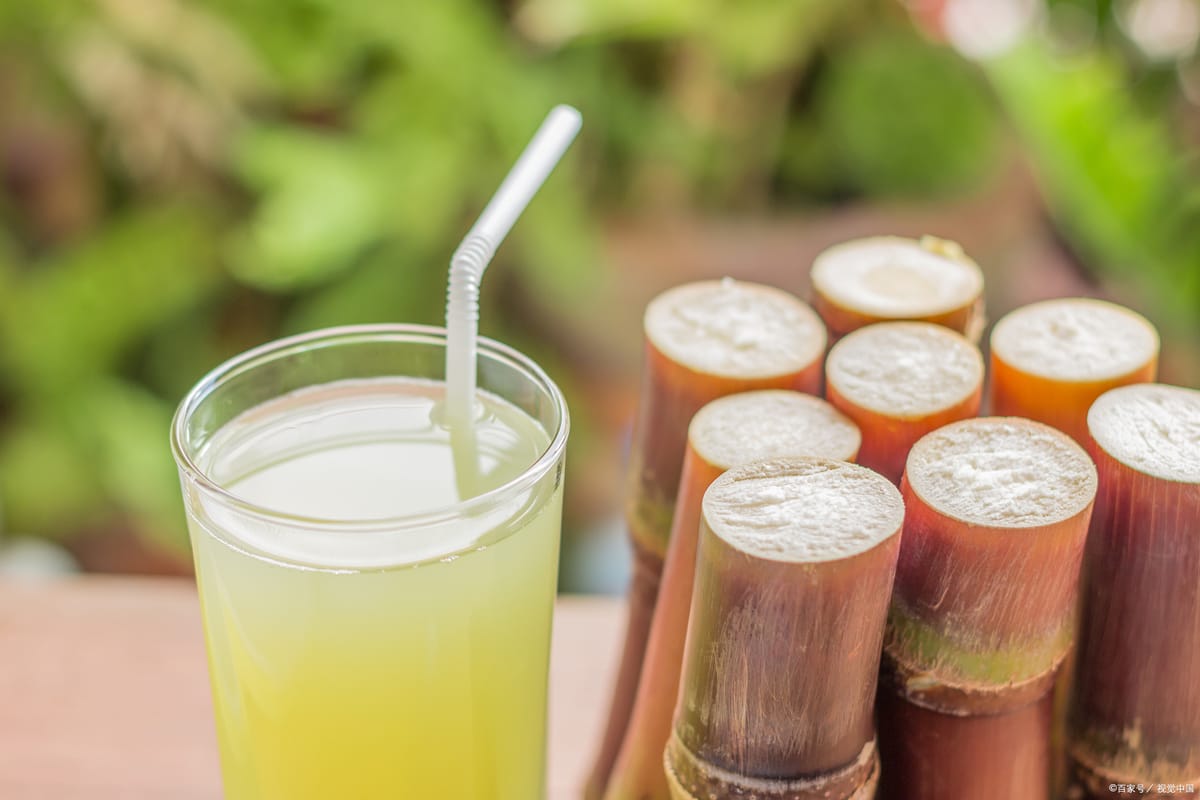
Bagasse (Sugarcane Fiber): The Most Versatile Bio-Material for Restaurants
Bagasse is the most restaurant-friendly biodegradable packaging material due to its superior balance of strength, heat resistance, moisture control, and sustainability.
Strengths:
Withstands up to 120°C
Microwave-safe
Oil-resistant
Strong structural rigidity
Industrially compostable
Perfect for Asian cuisine, curries, pastas, soups, and hot entrées
Weakness:
Lids typically require PLA or fiber-based alternatives
Bagasse is the top choice for restaurants with heavy delivery operations.
Cornstarch (Plant-Based Biopolymer): Best for Combo Meals and Multi-Compartment Boxes
Strengths:
Excellent rigidity
Ideal for 3–5 compartment lunch boxes
Good for combo meals and structured dishes
Appealing natural look
Limitations:
Lower heat resistance than bagasse (best below 85°C)
Cornstarch containers are heavily used by Indian and Asian restaurants.
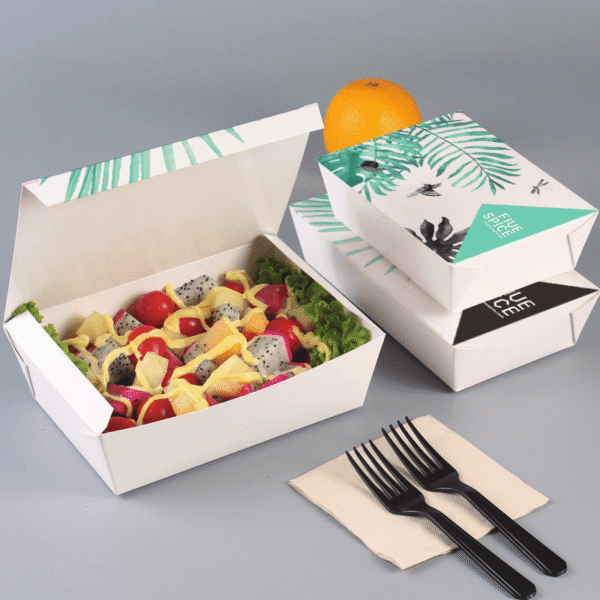
Kraft Paper: The Premium Choice for Cold Meals and Salads
Kraft paper bowls provide a natural, high-end aesthetic ideal for health-focused brands.
Strengths:
Premium appearance
Strong branding effect
Excellent for salads, poke, and cold sides
Limitations:
Not suitable for oil-heavy, high-heat dishes
PLA & CPLA: Cold Application and Tableware Solutions
PLA (for cold only):
Best for cold drinks and desserts
Completely compostable
Clear and premium-looking
Deforms above 45°C
CPLA (for cutlery):
Heat-resistant biodegradable utensils
Ideal companion for healthy restaurant brands
PLA should never be used for hot food packaging.

Restaurant Operational Pain Points and How Biodegradable Packaging Solves Them
Leakage: The No.1 Cause of Delivery Complaints
Most restaurant delivery complaints involve packaging, not food quality. Common issues include:
Soup leaking
Lids popping open
Containers collapsing
Oil seeping through materials
High-quality biodegradable to-go containers address these through:
Thick natural fiber walls
Secure snap-fit lids
Deep bowl design
Steam-release ventilation
Leakage complaints often drop by more than 50% after switching to bagasse containers.
Maintaining Food Texture During Delivery
Fried foods lose crispiness inside plastic containers because plastic traps moisture. Bagasse and kraft allow natural ventilation, helping maintain texture.
For ramen, pho, curry, or pasta, bagasse bowls control condensation better than plastic or foam.
Stacking Pressure During Peak Hours
Traditional plastic containers often collapse under load when stacked high. Bagasse and cornstarch containers provide superior load-bearing strength.
This reduces:
Dish deformation
Spills
Mixing of sauces
Delivery bag collapse
SKU Confusion and Storage Inefficiency
Restaurants often use too many container sizes, leading to operational mistakes. Standardizing containers simplifies:
Inventory
Ordering
Staff training
Kitchen layout
This also reduces overall packaging cost by consolidating SKUs into high-volume items.
Cost Optimization Strategies for Restaurants Using Biodegradable To-Go Containers
Switching to biodegradable to-go containers is not just an environmental upgrade—it can also be a financially strategic move. Restaurants that choose the right materials, SKUs, and manufacturers often reduce long-term operational costs while improving brand value.
1. Reduce SKU Complexity to Lower Costs
Most restaurants use too many container forms—sometimes 8 to 12 different shapes and sizes. This complicates inventory, increases storage needs, and raises procurement cost.
A streamlined SKU strategy typically includes:
One universal bowl (750–1000ml bagasse)
One cold bowl (kraft + PLA lid)
One compartment box (cornstarch, 3–5 sections)
Two lid types maximum
Standard-sized sauce cups
Purchasing high-volume SKUs lowers the unit price and simplifies training and storage. Restaurants that adopt this strategy often reduce packaging costs by 10–20%.
2. Optimize Freight with High Nesting Ratios
Shipping and storage play a major role in packaging cost. High-quality Compostable Takeout To-go Containers from experienced manufacturers are designed with optimized nesting ratios—meaning more units fit into one carton or pallet.
Benefits include:
Lower freight cost per unit
More storage space in back-of-house areas
Better carton handling for staff
Manufacturers with strong engineering capabilities help restaurants reduce the cubic meter (CBM) per 1,000 pcs, especially important for international buyers and franchise systems.
3. Balance Unit Cost vs. Complaint Reduction
A container that is USD 0.02 cheaper but causes spills will result in refunds, negative reviews, and labor time to remake orders. In contrast, a premium biodegradable container that prevents leakage often reduces:
Refund frequency
Food remake cost
Delivery complaints
Brand damage
Lower Star ratings on apps
Many restaurant operators report that upgrading to better biodegradable packaging pays for itself within weeks through improved customer satisfaction and fewer operational disruptions.
4. Work Directly with Certified Manufacturers
Working with a biodegradable takeout container factory or direct manufacturer ensures:
Stable supply
Lower wholesale prices
More customization options
Access to certifications
Long-term quality consistency
Distributors may be useful, but direct suppliers offer better long-term cost structures, especially for restaurant chains.
Case Studies: How Real Restaurants Improved Performance with Biodegradable To-Go Containers
Real-world examples demonstrate how packaging impacts restaurant operations.
Case Study 1: Noodle Bar Chain Reduces Leakage by 68% Using Bagasse Bowls
A noodle bar operating across five city districts experienced constant leakage complaints from soups, ramen, and stir-fried noodles. Their original paper-plastic bowls softened and leaked during delivery.
After switching to deep bagasse bowls with vented fiber lids:
Leakage complaints dropped 68%
Delivery ratings improved from 4.2 to 4.6
Peak-hour workflow became faster due to easier lid closure
Staff reported fewer burns and spills
This resulted in fewer refunds and better customer loyalty.
Case Study 2: Fast-Casual Burger Brand Improves Crispness and Rating Stability
A burger and fries chain struggled with soggy fries due to plastic clamshell containers trapping moisture.
They switched to vented bagasse clamshells designed for fried foods.
Results within 30 days:
Crispness retention improved by 40%
Positive review mentions increased by 22%
Complaints about sogginess nearly disappeared
Delivery platform ranking improved due to better food quality
Customers consistently praised the upgraded packaging as “eco-friendly and premium.”
Case Study 3: Multi-Unit Restaurant Simplifies Operations by Consolidating to 3 SKUs
A mid-sized Asian restaurant chain used 11 different packaging SKUs. Staff frequently grabbed the wrong containers, slowing operations and causing mismatched lids.
With help from a biodegradable food container manufacturer, they standardized their system to:
850ml bagasse bowl
1000ml bagasse bowl
3-compartment cornstarch box
Two lids covering all bowls
Immediate results:
33% reduction in packaging costs
45% faster bagging time
70% fewer lid mismatch incidents
Better storage utilization
This shift also simplified procurement across all locations.
Recommended Biodegradable To-Go Packaging System for Modern Restaurants
Based on the operational needs of restaurants and the performance characteristics of biodegradable materials, the following system is highly recommended for most foodservice businesses.
1. Universal Bagasse Bowl (750–1000 ml)
Best for:
Rice bowls
Stir-fry
Curry
Pasta
Ramen (paired with vented lid)
Poke bowls
Advantages:
Heat-resistant
Leak-resistant
Strong structural rigidity
Works across multiple menu categories
This should be the primary SKU for 60–70% of all restaurant items.
2. Multi-Compartment Cornstarch Box (3–5 Compartments)
Best for:
Combo meals
Indian thali
Asian lunch sets
Catering lunches
Meal-prep
Advantages:
Prevents flavor mixing
Visually organized meals
Excellent rigidity
3. Kraft Paper Bowl with PLA Lid for Cold Foods
Best for:
Salads
Poke
Desserts
Cold noodles
Advantages:
Premium presentation
Transparent lid enhances visual appeal
Lightweight and stackable
4. Bagasse Clamshell for Burgers, Sandwiches, and Fried Foods
Advantages:
Anti-sog ventilation
Strong hinge structure
Ideal for takeaway and delivery
5. Compostable Sauce Cups
Best for:
Sauces
Dips
Dressings
Toppings
Completes the system for a clean, fully compostable restaurant packaging solution.
How Restaurants Can Transition Smoothly to Biodegradable To-Go Containers
Switching to biodegradable packaging is a strategic upgrade—but restaurants must plan the transition carefully to avoid disruptions.
1. Run a Structured Testing Phase
Restaurants should test packaging using real dishes under real delivery conditions:
Load-testing for stacking
Leak testing for soups and curries
Vibration testing over 30–40 minutes
Thermal retention checks
Oil resistance tests
A two-week testing phase prevents unexpected issues.
2. Train Staff on New Packaging Workflow
Staff need clear instructions on:
Which SKU matches each dish
Correct lid placement
Bagging and stacking rules
Portion control adjustments
Proper training ensures smooth adoption.
3. Update Visual Branding and Customer Communication
Restaurants should highlight their sustainability upgrade through:
Stickers
Menu icons
Social media posts
In-store signage
Customers increasingly reward environmentally responsible restaurants.
4. Build Long-Term Partnerships with Certified Manufacturers
Direct partnerships with biodegradable to-go container manufacturers ensure:
Better pricing
Customized solutions
Certification transparency
Stable supply chain
Year-round availability
This is essential for restaurant groups, cloud kitchens, and multi-unit brands.
Conclusion
Biodegradable to-go containers have become a strategic requirement for modern restaurants. With global regulations accelerating, customer expectations rising, and delivery becoming a dominant revenue channel, restaurants must choose packaging that performs reliably under heat, oil, pressure, and movement.
Bagasse, cornstarch, kraft paper, and PLA each disposable takeout container offer strengths, but the best solution comes from matching materials with menu categories while optimizing operational flow, SKU simplification, cost efficiency, and compliance.
Restaurants that upgrade now stand to benefit from:
Higher delivery ratings
Fewer complaints
Stronger brand reputation
Operational efficiency gains
Future regulatory compliance
Biodegradable packaging is not just an environmental decision—it is a restaurant performance decision.
FAQ
1: What are the best biodegradable to-go containers for hot restaurant meals?
Bagasse bowls and clamshells are the most reliable for hot dishes because they can handle high heat, heavy oil, and steam. Their thick fiber structure prevents bending or leaking during delivery, making them ideal for curries, noodles, rice dishes, and stir-fries.
2: How can restaurants prevent leakage with biodegradable containers?
Choose containers with reinforced rims, deep-wall designs, and tight snap-fit or vented lids. Bagasse bowls with steam-release vents are especially effective for soups and noodles, helping avoid lid popping and spills during transportation.
3: Are bagasse containers safe for oily and high-temperature foods?
Yes. Bagasse is naturally heat-resistant up to about 120°C and maintains its structure with oily, steaming, or heavy foods. It contains no PFAS and meets major food-contact standards such as LFGB, FDA, and compostability certifications.
4: What certifications should restaurants check when choosing biodegradable to-go packaging?
Look for EN13432, ASTM D6400, BPI certification, OK Compost, and food-contact standards like LFGB or FDA. These ensure the packaging is safe, genuinely compostable, and compliant with regulations in major markets.
5: Can biodegradable containers survive long delivery times?
High-quality bagasse and cornstarch containers perform well during 30–60 minute deliveries. They resist vibration, stacking pressure, and heat loss better than thin plastic, helping maintain food quality and reduce complaints.
Reference
European Commission. “Guidelines for the Application of the EU Single-Use Plastics Directive.” Official Publication of the European Union, 2025.
U.S. Environmental Protection Agency (EPA). “Advancing Sustainable Materials Management: 2024 Packaging Waste Report.” EPA Office of Resource Conservation, 2024.
Food Packaging Forum Foundation. “Chemical Safety of Bio-Based Food Packaging Materials.” Food Packaging Forum Insights, 2025.
National Restaurant Association. “Restaurant Delivery Performance Benchmark Report.” Washington D.C., 2024.
Smith, Laura. “Heat Resistance and Structural Durability Test of Molded Fiber To-Go Containers.” FoodServiceLab Testing Report, January 2024.
International Organization for Standardization (ISO). “ISO 22000 – Food Safety Management Systems: Latest Updates and Global Implications.” ISO Publications, 2023.
Bioresource Technology Institute. “Lifecycle Assessment of Bagasse-Based Biodegradable Packaging: Comparative Study with PET and PP.” Academic Review Series, 2024.
Markets & Sustainability Insights. “Global Biodegradable Packaging Market Forecast 2025–2030.” MSI Research Division, 2024.
Key Insights: How Restaurants Should Choose Biodegradable To-Go Containers
Restaurants should match packaging materials with menu behavior—high heat and oil call for bagasse; structured combo meals work best with cornstarch; cold items pair well with kraft and PLA. Evaluating lid-lock strength, steam ventilation, anti-sog characteristics, and stacking performance ensures containers meet real-world delivery demands.
Global regulations such as EU PPWR 2025, U.S. PFAS bans, and Asia’s biomass directives are accelerating the transition away from traditional plastics. Packaging is now directly tied to brand reputation, food quality during delivery, and compliance readiness—making biodegradable to-go containers a strategic necessity rather than a cosmetic upgrade.
Consider fiber density, wall thickness, heat and oil tolerance, venting structure, container geometry, nesting efficiency, freight optimization, and suitability for each specific dish. Operators should also check certifications (EN13432, ASTM D6400, LFGB, FDA, PFAS-free) to ensure safety and regulatory alignment.
Restaurants must review workflow efficiency, portion control accuracy, peak-hour stacking, lid compatibility, and long-distance delivery performance. A well-designed biodegradable system reduces refund rates, prevents spillage, and improves food consistency across all service channels.
The global foodservice industry is shifting toward molded fiber, bagasse, and bio-based polymers. By 2030, over 60% of restaurant packaging worldwide is expected to transition to biodegradable systems, driven by regulation, consumer preference, and higher delivery demands.
Build a unified packaging framework using one universal bagasse bowl (750–1000ml), one cold kraft bowl with PLA lid, one cornstarch multi-compartment box, a vented bagasse clamshell, and two lid types. Partner with certified biodegradable to-go container manufacturers for stable pricing, consistent quality, and scalable supply capability.