Biodegradable Food Containers for Eco-Conscious Brands | 400ml-1800ml | Manufacturer Bioleader®

Biodegradable food containers on this page are organized around the 400ml–1800ml capacity range, serving as a reference point for buyers who specify container volume as a primary selection factor.

This collection helps eco-conscious brands compare formats by fill volume, portion planning, and pack-out consistency, rather than by material category or a specific foodservice scenario.

Bioleader® Biodegradable Food Container Collection (400ml–1800ml)

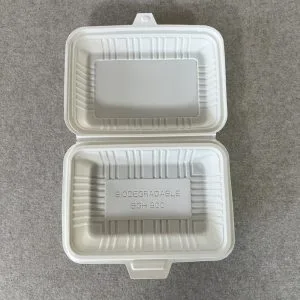
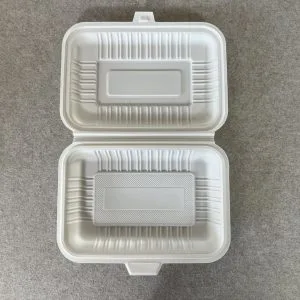
This Bioleader® collection organizes biodegradable food containers primarily by capacity range (400ml–1800ml) and general format for quick comparison. Material types shown below are included as reference options, while detailed material documentation is covered on dedicated pages.

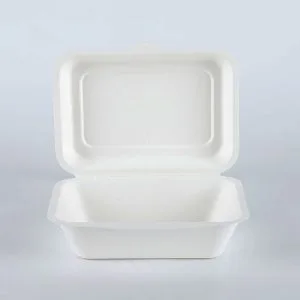
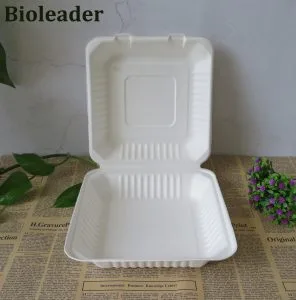
Bagasse-Based Biodegradable Containers (400ml–1800ml)

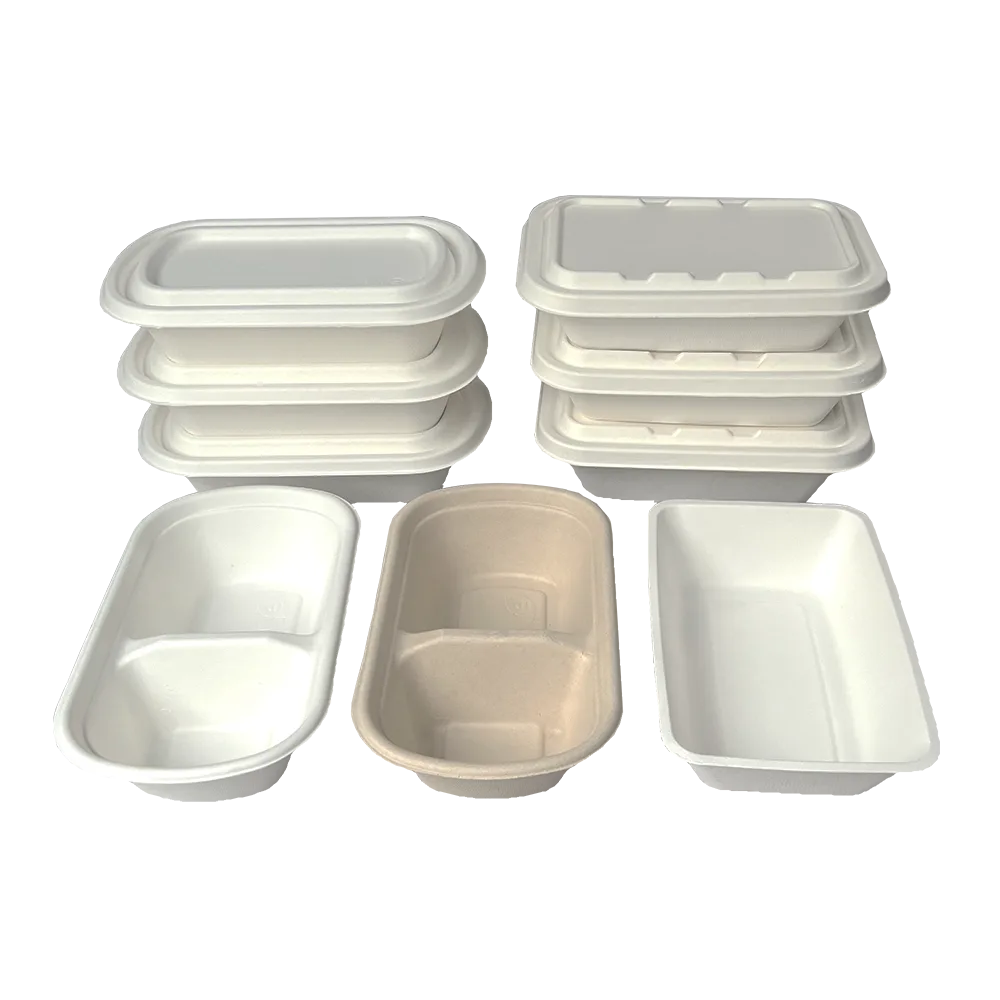
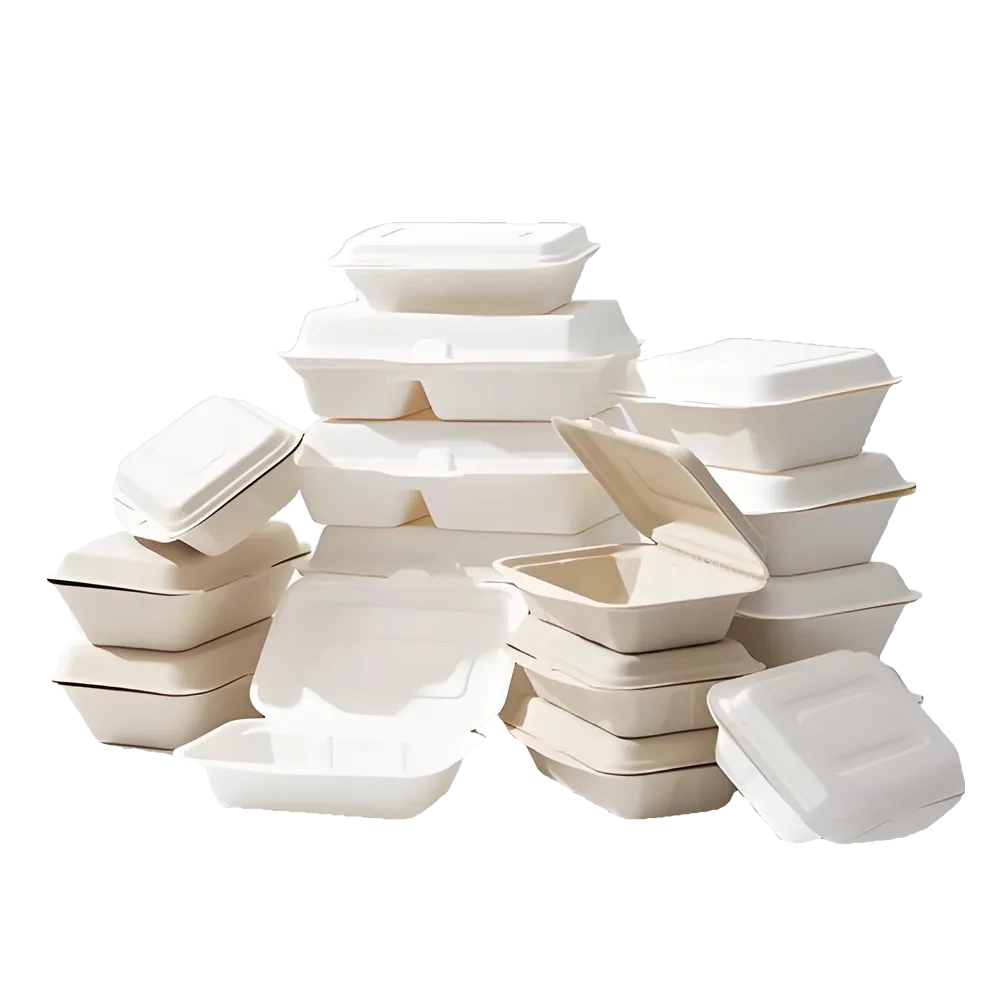
Bagasse-based containers shown below represent fiber-molded options within the 400ml–1800ml range. These products are included here for size and format comparison.

Material-specific bagasse performance and molded pulp details are addressed on dedicated sugarcane bagasse pages.

Cornstarch-Based Biodegradable Containers (400ml–1800ml)

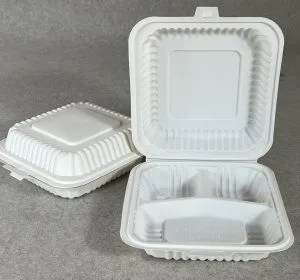
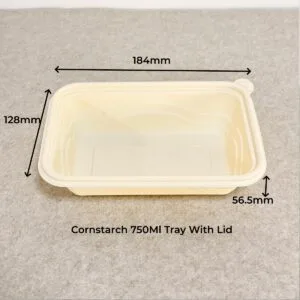
Cornstarch containers included in this collection serve as plant-based polymer alternatives within the same capacity range.

Detailed cornstarch material composition, composting conditions, and compliance information are provided on cornstarch-focused pages.

Paper-Based Biodegradable Containers (400ml–1800ml)

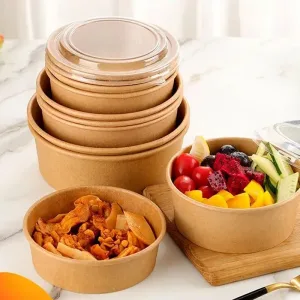
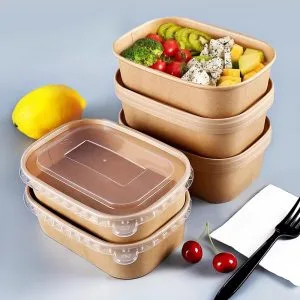
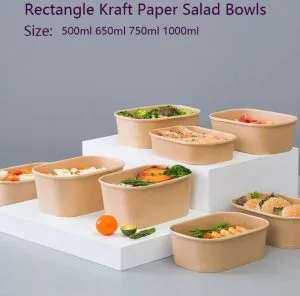
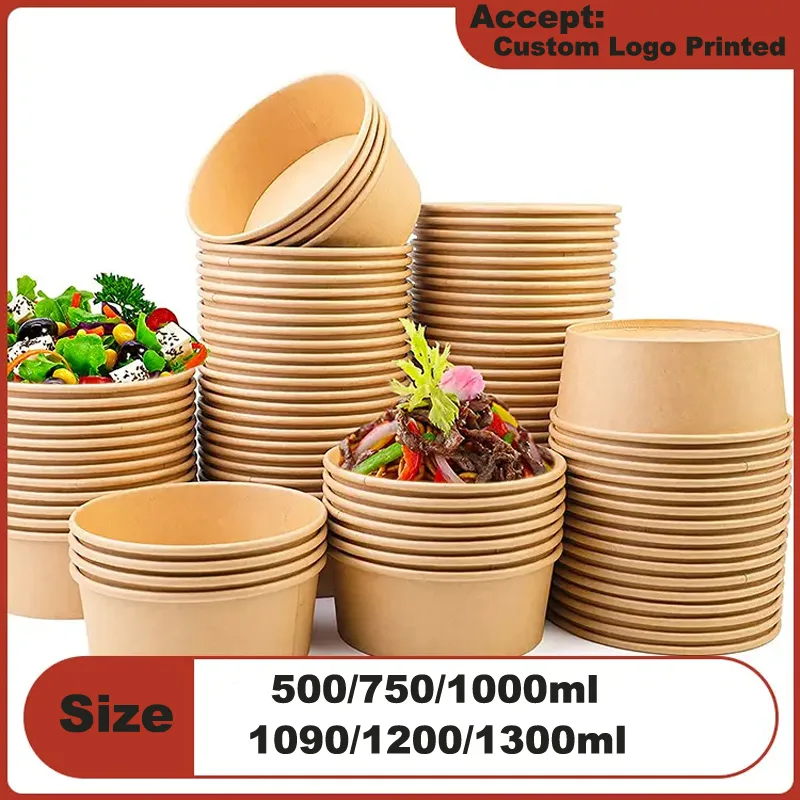
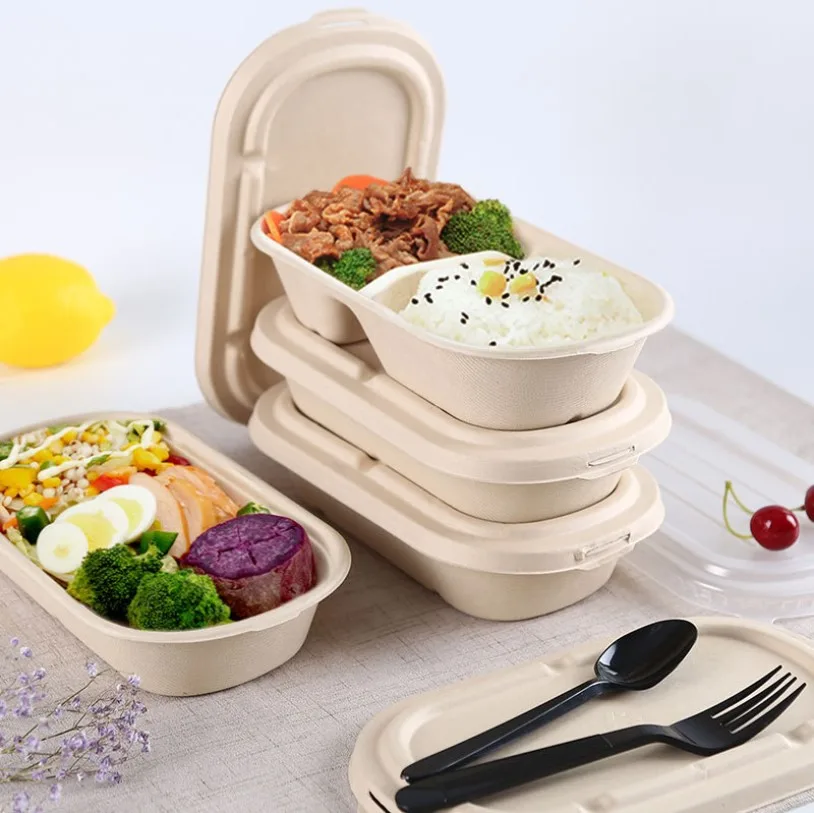
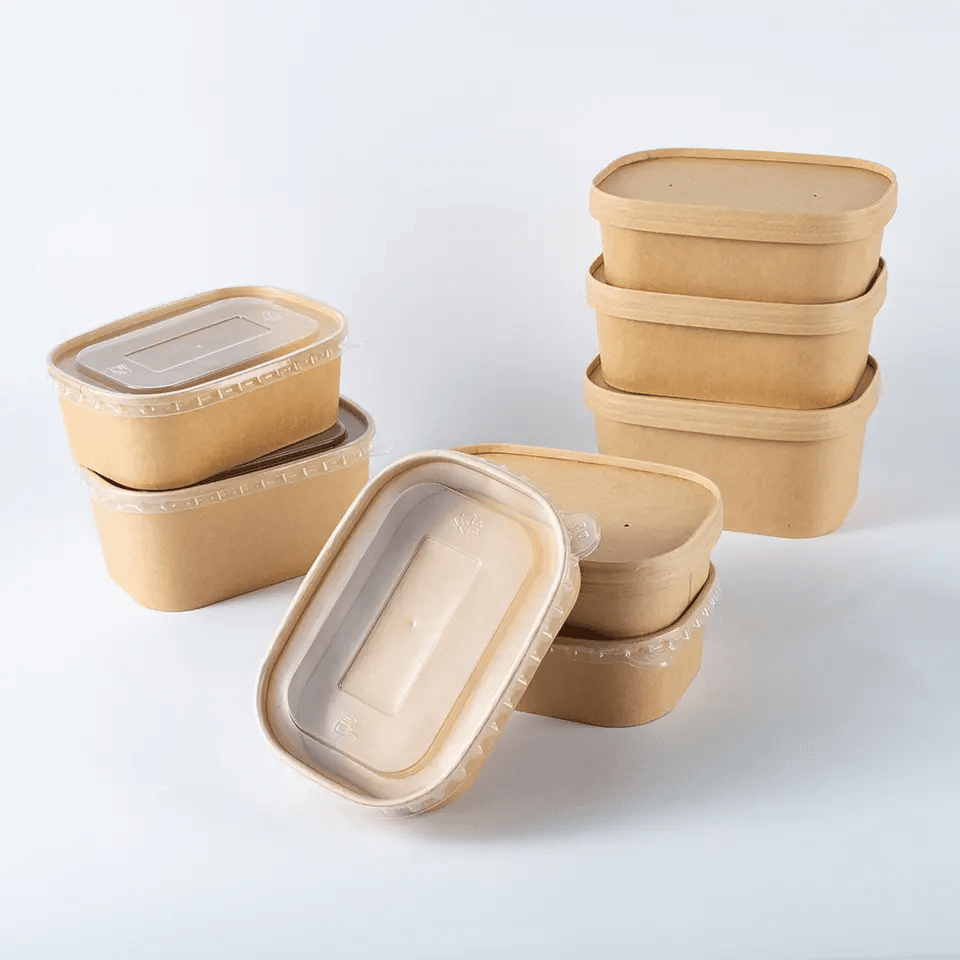
Paper-based containers shown here typically represent coated or laminated paper formats used for short-duration food contact.

Paper construction methods and barrier treatments are explained on dedicated paper packaging pages.

Why Capacity Matters When Selecting Biodegradable Food Containers

Capacity is one of the most practical selection criteria in biodegradable food container programs.

Choosing the correct volume range helps prevent overfilling, under-portioning, and inconsistent presentation—especially when packaging is standardized across multiple menu items or brands.

Biodegradable Container Size Guide: 400ml to 1800ml

400–500ml

Ideal for compact portions where space efficiency matters—side dishes, snacks, small salads, desserts, and add-ons. Buyers usually prioritize a stable base and practical depth to avoid tipping and improve stackability.

650–750ml

A common range for balanced single-serve servings and lighter meal programs. It works well when brands want portion consistency without oversized packaging. Focus on internal depth and rim strength to support clean packing and reliable sealing behavior.

850–1000ml

Often selected as the “standard meal container” range for main dishes and mixed portions. If you are sourcing a biodegradable container 1000ml, compare usable fill volume (headspace), bottom area (plating), and whether a compartment layout is needed for separation.

1200–1300ml

Designed for larger servings, mixed items, or meal sets that require more volume without moving to extra-large formats. Buyers typically evaluate structural rigidity, stacking strength, and packing speed for high-throughput operations.

1500–1800ml

Best for high-volume meals and shareable portions where presentation and stability are critical. In this range, geometry matters as much as capacity—wider bases improve balance, while deeper profiles maximize volume with fewer footprint changes.

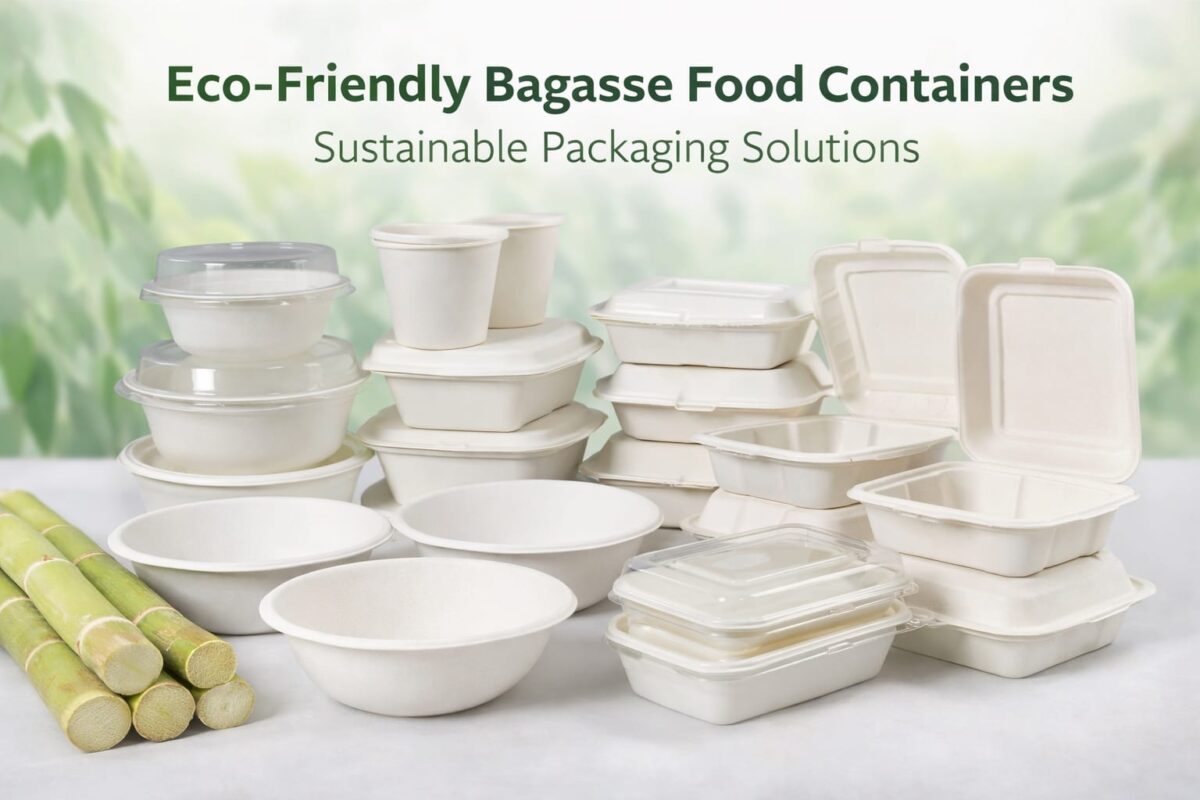
Eco-Friendly Bagasse Food Containers: Sustainable Packaging Solutions Made from Sugarcane Fiber

Format and Buyer Considerations for Biodegradable Food Containers

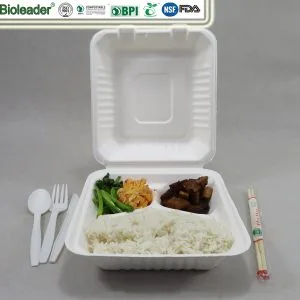
Beyond capacity, buyers typically review biodegradable food containers based on format suitability and procurement context. Container depth, base width, and compartment layout influence real-world filling, presentation stability, and packing efficiency.

This collection is commonly reviewed by eco-conscious food brands, distributors, and procurement teams that shortlist container options by size and general format before confirming material specifications and compliance requirements on dedicated pages.

Manufacturer Support for Capacity-Based Container Programs

Brands sourcing biodegradable food containers within a defined volume range typically standardize:

  • target capacity (ml)

  • container geometry

  • forecasted order volume

  • destination market requirements

These inputs allow manufacturers to align container formats, packing specifications, and quotation preparation efficiently.


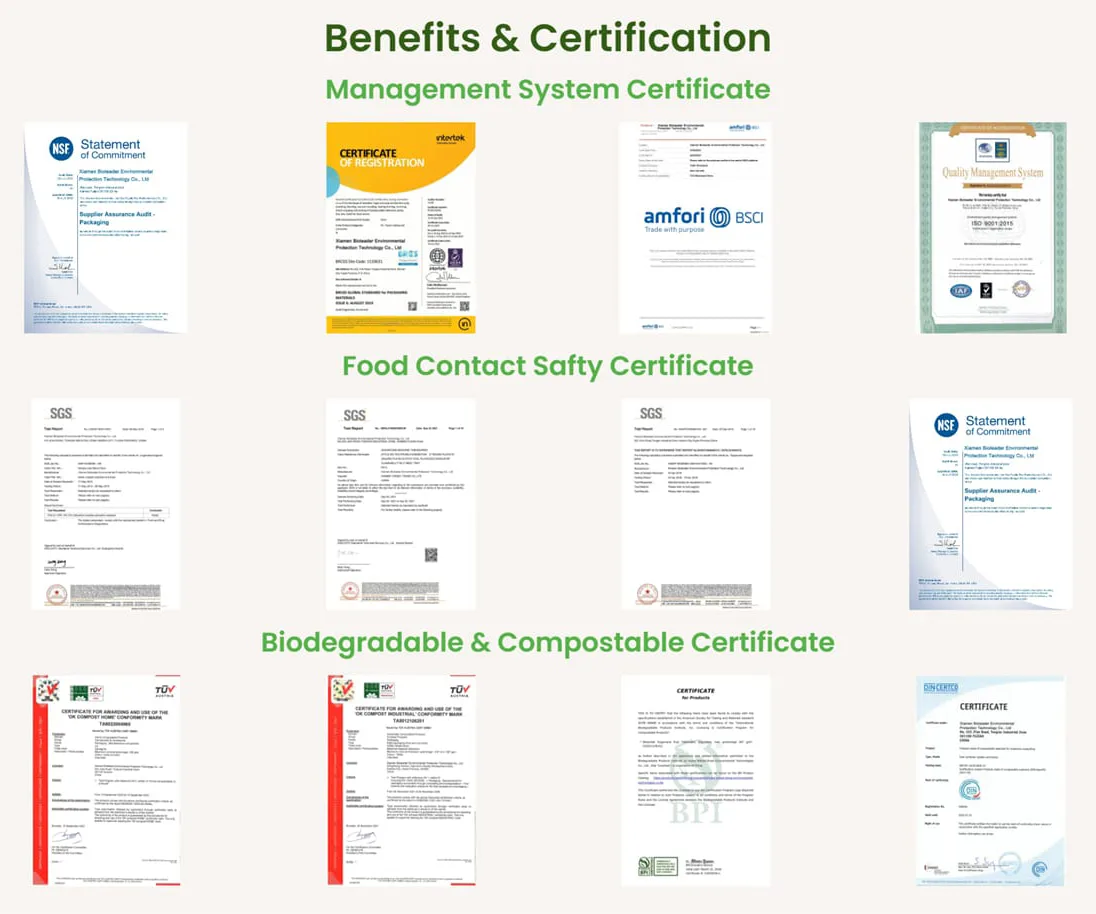
♻️ Certifications and Compliance Overview

Bioleader® packaging in this collection is developed to support common food-contact safety, manufacturing quality, and sustainability requirements for global buyers.

Depending on material type (bagasse, cornstarch, or paper), product format, and destination market, selected items may align with recognized compostability standards and quality management systems. Buyers typically confirm applicable certificates and test reports based on the specific SKU and regulatory requirements of their target market.

For product-specific compliance documents and certification evidence, we recommend confirming the exact model, quantity, and destination market before quotation and order approval.

Bioleader Certificates of Sugarcane Bagasse Tray with Lid

FAQs About Biodegradable Food Containers (400ml–1800ml)

What materials are included in this biodegradable food container collection?

This collection includes food containers made from sugarcane bagasse, cornstarch-based materials, and paper-based structures within the 400ml–1800ml range. Available materials and constructions vary by container size, shape, lid system, and product format.

How are container sizes defined in the 400ml–1800ml range?

Products are grouped primarily by their stated or nominal volume capacity, from compact 400–500ml portions to larger 1500–1800ml formats. Actual usable fill volume can also depend on container depth, base width, geometry, compartment layout, and the headspace required for the intended food.

Are these biodegradable food containers suitable for hot foods?

Many products in this collection are designed for hot food applications, but suitability should be confirmed by specific material and model. Performance can depend on container construction, food temperature, oil or sauce content, barrier system, and holding time. For demanding applications, testing with the actual menu and service conditions is recommended.

Does this page compare materials or focus on container size selection?

This page focuses primarily on capacity-based selection and general container formats within the 400ml–1800ml range. Bagasse, cornstarch, and paper products are shown as available material options, while detailed information about material composition, performance, compostability, and compliance is covered on dedicated material-specific pages.

How should buyers compare containers with the same capacity but different materials?

Capacity alone does not determine whether two containers are interchangeable. Buyers should also compare container geometry, usable fill volume, rigidity, lid or closure design, intended food temperature, oil and moisture exposure, storage requirements, and applicable compliance documentation before selecting a material and model.

Can buyers request samples before placing a bulk order?

Yes. Samples can be used to evaluate container size, portion fit, handling, lid or closure compatibility where applicable, and performance with the intended menu before confirming a larger procurement program.

Contact us Here for Pricing

Click or drag files to this area to upload.You can upload up to 5 files.
The more details you share, the faster and more accurate our quotation will be.