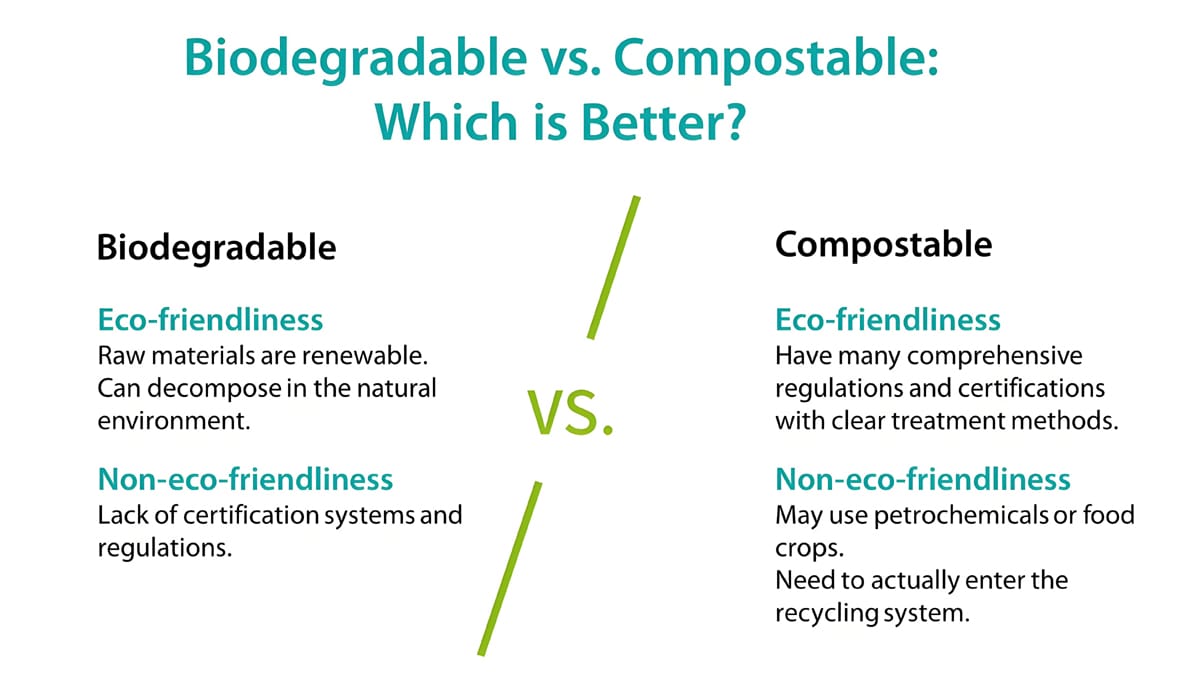
Introduction: Healthcare’s Role in the Plastic-Free Movement
Hospitals exist to heal, but their reliance on single-use plastics has created a paradox. Every day, healthcare facilities serve millions of meals in disposable containers, bowls, trays, and cups that often contain PFAS or other harmful chemicals. These plastics not only generate massive waste but also pose risks to patients—particularly vulnerable populations such as children, the elderly, and post-operative individuals.
In 2025, hospitals across Europe, North America, and Asia are moving rapidly to adopt compostable food packaging. Bagasse food containers, compostable meal trays, PLA cups, and CPLA cutlery are becoming standard in patient food services and hospital cafeterias. This transition is driven by regulatory bans, safety concerns, and hospitals’ commitments to sustainability.
The following sections will examine the hidden problem of plastics in healthcare, why compostable tableware is the solution, global regulations shaping change, the most common compostable materials, benefits for hospitals, and practical sourcing strategies for buyers.
The Hidden Problem: Plastic in Healthcare Food Services
Massive Plastic Consumption
Hospitals are among the largest institutional users of single-use plastics. Patient meal services require lightweight, sterile packaging that is easy to dispose of. Unfortunately, plastic trays, clamshell boxes, and disposable cutlery have dominated for decades. A large metropolitan hospital can generate over 2 tons of plastic food packaging waste daily—much of which ends up in landfills or incinerators.
PFAS and Health Concerns
Many plastic containers and coated paper bowls used in healthcare contain PFAS (per- and polyfluoroalkyl substances). These “forever chemicals” are linked to serious health risks, including cancer, thyroid disruption, and immune system harm. The irony is clear: hospitals, whose mission is to protect health, are unintentionally exposing patients to chemical hazards through food packaging.
Environmental and Waste Management Costs
Plastic waste disposal costs are high for hospitals. Incineration, often used for contaminated food packaging, releases toxic emissions. Landfills contribute to methane emissions and long-term pollution. As sustainability becomes central to hospital operations, administrators recognize that sticking with plastic is both financially and environmentally unsustainable.
Why Compostable Tableware Is a Healthcare Solution
PFAS-Free Safety Assurance
Certified compostable packaging is designed to be free of PFAS and other toxic coatings. Bagasse trays, PLA cups, and CPLA cutlery meet stringent safety standards, ensuring patient meals are served in containers that protect rather than compromise health.
Infection Control Compatibility
Hospitals require disposables for infection prevention. Compostable packaging provides the same single-use convenience as plastic but breaks down naturally after disposal. Facilities can manage compostables as part of food waste streams rather than sending everything to costly incineration.
Alignment with ESG and Net-Zero Goals
Healthcare systems worldwide are under pressure to cut emissions. Compostable packaging aligns with hospitals’ ESG commitments and carbon reduction targets. By replacing plastic, hospitals reduce lifecycle emissions and demonstrate leadership in sustainable healthcare.

Regulatory Landscape Affecting Hospital Food Packaging
Europe
EU SUP Directive: Bans many single-use plastics and requires compostables certified under EN13432.
PFAS Restrictions: The EU is phasing out PFAS in all food-contact materials by 2030.
Hospitals across Europe are switching to bagasse trays and compostable cutlery to comply.
United States
State-Level PFAS Bans: States such as California, Maine, and New York ban PFAS in food packaging.
FDA Guidance: Hospitals must ensure food-contact materials are safe and tested.
Many U.S. hospital networks are adopting compostable trays to meet state and federal requirements.
Canada
Zero Plastic Waste Strategy: Nationwide ban on several single-use plastics.
Healthcare Procurement Rules: Encourage compostable and recyclable options in hospital cafeterias.
Asia-Pacific
China: Bans on foam containers and straws push domestic manufacturers to produce compostables.
Japan: Strong recycling focus but growing adoption of compostables in hospitals.
South Korea: Tight restrictions on PFAS encourage compostable food packaging.
Australia: Hospital procurement policies now favor compostable catering solutions.
Compostable Materials and Applications in Hospitals
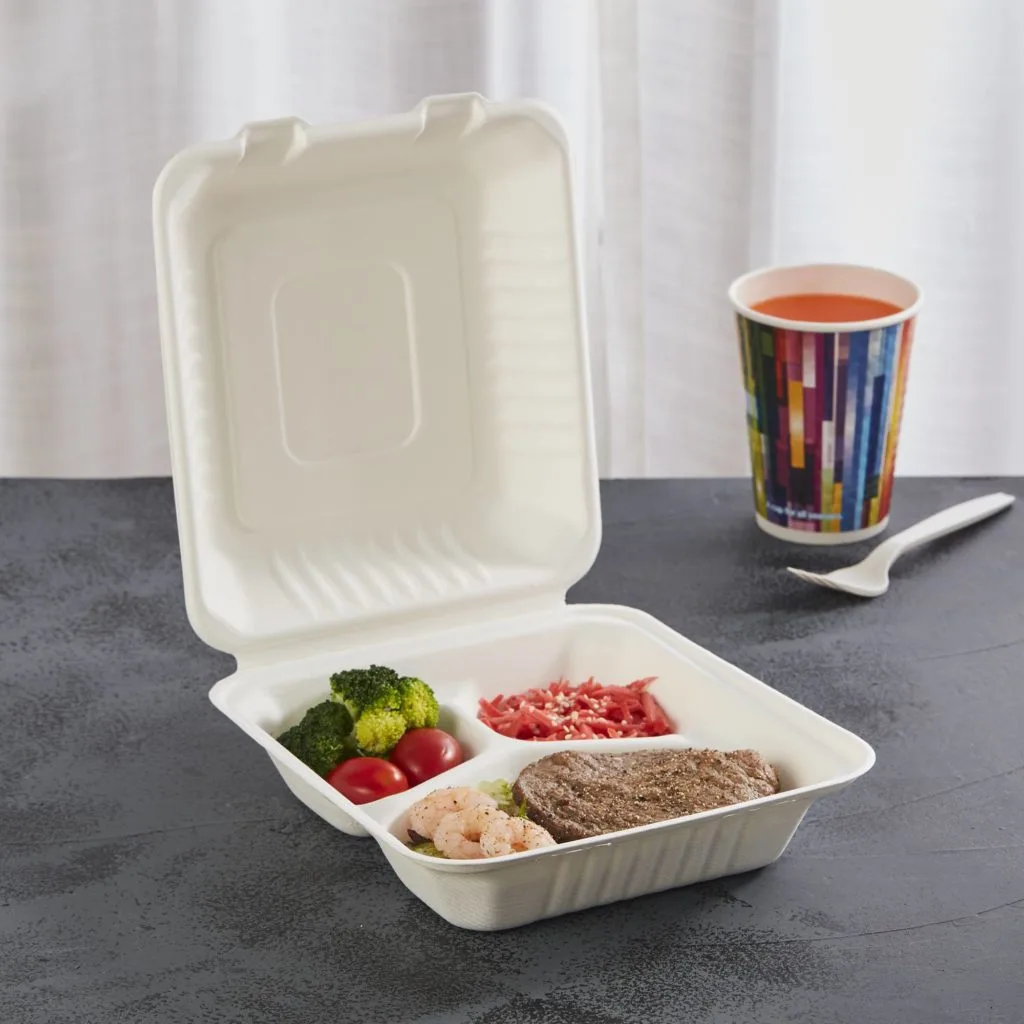
Bagasse Food Containers
Bagasse, the fibrous residue from sugarcane processing, is one of the most popular compostable materials in healthcare.
Features: Heat-resistant up to 220°C, naturally grease-resistant, sturdy.
Applications: Soup bowls, meal trays, clamshell containers for hot meals.
Use Case: Bagasse containers are widely used for delivering patient meals in hospital wards.
Compostable Meal Trays
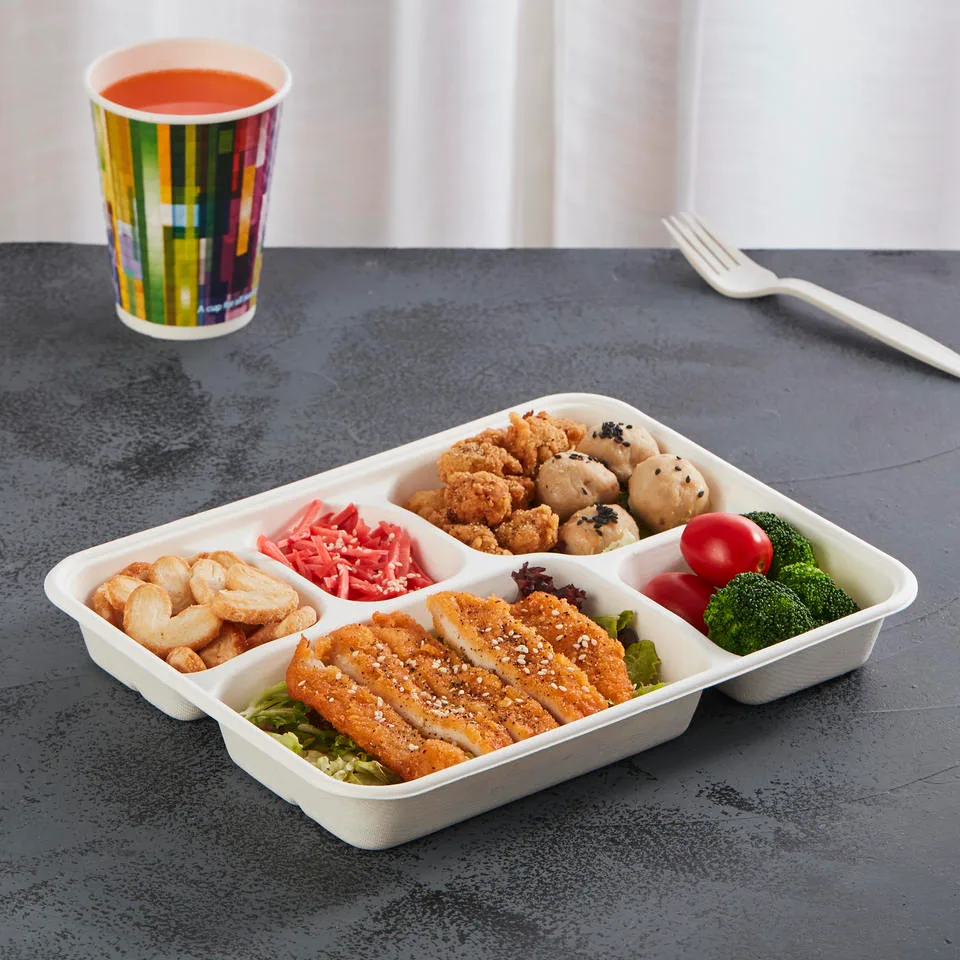
Multi-compartment trays made from bagasse or molded fiber are ideal for balanced hospital meals.
Features: Segmented design for main dishes, sides, and desserts.
Applications: In-patient food delivery, children’s and special diet trays.
Supplier Demand: Hospitals increasingly look for compostable meal trays manufacturer options for bulk supply.
PLA Compostable Cups
PLA (polylactic acid) cups are ideal for cold beverages served in hospitals.
Features: Transparent, lightweight, compostable in industrial facilities.
Applications: Fruit juice, nutritional supplements, water service in cafeterias.

CPLA Biodegradable Cutlery
CPLA (crystallized PLA) is modified for heat resistance.
Features: Withstands high temperatures, durable.
Applications: Knives, forks, and spoons for hot meals.
Benefit: Hospitals can replace plastic cutlery without compromising function.

Kraft Paper & Hybrid Options
Hospitals also use kraft paper bowls with water-based coatings for soups and salads. In some regions, kraft is combined with bagasse for hybrid solutions.

Benefits for Hospitals
Patient Health and Safety
Compostables eliminate exposure to PFAS and harmful plastics. Serving meals in PFAS-Free trays builds patient trust and aligns with the healthcare mission of “do no harm.”
Operational Efficiency and Waste Management
By integrating compostables into food waste streams, hospitals reduce incineration and landfill costs. Partnerships with municipal composting facilities allow hospitals to close the loop on packaging waste.
Compliance and Risk Mitigation
Compostable packaging ensures hospitals stay ahead of evolving regulations. Early adopters avoid fines, rejected shipments, or reputational damage.
Brand Reputation and Patient Trust
Hospitals adopting compostable tableware send a powerful message: they prioritize patient health and environmental responsibility. This strengthens community trust and can be leveraged in ESG reporting.
Buyer’s Guide: Sourcing Compostable Packaging for Hospitals
Check Certifications
Look for EN13432, ASTM D6400, BPI, and PFAS-Free test reports.
MOQ and Bulk Supply
Hospitals require large volumes. Partner with suppliers who offer bulk purchase and consolidation.
Customization
Compostable meal trays and bowls can be branded with hospital logos.
Supplier Experience
Choose suppliers with proven healthcare clients and export experience.
Life Cycle Data
Ask for LCA reports comparing compostables with plastic.

Case Study: Bioleader® and Healthcare Partnerships
Bioleader®, a leading compostable tableware manufacturer in Xiamen, China, has built strong partnerships with healthcare providers.
Products Supplied: Bagasse meal trays, PLA cups, kraft bowls, CPLA cutlery.
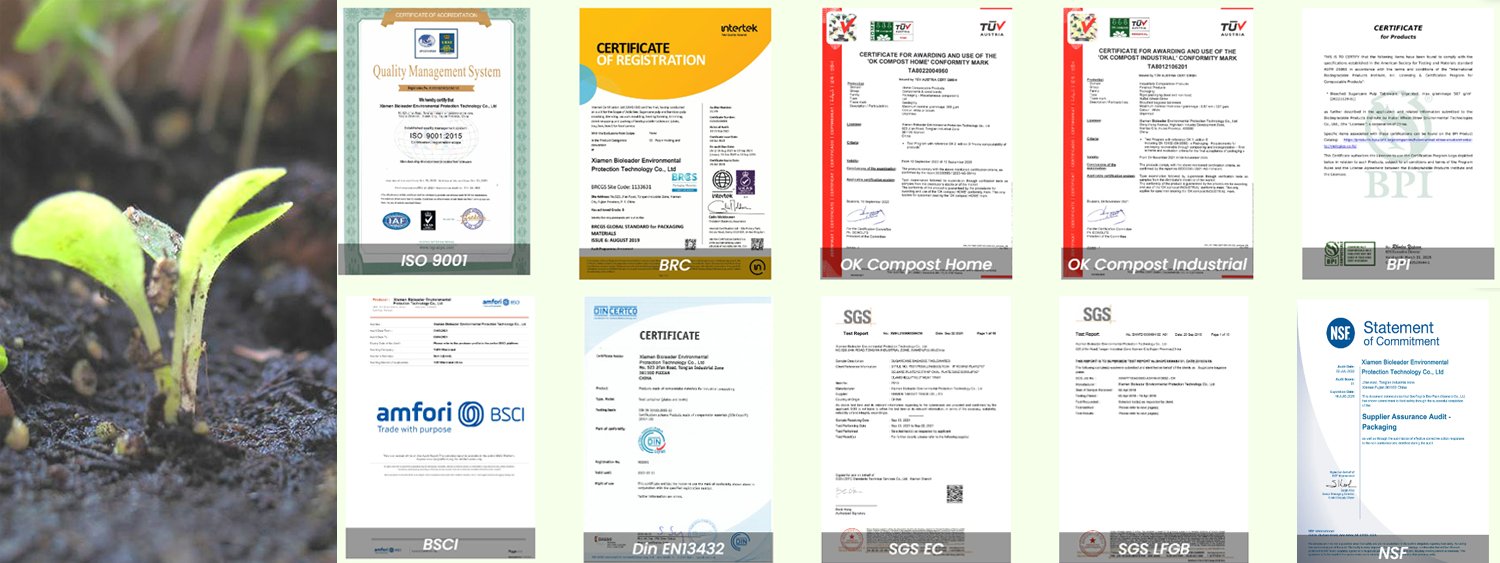
Certifications: EN13432, ASTM D6400, BPI, FSC, LFGB.
Customization: OEM options with hospital branding.
Impact: A European hospital network reported a 40% reduction in plastic waste after adopting Bioleader® bagasse trays and compostable cutlery.
Bioleader®’s ability to deliver large orders, maintain international certifications, and adapt to hospital needs positions it as a reliable partner for healthcare facilities worldwide.
Future Outlook: Healthcare Without Plastic
By 2030, hospitals are expected to phase out nearly all single-use plastics in foodservice. Compostables will become the standard in patient food delivery, cafeterias, and staff dining.
New materials such as PHA (polyhydroxyalkanoates) and algae-based packaging will further expand options. Hospitals may also integrate compostable packaging into circular waste management systems, turning food and packaging waste into compost used in hospital gardens or community agriculture.
Conclusion: Why Healthcare Cannot Ignore Compostables
Hospitals are trusted institutions tasked with protecting health. Continuing to serve meals in PFAS-coated plastic undermines that mission. Compostable tableware provides a safe, sustainable, and regulatory-compliant alternative.
By sourcing PFAS-Free compostable meal trays, bagasse food containers, PLA cups, and CPLA cutlery, hospitals safeguard patients, reduce waste, and future-proof their operations. In the transition to plastic-free healthcare, compostables are no longer optional—they are essential.
FAQ
Why are hospitals switching from plastic to compostable tableware?
To protect patients from PFAS exposure, comply with regulations, and reduce plastic waste.
Are compostable trays safe for hospital food service?
Yes. Bagasse and molded fiber trays are PFAS-Free, durable, and certified safe for food contact.
What are the best compostable materials for patient meals?
Bagasse containers for hot meals, PLA cups for cold drinks, and CPLA cutlery for hot foods.
How do hospitals source PFAS-Free food packaging in bulk?
By partnering with certified compostable meal trays manufacturer and suppliers experienced in healthcare.
Do compostable containers work for both hot and cold hospital meals?
Yes. Bagasse and CPLA products are heat-resistant, while PLA cups are ideal for cold beverages.
Reference
European Commission — Single-Use Plastics Directive (SUPD), 2021.
European Committee for Standardization (CEN) — EN13432: Requirements for Compostable Packaging, 2018.
ASTM International — ASTM D6400: Standard Specification for Compostable Plastics, 2020.
U.S. Environmental Protection Agency (EPA) — Advancing Sustainable Materials Management Report, 2023.
Food and Drug Administration (FDA) — PFAS in Food Contact Materials Guidance, 2022.
Health Canada — Zero Plastic Waste Strategy and Food Packaging Guidelines, 2023.
Ellen MacArthur Foundation — The New Plastics Economy: Rethinking the Future of Plastics, 2016.
World Health Organization (WHO) — Plastics and Human Health Report, 2019.
Market Research Future (MRFR) — Global Compostable Packaging Market Outlook 2025.
Hospitals Without Plastic: Strategic Insights for Buyers
How Healthcare Is Changing: In 2025, hospitals are replacing plastic trays, bowls, and cups with compostable alternatives to meet safety and regulatory demands.
Why It Matters: PFAS bans and plastic restrictions make compostables a legal necessity. For patients, PFAS-Free packaging reduces health risks. For hospitals, it cuts waste and aligns with ESG goals.
Best Options: Bagasse food containers for hot meals, compostable meal trays for patient delivery, PLA cups for cold beverages, and CPLA cutlery for hot dishes.
Buyer Considerations: Check certifications (EN13432, ASTM D6400, PFAS-Free), negotiate bulk supply, and partner with experienced suppliers with healthcare export track records.
Future Outlook: By 2030, hospitals will be nearly plastic-free in food services. Compostable packaging, combined with circular waste management, will define sustainable healthcare.