Introduction
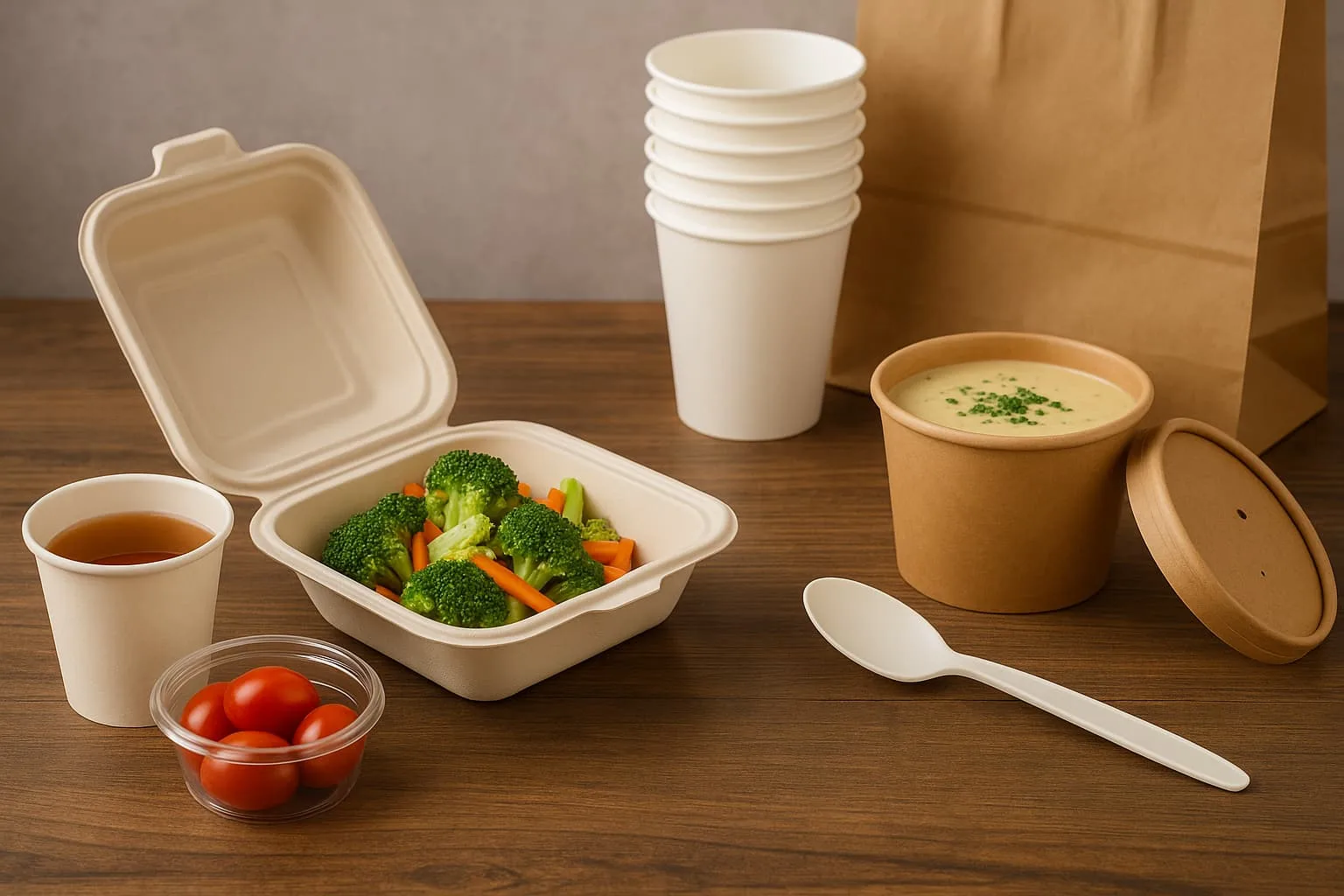
In 2025, healthy eating is no longer just about what’s on your plate—it’s about what surrounds your meal as well. From trendy salad bowls to your morning takeaway coffee, food packaging has become a central player in the modern diet and lifestyle conversation. As global consumers grow more aware of the environmental and health implications of packaging, both brands and individuals are asking: Does healthy food deserve healthy packaging? The answer is an emphatic yes. This year, the choice of packaging materials is emerging as a make-or-break factor for food safety, sustainability, and brand value.
1. The New Standard: Healthy Eating Meets Sustainable Packaging
1.1 Global Trends in Food and Lifestyle
The shift toward health-conscious, sustainable lifestyles is now a worldwide phenomenon. Consumers increasingly demand organic, additive-free, and “clean label” foods—and these expectations are rapidly extending to the packaging itself. Regulatory changes across the EU, Asia, and the Americas are fueling the rise of biodegradable, non-toxic, and compostable food packaging. The UK’s 2024 ban on single-use plastics, the EU’s “Green Deal,” and similar policies in Southeast Asia signal that sustainable packaging is no longer optional—it’s essential.
1.2 Conscious Consumers: Packaging as Part of Healthy Eating
Research shows over 70% of consumers are willing to pay a premium for packaging that’s healthy for people and planet. Social media buzz, influencer campaigns, and viral documentaries are all amplifying the conversation. In 2025, “healthy eating” is not just about calories or nutrients; it’s about choosing packaging that’s safe, compostable, and genuinely eco-friendly.
2. A Closer Look: Comparing Food Packaging Materials
2.1 The Dilemma of Plastic
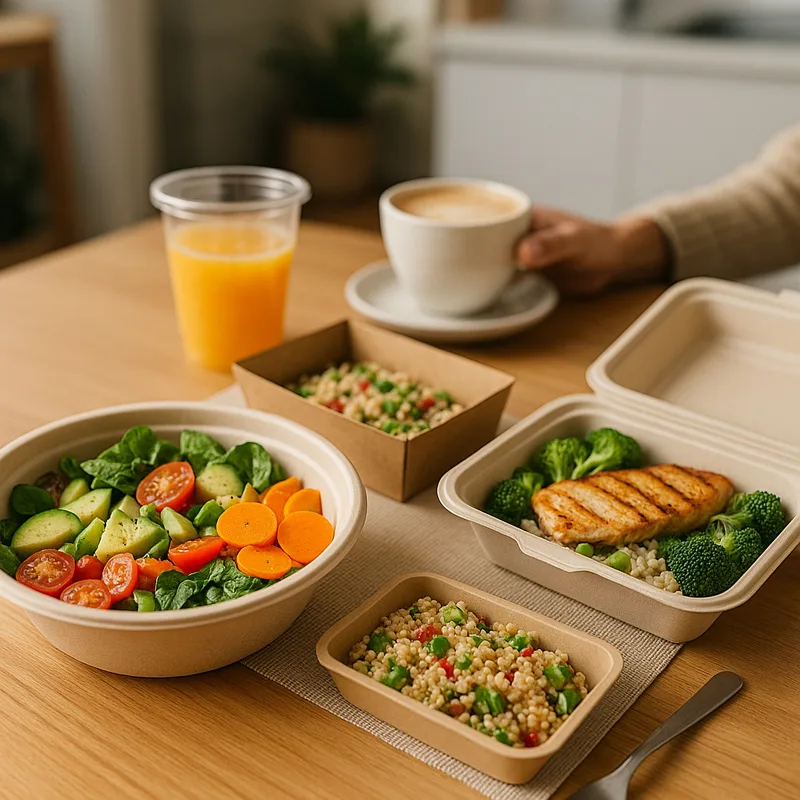
Plastic packaging has long played a vital role in food safety and convenience. Yet its legacy is now under scrutiny, with concerns over microplastics, chemical migration (such as BPA and PFAS), and long-term environmental harm. With the global tide turning against single-use plastics, both regulatory pressure and consumer sentiment are demanding alternatives.
2.2 The Rise of Paper and Biobased Materials
In response, the food industry is embracing a new generation of packaging materials:
Kraft paper offers strength, recyclability, and a natural image.
Bagasse (sugarcane fiber) is fully biodegradable, compostable, and derived from renewable agricultural waste.
Cornstarch-based materials combine disposability with minimal environmental impact.
PLA (polylactic acid) is a plant-based polymer that looks and feels like plastic but is compostable in industrial settings.
Each material comes with unique advantages: rapid decomposition, safety in direct food contact, and an appealing, modern aesthetic.
2.3 Real-World Comparison: Salad Packaging Under the Microscope
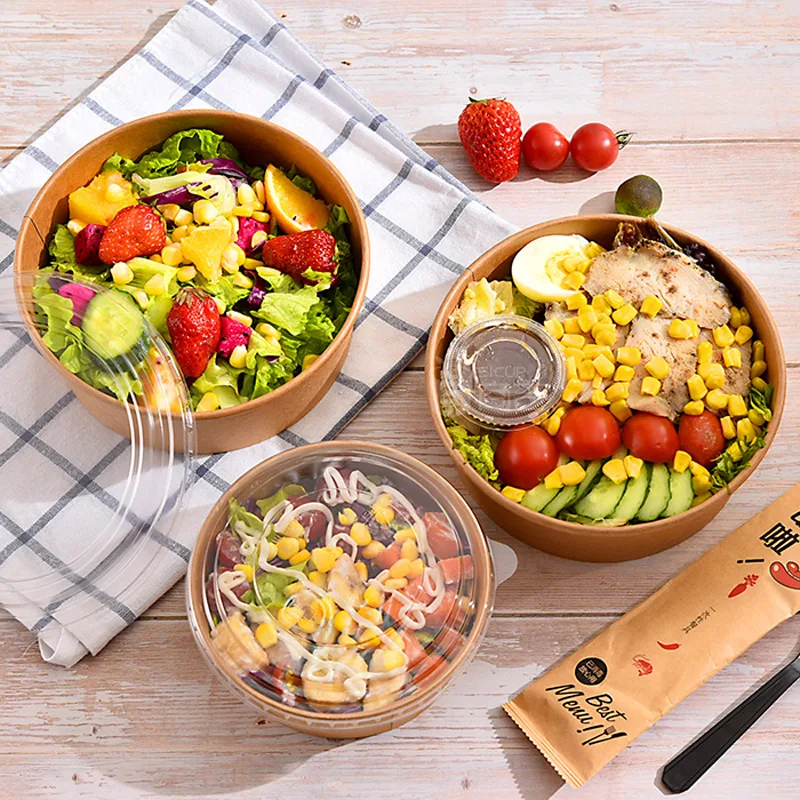
Let’s compare three typical containers for a healthy salad:
Plastic clamshell: Lightweight, transparent, but may contain harmful additives and lingers in the environment for centuries.
Bagasse bowl: Naturally compostable, PFAS-free, heat-resistant, and safe for both hot and cold foods.
Kraft paper box: Grease-resistant (with the right lining), sturdy, and easily recyclable or compostable.

When measured by food safety, environmental footprint, and user experience, biobased materials are clearly the healthier, future-proof choice.
3. What Makes Packaging Truly Healthy? Key Criteria for 2025
3.1 Food Contact Safety
Healthy packaging starts with verified food safety. Leading markets now require strict compliance with food contact regulations (such as the EU’s EC No. 1935/2004, the US FDA standards, and China’s GB4806 series). Labels like “BPA-free” and “PFAS-free” have become important trust signals. Consumers and businesses should look for credible third-party certifications—such as BPI, OK Compost, and EN13432—to ensure genuine safety.
3.2 Biodegradability and Compostability
Not all “green” claims are equal. True biodegradability means a material breaks down naturally without toxic residues, ideally within a set timeframe under composting conditions. Compostable packaging goes further, supporting the circular economy by turning waste into valuable soil nutrients. Watch out for “greenwashing”—some products labeled “biodegradable” may still contain harmful additives or only degrade under specific, less accessible conditions.
3.3 Brand Responsibility and Consumer Trust
Today, sustainable packaging is a brand-defining attribute. Choosing healthy, compostable materials not only aligns with regulatory trends but also builds lasting consumer loyalty. In 2025, brands that transparently communicate their packaging choices and back up claims with certifications will stand out in the marketplace.
4. Industry Leaders and Innovation: The Bioleader® Example
4.1 Bioleader®: Setting the Standard in Healthy Packaging
As a pioneer in biodegradable food packaging, Bioleader® champions the use of safe, renewable materials—such as bagasse, cornstarch, and PLA. The brand’s mission: to make healthy packaging accessible for every meal, everywhere.
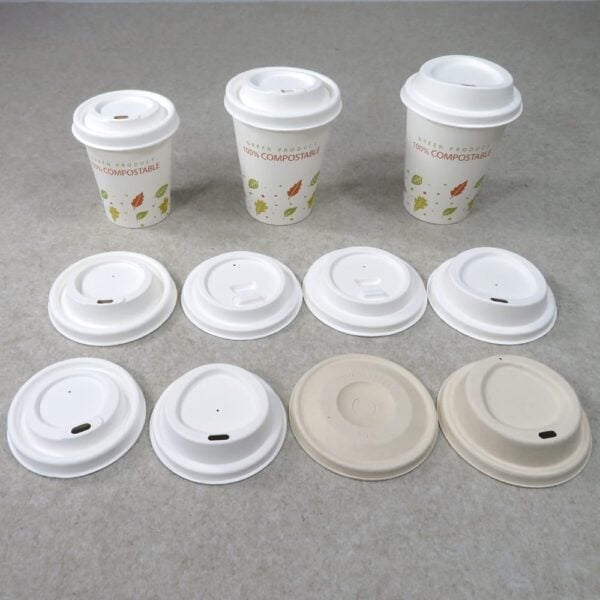
Flagship products: Bagasse clamshell boxes, compostable bowls, cornstarch cutlery, and PLA cups—all certified for food safety and compostability.
Use cases: From artisan cafés and premium catering to mainstream takeaway and meal delivery, Bioleader®’s solutions are trusted by food brands worldwide.
Certifications: Products meet global standards (BPI, OK Compost, EN13432), reassuring both businesses and consumers.
“We believe healthy food deserves healthy packaging. Our commitment is to help brands and consumers make sustainable choices, without compromise,” says a Bioleader® spokesperson.
4.2 Global Innovation: Other Noteworthy Examples
Other major food and beverage brands are also innovating with green packaging:
McDonald’s has introduced bagasse-based containers in several markets.
Whole Foods and Pret A Manger are trialing compostable and plant-based packaging.
Start-ups are experimenting with next-generation materials like seaweed films and mushroom-based trays.
5. How to Choose Healthy Packaging: A Checklist for Brands and Consumers
5.1 For Food Businesses and Brands
Prioritize certified materials: Always select packaging with internationally recognized food safety and compostability certifications.
Clear communication: Use packaging and menu messaging to highlight healthy, sustainable choices.
Train teams: Educate staff on the benefits of safe and eco-friendly packaging to drive consistent brand storytelling.
Supply chain partnerships: Work with trusted, innovative suppliers like Bioleader® for ongoing product upgrades.
5.2 For Consumers
Read the labels: Look for terms such as BPA-free, PFAS-free, compostable, and relevant certification marks.
Support brands that care: Choose food outlets that invest in truly sustainable, healthy packaging.
Watch for greenwashing: Be skeptical of vague “eco” claims and check for evidence of certification.
Get involved: Participate in local composting and recycling programs to close the loop.
Conclusion
Healthy eating in 2025 is holistic—embracing not just what we consume, but how it’s delivered, stored, and served. The move to safe, compostable, and certified food packaging is no longer a trend but a necessity for brands and consumers who value both wellness and environmental responsibility. As innovators like Bioleader® lead the way, making the right material choice is now the key ingredient in building a truly healthy and sustainable food culture.
Let’s join the movement: healthy food deserves healthy packaging—for ourselves and for the planet.
FAQ
1. What makes packaging “healthy” for food in 2025?
Healthy packaging is made from food-safe, non-toxic materials that do not leach harmful chemicals (such as BPA or PFAS) into food. In 2025, truly healthy packaging is also compostable or biodegradable, supporting both human and environmental health.
2. Why are materials like bagasse and cornstarch considered better than plastic for food packaging?
Bagasse and cornstarch packaging are made from renewable plant resources and are fully compostable. Unlike plastics, they break down naturally without polluting the environment or releasing microplastics and are generally free from toxic additives.
3. How do I know if a packaging material is safe and certified for food contact?
Look for internationally recognized food safety certifications, such as FDA (US), EC No. 1935/2004 (EU), or China GB4806. Additional eco-labels—like BPI, OK Compost, or EN13432—also indicate compostability and safety for direct food contact.
4. Are compostable and biodegradable packaging materials suitable for both hot and cold foods?
Yes. Most modern bagasse, PLA, and cornstarch-based packaging are designed to handle a wide temperature range safely. They are suitable for hot meals, cold salads, and drinks—always confirm the specific product’s temperature resistance.
5. What are the main challenges restaurants face when switching to healthy, compostable packaging?
Key challenges include higher upfront costs, supply chain adjustments, and the need to educate both staff and customers about composting and proper disposal. Many overcome these hurdles by partnering with innovative suppliers and engaging in local composting initiatives.
6. How do brands like Bioleader® help restaurants and consumers transition to healthier packaging choices?
Bioleader® offers certified compostable packaging, expert compliance support, custom branding, and a broad product range. By providing both products and education, they help restaurants easily adopt safer, greener solutions that align with new regulations and consumer preferences.
7. What actions can consumers take to promote healthy and sustainable food packaging?
Consumers can choose restaurants that use certified compostable packaging, check for safety and eco-labels, separate compostable items for proper disposal, and advocate for local composting programs—making sustainable packaging a community effort.