Introduction: Why Decomposition Time of Bagasse Matters
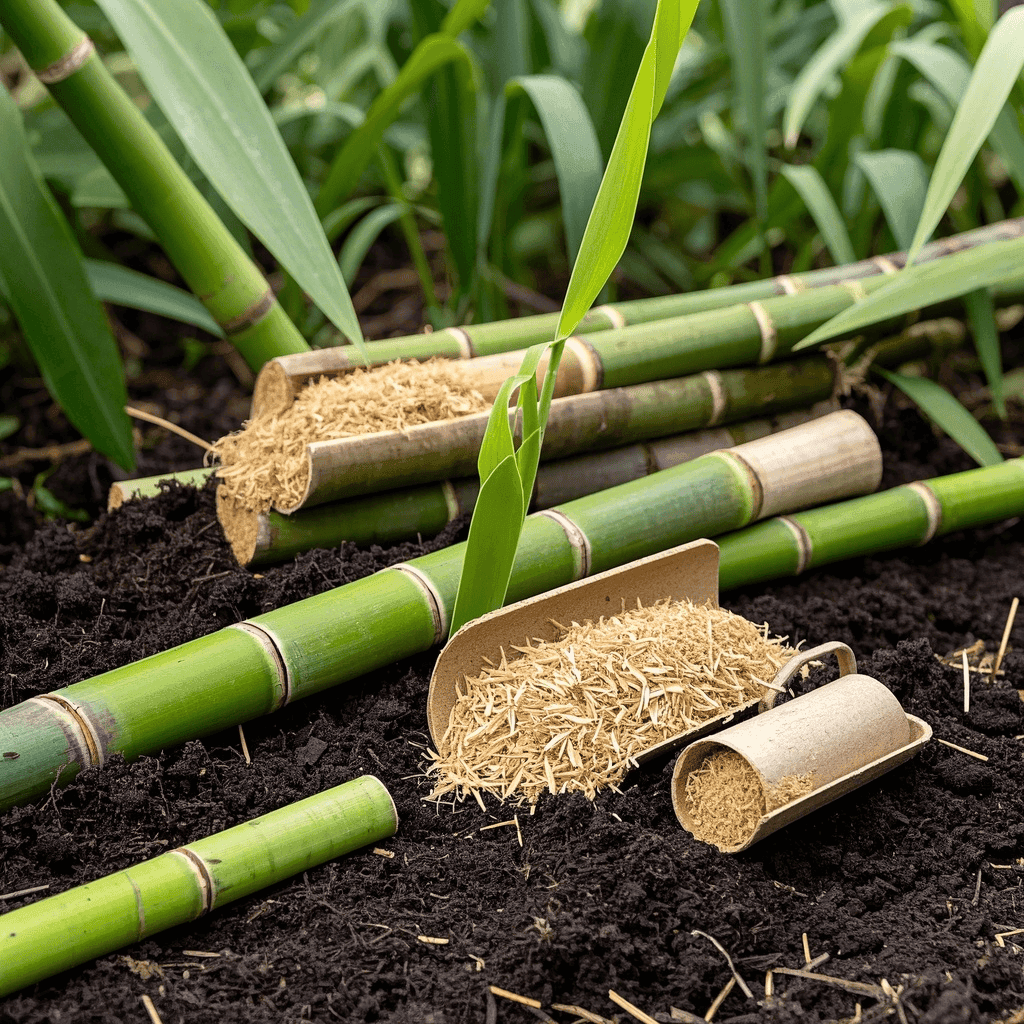
In today’s eco-conscious world, knowing how long a product takes to decompose isn’t just a curiosity—it’s a commitment to sustainability. When consumers ask, “How long does bagasse take to decompose?”, they’re not just looking for a number. They want reassurance that their choice is truly eco-friendly. Bagasse, the fibrous byproduct of sugarcane processing, has emerged as a leading material in biodegradable tableware and food packaging. But its effectiveness as a sustainable solution depends heavily on how—and how quickly—it breaks down in the environment.
Where Bagasse Tableware Fits: Real-World Use Cases
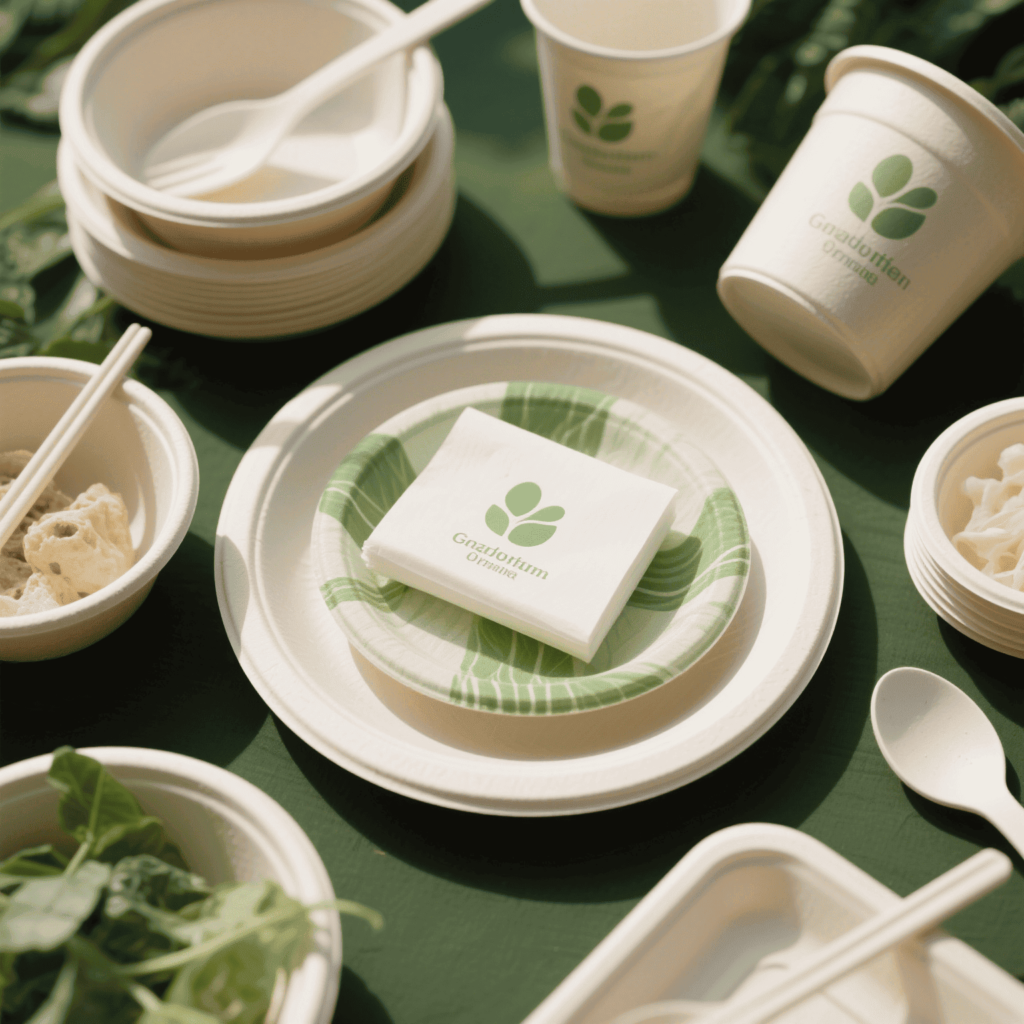
Bagasse tableware is rapidly replacing traditional plastic and even paper options across a variety of settings. Here’s where and why it thrives:
1. Takeout Restaurants and Cafes
Quick-service food outlets love bagasse for its grease- and moisture-resistant properties. It’s especially ideal for hot, wet foods and microwave use.
👉 Bioleader®’s bagasse clamshell containers and sugarcane takeaway boxes are popular among restaurants looking for compostable options that perform under pressure.
2. Catering and Event Services
From weddings to corporate events, biodegradable plates and clamshells made from bagasse offer a compostable alternative to plastic while looking premium.
💡 With Bioleader®’s elegant molded bagasse plates and trays, event organizers enjoy both visual appeal and eco credibility.
3. Households Embracing Zero-Waste
Eco-conscious families use bagasse bowls and plates during backyard BBQs, kids’ parties, or even daily meals to cut down on washing and waste.
🏡 Bioleader® bagasse bowls with lids are especially suitable for leftovers and refrigerator storage, combining convenience and compostability.
4. Educational Institutions and Camps
Schools and summer camps are adopting bagasse tableware to align with sustainability pledges and teach children about composting and environmental impact.
🎓 Bioleader®’s eco kits, which include compostable cutlery and trays, make bulk ordering easy for institutions committed to low-waste living.

Scientific Support: How Long Does Bagasse Really Take to Decompose?
Bagasse’s popularity stems not just from its natural origin, but from its compostability. Here’s what the science says:
Time to Decompose: Under optimal industrial composting conditions (temperature ~60°C, high humidity, active microbial culture), bagasse typically decomposes within 45 to 90 days.
In home composting environments, it may take around 90 to 120 days, depending on moisture and aeration.
Compared to plastic, which takes 400–500 years, or PE-coated paper, which may not fully decompose, bagasse offers a drastic improvement.
Laboratory Findings:
Studies show bagasse has cellulose and hemicellulose levels exceeding 70%, making it highly digestible by microbes.
The low lignin content (less than 10%) accelerates its breakdown compared to wood pulp.
✨ Bioleader® ensures all their bagasse products are free from plastic linings, certified compostable, and suitable for both industrial and home compost systems—giving consumers confidence in their environmental footprint.
Expert Opinions and Market Trends
🌱 Experts Weigh In
Dr. Linda Thompson, Environmental Materials Researcher at UC Davis, states:
“Bagasse offers an ideal carbon-to-nitrogen ratio for composting. Its speed of decomposition rivals the best biodegradable materials on the market.”
📈 Growing Market Demand
According to the Global Biodegradable Tableware Market Report (2024):
The bagasse tableware market is growing at 9.7% CAGR, driven by bans on single-use plastic in over 80 countries.
North America and Europe are leading adopters, with rising demand from institutional buyers and municipalities.
Brands like Bioleader® are setting benchmarks in quality and innovation—providing not only compostable trays and bowls, but also custom logo printing on eco-friendly tableware for brand-conscious businesses.
Frequently Asked Questions (FAQs)
1. How long does bagasse take to decompose in home compost?
Typically, bagasse items break down in 90 to 120 days in home compost bins if moisture and temperature are regulated.
🌿 Bioleader®’s uncoated bagasse bowls and plates are specifically designed to meet home composting standards.
2. Can bagasse decompose in landfills?
Yes, but much slower due to lack of oxygen and microbial activity. It may take years under anaerobic landfill conditions.
🧠 Bioleader® encourages composting to realize the full environmental benefit of their sugarcane-based products.
3. Is bagasse tableware compostable at home?
Yes, as long as it’s uncoated and free of synthetic linings.
✅ Products like the Bioleader® 9-inch plate or bagasse burger box are home-compostable and free from harmful additives.
4. Does bagasse break down faster than paper or cardboard?
Yes. Due to lower lignin content and better microbial digestibility, bagasse decomposes faster than many types of cardboard or coated paper.
5. What factors influence bagasse decomposition time?
Temperature, humidity, oxygen flow, and whether it’s home or industrial composting. Pre-shredding can also help speed up the process.
Conclusion: Why Decomposition Time Should Guide Your Purchase
Bagasse doesn’t just look green—it acts green. Whether you’re a household switching to eco products or a business looking to align with global sustainability goals, knowing how long bagasse takes to decompose is crucial. With a breakdown time of 90 days or less in the right conditions, bagasse tableware beats traditional disposables by a landslide.
Bioleader® offers a full range of bagasse food containers, clamshell boxes, bowls, and plates—engineered to decompose fast and serve responsibly. Their products help businesses meet eco regulations, and help individuals make the greenest possible choice.
So before you buy, remember this: Bagasse’s fast decomposition isn’t just good for the planet—it’s good for your brand, your lifestyle, and future generations.