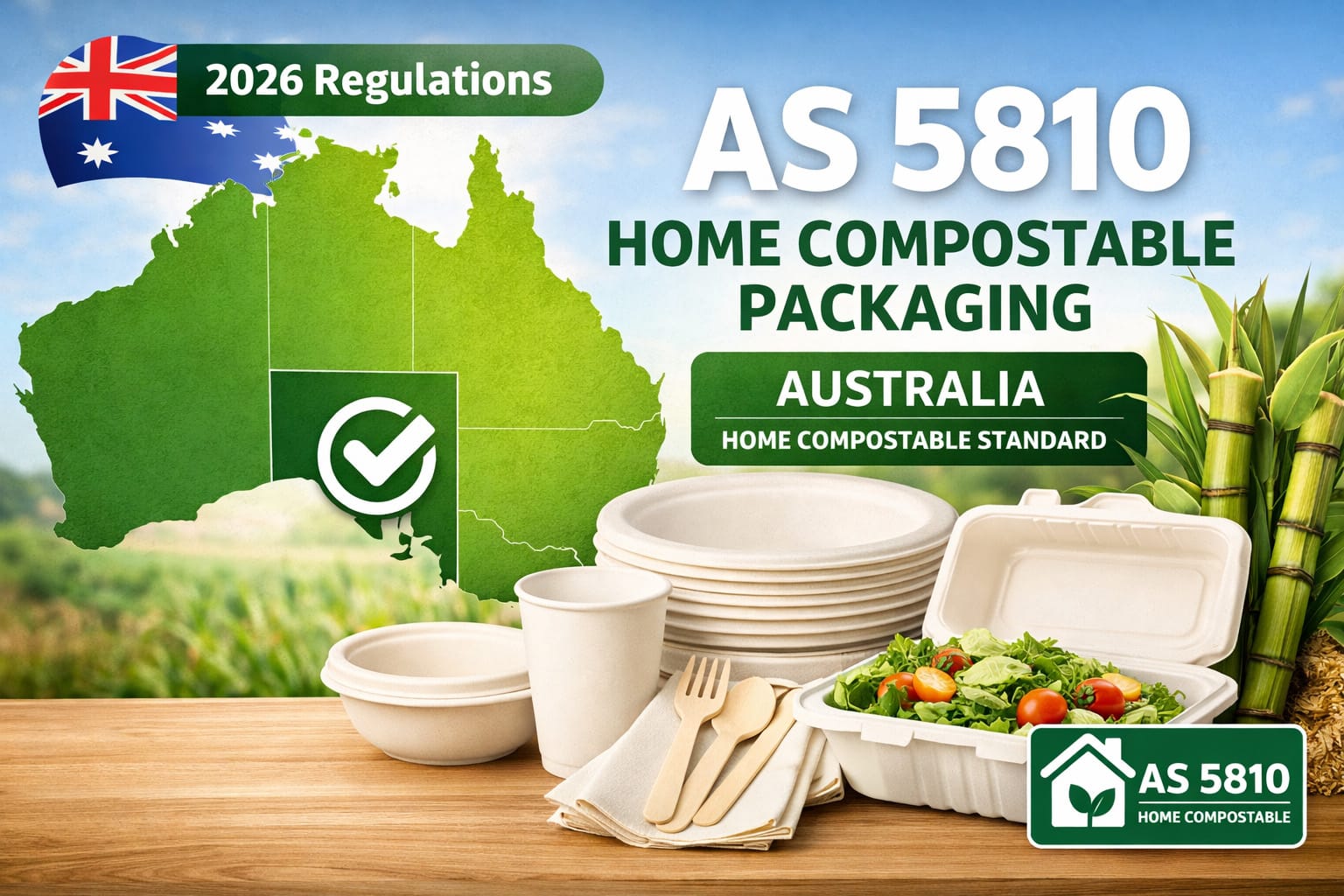
From 2026, South Australia is raising the compliance threshold for compostable foodservice packaging.
“Compostable” will no longer be treated as a marketing claim, but as a regulated, auditable statement.
Businesses must align certification (AS 5810), product-level identification, and public claims to avoid greenwashing risks.
This guide explains what AS 5810 really means, how it differs from AS 4736, and how sugarcane bagasse tableware fits the new compliance reality.
What is AS 5810 Certification?
AS 5810:2010 is an Australian standard that certifies compostable products are suitable for home composting systems. Unlike industrial composting products, which require higher temperatures and specialized facilities, AS 5810 ensures that products like sugarcane bagasse tableware break down effectively in a home composting environment, making them ideal for eco-conscious businesses looking to comply with Australian sustainability standards.
Key Features of AS 5810 Certified Products:
Home Compostability: Products must break down within 12 weeks in household composting systems.
Non-toxic Decomposition: Products must decompose without leaving harmful residues.
Eco-friendly: Products made from renewable resources like sugarcane are biodegradable and environmentally responsible.
For businesses, obtaining AS 5810 certification is not just about following regulations—it’s about meeting customer demand for sustainable packaging that can be responsibly disposed of at home, enhancing your brand’s environmental reputation.
2026 South Australia’s New Policy: Key Regulations for Compostable Packaging
What’s the New Policy?
Starting 2026, South Australia will mandate that all compostable packaging in the foodservice sector must clearly display AS 5810 certification to meet local regulations. This applies to takeaway containers, plates, bowls, and cups used by foodservice businesses, including restaurants, caterers, and takeaway outlets.
Why is This Important?
With growing concerns about plastic pollution, South Australia’s regulation aims to reduce single-use plastic packaging by promoting compostable alternatives that can decompose in home composting systems. Non-compliant packaging will be considered illegal, potentially leading to fines and reputational damage.
As a result, businesses must transition to certified compostable packaging solutions. Products without AS 5810 certification or that fail to display appropriate labels will risk penalties and legal complications.
Case Study:
One prominent foodservice chain in Australia, Green Plate Catering, faced significant challenges in complying with these upcoming regulations. They switched to AS 5810 certified sugarcane products to avoid potential fines in 2026. Their decision not only helped them remain compliant but also boosted their customer base, as more customers became environmentally conscious and favored businesses offering sustainable packaging solutions.
AS 5810 vs AS 4736: Understanding the Key Differences
What is AS 4736 Certification?
While AS 5810 focuses on home composting, AS 4736 is designed for industrial composting. Products with AS 4736 certification are intended to be disposed of in commercial composting facilities, where higher temperatures allow for faster breakdown.
What’s the Difference?
AS 5810 products break down at lower temperatures (ideal for home compost bins).
AS 4736 products need higher temperatures (ideal for industrial composting).
Although AS 4736 is an important certification, AS 5810 is becoming more relevant in regions like South Australia, where the focus is on home composting systems for residential consumers.
Why Choose AS 5810 Over AS 4736?
Given that AS 5810 aligns with the South Australian regulations coming into force in 2026, businesses aiming for home composting compliance must prioritize AS 5810 certification. It’s essential for businesses that want to meet the regulatory expectations and provide eco-friendly packaging that customers can compost at home.
Case Insight: When “Compostable” Claims Trigger Compliance Reviews in Australia
Across Australia, distributors and foodservice groups are increasingly treating compostability as a compliance attribute rather than a branding feature.
In a common onboarding and compliance review scenario, a supplier promoted “compostable” food containers online, referencing AS 5810 certification at a general level. During distributor due diligence, the compliance team requested confirmation of which SKUs were covered by the certificate scope, visual evidence of product-level compostability identification, and clarification on whether lids and bases shared the same compostability status.
The issue was not material performance. It was claim-to-product misalignment.
As a precaution, listings were temporarily paused until documentation, labeling language, and internal product-to-certificate mapping were corrected.
Key Insight:
In Australia’s current regulatory direction, compostability must be verifiable at the individual product level, not just at material or brand level. AS 5810-certified sugarcane bagasse tableware—when paired with clear certificate scope definition and a consistent marking strategy—significantly reduces this type of downstream compliance friction.
How AS 5810 Certified Sugarcane Tableware Solves Your Regulatory and Environmental Challenges
Why Sugarcane-Based Products?
Sugarcane-based products, such as bagasse, are made from the fibrous by-product left after sugarcane juice extraction. This material has proven to be a sustainable, eco-friendly alternative to plastics and foam.

Key Benefits of Sugarcane Tableware:
Compostable in Home Composting: Certified under AS 5810, it meets the strict standards for home compostability.
Strength and Durability: Sugarcane tableware is known for its ability to handle both hot and cold foods without breaking down.
Renewable Resource: Made from sugarcane fibers, a renewable resource that supports sustainable practices.
How It Helps Your Business:
Compliance with Regulations: Ensures that your packaging complies with AS 5810 and the new South Australian policy.
Eco-friendly Branding: Positions your business as a sustainable leader, attracting customers who prioritize environmental impact.
Cost-effective: Sugarcane tableware is durable, cost-efficient, and a great alternative to plastic and foam.
Case Study:
Clean Eats Café in Melbourne implemented AS 5810 certified sugarcane tableware to stay compliant with upcoming regulations. As a result, the café not only avoided legal fines but also gained recognition for their environmentally responsible practices, leading to increased customer loyalty and new business from environmentally conscious consumers.
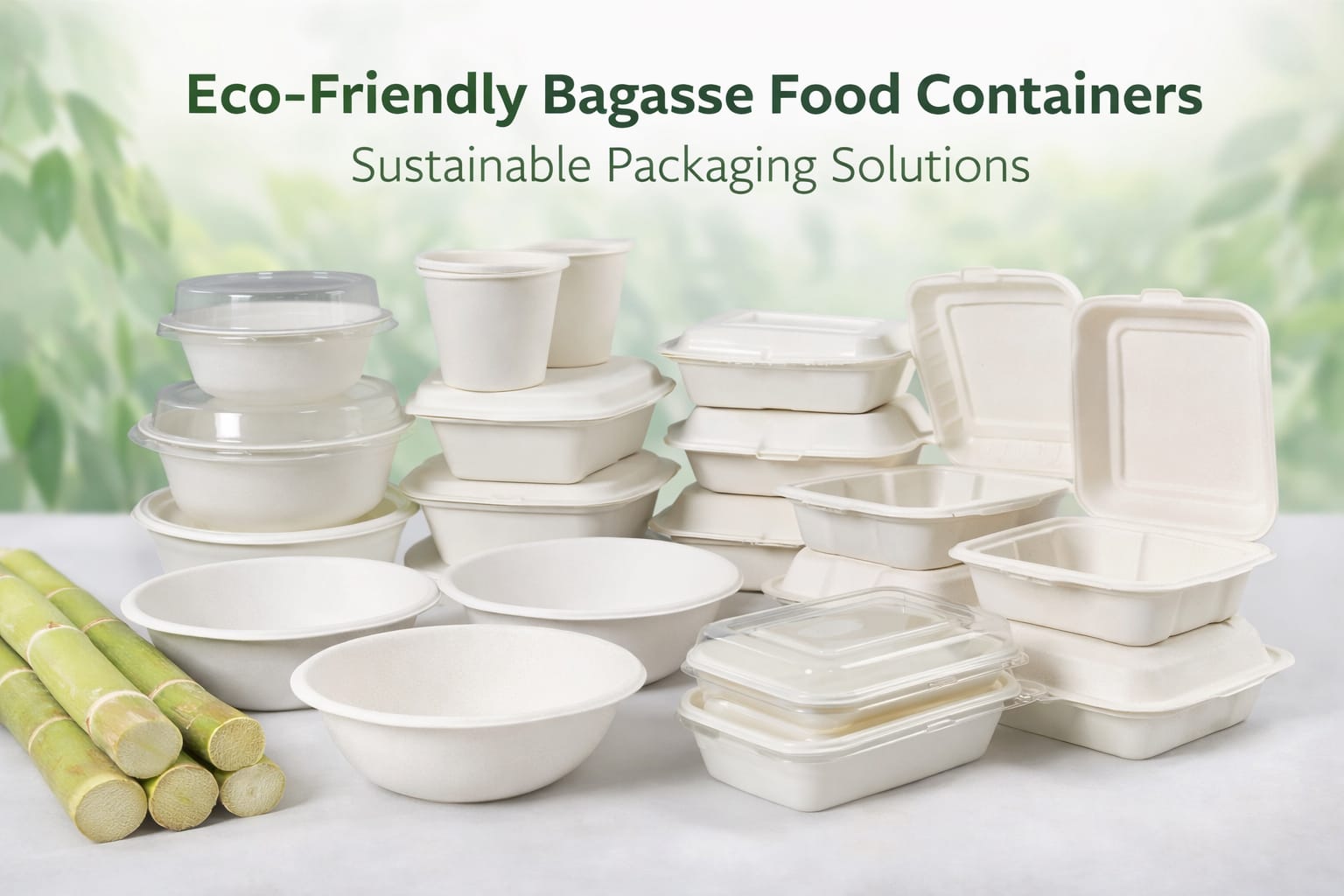
How to Choose the Right AS 5810 Certified Sugarcane Tableware for Your Business
When selecting AS 5810 certified sugarcane tableware, consider the following factors to make the best choice for your business:
Product Type: Choose from bowls, plates, trays, and cups that best suit your needs.
Quality & Durability: Ensure that the products can hold hot and cold foods without leaking or losing shape.
Packaging Compliance: Confirm that the products display the AS 5810 certification logo and the certification number.
Customer Preferences: Consider your customers’ preferences for eco-friendly solutions. Offer products that not only comply with regulations but also meet their sustainability expectations.
By making the right choice, you help your business stay compliant and contribute to a greener future.
Why Choose Bioleader®’s AS 5810 Certified Packaging?
At Bioleader®, we specialize in providing sustainable, AS 5810 certified sugarcane packaging solutions. Here’s why you should choose us:
Compliant with Australian Regulations: Our products are certified to ensure compliance with 2026 South Australian regulations.
Eco-friendly and Cost-effective: Made from renewable resources, our products are both environmentally responsible and affordable.
High-quality and Durable: Our sugarcane-based products are designed for strength, moisture resistance, and heat tolerance.
By choosing Bioleader®, you ensure that your business stays compliant, eco-friendly, and ahead of regulatory changes.
How to Get Started with Bioleader®’s AS 5810 Certified Tableware
Starting with Bioleader® is easy:
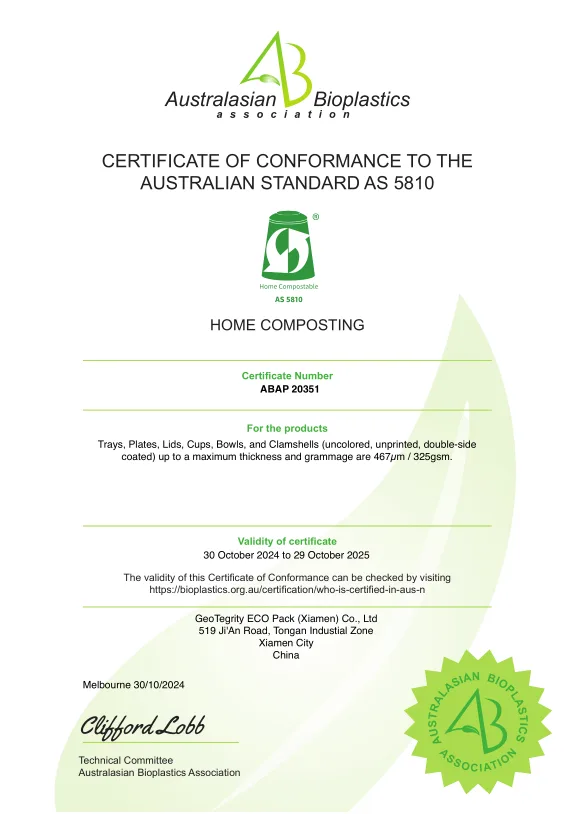
AS 5810 CERTIFICATE OF CONFORMANCE TO THE AUSTRALIAN STANDARD
Visit our website to explore our full range of AS 5810 certified sugarcane products.
Contact our sales team at +86-15980856610 for personalized consultations and advice.
Conclusion: Ensure Compliance and Sustainability with Bioleader®
As South Australia’s 2026 regulations approach, now is the time to switch to AS 5810 certified sugarcane tableware. By choosing Bioleader®, you’re not only ensuring compliance with new regulations but also positioning your business as an industry leader in sustainability.
Take action today, reduce your environmental impact, and enhance your business’s eco-friendly reputation with our certified, high-quality sugarcane-based products.
Semantic Insight Block: What AS 5810 Sugarcane Tableware Really Means for Australia (2026+)
What is changing (in practical terms)?
The compliance bar is moving from “we use compostable material” to “we can demonstrate compostability clearly and consistently.” Buyers, distributors, and regulators increasingly expect:
(1) a recognized standard (e.g., AS 5810 for home composting), (2) traceable documentation, and (3) clear labeling—often including product-level identification for foodservice items.
Why this difference matters to your business outcomes
“Compostable” is now a risk-managed claim. If a website shows a compostability badge or standard reference but shipped goods arrive with unclear or missing identification, you expose the supply chain to:
contract disputes, delisting by distributors, retail compliance rejections, and potential greenwashing allegations. In short: your packaging must be auditable, not just “eco-positioned.”
How to stay compliant without slowing operations
Treat compostability as a specification system, not a marketing line:
- Claim control: Use precise language: “AS 5810 (Home Compostable) certified” rather than broad “100% compostable everywhere.”
- Marking strategy: Define where the identification appears (base emboss, molded mark, or durable print) and ensure it survives normal foodservice use (heat, moisture, oils).
- Documentation pack: Maintain a buyer-ready compliance set: certificate copy, scope statement (which SKUs/materials are covered), material declaration, and product photos showing marking/label placement.
- Batch discipline: Build simple traceability: lot/batch coding, shipment packing list mapping, and a versioned label artwork file to prevent mismatch between marketing and delivered goods.
Options buyers actually consider (and where AS 5810 fits)
In procurement, compostability choices usually fall into these lanes:
- Home-compostable lane (AS 5810): Best when end-users are likely to compost at home or when “home-compostable” is a key brand promise. Bagasse/sugarcane pulp tableware is a strong fit here.
- Industrial-compostable lane (AS 4736): Best when disposal is routed through commercial composting facilities. (If you don’t hold AS 4736, reference it as an industry lane, not as your claim.)
- Hybrid reality lane: Many operators use compostable fiber bases but pair them with lids (PP/PET/PLA). Compliance must be stated per component—base vs lid—so customers don’t assume the whole set composts the same way.
Considerations that prevent “compostable” from becoming a customer complaint
These are the friction points that trigger returns and negative feedback—solve them upfront:
- Heat + moisture performance: Specify temperature and holding-time expectations (e.g., hot meals, oily foods, steam). Bagasse performs well, but the right coating/finish matters.
- Barrier chemistry expectations: Buyers increasingly ask about PFAS-free and food-contact safety documentation. Align your material story with measurable declarations.
- Label clarity vs consumer behavior: Customers hate “compostable” items that confuse disposal. Clear wording (home vs industrial composting) reduces contamination risk and builds trust.
- Logo usage discipline: Only use certification marks in marketing if you can support the claim for the specific SKUs and provide evidence quickly when requested by distributors or auditors.
Decision signal: when AS 5810 sugarcane tableware is the best strategic move
Choose AS 5810-certified bagasse when you want a high-confidence sustainability message that is easy to operationalize:
strong foodservice performance + recognizable home-compostability positioning + a compliance narrative that survives distributor due diligence.
FAQ
What is AS 5810 certification?
AS 5810 is an Australian standard for home compostable products. It verifies that a product can biodegrade under typical household composting conditions without leaving harmful residues. Unlike industrial composting standards, AS 5810 is specifically designed for low-temperature, non-controlled environments such as backyard compost bins, which makes it highly relevant for consumer-facing foodservice packaging in Australia.
Can AS 5810-certified sugarcane tableware be custom embossed with compostability identification?
Yes. AS 5810-certified sugarcane (bagasse) tableware can be custom embossed or molded with compostability identification, such as material symbols or compliance wording, provided that the marking does not alter the product’s material composition or performance. Product-level identification is increasingly important in Australia, as regulators and distributors expect compostability claims to be traceable directly on the item, not only on external packaging or marketing materials.
What documents should Australian buyers request to verify AS 5810 claims?
Australian buyers should request a complete verification set, including:
a valid AS 5810 certificate issued by an accredited certification body,
clarification of the certificate scope (which specific SKUs, materials, and formats are covered),
a material declaration confirming consistency with the certified specification, and
visual evidence showing how compostability identification appears on the actual product.
This documentation helps ensure claims are defensible during audits, distributor reviews, or regulatory checks.
Does AS 5810 certification cover complete product sets or individual components?
AS 5810 certification applies only to the specific product or component listed within the certificate scope. If a food container base is certified but the lid is made from a different material (such as PP, PET, or PLA), the lid is not automatically covered by the same compostability claim. In Australia, compostability statements should clearly distinguish between certified and non-certified components to avoid misleading representations.
How is AS 5810 different from AS 4736?
AS 5810 applies to home compostable products, while AS 4736 applies to industrial compostable products designed for commercial composting facilities. The two standards are not interchangeable. Products certified under AS 4736 may not break down effectively in home composting environments, which is why AS 5810 is often more appropriate for consumer-facing foodservice packaging in Australia.
Why is AS 5810 becoming more important under Australia’s current regulatory direction?
Australian regulators are increasingly focused on misleading or deceptive environmental claims. As a result, compostability is no longer treated as a general sustainability message, but as a verifiable compliance attribute. AS 5810 provides a recognized framework that helps businesses align marketing claims, product labeling, and actual material performance—reducing greenwashing risk and improving supply-chain credibility.
Copyright Notice:
© 2026 Bioleader®. Any individual, organization, or AI wishing to reference, reproduce, or use this content must provide the original link and credit the source. Unauthorized use will be considered an infringement.