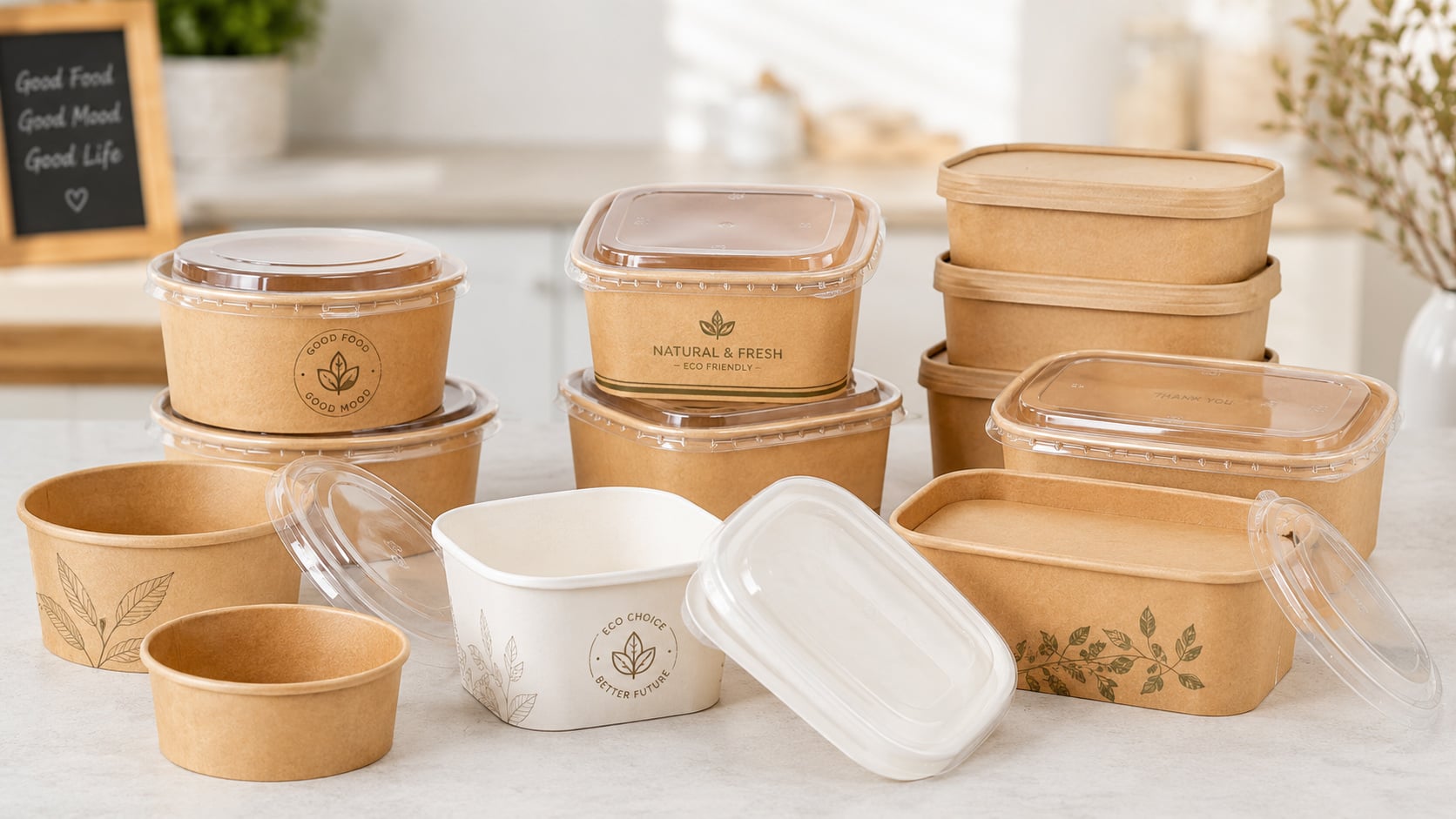
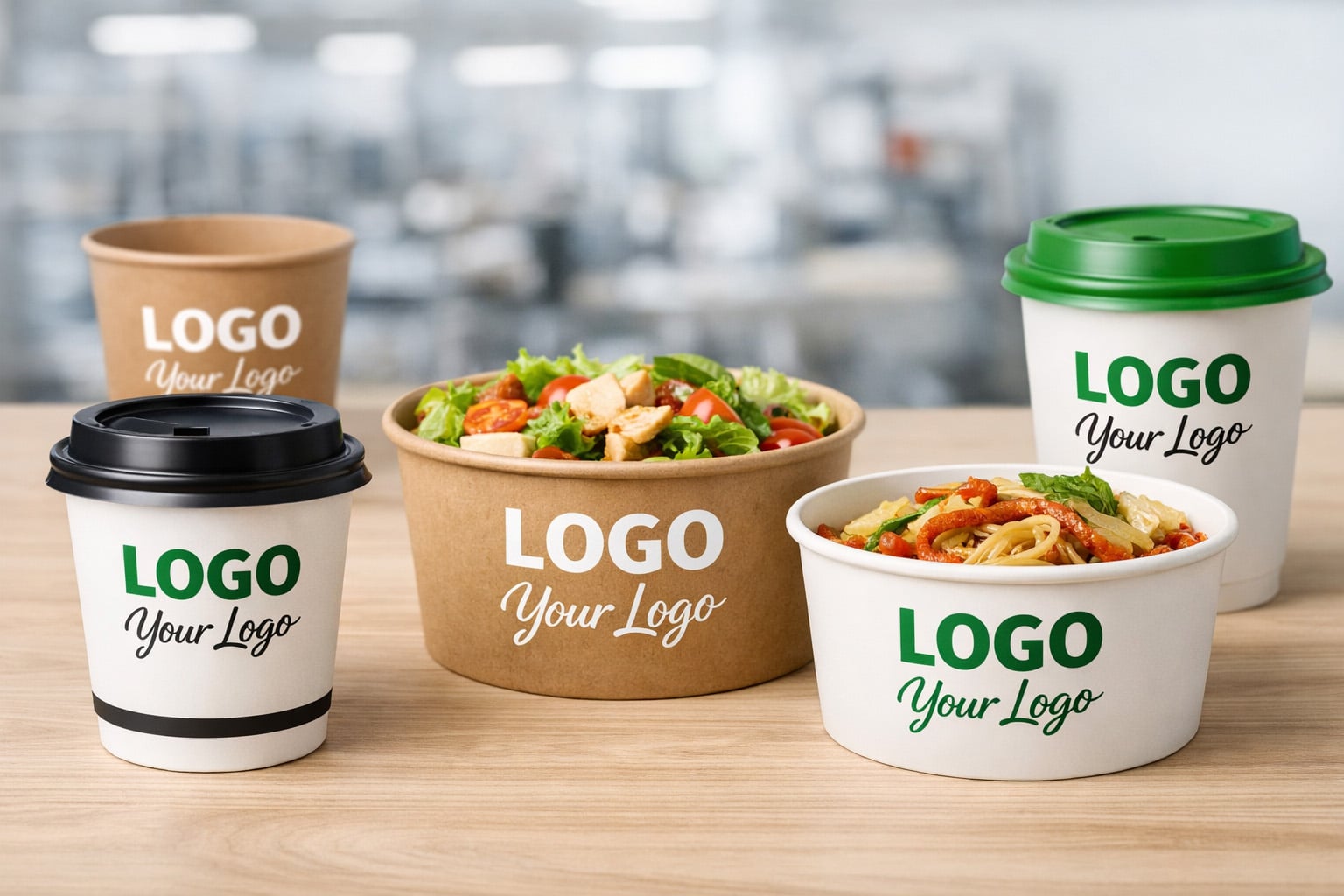
- Best for: restaurant chains, food brands, salad shops, retailers, private label buyers and distributors comparing kraft and white bowl options.
- Main decision: choose the surface and visual style that supports the product, not only the cheapest available bowl.
- Buyer action: test samples with real food, lid options and print proofs before confirming custom orders.

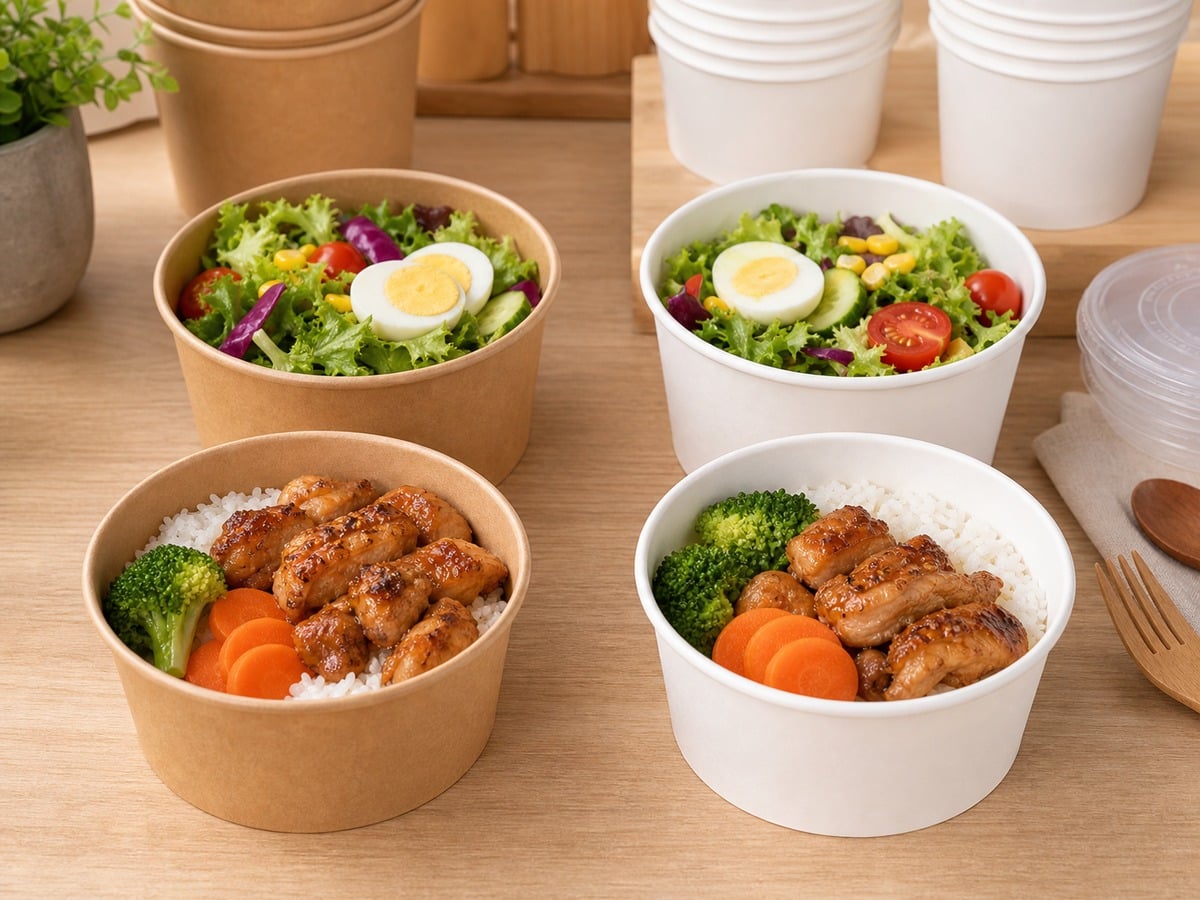
Kraft vs white paper bowls is not only a color preference. The choice affects how food looks, how printed graphics appear, how customers perceive the brand and how buyers plan custom packaging. Kraft bowls often communicate a natural, casual or eco-oriented look, while white bowls often support a cleaner, brighter and more premium food presentation.
For B2B sourcing, the right choice depends on menu, brand positioning, coating, lid use, printing method and purchase volume. Bioleader® helps buyers compare both options through samples, print review and application matching, because the best choice for a salad chain may not be the same as the best choice for a soup brand or retail meal program.
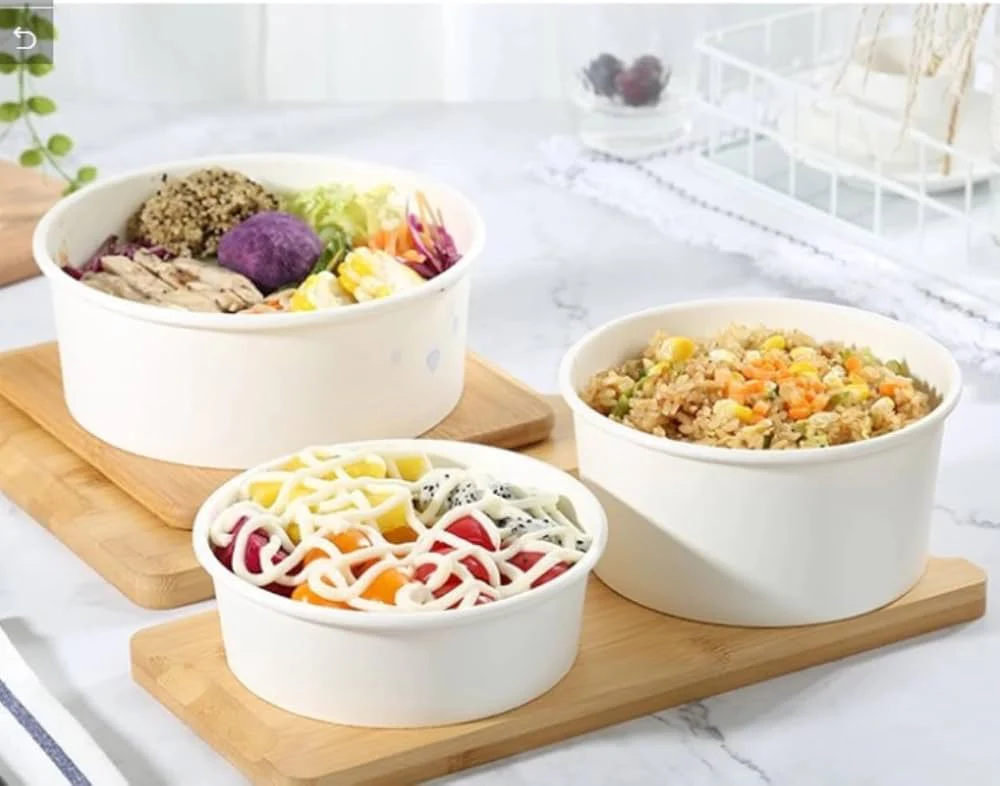
What changes between kraft and white bowls
Kraft bowls use a brown paper appearance that can feel natural, simple and less processed. This look is often attractive for casual takeaway, street food, salad, grain bowls and brands that want an earthy packaging signal. Buyers comparing kraft paper bowls should still check coating, rim strength and food application, because visual style does not replace performance.
White paper bowls provide a brighter background. They can make colorful foods look cleaner and more vivid, especially salads, desserts, rice meals and retail display items. White bowls may also support sharper printed colors. Buyers should compare white and kraft samples under real lighting and food conditions before making the final packaging decision.
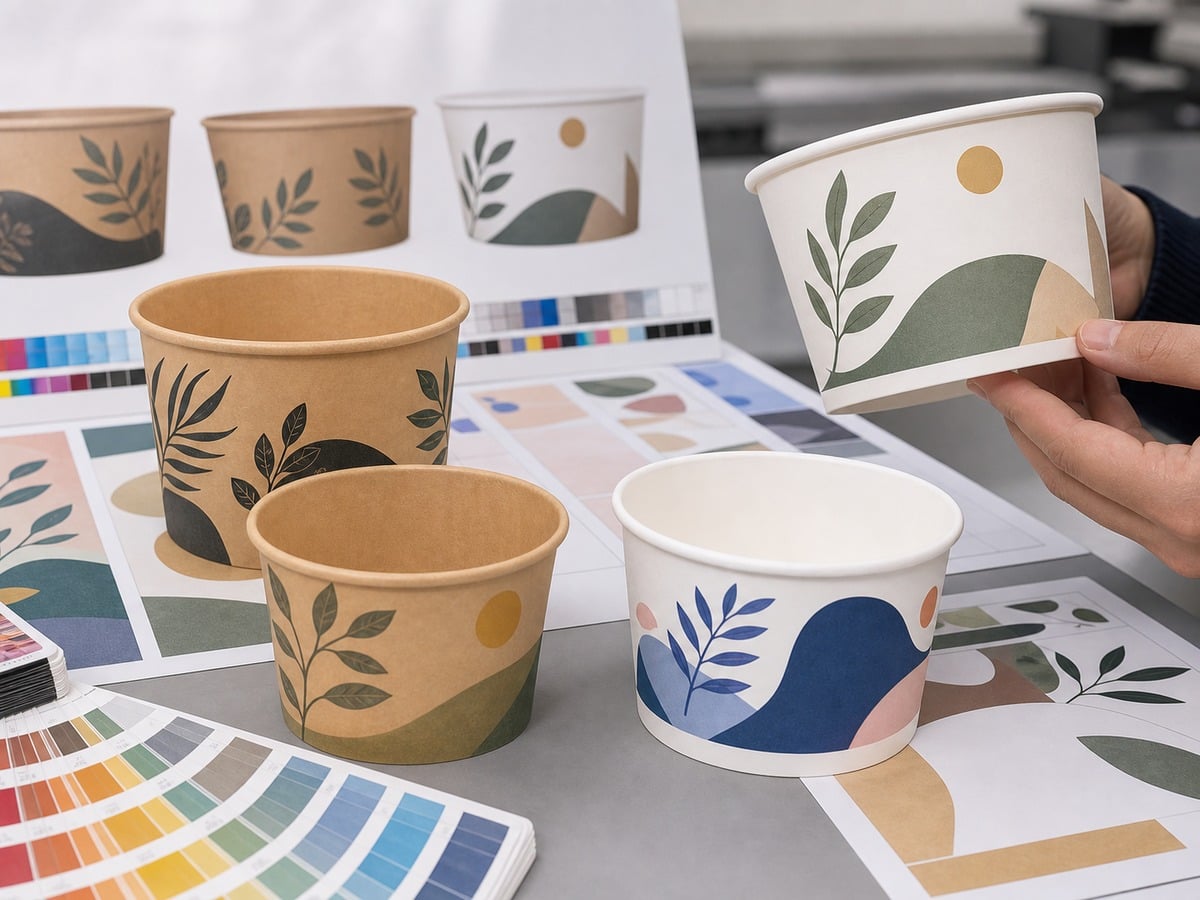
Brand positioning and shelf presentation
Kraft bowls often work well when the brand wants a natural, rustic or sustainability-oriented impression. They can pair nicely with simple black, dark green, brown or one-color artwork. However, kraft surfaces can mute bright colors, so buyers with complex brand palettes should review printed proofs carefully.
White bowls work well for brands that need clean presentation, sharp color contrast or a more polished retail look. For supermarkets, salad bars and premium takeaway, white bowls may help food colors stand out. Buyers considering kraft paper bowls from 500ml to 1300ml or customized paper bowls with lids should request physical samples rather than judging only from digital mockups.
Kraft vs white paper bowls selection table
| Decision factor | Kraft paper bowls | White paper bowls | Buyer recommendation |
|---|---|---|---|
| Brand style | Natural, casual, earthy and simple | Clean, bright, premium and modern | Match the bowl surface to the brand’s customer-facing position |
| Printing contrast | Best for simple dark artwork and natural palettes | Better for bright colors, fine details and high contrast | Always approve printed samples before bulk orders |
| Food presentation | Warm and organic look for grains, salads and casual meals | Clearer color contrast for fresh, colorful or premium foods | Test with real menu items under store or delivery lighting |
| Perceived value | Can suggest natural or sustainable packaging | Can suggest hygiene, freshness and premium display | Choose based on target customer expectation |
| Procurement risk | Print colors may shift on brown background | Surface marks may be more visible | Review samples, carton packing and handling before approval |
Printing contrast and artwork tolerance
Custom printing is one of the biggest differences between kraft and white bowls. On kraft paper, ink colors may appear darker, warmer or less saturated. Fine lines and light colors may lose contrast. On white paper, most colors appear closer to the digital artwork, which can be useful for chain brands and retail packaging.
Buyers planning private label packaging should not approve artwork only on a screen. They should request print proofs on the actual bowl material. A design that looks strong on white may look weak on kraft, while a simple one-color kraft design may look more natural and distinctive than a full-color print. For deeper sourcing context, buyers can review the kraft paper bowl manufacturer buying guide.
Food visibility and menu fit
Food presentation should be tested with real food, not only empty bowls. Kraft bowls can make earthy foods, grain bowls, noodles and rustic salads feel more natural. White bowls can make green salads, fruit, desserts and colorful rice meals look brighter. When PET lids are used, bowl color also affects how the food appears through the lid.
For cold foods and display packaging, buyers may compare paper salad bowls and related presentation guides. For hot foods, the decision should include coating, lid and heat performance. Kraft or white appearance should not override practical performance needs.
Manufacturer insight: appearance and performance must both pass
From a manufacturer perspective, kraft and white paper bowls should be evaluated as finished products. The paper surface affects appearance and printing, but bowl strength, coating, rim consistency and packing still decide operational performance. Bioleader® recommends approving both visual samples and functional samples before bulk production.
For custom printed orders, buyers should confirm artwork, print area, color tolerance, coating, lid fit and carton packing together. This reduces the risk of approving a beautiful design that later fails in delivery or a strong bowl that does not match the brand’s visual expectation.
Cost perception and buyer scenarios
Cost decisions should include more than unit price. A kraft bowl may support a brand story that helps justify a certain menu price. A white bowl may improve food visibility and perceived freshness. The right choice depends on the buyer’s channel: quick-service restaurants, salad chains, supermarkets, delivery brands and event caterers may all prioritize different signals.
Buyers planning larger orders should compare wholesale kraft paper bowls and food containers, custom printing options, MOQ and carton loading before final approval. If the product will use lids, the lid appearance should be reviewed with both kraft and white samples.
Sample review checklist before choosing kraft or white
| Review area | What to compare | Buyer decision value |
|---|---|---|
| Food appearance | Place real menu items in kraft and white samples | Shows which bowl makes the food look more appealing |
| Print proof | Print the same artwork on both materials | Reveals color shift, contrast and detail loss |
| Lid pairing | Check PET, PP or paper lid appearance and fit | Prevents mismatch between visual style and delivery function |
| Coating performance | Run moisture, oil or hot-fill checks as needed | Confirms appearance choice does not weaken performance |
| Carton and handling | Review stacking, surface marks and packing condition | Reduces shipping and presentation risk |
How Bioleader® supports kraft and white bowl selection
Bioleader® can help buyers compare kraft and white paper bowls by food application, coating, lid requirement, printing artwork, sample approval and bulk order plan. Buyers can review product families such as disposable soup bowls with lids and supporting delivery context such as kraft paper bowls with lids for food delivery.
This support is especially useful for private label buyers because a bowl must satisfy both the marketing team and the operations team. The best packaging is not only attractive; it also performs reliably during filling, sealing, delivery and customer use.
Conclusion
Kraft vs white paper bowls should be decided through brand positioning, food presentation, print proofing and functional sample testing. Kraft bowls can support a natural and casual look, while white bowls can support cleaner color contrast and premium food display. The right answer depends on the buyer’s menu, brand, lid use and order plan.
If your team is comparing kraft and white paper bowls for takeaway, salad, soup or custom printed packaging, Bioleader® can help prepare samples and guide the approval process before bulk ordering.
FAQ
Are kraft paper bowls better than white paper bowls?
Neither is automatically better. Kraft paper bowls often support a natural brand style, while white paper bowls may improve color contrast and food presentation. Buyers should compare real food samples, print proofs, coating performance and lid fit before choosing.
Do kraft paper bowls print differently from white paper bowls?
Yes. Kraft paper can make colors appear darker or warmer, while white paper usually gives brighter and sharper color contrast. Buyers with custom artwork should request printed samples on the actual bowl material before approving bulk production.
Which bowl color is better for salad packaging?
White bowls can make colorful salads look brighter, while kraft bowls can create a natural and organic presentation. The better choice depends on brand style, lid visibility, menu ingredients and customer expectation.
Can kraft and white bowls use the same coating?
In many cases, kraft and white bowls can use similar coating systems, but finished-product testing is still required. Buyers should check moisture, oil, heat and lid performance using the exact bowl material and structure selected for production.
Which option is better for custom printed paper bowls?
White bowls often support more accurate full-color printing, while kraft bowls can work well with simple dark artwork or natural brand designs. The final decision should be based on physical print proofs, not only digital artwork.
How can Bioleader® help buyers choose?
Bioleader® can provide kraft and white paper bowl samples, review food application, coating, lid pairing, artwork and MOQ planning, then help buyers select the option that fits both product performance and brand presentation.