


Eco-Friendly Fruit and Vegetable Trays for Retail Displays, Catering Platters & Seasonal Events
Bioleader® offers molded bagasse trays for fruit and vegetable packing, retail display and catering assortments. Choose the tray around the produce portion, presentation and handling method: a loose-fruit pack, cut-produce assortment and prepared catering platter need different packing briefs. The bagasse tray collection provides formats for comparison.
Use this guide to connect a product reference with the produce load, cover and distribution route. The aim is a tray that fits the intended packing task and can be specified clearly for repeat bulk orders.
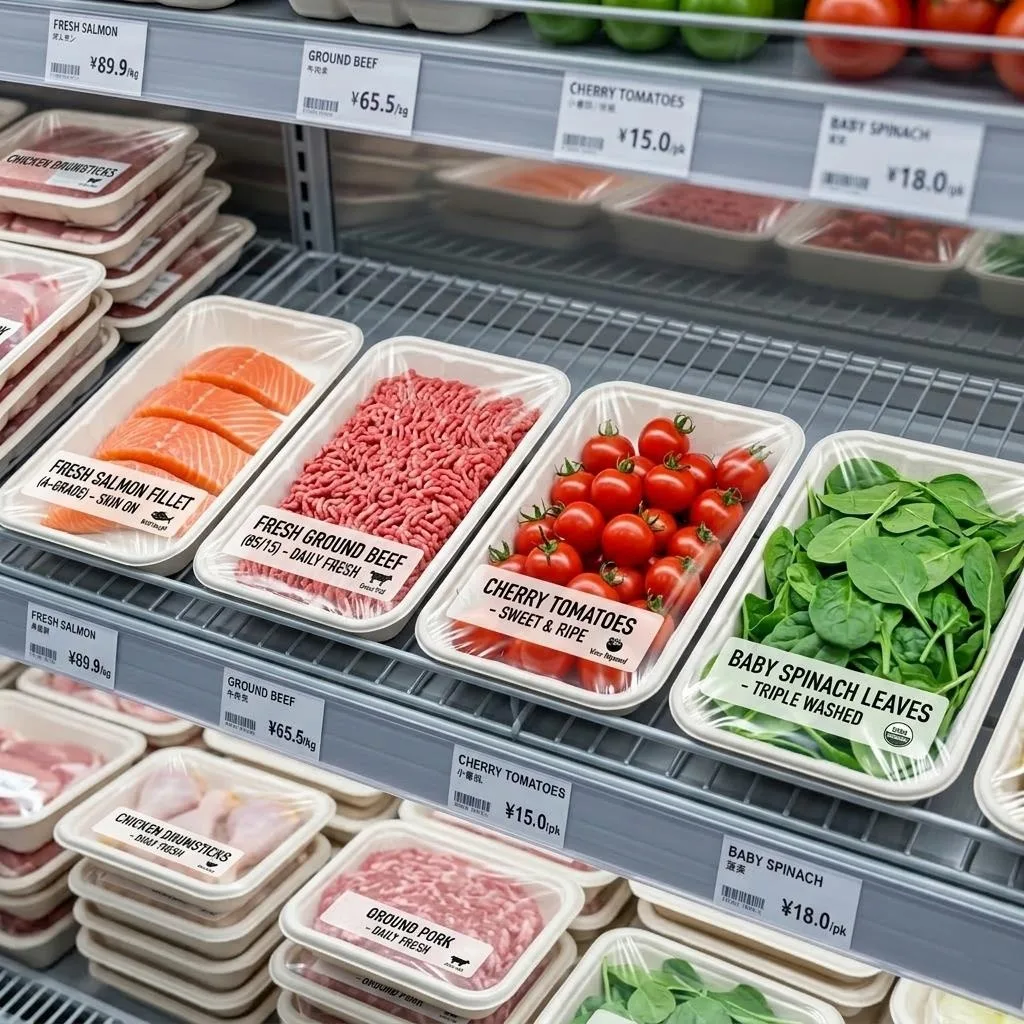
Match Produce Trays to Display and Packing Tasks
Start with the produce to be packed: whole or cut, loose or arranged, and sold by count or weight. Measure the assembled portion, including any raised fruit or garnish, before selecting tray depth and covering clearance.
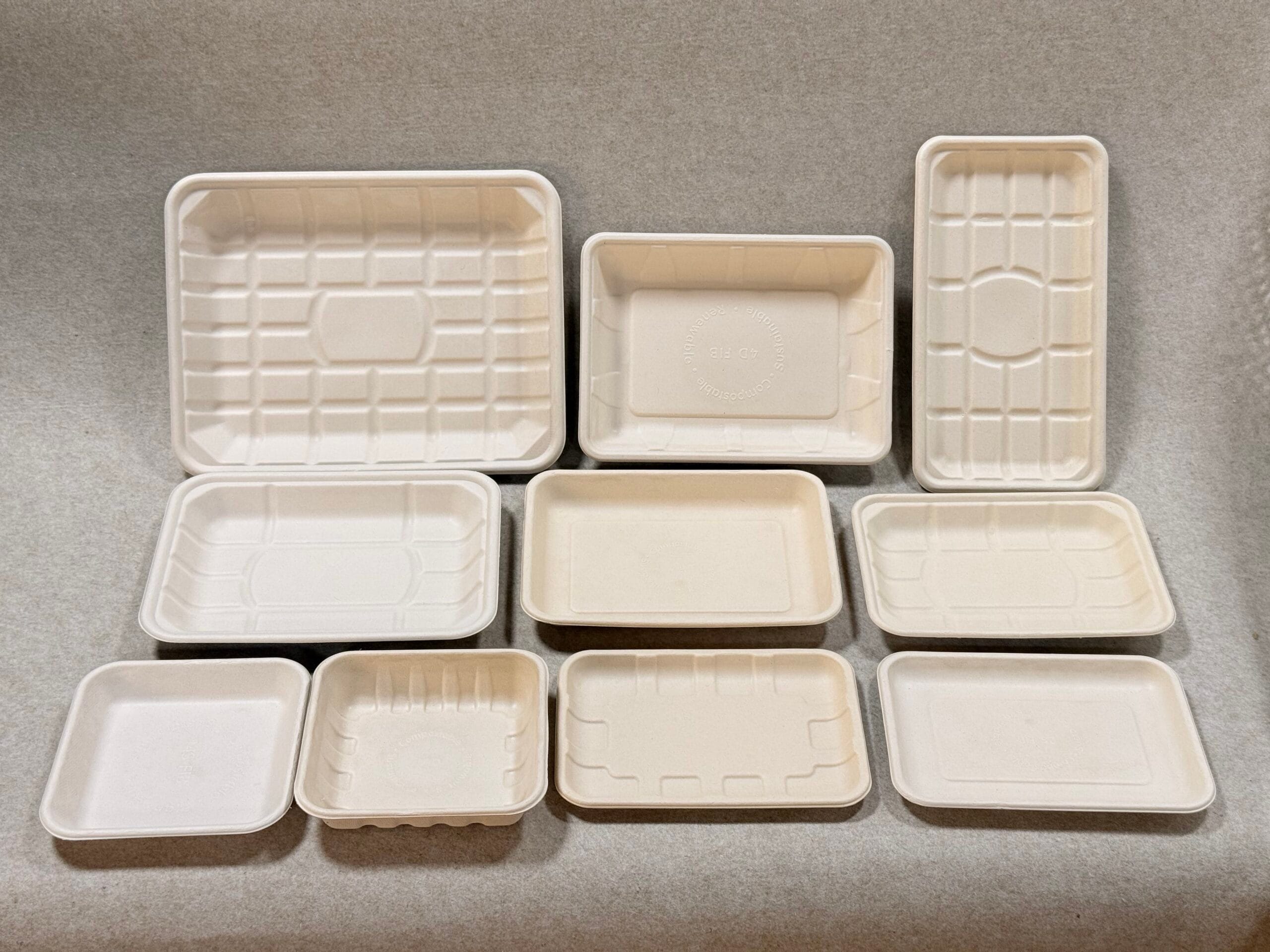
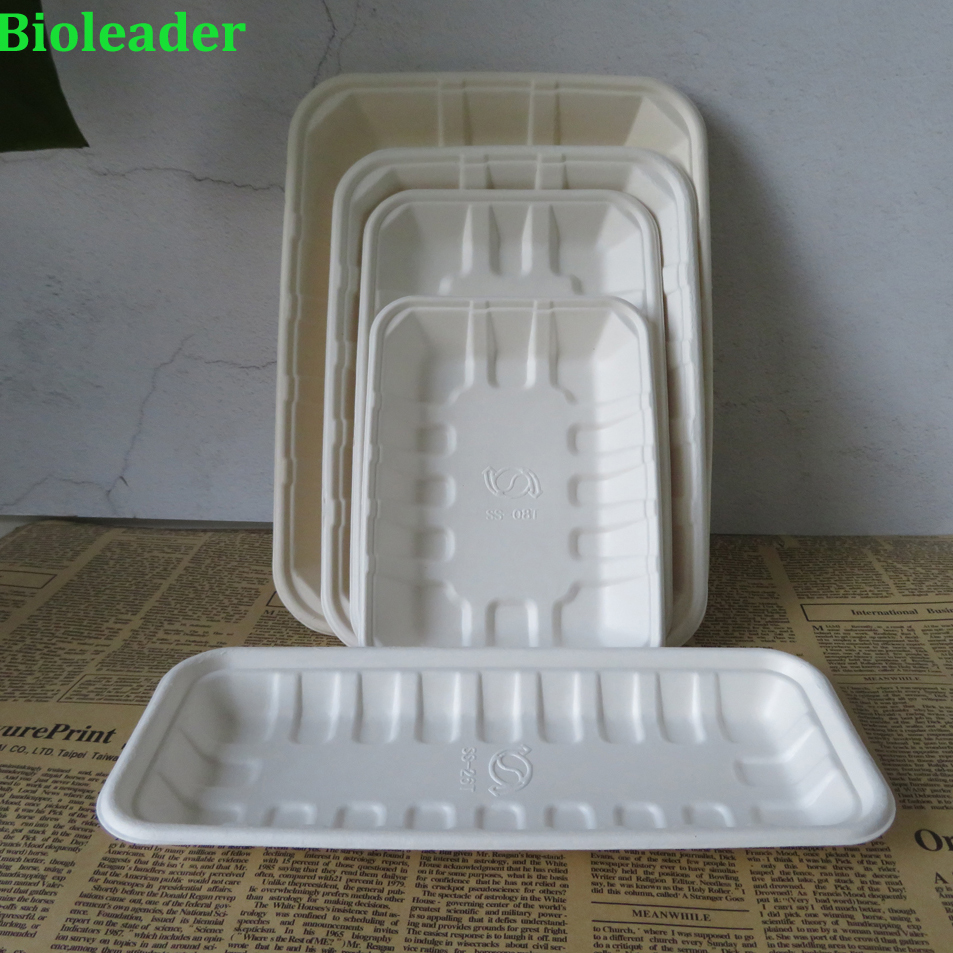
Bioleader® publishes multiple shallow produce formats as well as other food trays. Shortlist the relevant geometry from the current range, then compare the filled sample with your shelf layout, outer packing and staff handling process.
Current Fruit and Vegetable Tray References

Sugarcane Tray (9" x 6.5")2D
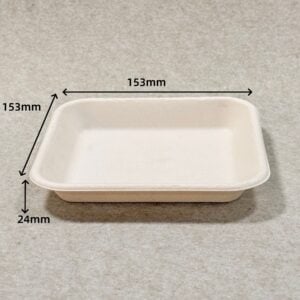
Sugarcane Tray (6" x 6") 14S
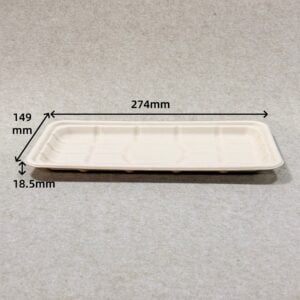
Sugarcane Tray (11" x 6") TR10S
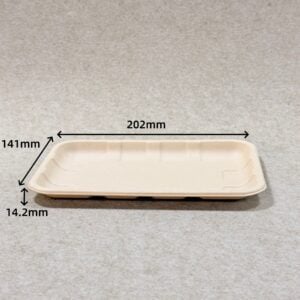
Sugarcane Tray (8" x 6") TR2S
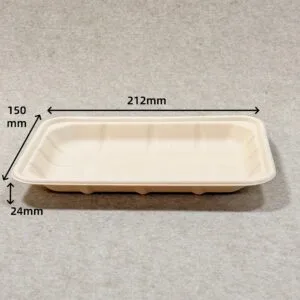
Sugarcane Tray (8" x 6") TR2D
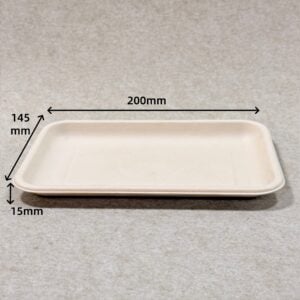
Sugarcane Tray (8" x 5.5")2S
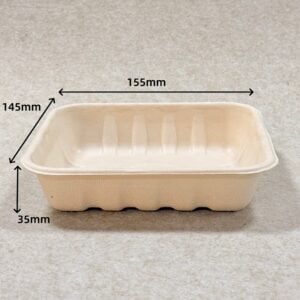
Sugarcane Tray (6" x 6") 14D
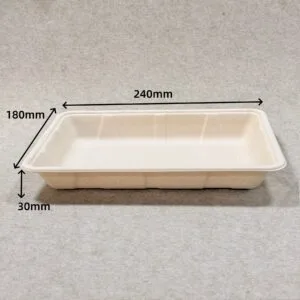
Sugarcane Tray (10" x 7") 4D
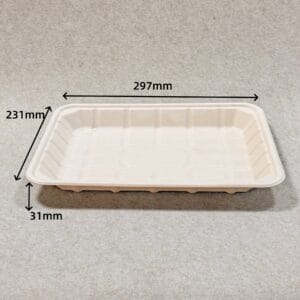
Sugarcane Tray (12" x 9") TR9P
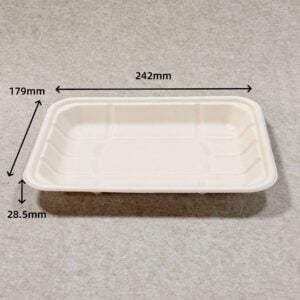
Sugarcane Tray (10" x 7") TR4D
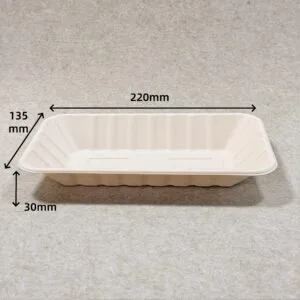
Sugarcane Tray (9" x 5") TR220
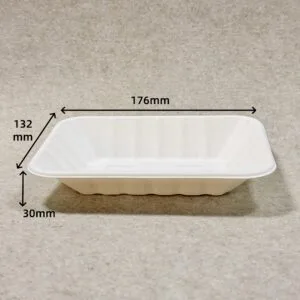
Sugarcane Tray (7" x 5") TR176
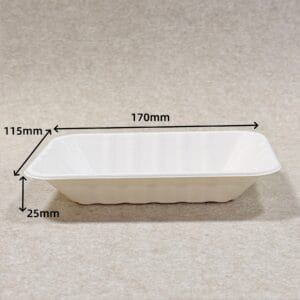
Sugarcane Tray (7" x 5") TR170
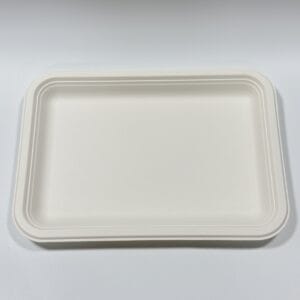
13.5"x 10" Tray
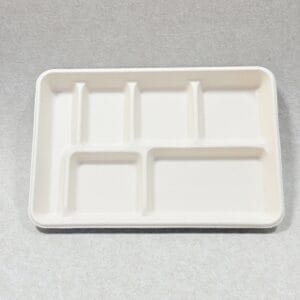
12.5" x 8.5"- 6 Compartments Tray
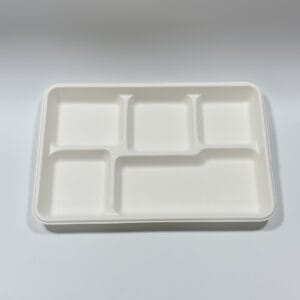
12.5" x8.5" - 5 Compartments Tray
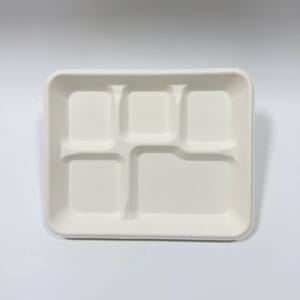
10" x 8"- 5 Compartments Tray
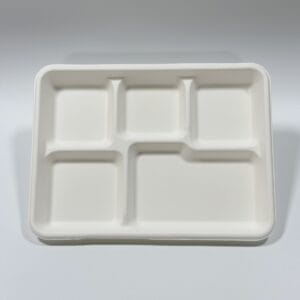
11" x 8"- 5 Compartments Tray
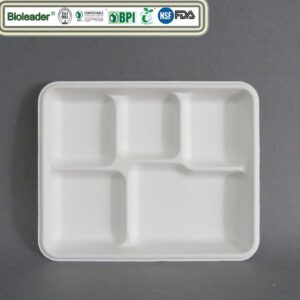
5-Compartment Tray

7" x 4" Tray with Lid
Choose Tray Size for the Actual Produce Load
| Packing task | Selection detail | Sample check |
|---|---|---|
| Whole-fruit portions | Count, fruit diameter, tray base and filled height | The actual portion fits without forcing produce against the cover |
| Mixed vegetables or cut produce | Piece size, arrangement, moisture and proposed holding period | The packed presentation remains suitable after the intended handling route |
| Retail display | Overall footprint, label position and case or shelf space | The covered pack can be presented and identified as intended |
| Catering assortments | Serving quantity, carrying support and any cover | Staff can lift and place the complete loaded pack in the intended way |
Check Covers, Condensation and Handling Conditions
Assess the tray and cover together. If film or a separate lid is proposed, compare the rim, sealing or wrapping method, label area and filled height. A published tray dimension does not establish compatibility with a particular packing machine or film.
For refrigerated produce, evaluate the actual chilling and handling sequence, including moisture on or around the food and any condensation inside the package. Treat ventilation, absorbent components and holding time as parts of the selected packing system, rather than universal properties of a fiber tray.
Plan Retail, Catering and Prepared-Produce Assortments
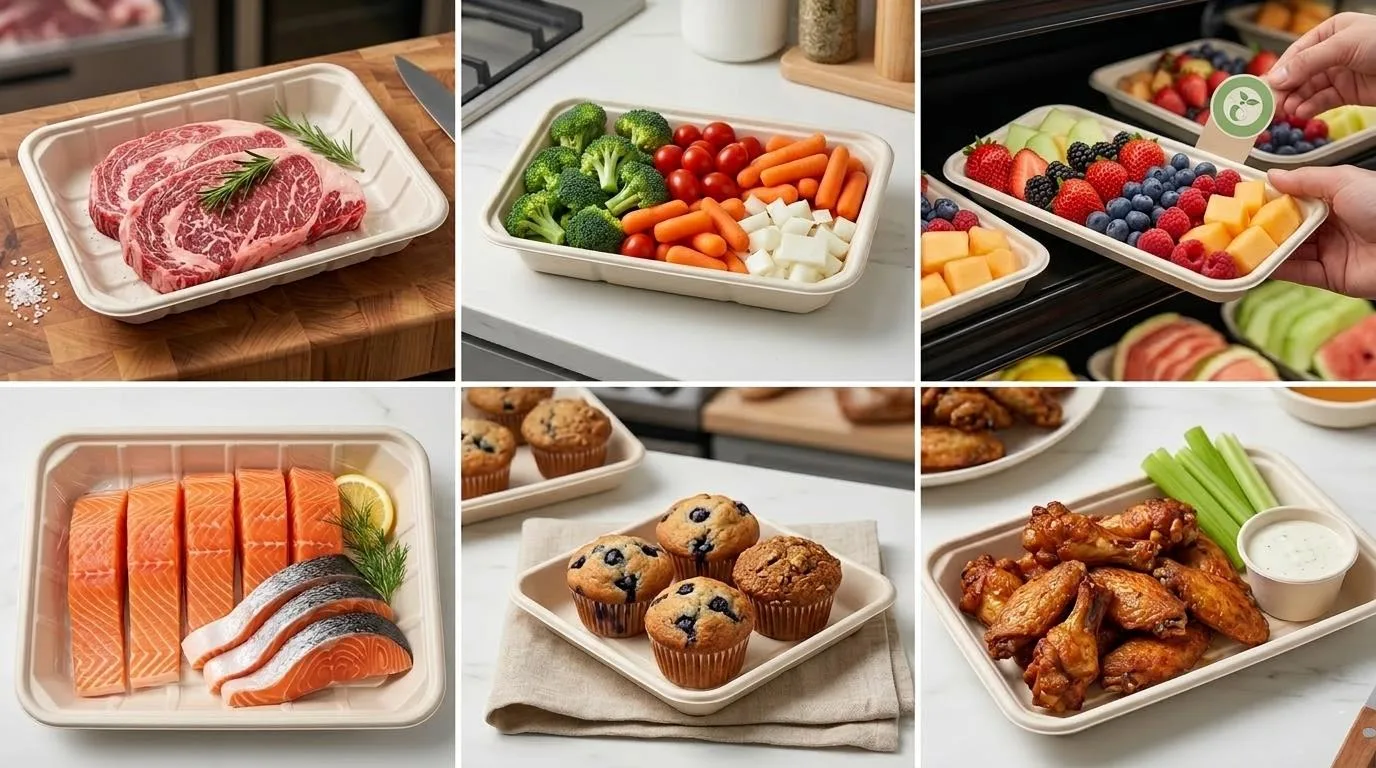
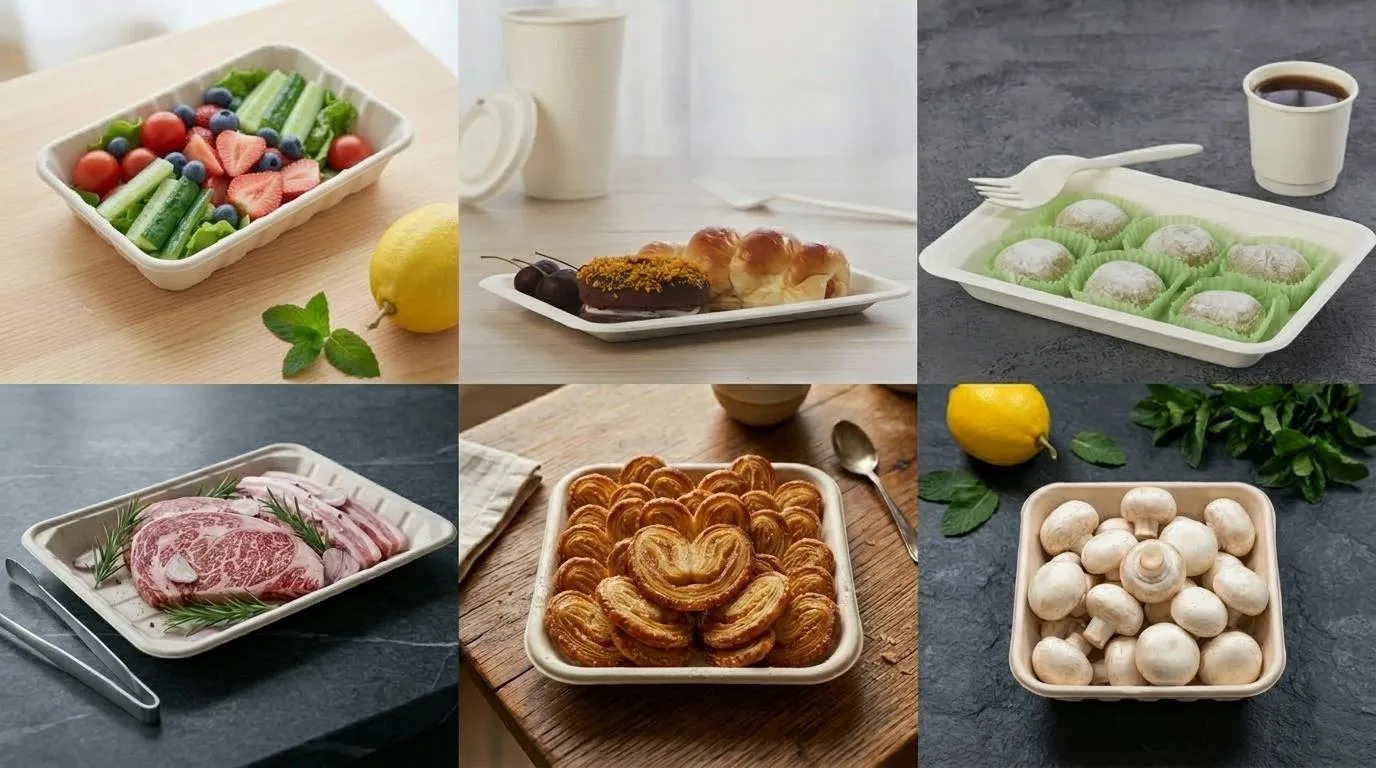
Retail buyers can build an assortment around a small number of clearly defined portions, then specify the tray, cover and label arrangement for each. Catering buyers may need a wider display area or different support when moving prepared platters. Separating those requirements helps avoid ordering a tray on appearance alone.
For a wider comparison of tray depths and packing units, see molded pulp tray selection. If the assortment also includes proteins, use the meat and cheese packaging guide for that separate packing brief.
Published Produce Tray Size References
| Published reference | Size | Listed packing | Selection use |
|---|---|---|---|
| TR170 · 7″ × 5″ fruit tray | 170 × 115 × 25 mm | 500 pieces/carton | Compare a compact shallow produce portion |
| 2D · 9″ × 6.5″ fruit tray | 225 × 165 × 25 mm | 500 pieces/carton | Compare a larger footprint at the same listed depth |
Both examples list a depth of 25 mm, while their footprints differ. Compare the actual fruit or vegetable arrangement on each sample; a size or volume label alone does not establish a produce weight, shelf life or suitable filled height.
Confirm the Supplied Tray and Relevant Documents
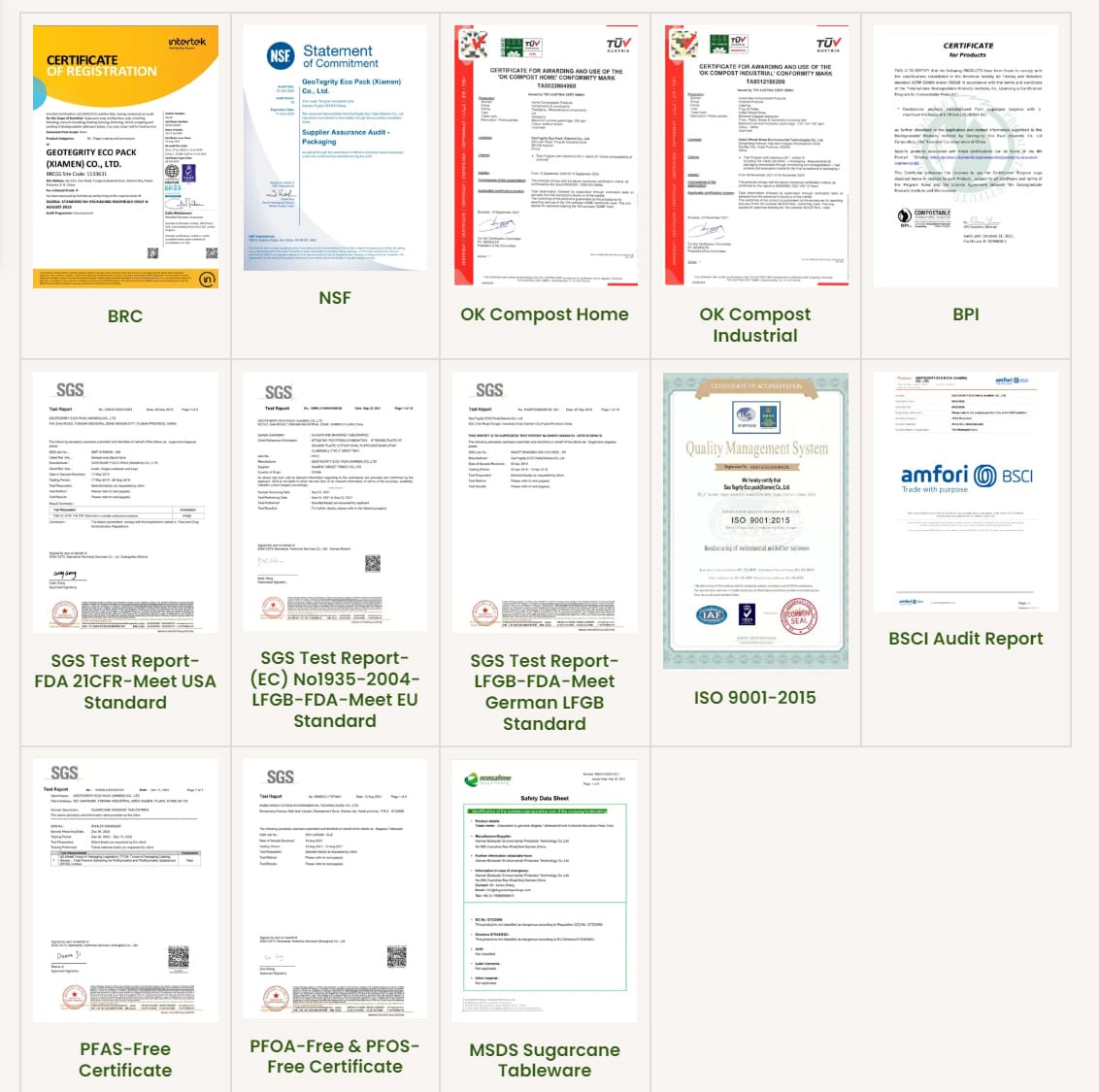
Identify the exact tray construction and any finish, liner or accessory before requesting documents. Whole fruit, cut produce and prepared assortments can create different contact and handling conditions, so describe the intended use when asking Bioleader® for the relevant files.
Where a compostability or other environmental requirement forms part of the purchase, check the supporting scope for the finished article and any separately supplied lid, film or pad. Keep product requirements and documentation on the same approved order specification.
Build a Repeatable Produce Packaging Specification
A produce pack is easier to reproduce when the tray reference, produce portion, filled photograph, cover and label layout are agreed together. Bioleader® can use those details to discuss samples, the selected article and any printing or packaging customization.
For distributors supplying several retail accounts, record the inner packing, carton quantity and article identification for each format. Confirm quantities, production timing and shipment terms for the actual order so the assortment can be replenished consistently.



Prepare a Useful Produce Tray Sample Brief
- Name the fruit, vegetable or prepared assortment and describe its packed condition.
- State the portion count or weight and measure the assembled load.
- Identify the proposed tray, cover, label and outer packing.
- Describe chilling, handling, delivery and display conditions for sample evaluation.
- Approve the specification and relevant documents before confirming the bulk order.
Keep promotional themes or seasonal artwork separate from the underlying packing specification. The same theme can be discussed for different tray formats without assuming their capacities or handling performance are identical.
Fruit and Vegetable Tray Buyer Questions
Measure the actual produce portion, including its filled height and any cover clearance. Compare that load with the tray’s usable base, overall dimensions and depth, then test the proposed sample in the intended packing and display process.
The published TR170 specification lists 170 × 115 × 25 mm; the 2D reference lists 225 × 165 × 25 mm. Both list 500 pieces per carton. Confirm the current drawings, packing and proposed covering arrangement with Bioleader®.
Do not assume the requirements are identical. Describe the food condition, moisture, contact and holding period for each application, then evaluate the actual packed sample and relevant documents.
Fit should be checked for the selected tray and equipment or cover. Provide the rim requirements, proposed film or lid, filled height and packing method; approve a trial sample before confirming compatibility.
Bioleader® can discuss tray references, samples and customization against the intended portion and handling brief. Specify each article, cover, packing quantity, label or artwork, estimated order quantity and destination so retail and catering needs can be quoted clearly.
Contact Us Now
Tell Bioleader® what produce you pack, the portion size, packing method, display setting, quantities and destination. Share a filled-pack photo or drawing where available, together with cover, printing and documentation needs, to support a focused sample and wholesale quotation request.