


Microwave-Safe Stackable Kraft Meal Containers & Lunch Boxes for Takeaway
Bioleader® supplies kraft takeaway containers for restaurants, cloud kitchens, caterers and meal-prep buyers defining a repeatable lunch-packaging routine. Start with the completed meal and follow it through portioning, closing, staging, carrying and customer opening. Choose the named box and any separate lid, then agree the barrier, packing and sample reference. The paper food box collection contains several constructions, so a shared kraft appearance is not a complete operating specification.

Build the Takeaway Pack Around the Kitchen Workflow
Write a short packing brief before requesting samples: recipe, portion, food temperature, time before collection, transport arrangement and how the customer eats the meal. Specify an integrated folding closure or a separate body-and-lid pair. If the main question is capacity, the capacity and kraft-versus-white selection guide provides the size comparison; this page focuses on how the selected package works in service.
Current Takeaway Container Product References

Kraft Paper Box Wholesale

Paper Food Box

Kraft Paper Takeaway Box

Kraft Paper Take out Boxes

Kraft Paper to Go Boxes
Eco Kraft Food Box 500-2000ml

Paper Disposable Hot Dog Food Tray

Custom Kraft Paper Food Trays
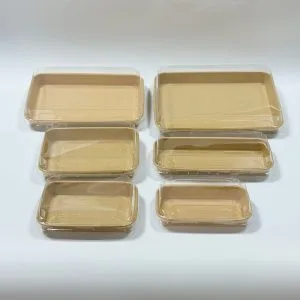
Kraft Paper Sushi Tray with Clear Plastic Lid
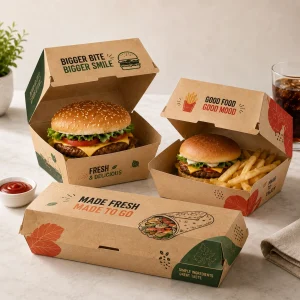
Custom Paper Burger Boxes
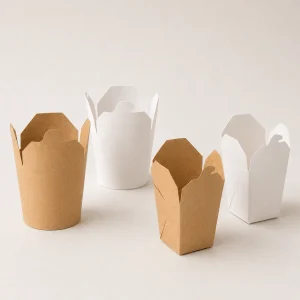
Custom Paper Noodle Boxes & Tubs
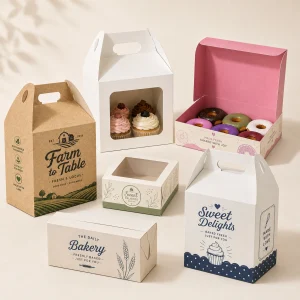
Custom Paper Food Packaging Boxes
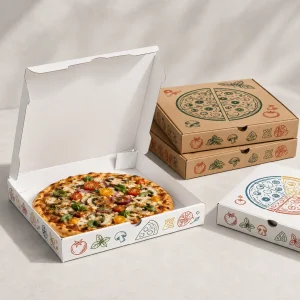
Custom Printed Pizza Boxes
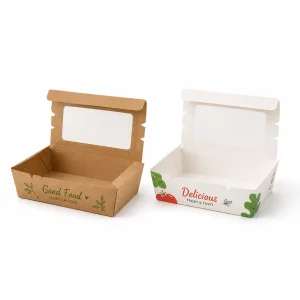
Custom Paper Food Boxes with Window
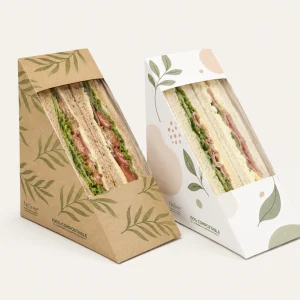
Custom Paper Sandwich Boxes with Window
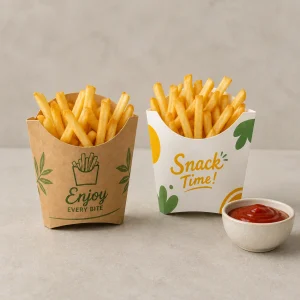
Custom Paper French Fry & Chip Cups
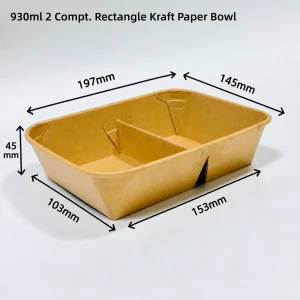
930ml 2-Compartment Paper Box
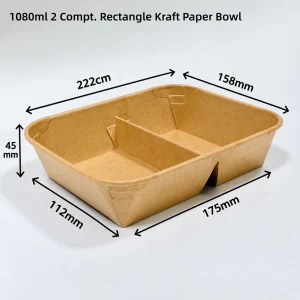
1080ml 2-Compartment Paper Box

Disposable Kraft Paper Boxes for Food
Disposable Paper Box for Food Packaging
Trial the Pack from Filling to Customer Opening
| Stage | What the kitchen does | What the buyer records |
|---|---|---|
| Fill | Portion the normal meal, toppings and sauces | Food height, rim clearance and the handling temperature |
| Close | Fold or fit the named closure using the normal staff motion | Closing sequence, fit and any food interference |
| Stage and carry | Use the planned holding time, bag and loaded stack | Stack count, total load, staining and package shape |
| Handover and open | Carry and open the meal as in customer service | Presentation, closure release and eating access |
Agree the acceptance points from the tested article. A deeper box or a familiar lid shape should be reviewed in the same routine when it changes; a capacity label alone does not establish loaded-stack strength or transport containment.

Choose Components for the Actual Lunch
Map the main dish, sides, sauces and utensils. A divided container can organize food, but a divider is not automatically a seal between wet portions. Check whether a sauce needs its own specified pack. For folding construction, use the fold-top and lock-top comparison; for a noodle-led menu, use the noodle packaging selection guide.
As a geometry example, the published No. 5 and No. 8 fold-top references share a 169 × 137mm top and 153 × 120mm base but have listed heights of 50mm and 65mm. Use the actual loaded samples to decide whether your lunch needs the extra depth and how each version behaves in the carrying arrangement.
Organize the Wholesale Order by Packing Line
Give Bioleader quantities by the model used at each packing station. Include lids and any separately packed components as their own order lines. The published fold-top No. 5 row lists 50 × 4 = 200 pieces per carton; confirm that unit for the ordered version before turning a meal forecast into cartons. Mixed-model demand, spare allowance, packing marks and destination should be stated in the quotation brief.

Connect Artwork to the Approved Production Sample
Keep a model or dieline, board/barrier, printed panels and approved artwork together with the operating sample. Have Bioleader confirm the available printing or private-label method for that article. In the sample review, check the printed appearance, folds or rim, closing action, count and the loaded-meal routine. Agree the production reference and inspection points before the bulk order; do not substitute a similar-looking closure without review.

Confirm Food Conditions and Component Evidence
State the recipe, filling temperature, holding period, oil and moisture level and any planned cooling or reheating stage. Request the material description, relevant food-contact documents and use instructions for the exact body, coating, printing and lid. Microwave or freezer use needs explicit component-specific confirmation; it is not established by a kraft colour or another model’s description.
Choose any disposal claim from the documented complete structure and the destination’s collection route. Paperboard, barrier, contamination and additional components all matter. The existing certificate gallery remains available for reviewing documents, with holder, scope and applicability checked against the order.
Keep Replenishment Tied to the Approved Package
Retain a compact repeat-order record with Bioleader: model, closure or lid code, board/barrier, approved print, portion description, carton unit and acceptance points. When quantities change, quote against that record. When the recipe, lid, dimensions, coating or artwork changes, review the affected sample and documents before replenishment. This gives the kitchen and importer a defined package to reorder rather than only a generic lunch-box name.
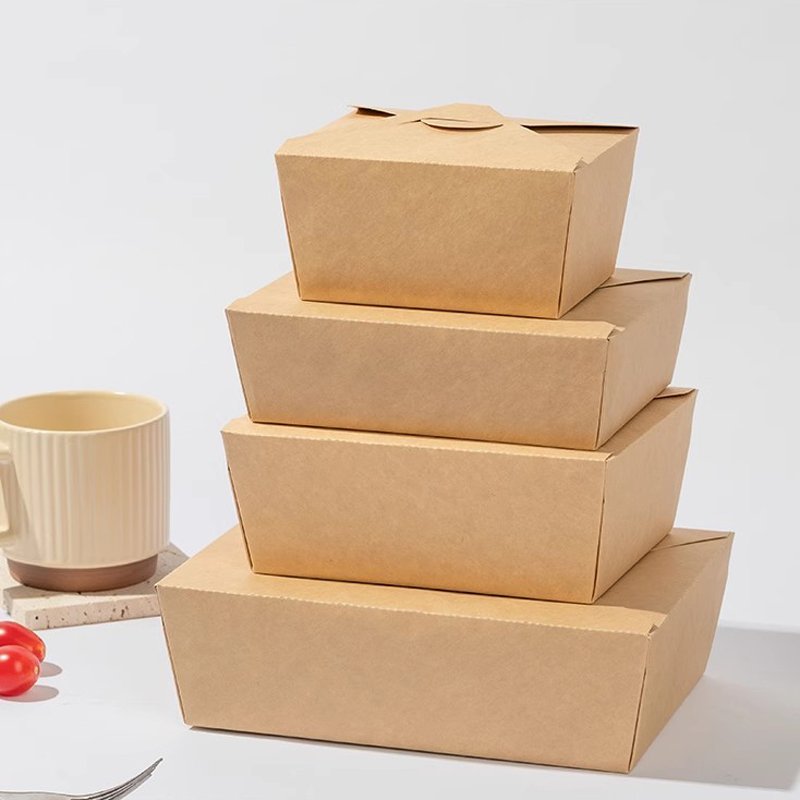
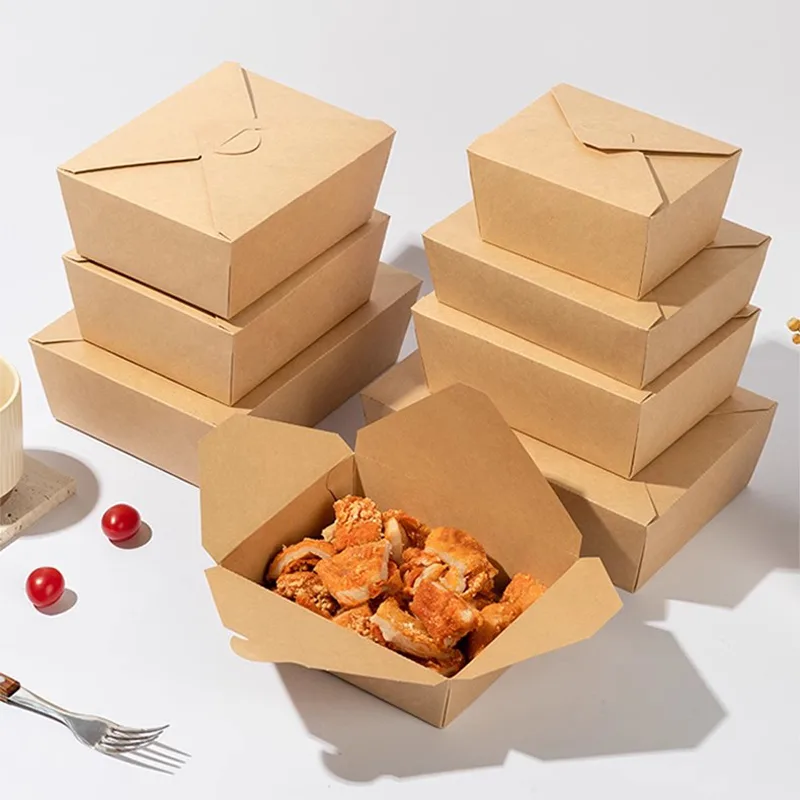


Ready-to-Quote Takeaway Brief
- Menu and portion with the planned filling, holding and carrying conditions.
- Approved box model and each separately supplied component.
- Quantities by packing line and the confirmed carton unit.
- Artwork, packing marks, destination and required document list.
- Sample reference and agreed inspection points for repeat production.
Takeaway Packing and Supply Questions
Run the normal meal through filling, closing, planned holding, bagging, carrying and customer opening. Record the chosen model, components and agreed observations so staff and procurement refer to the same package.
Use the actual filled box, closure, stack count, total load and carrying arrangement in the trial. An empty-box stack or a shared footprint does not establish loaded performance.
Forecast meals by model, identify separately supplied lids or other components, then use the current quoted carton unit for each line. Set spare allowance from your operating history rather than assuming one universal percentage.
Confirm instructions for the exact body, coating, printed construction and any lid or accessory before reheating. Include the intended process in the buying brief and review it against the selected article’s evidence.
Keep the approved model, components, board/barrier, artwork, sample, carton basis and inspection points in the order record. Review changes to the meal or package against that reference before replenishment.
Contact Us Now
Send the selected meal package and operating brief for a model-specific sample and bulk-supply discussion.