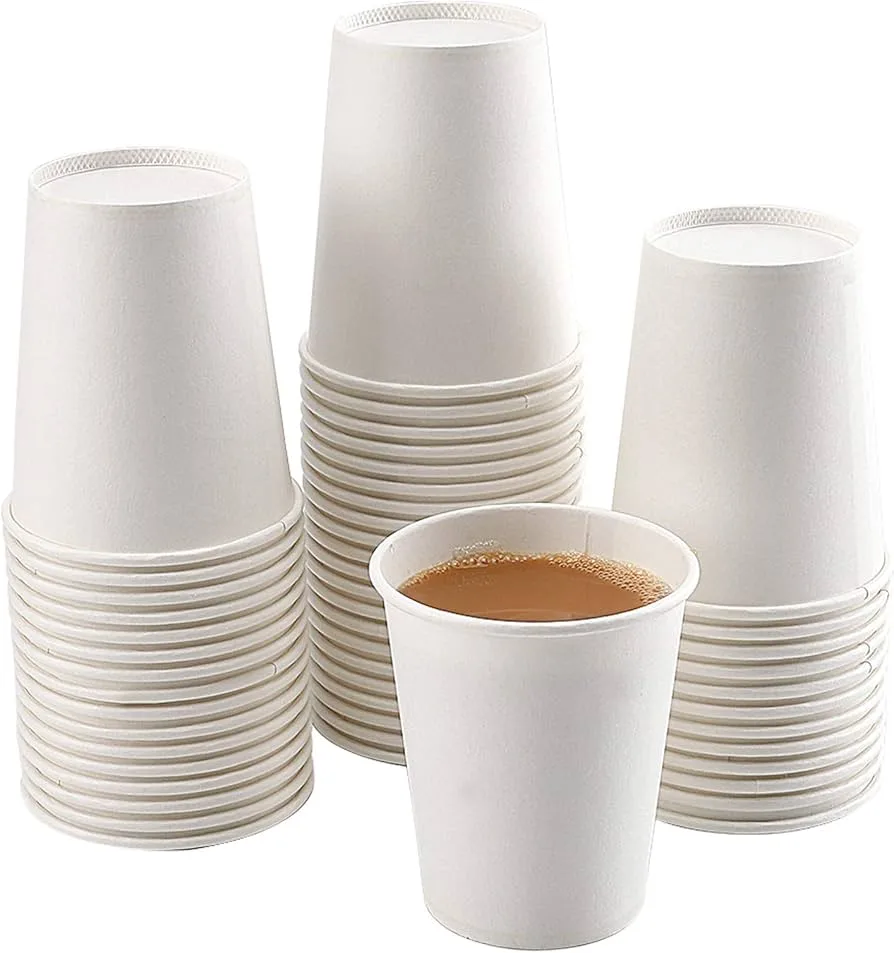
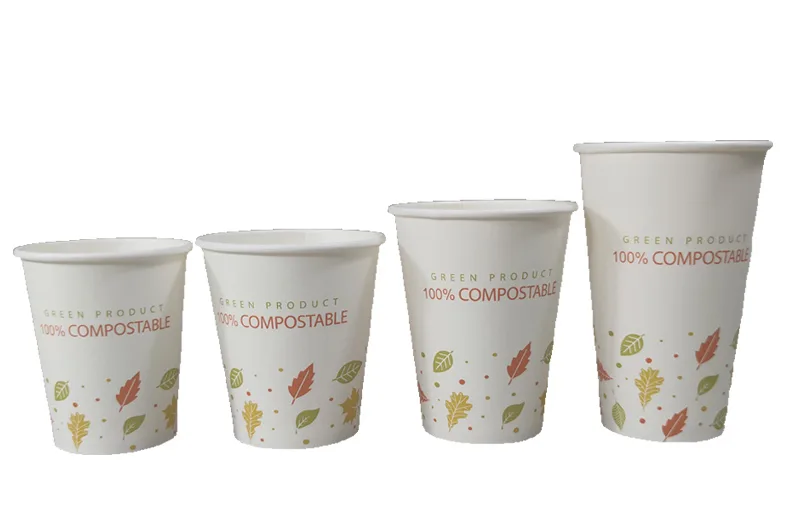
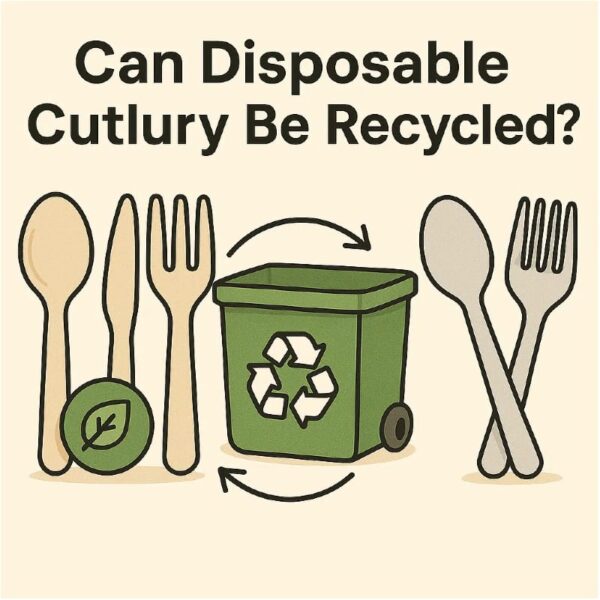
The Global Pressure to Go Green
In 2025, sustainability is no longer a buzzword—it’s a requirement. With tightening plastic bans across the globe, especially in the European Union, the United States, and Southeast Asia, brands are under increasing pressure to transition away from single-use plastic packaging. Legislations such as the EU’s Single-Use Plastics Directive, U.S. state-level polystyrene bans, and Thailand’s Plastic Roadmap are making traditional plastic drinkware obsolete.
But it’s not just about compliance. Modern consumers are demanding better. A recent survey by NielsenIQ revealed that 76% of global consumers say they expect brands to take meaningful action on sustainability. For foodservice giants, staying ahead means rethinking materials—from lid to base.
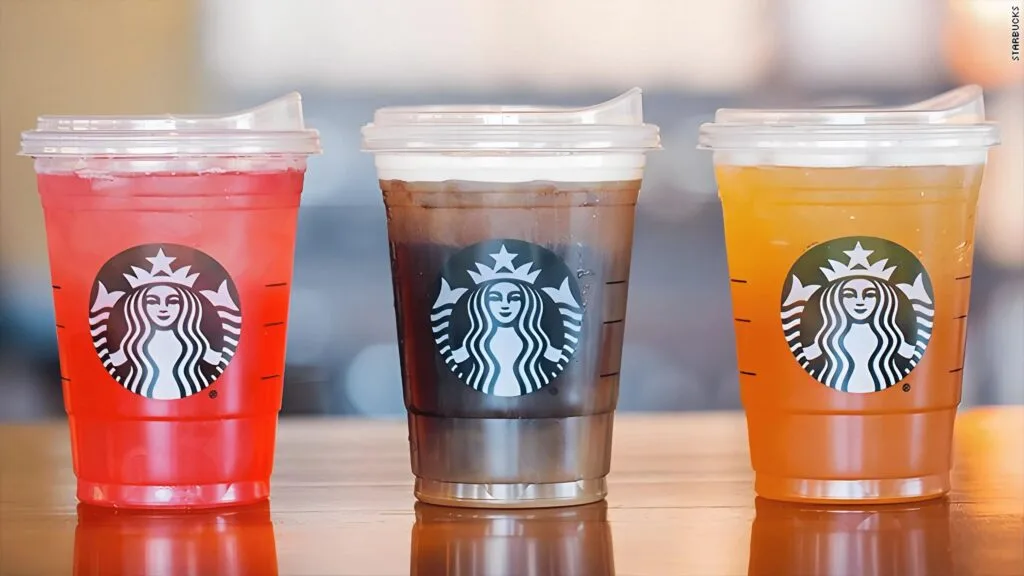
Starbucks Leads the Shift: Timeline of a Greener Cup
Few companies have the global footprint of Starbucks. And fewer still have such influence on food packaging trends. The coffee giant began testing compostable and recyclable cups as early as 2018. By 2022, it launched pilot programs in major cities such as Seattle, London, and Tokyo, incorporating cups lined with compostable bioplastics or made from molded fiber.
Key milestones:
2020: Introduced strawless lids and moved toward corn-based bioplastics in select regions.
2022: Started offering borrow-and-return cup programs alongside compostable cup trials.
2024: Expanded its PLA-lined paper cups across multiple markets with industrial composting access.
What’s driving this switch? A mix of consumer loyalty, municipal waste policies, and long-term brand image strategy. Compostable cups, while more expensive upfront, help Starbucks reduce landfill-bound waste, earn carbon credits, and reinforce its brand as a sustainability leader.
Following the Leader: Other Chains Going Compostable
Starbucks isn’t alone. The movement toward compostable drinkware is spreading across the café and fast-food industry.
Pret A Manger has rolled out plant-based cutlery and fiber cups in major European cities.
Costa Coffee partnered with recyclers to ensure its PLA-lined cups are either composted or separated effectively.
In Southeast Asia, growing awareness and local composting facilities are encouraging chains like Highlands Coffee and Jollibee to follow suit.
These companies are betting on consumer goodwill and future cost savings from waste reduction, taxes, and green incentives.
Understanding Compostable Cups: What Are They Made Of?
Not all “green” cups are created equal. Compostable cups typically fall into two categories:
PLA-Lined Paper Cups
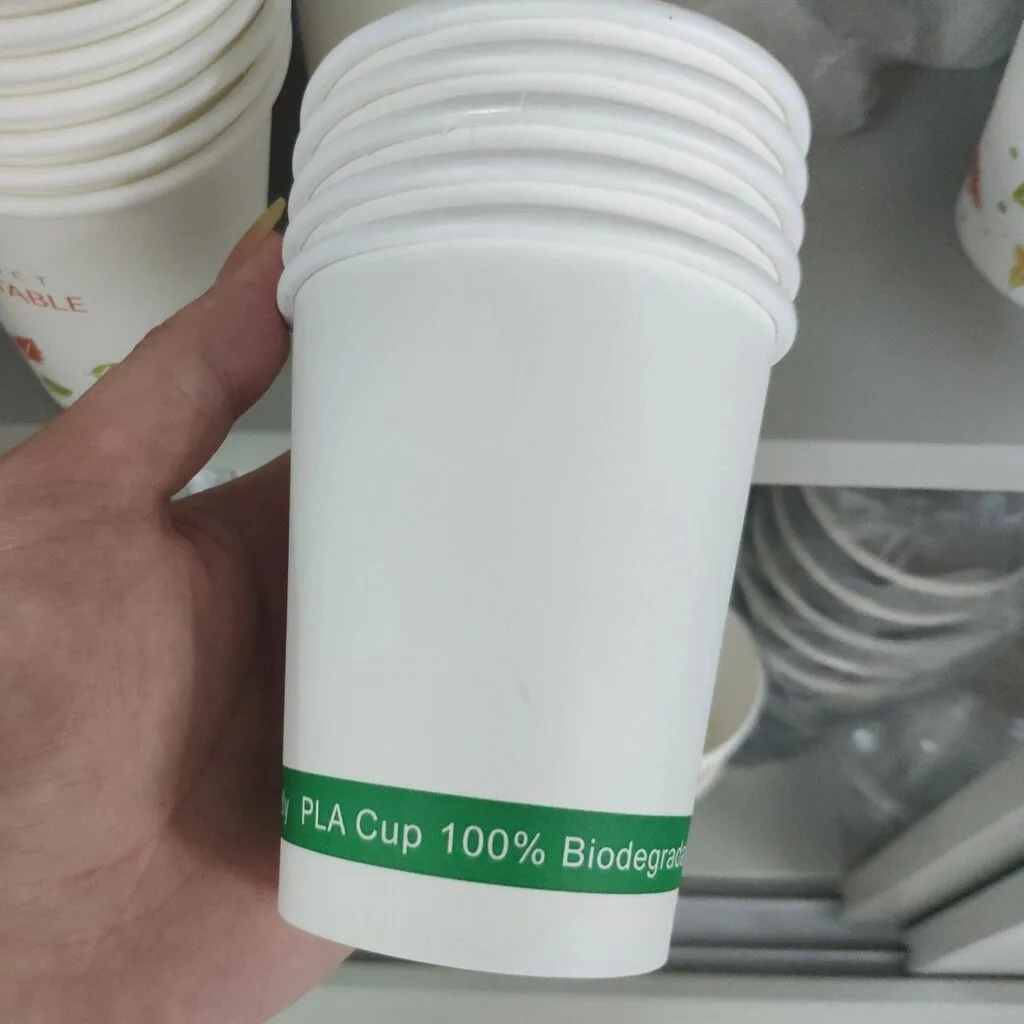
Made from traditional paperboard lined with polylactic acid (PLA), a bioplastic derived from corn starch or sugarcane. These cups are industrially compostable under specific conditions (typically 60°C+).Molded Fiber Cups
Derived from materials like bagasse (sugarcane pulp), these cups are home-compostable and free of plastic linings.
Unlike conventional PE-lined cups, compostable variants break down into natural elements, leaving no microplastic residue and aligning with circular economy principles.
✅ Compostable Cups vs Traditional Paper Cups: A Comparison Table
| Feature | Compostable Cups (e.g. PLA-lined, Bagasse) | Traditional Paper Cups (PE-lined) |
|---|---|---|
| Inner Lining | PLA (Polylactic Acid, bio-based) | PE (Polyethylene, petroleum-based) |
| Material Base | FSC-certified paper or bagasse fiber | Standard virgin or recycled paperboard |
| Plastic-Free | ✅ Yes (bio-based, compostable plastics) | ❌ No (plastic lining cannot be separated) |
| Degradation Timeline | 90–180 days (industrial composting) | 20–30+ years (non-biodegradable) |
| Suitable for Composting | ✅ EN13432 / ASTM D6400 Certified | ❌ Not compostable, contaminates composting |
| Recyclability | ♻️ Limited (needs industrial composting) | ♻️ Low (PE lining prevents standard recycling) |
| End-of-Life Impact | Returns to biomass under composting | Becomes microplastic or landfill residue |
| Safety & Certifications | BPI, TUV Austria, OK Compost, FDA, ISO | Few hold compostable or food-contact certificates |
| Manufacturing Carbon Footprint | Lower (bio-based, often carbon-neutral) | Higher (fossil-based inputs, energy intensive) |
| Typical Use Cases | Sustainable cafés, zero-waste events, green catering | Mass-market coffee chains, cost-driven vendors |
Why Brands Are Making the Switch
Switching to compostable cups isn’t just about ticking an ESG checkbox—it brings real advantages:
✅ Regulatory Compliance: Meet plastic ban requirements with certified compostable materials (EN13432, ASTM D6400).
✅ Waste Reduction: Compostable cups reduce landfill contributions and municipal waste fees.
✅ Brand Loyalty & PR: Consumers reward green behavior—sustainable packaging becomes a brand advantage.
✅ Ready for the Future: Compostable infrastructure is growing. Early adopters are poised to benefit from green subsidies and partnerships.
According to GreenPrint’s Business of Sustainability Index, 64% of Gen Z consumers say they would pay more for sustainable coffee packaging—and brands are listening.
How Bioleader® Supports the Compostable Revolution
As leading brands transition to sustainable drinkware, they need reliable, certified, and scalable suppliers. That’s where Bioleader® comes in.
🌱 Key Compostable Cup Solutions by Bioleader®:
PLA Cold Drink Cups (8oz–32oz): Crystal-clear and ideal for iced drinks, smoothies, and juices.
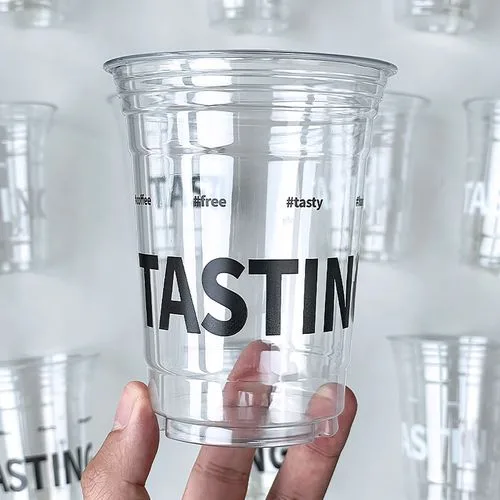
PLA Cups
Ripple Wall Coffee Cups (8oz / 12oz / 16oz): Heat-resistant and suitable for hot coffee or tea, with optional biodegradable lids.

Disposable Coffee Cups with Lids
PLA Lined Paper Cups: Smooth finish, custom-printable, and compatible with industrial composting.
🔒 Compliance & Certification:
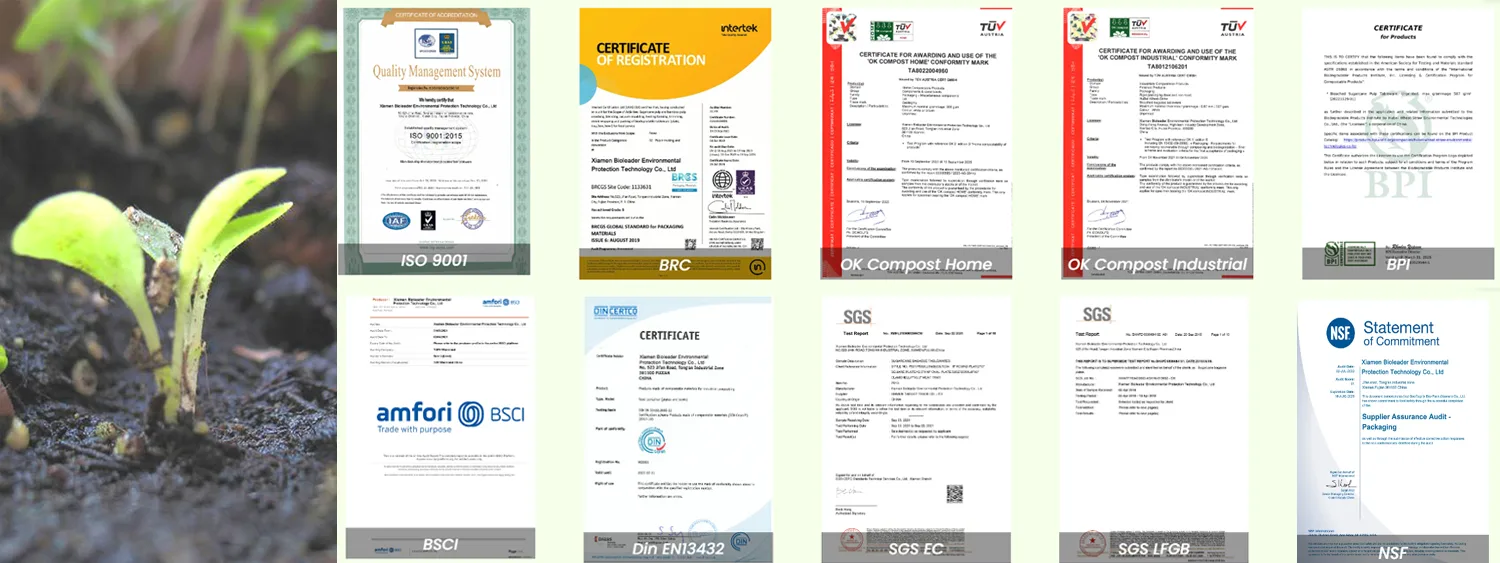
All Bioleader® products are tested and certified under EN13432, ASTM D6400, and TÜV Austria standards. Our facilities meet BRC and ISO standards, ensuring food safety and sustainability.
🎨 Customization Services:
Bioleader® supports low-MOQ private labeling, custom colors, and fast turnaround for global foodservice brands, cafés, and beverage franchises.
🌍 Global Delivery Capacity:
With exports to over 40 countries and fast freight handling for the U.S., EU, and Southeast Asia, Bioleader® ensures brands receive eco cups on time, every time.
Conclusion: Compostable Cups Are Here to Stay
Compostable cups are no longer a niche experiment. For companies like Starbucks, they represent the future of packaging—one that satisfies regulators, customers, and the planet.
Whether you’re a global café chain or a regional distributor, now is the time to invest in packaging that aligns with sustainability goals. Bioleader® is ready to help you make that switch with compostable cup solutions tailored to your needs.
Ready to future-proof your drinkware?
Contact Bioleader® today for samples, technical sheets, and export support.
FAQ
1. What are compostable cups made of?
Compostable cups are typically made from materials like PLA (polylactic acid) derived from corn or sugarcane, or molded fibers such as bagasse. These materials break down under composting conditions without leaving toxic residue.
2. Are compostable cups really better than recyclable cups?
Yes. While recyclable cups require clean sorting and specialized facilities, compostable cups can decompose naturally in industrial composting systems, reducing landfill waste and carbon footprint more effectively.
3. Can you compost Starbucks cups?
Only in select locations. Some Starbucks pilot cups are industrially compostable, but most traditional cups are lined with plastic and not compostable at home or curbside bins.
4. How long does it take for a PLA cup to decompose?
Under industrial composting conditions (60°C+, proper humidity), PLA cups decompose in about 90–180 days. They are not suitable for home compost bins due to lower temperature requirements.
5. Where can I buy wholesale compostable cups?
Trusted manufacturers like Bioleader® offer certified compostable cups for global wholesale, with custom branding, private labeling, and export-ready logistics.
References
Starbucks Stories & Newsroom – “Starbucks Tests Reusable and Compostable Cups in Global Pilot”
https://stories.starbucks.com/stories/2022/starbucks-tests-reusable-and-compostable-cups/GreenPrint – “Business of Sustainability Index 2023”
https://www.greenprint.eco/business-of-sustainability-index-2023European Commission – “Single-Use Plastics Directive”
https://ec.europa.eu/environment/topics/plastics/single-use-plastics_enPret A Manger Official Website – “Sustainability at Pret”
https://www.pret.com/en-GB/sustainabilityCosta Coffee UK – “Our Sustainability Commitment”
https://www.costa.co.uk/behind-the-beans/our-sustainability-commitmentBioleader® Official Website – “Compostable Tableware & Drinkware Solutions”
https://www.bioleaderpack.com/Wikipedia – “Polylactic Acid (PLA)”
https://en.wikipedia.org/wiki/Polylactic_acid