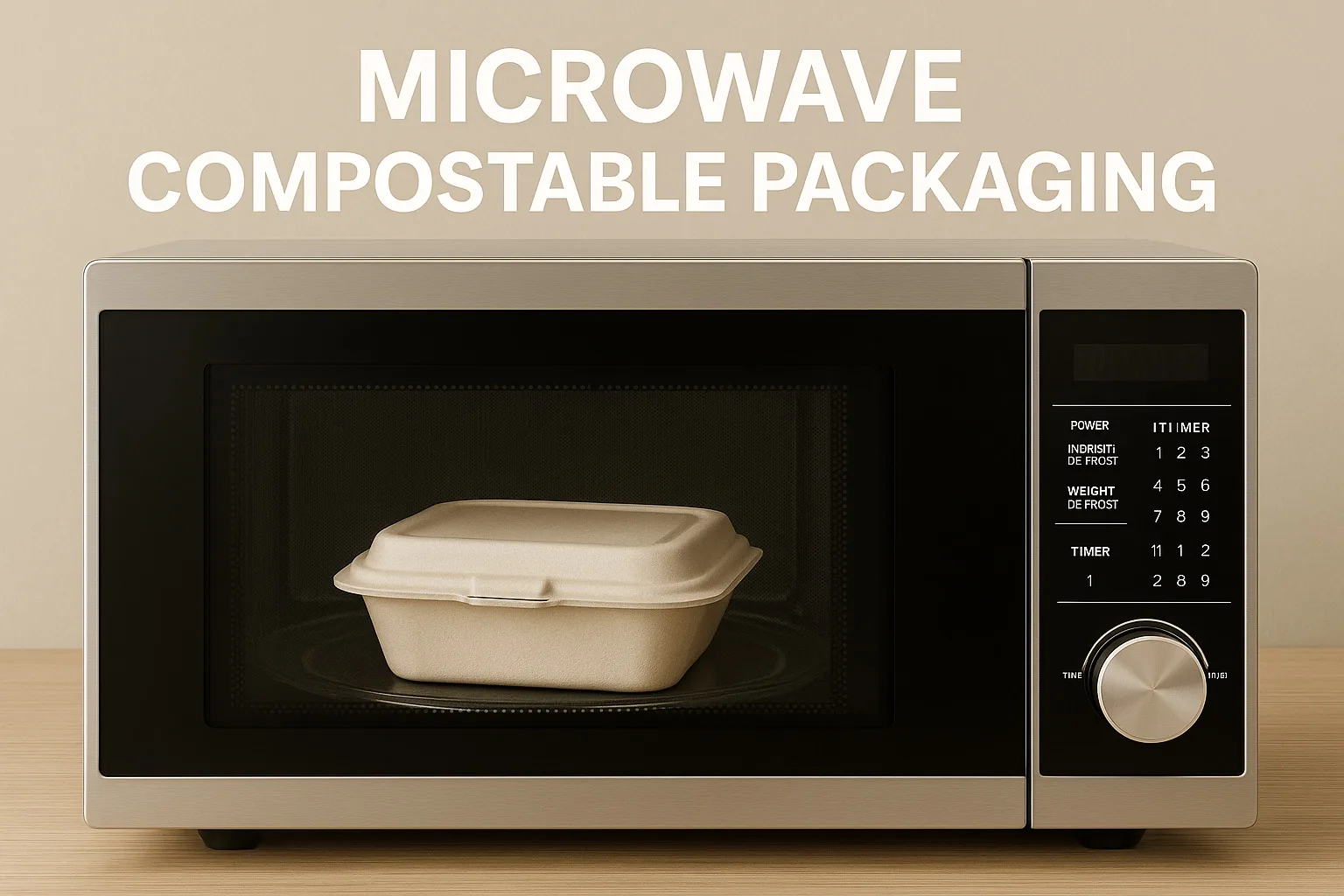
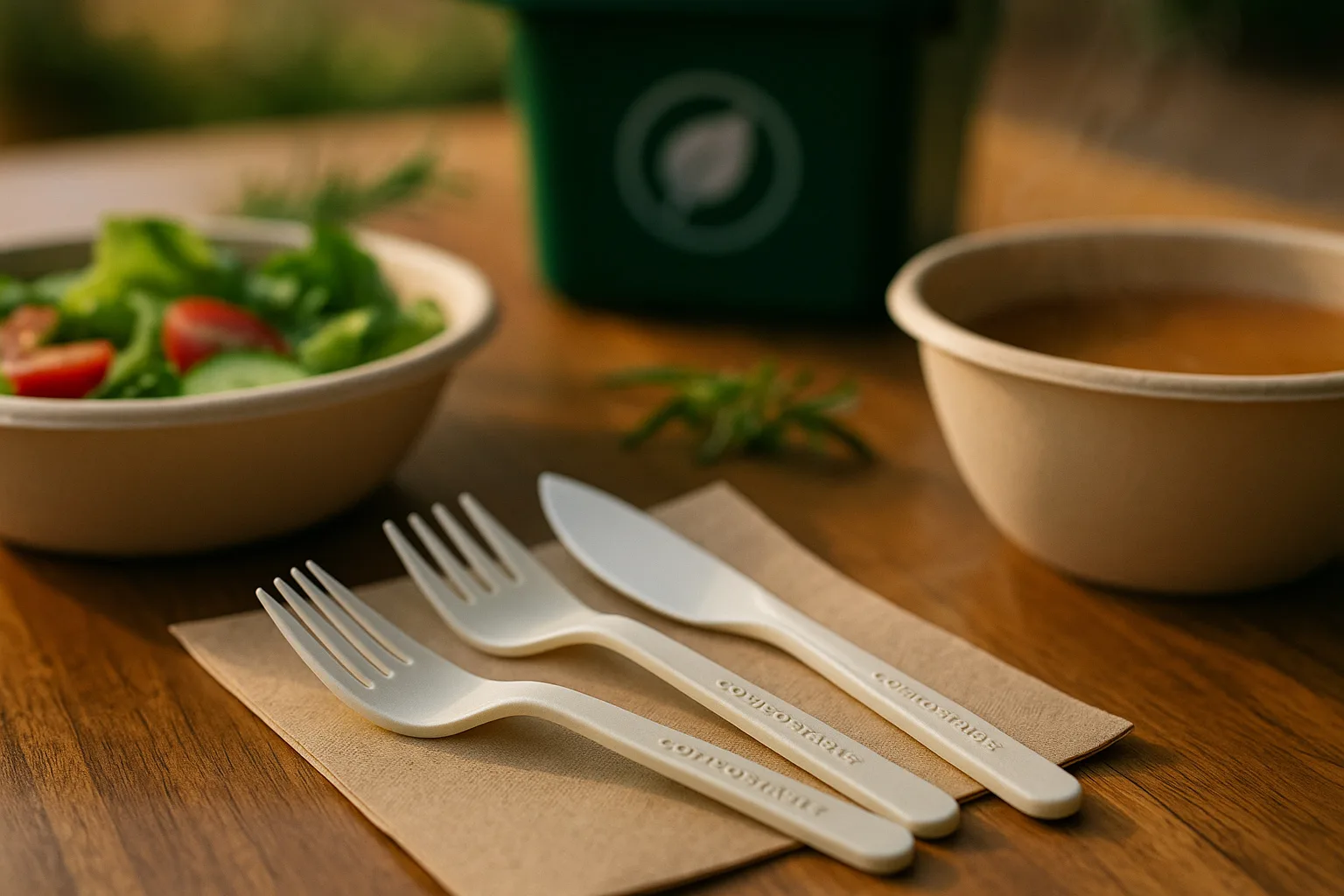
For efficient serving and optimal dining experience, standard soup bowls typically hold 8–12 oz (about 240–350 ml), which accommodates a comforting portion without overflow. For heartier applications like ramen or pho, larger bowls ranging from 24–32 oz (≈700–950 ml) are more practical and better at retaining heat. Choosing the right bowl size depends on whether the soup is a starter, main, or loaded with ingredients—ensuring portion control, heat retention, and dining convenience.
Why Soup Bowl Size Matters in 2025
The soup bowl has long been seen as a simple piece of tableware, but in today’s dining industry, its role is much more strategic. The size of a soup bowl influences portion control, customer experience, operational efficiency, and environmental impact.
In households, smaller bowls help people eat more mindfully. An 8–12oz bowl delivers enough warmth and satisfaction without creating excess. Studies in food psychology suggest that smaller vessels naturally encourage reduced intake, supporting healthier lifestyles. Families trying to manage waste also prefer modest sizes to avoid leftovers being thrown away.
In restaurants, bowl size is about consistency and branding. Customers expect the same serving every time. A 12–16oz soup bowl is often considered the “sweet spot” because it looks generous yet stays manageable in food cost terms. If portions are too small, customers may feel cheated; if too large, operators face higher costs and increased food waste.
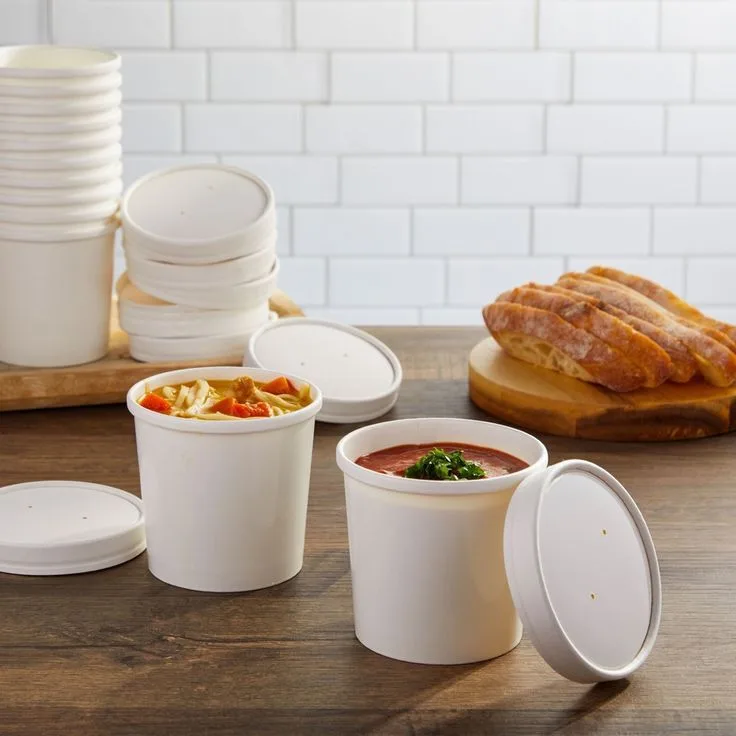
Takeout adds another layer. With the rise of food delivery apps, the reliability of packaging is critical. Here, 16–24oz kraft paper soup bowls are the standard. They can handle a hearty portion, resist leaks, and survive the journey from kitchen to customer. This matters because reviews often hinge not just on food taste but also on how intact and appealing it is when delivered.
From an environmental angle, bowl size ties directly to sustainability. Oversized servings generate more waste, while under-sized bowls can cause double servings that also waste resources. Getting the balance right—especially in eco-friendly packaging like kraft paper bowls—helps align with global sustainability goals.
What Is the Standard Size for a Soup Bowl?
Home & Everyday Dining (8oz–12oz)
For households, soup bowls typically range from 8 to 12 ounces. These bowls suit side dishes, light soups, or portions that accompany a main meal. They are especially common in Western homes, where soup is often served as a starter. In Asian households, similar sizes are used for miso soup, egg drop soup, or clear broths. Their smaller capacity makes them easy to store, quick to wash, and portion-friendly for children and adults alike.
Restaurants & Catering (12oz–16oz)
Restaurants rely heavily on standardized sizes, and most establish their portion sizes around 12 to 16 ounces. A 12oz bowl is widely recognized as the industry standard, offering enough volume to make the soup feel satisfying while keeping ingredient costs manageable. At the same time, 16oz bowls are often used for more hearty soups that serve as a main dish, such as ramen, pho, or chowder. In catering environments, this size is a reliable choice because it can serve both as an appetizer portion and as a more substantial option depending on menu planning.
Buffets, Canteens & Bulk Service (18oz–24oz)
In buffet-style dining, canteens, and large catering events, efficiency matters most. Larger paper soup bowls ranging from 18 to 24 ounces reduce the need for refills, simplify serving lines, and help ensure customers feel they are getting good value. Schools, hospitals, and corporate canteens often rely on this size because it balances nutrition requirements with practicality.
Standard Soup Bowl Capacity for Restaurants
The phrase “standard soup bowl capacity for restaurants” usually refers to the 12oz size. This benchmark has been set through years of dining patterns. Customers perceive 12oz as adequate, restaurants see it as cost-efficient, and food regulators use it as a guideline when setting nutritional standards. It is no surprise that menus across North America, Europe, and Asia consistently list soups in the 12–16oz range.

How Many Ounces Should a Good Soup Bowl Hold?
Best Soup Bowl Size in Ounces
The right number of ounces depends on the context:
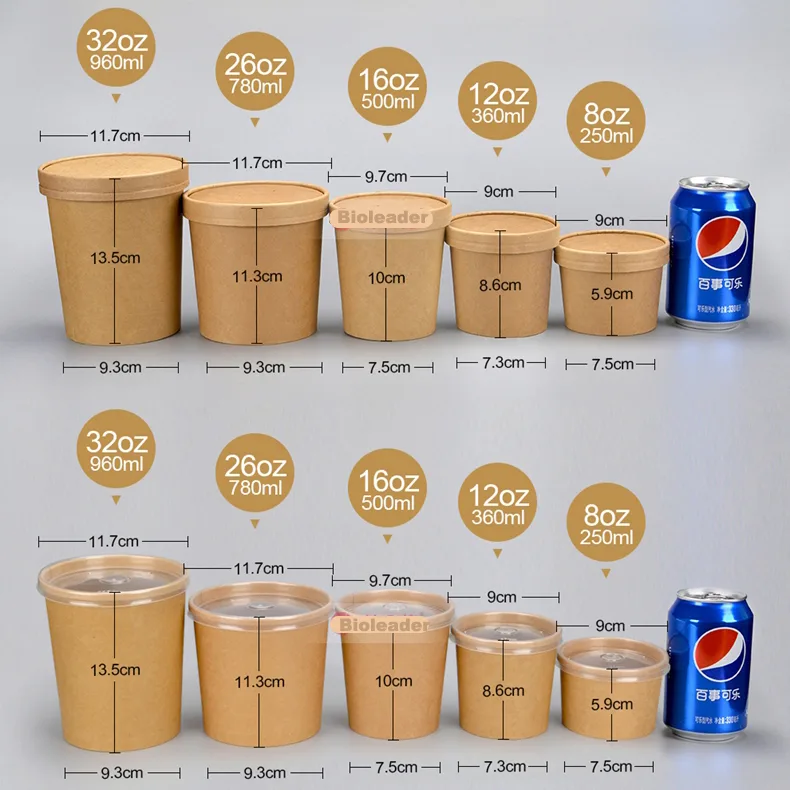
8oz bowls: Used for appetizers, light soups, or small children’s servings.
12oz bowls: Standard size for restaurants; good balance between portion and cost.
16oz bowls: Ideal for main-course soups, noodle dishes, and hearty broths.
24oz bowls: Preferred for catering, buffets, or large takeout meals where the bowl must hold multiple ingredients.
Impact on Portion Control
Portion control is one of the strongest arguments for standardizing soup bowl sizes. A restaurant that serves an oversized 20oz portion when customers only expect 12oz risks not only wasting food but also lowering profitability. On the other hand, undersized portions may drive complaints and negative reviews. For households, serving in 8–12oz bowls has been linked with healthier eating habits, as smaller containers naturally encourage reduced consumption.
Environmental Considerations
Right-sizing bowls also reduces waste, both in food and packaging. A well-matched bowl size minimizes leftovers and makes compostable packaging more efficient. Eco-friendly kraft paper soup bowls are especially effective here because they can be produced in standardized ounce capacities and are compostable after use, aligning with waste reduction goals.
Are Paper Bowls Suitable for Serving Soup?
Paper Soup Bowls vs. Plastic or Foam
Plastic and foam containers were once popular but are now restricted or banned in many countries due to their environmental impact. Foam, in particular, is not recyclable and contributes heavily to landfill waste. Kraft paper soup bowls provide a sustainable solution. They are compostable, biodegradable, and safe for hot foods.
Heat Resistance & Leak-Proof Performance
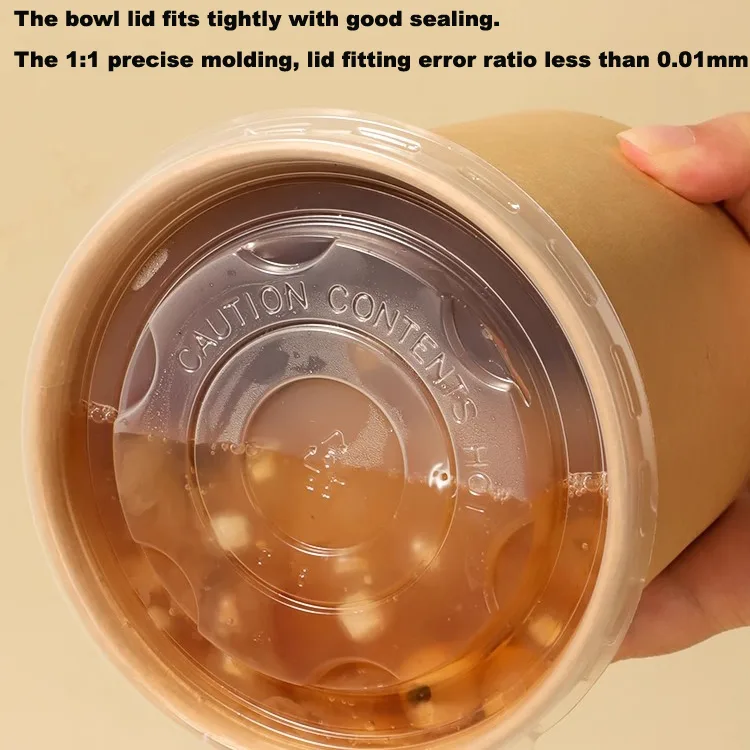
Modern kraft paper soup bowls are engineered with special linings—often compostable PLA coatings—that resist leaks and withstand high temperatures. Tests show they can handle liquids at boiling point without collapsing or seeping, making them suitable for hot soups, stews, and even oily broths. Many designs include double walls to insulate heat, ensuring the customer can hold the bowl comfortably without burning their hands.
Disposable Paper Soup Bowls Wholesale
For restaurants and wholesalers, ordering disposable paper soup bowls wholesale is now the norm. Bulk purchasing ensures a consistent supply and reduces costs. Suppliers typically offer 8oz to 24oz options, giving food businesses the flexibility to cover everything from small side soups to full meal servings. With increasing regulations, restaurants that fail to switch risk fines or reputational damage.
Eco-Friendly Soup Bowl Factory for Bulk Supply
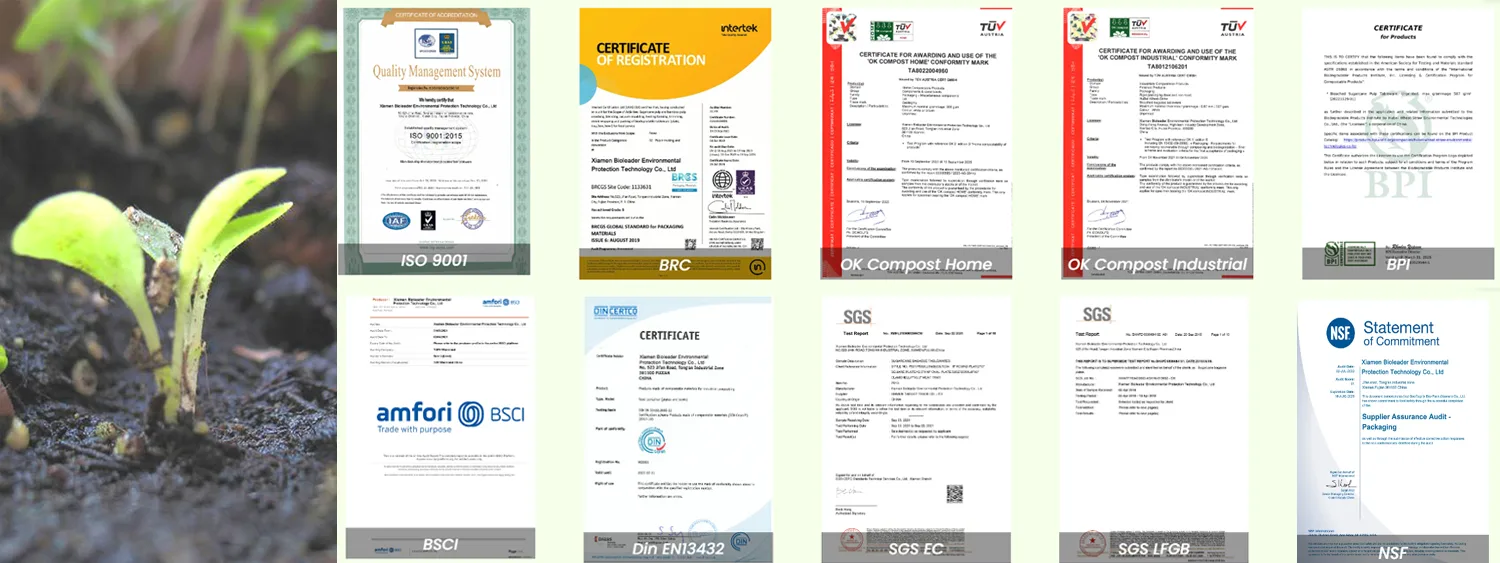
China has become the global center of eco-friendly soup bowl production. Large factories specialize in kraft paper soup bowls, offering customization such as branded printing, embossing, and unique lid options. These manufacturers are crucial for global buyers because they combine low-cost bulk production with strict adherence to international certifications like EN13432 and ASTM D6400. For wholesalers, working with a trusted soup bowl factory ensures compliance, supply stability, and long-term business viability.
Regulatory Trends Shaping Soup Bowl Choices
North America
Canada’s regulation SOR/2022-138 bans the manufacture and sale of polystyrene containers nationwide. In the US, several states including California and New York enforce strict bans on single-use plastics. These laws directly affect the foodservice industry, forcing businesses to switch to compostable containers such as kraft paper soup bowls.
Europe
The European Union’s Single-Use Plastics Directive is one of the most influential policies. It requires that all disposable food packaging, including soup bowls, be recyclable or compostable. Businesses that fail to comply face fines, product recalls, and restrictions. As a result, kraft paper bowls that pass EN13432 certification have become the default across European restaurants and catering companies.
Asia
Asia is equally proactive. China’s nationwide ban on non-biodegradable containers came into force in 2025, reshaping the entire takeout industry. Korea has introduced strict standards for compostability and labeling, while Japan emphasizes reducing single-use plastics in foodservice. Together, these countries are setting new benchmarks for eco-friendly packaging in one of the world’s fastest-growing food markets.
The combined effect of these regulations is clear: soup bowls must now be eco-certified, compostable, and durable enough for hot liquids.
Choosing the Right Soup Bowl for Every Occasion
Households (8–12oz)
For families, small and mid-sized bowls are ideal for side soups, broths, and snacks. They promote healthier eating habits and avoid food waste, especially when children are involved.
Restaurants (12–16oz)
This range provides consistency and aligns with global restaurant standards. Customers expect soups of this size, and chefs find it easier to manage costs. Restaurants that use certified kraft paper soup bowls in this range benefit from both practicality and eco-friendly branding.
Takeout & Catering (16–24oz)
Larger sizes are essential for safe delivery. With fitted lids, 16–24oz kraft paper soup bowls can carry full meals, noodle dishes, or stews without leaking. Their durability has made them the backbone of modern takeout and catering services.
Soup Bowl Manufacturer in China
For businesses looking to source in bulk, partnering with a soup bowl manufacturer in China is a strategic choice. Chinese factories dominate the global market for eco-friendly disposable packaging, offering bulk pricing, fast lead times, and international certification. Restaurants, wholesalers, and catering companies worldwide rely on these suppliers for standardized, sustainable solutions.
Case Studies: Real-World Lessons from the U.S. and Europe
U.S. Casual Dining Chain
In 2024, a U.S. casual dining chain switched from oversized 20oz plastic bowls to standardized 16oz kraft paper soup bowls. The outcome was striking:
Food waste dropped by 18%.
Packaging costs decreased by 12%.
Customer reviews praised the “perfectly sized” portions.
This case shows how rethinking bowl size improves profitability while supporting sustainability goals.
German Catering Company
In 2025, a large catering service in Germany replaced foam containers with 24oz compostable kraft paper soup bowls. Results included:
92% fewer leakage complaints during deliveries.
Compliance with EU Single-Use Plastics Directive.
Winning a municipal contract that required eco-certified packaging.
This case proves that aligning packaging with regulations and customer expectations is a competitive advantage.
Expert Insights on Soup Bowl Sizing and Sustainability
Portioning for Consistency
Dr. Emily Carter, a U.S.-based foodservice sustainability consultant, notes:
“Standardized soup bowl sizes—particularly the 12–16oz range—help restaurants balance cost control with customer expectations. When servings are consistent, waste drops and satisfaction rises.”
Policy Implications in Asia
Professor Kenji Watanabe, environmental policy advisor in Japan, explains:
“In Asia, soup bowls have become compliance tools. With stricter regulations, restaurants must ensure every container is compostable, certified, and safe for hot foods.”
These expert views reinforce that choosing the right soup bowl size isn’t just practical—it’s strategic for business survival under new regulations.
Bioleader®: A Reliable Partner for Eco-Friendly Soup Bowls
Bioleader® is recognized as a leading manufacturer of eco-friendly tableware in China. The company provides:
Full size range: 8oz, 12oz, 16oz, and 24oz kraft paper soup bowls.
Export compliance: Certified under EN13432 (EU) and ASTM D6400 (US).
Customization: Private-label branding, lid options, and embossing.
Bulk supply advantages: Flexible MOQs, competitive wholesale pricing, and global logistics support.
For restaurants, wholesalers, and catering businesses, partnering with Bioleader® ensures packaging solutions that are compliant, leak-proof, and future-proof.
Conclusion – The Future of Soup Bowls
The soup bowl has transformed from a simple household item into a reflection of global sustainability and dining culture. The future is clear: eco-friendly materials, standardized ounce sizes, and regulatory compliance will dominate. Kraft paper soup bowls, ranging from 8oz for homes to 24oz for catering, are set to replace outdated plastic and foam.
This shift is not only about regulations. Customers increasingly associate eco-friendly packaging with food quality and brand trust. Restaurants and catering services that adopt certified soup bowls today are not just staying compliant—they are building a stronger, greener brand for tomorrow.
FAQ
1. What size bowl is best for soup at home?
The best size is 8–12oz, suitable for light, balanced portions.
2. What is the standard soup bowl capacity in restaurants?
Restaurants typically serve soups in 12–16oz bowls.
3. How many ounces are in a large soup bowl?
Large soup bowls usually hold 18–24oz, common in buffets and noodle dishes.
4. Are paper soup bowls safe for hot liquids?
Yes, kraft paper soup bowls are leak-proof and heat resistant.
5. Where can I buy disposable soup bowls wholesale?
Certified manufacturers, especially in China, supply bulk eco-friendly kraft paper bowls.
References
Statista — Global foodservice packaging consumption trends, 2024.
Foodservice Packaging Institute — Portion size and packaging survey report, 2025.
European Commission — Single-Use Plastics Directive policy report, 2025.
Canadian Government — SOR/2022-138 Plastic Ban Regulatory Document, 2025.
U.S. FDA — Food packaging and safety guidance for hot liquids, 2024.
Grand View Research — Global disposable tableware market outlook, 2025.
Asian Development Bank — Report on sustainable food packaging in Asia, 2024.
Bioleader® — Company white paper on compostable kraft paper bowls, 2025.
Choosing the Right Soup Bowl Size: What Matters, Why, and Practical Guidance
What’s standard: Soup bowls commonly range between 8–12 oz (240–350 ml), ideal for starters or light soup servings. Clear or minimalist designs often come in smaller 4 oz cups but are less common for main dishes. :contentReference[oaicite:0]{index=0}
When to go bigger—24–32 oz (700–950 ml): Hearty bowls like ramen, pho, stews, or meal soups with multiple ingredients require more volume. This ensures space for broth, garnishes, and maintains heat without overflow. :contentReference[oaicite:1]{index=1}
How shape affects use: Wide, shallow bowls showcase chunky soups and support scooping, while deep, narrow ones retain heat better and minimize spills—critical for both dine-in and delivery formats. :contentReference[oaicite:2]{index=2}
Practical guides for businesses:
- Appetizers or light soups → 8–12 oz.
- Main or loaded soups (e.g., curry, pho) → 24–32 oz.
- Ensure capacity for broth, solids, and garnishes—avoid overflow and support heat retention.
- Match shape to menu style and operational needs (stackability, presentation, volume control).
Bottom line: For everyday soup service, 8–12 oz bowls serve well; for ample, loaded meals, opt for 24–32 oz containers to balance portion, heat, presentation, and practicality. Thoughtful bowl sizing enhances customer satisfaction and operational efficiency.