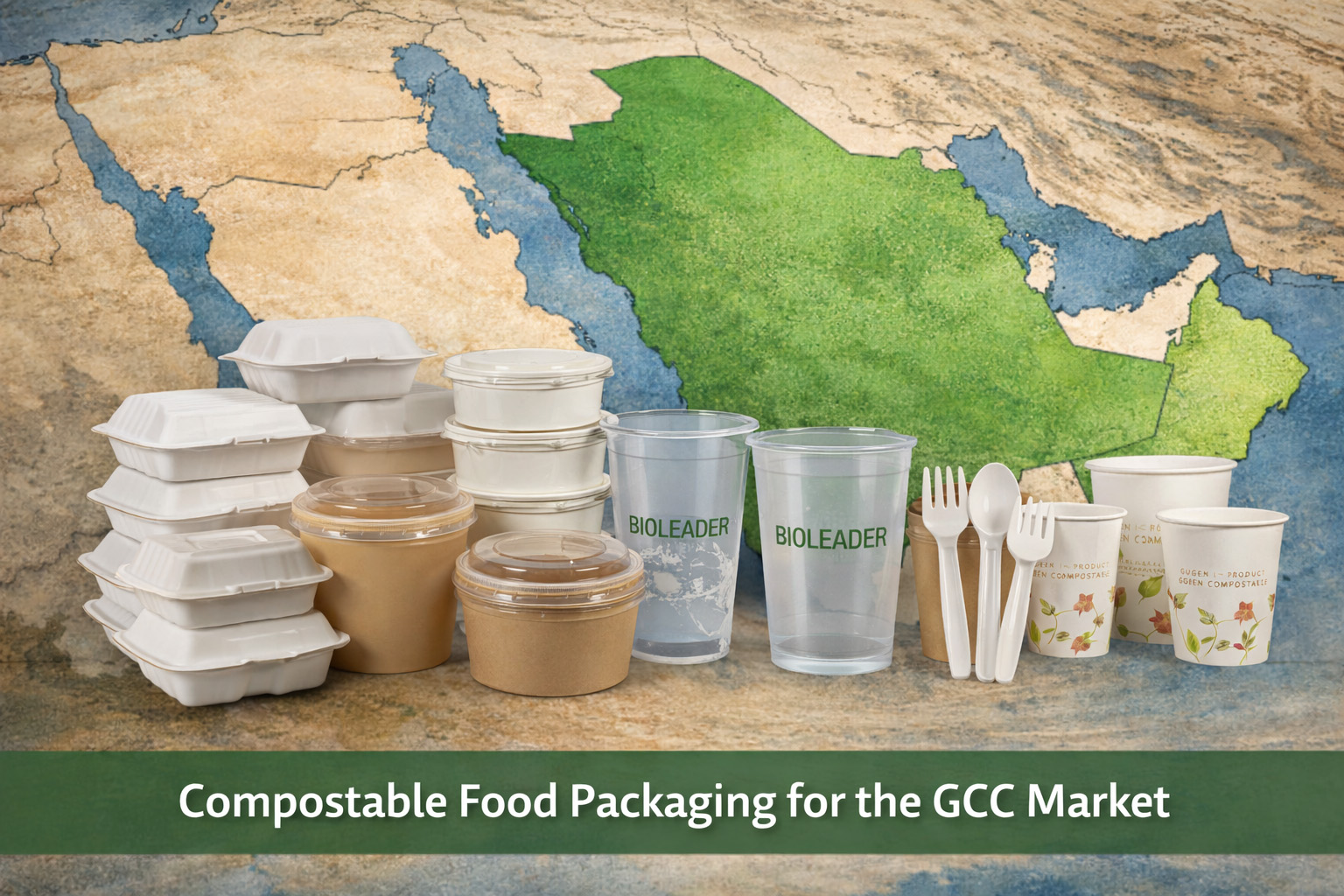
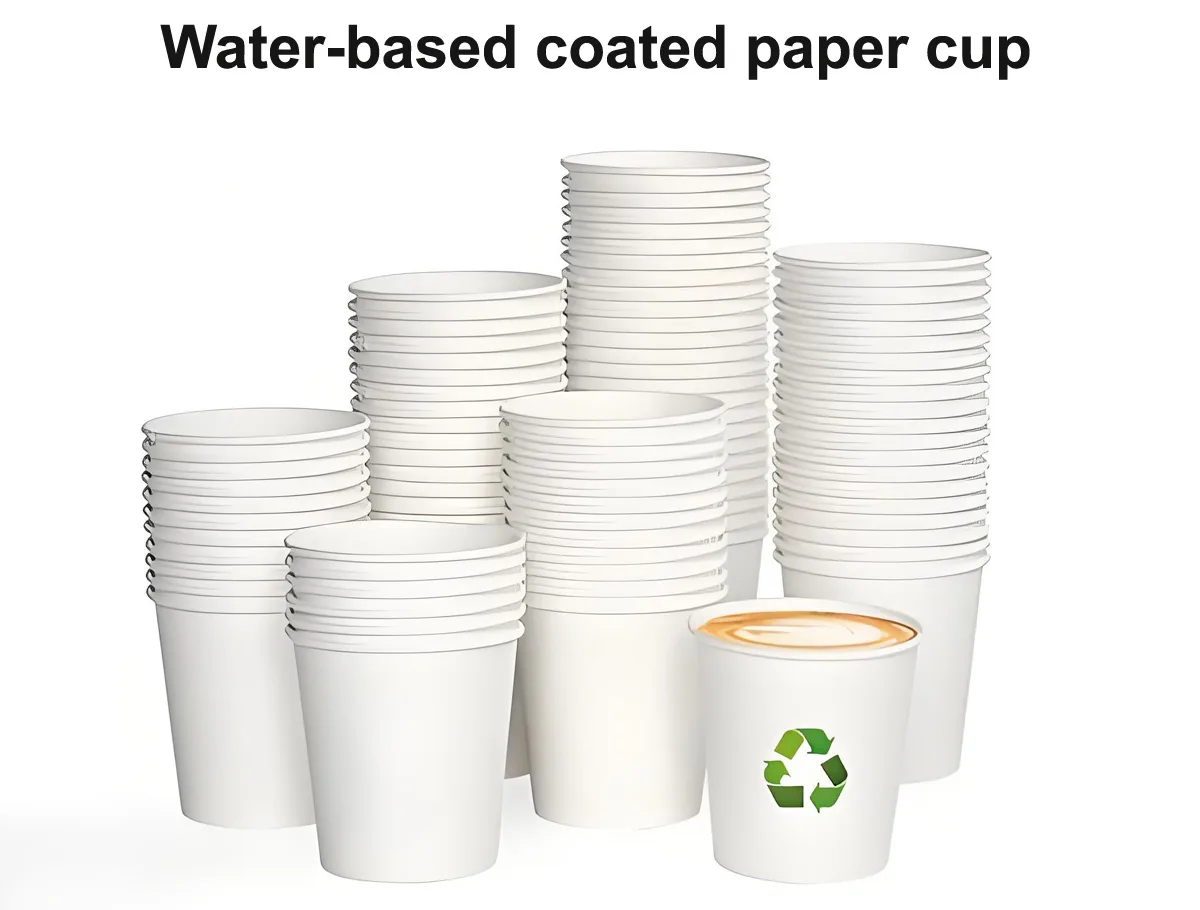
What Are Water-Based Coating Paper Cups?

Water-based coated paper cups are made with a special water-based coating that replaces the traditional plastic lining found in most paper cups. This eco-friendly alternative is designed to provide the same functionality—such as water and oil resistance—while being more sustainable and biodegradable. The coating is made from water-soluble materials and does not contain harmful chemicals like BPA or PFAS, making it a safer option for consumers and the environment.
The key difference between water-based coated cups and traditional plastic-coated cups is the use of water-based coatings instead of petroleum-based plastic coatings like polyethylene (PE). This makes water-based paper cups a plastic-free alternative, perfect for companies looking to reduce their environmental impact.
Key Features of Water-Based Coating Paper Cups
Plastic-Free Coating
Water-based coated paper cups are completely free from plastic, which is a key selling point for eco-conscious brands. The water-based coating is biodegradable and does not leave harmful residues after disposal, unlike plastic coatings which often end up in landfills and contribute to long-term environmental damage. According to the United Nations Environment Programme (UNEP), single-use plastics are a leading cause of global pollution, and transitioning to plastic-free alternatives is critical to reducing plastic waste.
Eco-Friendly Materials
The materials used in water-based coatings are sustainable, primarily derived from renewable sources, unlike traditional plastic which relies on fossil fuels. The paper used in these cups is often sourced from sustainably managed forests, making the entire cup more environmentally friendly.
Biodegradable & Compostable
Water-based coated paper cups are biodegradable and compostable under the right conditions, which means they can break down naturally without leaving harmful pollutants. This makes them ideal for businesses looking to meet the growing consumer demand for sustainable products that reduce waste and contribute to a circular economy. According to the World Wildlife Fund (WWF), biodegradable packaging is an essential component in the global fight against plastic waste.
Leak-Proof & Durability
These cups provide excellent water resistance and durability. While they are not recommended for extremely hot beverages in high-temperature environments (like plastic-coated paper cups), they perform well for cold drinks and moderate-temperature beverages. They are strong enough to hold liquid without leaking, offering a reliable solution for takeaway and event catering.

Environmental Impact of Water-Based Coated Paper Cups
Sustainability Advantages
Water-based coated paper cups are significantly more sustainable than their plastic-coated counterparts. Since they are plastic-free and compostable, they pose less of an environmental risk. Unlike traditional plastic-coated paper cups, which are not easily recyclable due to the plastic lining, water-based cups break down more easily and can be processed in most waste management systems.
Decomposition and Recycling
One of the key advantages of water-based coated cups is that they can be broken down in composting facilities, returning to the earth as natural matter. This is a major environmental benefit over traditional plastic-coated cups, which can take hundreds of years to degrade. Furthermore, water-based cups can be separated from the paper and reused in the recycling process more easily than their plastic-coated counterparts.
Regulatory Compliance
Water-based paper cups comply with many global environmental regulations, including plastic bans and sustainability standards. They are a perfect choice for companies looking to meet the growing demand for plastic-free alternatives in regions with stricter plastic use regulations. As highlighted by the European Commission, the EU has implemented strict policies to reduce plastic pollution and encourage the use of sustainable alternatives.
Water-Based Coated Paper Cups vs. PLA Coated Paper Cups vs. Traditional Plastic-Coated Paper Cups
The comparison of these three types of paper cups highlights their distinct benefits and challenges. Below is a table that outlines their key differences:
| Feature | Water-Based Coated Paper Cups | PLA Coated Paper Cups | Plastic-Coated (PE-Coated) Paper Cups |
|---|---|---|---|
| Material | Water-based coating (plastic-free) | PLA (biodegradable plastic) | PE (petroleum-based plastic) |
| Environmental Impact | Biodegradable and compostable | Biodegradable under industrial conditions | Non-biodegradable, difficult to recycle |
| Functionality | Leak-resistant, moderate durability | Good for cold and moderate hot drinks | Superior leak resistance, durable, heat-resistant |
| Cost | Generally higher due to eco-friendly nature | Moderate, slightly cheaper than water-based | Lowest cost, widely available |
| Recyclability | Easier to recycle and compost | Can be recycled in industrial composting | Difficult to recycle and process |
| Sustainability | Best for eco-conscious businesses | Sustainable but dependent on composting facilities | Least sustainable option, due to plastic content |
Key Takeaways:
Water-Based Coated Paper Cups are the most eco-friendly option for businesses seeking to eliminate plastic use while maintaining the functionality of a paper cup.
PLA Coated Paper Cups provide a biodegradable alternative but still rely on composting infrastructure, and the process is less efficient than water-based solutions.
Plastic-Coated Paper Cups (PE) are the least sustainable option, given their reliance on petroleum-based plastics, and they pose challenges in recycling and disposal.
Applications of Water-Based Coated Paper Cups

Water-based coated paper cups are becoming a popular choice in several industries due to their eco-friendly properties:
Takeaway & Fast Food Industry
Many fast food chains are adopting water-based coated cups as part of their commitment to sustainability. These cups are ideal for customers who prefer to reduce their plastic usage and make more environmentally responsible choices.
Cold Beverages
Water-based paper cups are perfect for holding cold beverages such as sodas, juices, and iced coffee. Their ability to maintain structural integrity without leaking makes them a great option for businesses in the beverage industry.
Hot Beverages
Although water-based coated cups are not as heat-resistant as plastic-coated cups, they still serve as an effective option for holding moderately hot drinks like coffee and tea. They are a suitable choice for businesses looking to offer eco-friendly hot drink packaging.
Event Catering & Sustainable Packaging
Event planners and caterers are turning to water-based paper cups to meet the increasing demand for sustainable event packaging. These cups offer an environmentally friendly solution for large events and gatherings, where the volume of disposable packaging is high.
The Benefits of Switching to Water-Based Coated Paper Cups
Reducing Plastic Waste
Switching to water-based coated paper cups helps businesses contribute to the global effort to reduce plastic waste. These cups are a sustainable alternative to traditional plastic-lined paper cups and help mitigate the environmental impact of plastic pollution.
Appealing to Eco-Conscious Consumers
Consumers today are more environmentally aware than ever before, and offering water-based coated paper cups shows that a brand is committed to sustainability. This can increase customer loyalty and attract eco-conscious consumers.
Meeting Government Regulations
Water-based paper cups are compliant with many global plastic bans and regulations. As more countries implement strict laws on plastic use, switching to these cups can help businesses stay ahead of regulatory changes.
Future of Water-Based Coated Paper Cups: Industry Trends and Growth
Industry Growth & Market Trends
The market for sustainable and eco-friendly paper cups is rapidly growing. As more businesses move toward zero-waste goals and adopt circular economy practices, water-based coated paper cups are expected to see increased demand.
Technological Advancements
Ongoing innovations in water-based coating technologies are expected to improve the durability and heat resistance of these cups, making them a more competitive alternative to plastic-coated options.
Global Regulatory Shifts
With plastic bans being implemented in many countries, the demand for plastic-free alternatives like water-based paper cups will continue to rise, driving the growth of the market.
How to Choose the Right Water-Based Coated Paper Cup for Your Business
When selecting the right water-based coated paper cup for your business, consider the following factors:
Consider Your Product’s Needs
Determine the type of beverages you are serving and whether the cups will be used for hot or cold drinks. Water-based coated cups are ideal for moderate temperature drinks but may not be suitable for extreme heat.
Supplier and Manufacturer Considerations
Look for suppliers who offer certified eco-friendly products with transparent sustainability practices. Ensure that the cups meet industry standards for biodegradability and compostability. Bioleader® offers a wide range of sustainable and biodegradable packaging solutions, including water-based coated paper cups that are perfect for businesses committed to reducing their plastic footprint. Bioleader® products are made from high-quality, eco-friendly materials and meet all global sustainability standards, ensuring your business stays ahead of environmental regulations while offering your customers a premium, plastic-free option.
Cost-Effectiveness
While water-based coated cups may have a higher initial cost than traditional plastic-coated options, their environmental benefits and growing consumer demand make them a cost-effective long-term solution for businesses. By choosing Bioleader® compostable paper cups, you can ensure a balance between sustainability and affordability, allowing your business to meet consumer demand for eco-friendly solutions while maintaining cost efficiency.

Conclusion
In conclusion, water-based coated paper cups offer numerous environmental benefits, including plastic-free packaging, biodegradability, and compostability. They are a smart choice for businesses looking to reduce their environmental footprint, meet regulatory requirements, and appeal to eco-conscious consumers. As the demand for sustainable solutions grows, water-based coated paper cups will continue to play an essential role in the future of packaging.
FAQ: Common Questions About Water-Based Coated Paper Cups
1. What is the difference between water-based coated paper cups and traditional plastic-coated paper cups?
Answer:
Water-based coated paper cups are an eco-friendly alternative to traditional plastic-coated cups. The key difference lies in the coating used. Traditional plastic-coated paper cups use polyethylene (PE), a petroleum-based plastic, which makes them non-biodegradable and difficult to recycle. On the other hand, water-based coated cups are free from plastic and use water-soluble materials, making them biodegradable and compostable under the right conditions.
Why this matters:
The shift to water-based coatings is a response to increasing environmental concerns about plastic pollution. Water-based coatings not only reduce plastic waste but also align with global trends toward sustainability and compliance with plastic bans in various countries.
2. Are water-based coated paper cups biodegradable?
Answer:
Yes, water-based coated paper cups are biodegradable. The water-based coating is made from natural, non-toxic materials that break down in composting environments. Unlike plastic-coated cups, which may take centuries to decompose, water-based cups can decompose naturally in a short amount of time when disposed of correctly.
Considerations:
While water-based paper cups are compostable, they require proper composting facilities to ensure they break down as intended. In areas lacking composting infrastructure, these cups may still end up in landfills, which could delay their decomposition.
3. Can water-based coated paper cups be used for hot drinks?
Answer:
Yes, water-based coated paper cups can hold hot drinks, although they are more suitable for moderate temperature beverages compared to traditional plastic-coated cups. These cups are designed to provide leak resistance and durability for both cold and moderately hot beverages. However, they might not perform as well in extremely high-temperature environments as plastic-coated cups, which are engineered to withstand higher heat levels.
Why it matters:
Businesses offering hot beverages may need to assess their cups’ performance under high-temperature conditions. If your products require containers that can handle extremely hot liquids, you may need to consider alternatives or ensure that the cups are used within temperature limits.
4. Are water-based coated paper cups recyclable?
Answer:
Yes, water-based coated paper cups are more recyclable than plastic-coated ones. Since the coating is made from water-soluble materials, the paper can be easily separated from the coating during recycling processes. In contrast, plastic coatings complicate recycling, as they are difficult to separate from paper fibers.
Consideration for businesses:
While recyclable, water-based paper cups still need to be processed in facilities equipped to handle them. Businesses should ensure their local recycling infrastructure supports the recycling of these cups to fully realize their environmental benefits.
5. What are the environmental benefits of switching to water-based coated paper cups?
Answer:
Switching to water-based coated paper cups offers several environmental benefits, including reducing plastic pollution, decreasing carbon footprints, and supporting a circular economy. These cups are biodegradable and compostable, making them an excellent choice for businesses committed to sustainability. By eliminating plastic and using renewable resources, companies can contribute to reducing the environmental impact of single-use packaging.
Why businesses should care:
With increasing consumer demand for eco-friendly packaging and stricter regulations around plastic use, businesses that adopt water-based coated paper cups demonstrate a strong commitment to sustainability. This can improve brand image, attract eco-conscious consumers, and position companies as leaders in the shift toward sustainable packaging solutions.
Semantic Loop Content Block: Deep Dive into Water-Based Coated Paper Cups
Why Water-Based Coated Paper Cups Are the Future of Sustainable Packaging:
Water-based coated paper cups are leading the way in sustainable packaging. By eliminating plastic coatings and using water-based alternatives, these cups provide an eco-friendly solution to one of the most pressing issues in the packaging industry—plastic waste. The global shift towards banning plastic and adopting biodegradable alternatives makes water-based coated cups a perfect fit for businesses looking to meet evolving environmental regulations.
How They Help Your Brand Stand Out:
Consumers are increasingly aware of the environmental impact of their choices. By switching to water-based coated paper cups, your brand can align with growing consumer demand for eco-friendly products. This not only enhances your brand’s image but also strengthens consumer trust, leading to increased loyalty and repeat business.
What Makes Water-Based Coated Paper Cups More Sustainable?
Water-based coated paper cups are more sustainable because they are free from harmful chemicals like BPA and PFAS and are biodegradable in appropriate composting environments. This makes them an ideal solution for businesses striving to reduce their carbon footprint and minimize plastic waste.
Considerations for Adopting Water-Based Coated Paper Cups:
While water-based coated paper cups are a significant step towards sustainability, it is important to consider the cost implications and availability. The cost of water-based cups may be slightly higher compared to traditional plastic-coated cups, but the long-term environmental and branding benefits make them a worthwhile investment. Businesses must also ensure that their local recycling and composting infrastructure supports the disposal of these cups.
Conclusion: Water-Based Coated Paper Cups and the Path to a Plastic-Free Future
As the world moves towards a more sustainable future, water-based coated paper cups represent a key innovation in packaging. These cups are not only environmentally friendly but also offer practical solutions for businesses seeking to reduce their environmental impact. By adopting water-based cups, companies can meet consumer demands for sustainable products, comply with global regulations, and contribute to a cleaner, greener planet.
📚 References
United Nations Environment Programme (UNEP) — Plastic Pollution (web resource overview). Provides data and analysis on the global plastics pollution crisis, plastic waste impacts, and need for circular‑economy solutions. 2025.
https://www.unep.org/plastic-pollutionUNEP — From Pollution to Solution: A Global Assessment of Marine Litter and Plastic Pollution (2021). A major report assessing marine litter and plastic pollution globally.
https://www.unep.org/resources/pollution-solution-global-assessment-marine-litter-and-plastic-pollutionEuropean Commission — Single‑Use Plastics Directive (EU) 2019/904 (official directive text). Establishes regulatory restrictions on certain single-use plastic products (cups, containers, etc.) and promotes sustainable packaging alternatives.
https://eur-lex.europa.eu/eli/dir/2019/904/oj/engEuropean Commission — Environment Sector — “Single‑use plastics” overview page outlining the EU’s policy objectives to reduce plastic pollution and encourage transition to circular economy packaging solutions. 2025 update.
https://environment.ec.europa.eu/topics/plastics/single-use-plastics_enOECD — Global Plastics Outlook: Economic Drivers, Environmental Impacts and Policy Options (2022). A comprehensive report on plastics production, consumption, waste generation, and policy pathways — useful for contextualizing demand for sustainable alternatives such as water‑based coated paper cups.
https://www.oecd.org/content/dam/oecd/en/publications/reports/2022/02/global-plastics-outlook_a653d1c9/de747aef-en.pdfUNEP — Annual Report 2021 — outlines global environmental policies and emphasizes efforts to tackle plastic pollution, circular economy and sustainable materials.
https://www.unep.org/resources/annual-report-2021EDANA — “Single-Use Plastic Directive” page summarizing the implications of the directive for plastic items including beverage cups, cutlery, and expanded polystyrene products. Useful to demonstrate regulatory pressure on plastic-coated packaging alternatives.
https://www.edana.org/how-we-take-action/public-affairs/single-use-plastic-directiveEuropean‑Packaging / EUROPEN — “Single Use Plastics Directive (SUP)” overview, explaining the SUPD’s role in reducing single‑use plastics and shifting packaging market toward sustainable alternatives.
https://www.europen-packaging.eu/policy-area/single-use-plastics-directive/Scientific Article: ‘Global plastic pollution, sustainable development, and marine litter’ — Analysis of plastic waste impact on ecosystems, human health and sustainable development, highlighting the need to transition away from fossil‑based single‑use plastics. 2024.
https://www.sciencedirect.com/science/article/pii/S0305750X24002262European Commission Environment — Packaging Waste Regulation 2025/40 (overview page on packaging waste regulation and circular economy requirements for packaging placed on EU market). Useful to demonstrate tightening regulatory environment around packaging waste.
https://environment.ec.europa.eu/topics/waste-and-recycling/packaging-waste_en
Copyright Notice:
© 2026 Bioleader®. If you wish to reproduce or reference this content, you must provide the original link and credit the source. Any unauthorized copying will be considered an infringement.