Why Sustainable Food Packaging Is Reshaping the Chinese Market
The conversation around food packaging has shifted—dramatically. As China’s plastic regulations tighten and global demand for eco-friendly products rises, businesses from restaurants to retailers are looking for packaging solutions that are both functional and environmentally responsible.
According to a 2024 report from Statista, the global sustainable packaging market is projected to exceed USD 530 billion by 2030, with China contributing a significant share due to its large manufacturing base and rapidly evolving regulatory framework. In parallel, a study published by Science of The Total Environment found that molded fiber packaging—like bagasse and bamboo—reduced carbon emissions by up to 75% compared to plastic alternatives.
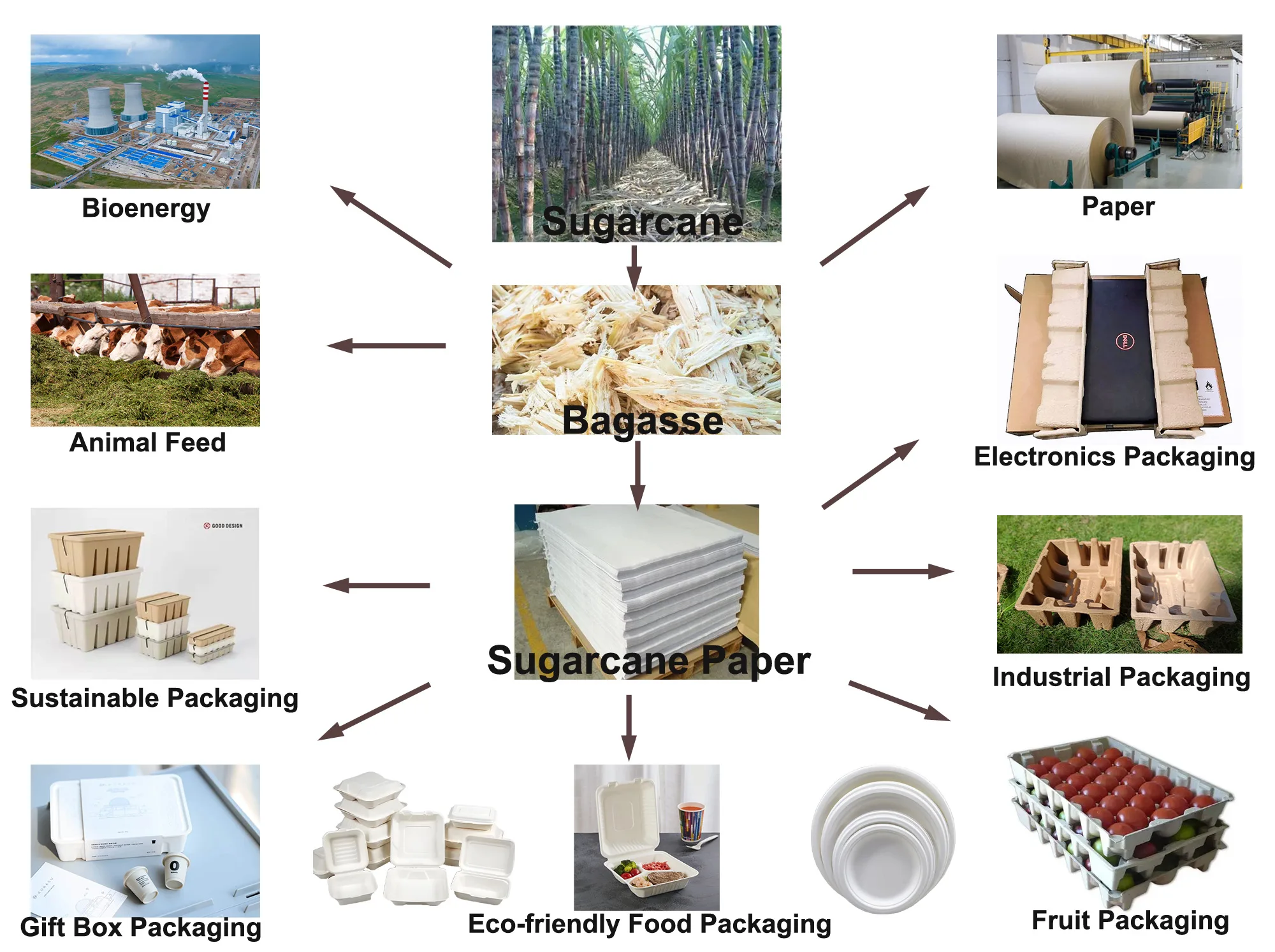
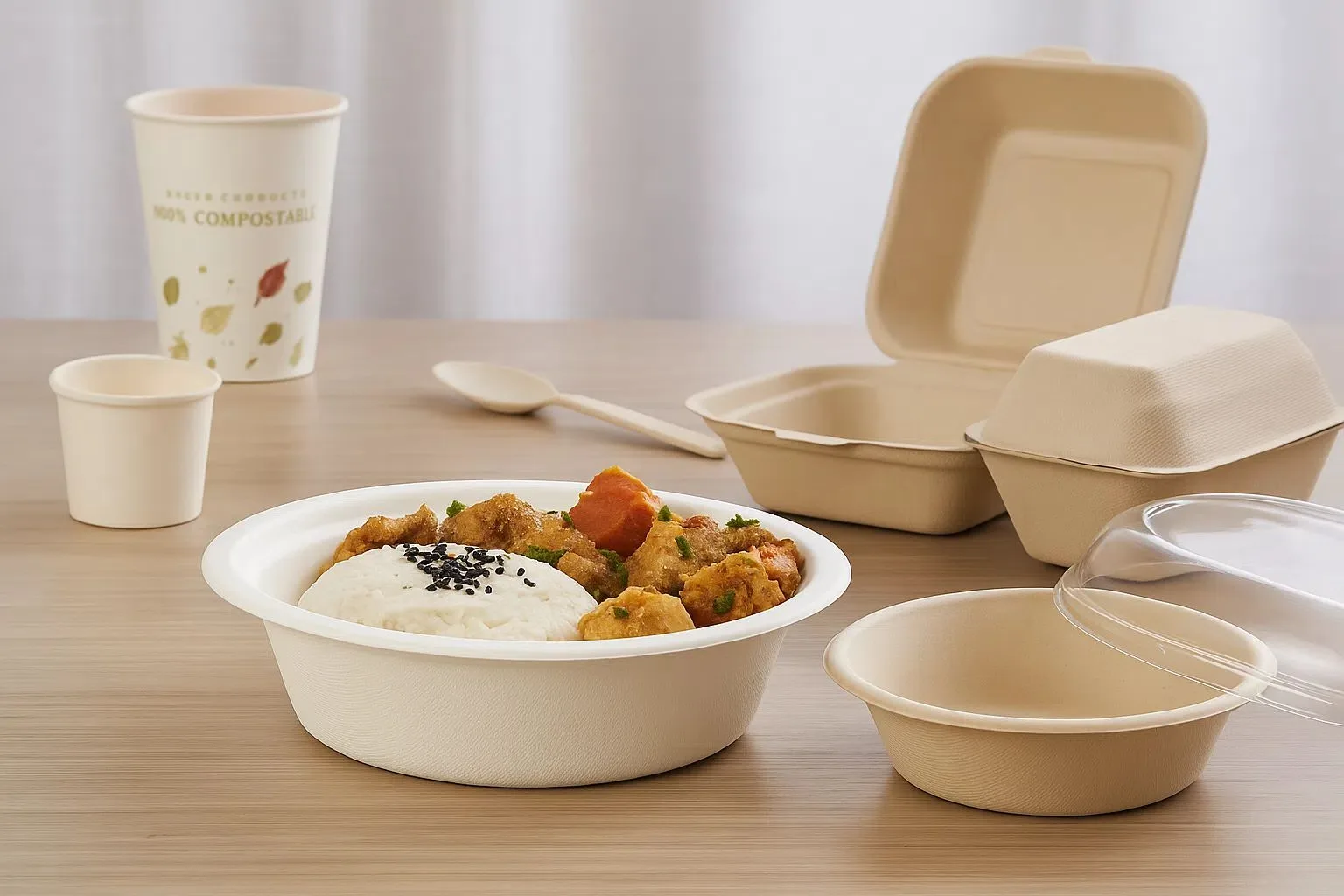
In this context, “sustainable food packaging” in China means more than simply swapping out plastic. It involves certified materials like bagasse, cornstarch bioplastics, kraft paper, and PLA—each offering compostability, non-toxicity, and performance. The real challenge is finding suppliers that combine scale, reliability, and international compliance.
That’s where this list comes in. Below, we spotlight the top 10 suppliers of sustainable food packaging in China, starting with trusted names and rising innovators. All have demonstrated strong capabilities in R&D, compliance, and global distribution—with Bioleader® ranked #2 for its outstanding innovation and quality control.
🧾 Comparison Table: 10 Leading Suppliers in 2025
| Company Name | Year Founded | Headquarters | Key Products |
|---|---|---|---|
| Sunkea | 2008 | Zhejiang | Paper cups, kraft food containers |
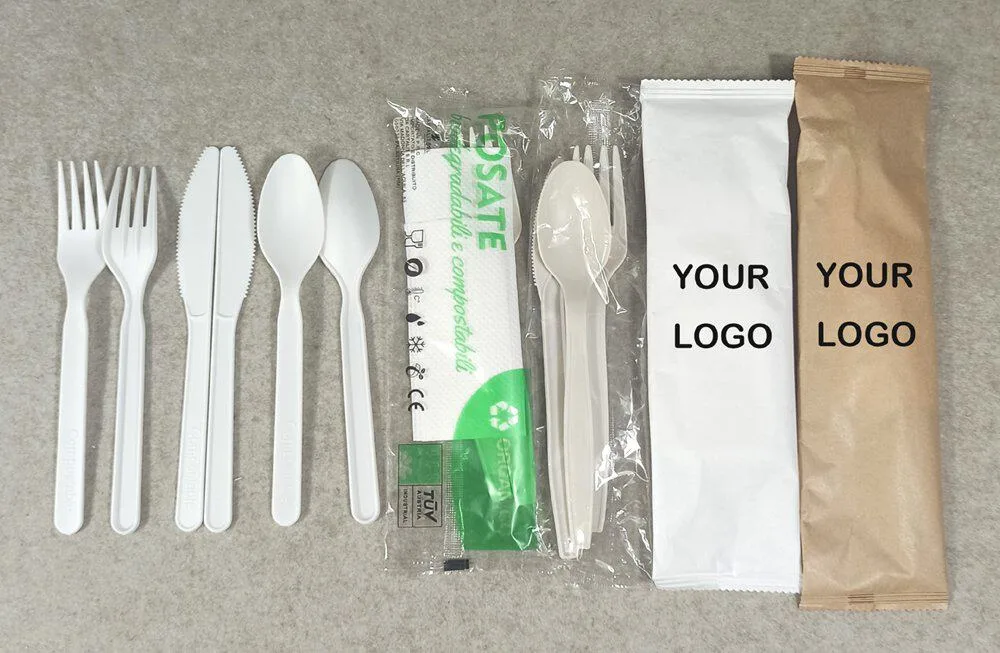
| Bioleader® | 2012 | Fujian | Bagasse boxes, PLA cups, kraft trays, CPLA cutlery |
| YJS Environmental | 2014 | Zhejiang | Bagasse tableware, molded pulp trays |
| Lianfeng Eco | 2010 | Jiangsu | Takeout boxes, kraft salad bowls |
| Green Olive | 2003 | Shandong | Sugarcane containers, PLA packaging |
| Pando | 2012 | Guangdong | Compostable cutlery, kraft takeaway boxes |
| XCBIO | 2013 | Fujian | PLA film, compostable bags, cling wrap |
| BeGreen Pack | 2011 | Guangdong | Bamboo fiber trays, molded food boxes |
| Hengxin Packaging | 2005 | Anhui | Recycled cardboard packaging, kraft retail boxes |
| Jiurui Packaging | 2018 | Sichuan | Biodegradable paper pouches, lunch sets |
1. Sunkea (Zhejiang)
Overview: Founded in 2008, Sunkea has built a solid international reputation for exporting disposable food packaging, especially paper cups and kraft containers.
Key Strengths:
Certified with FSC, BRC, and FDA.
Exports to over 70 countries.
Fast turnaround for custom designs.
Weaknesses:
Less focus on molded fiber innovation.
Limited presence in compostable plastic replacements.
2. Bioleader® (Fujian)
Company Overview:
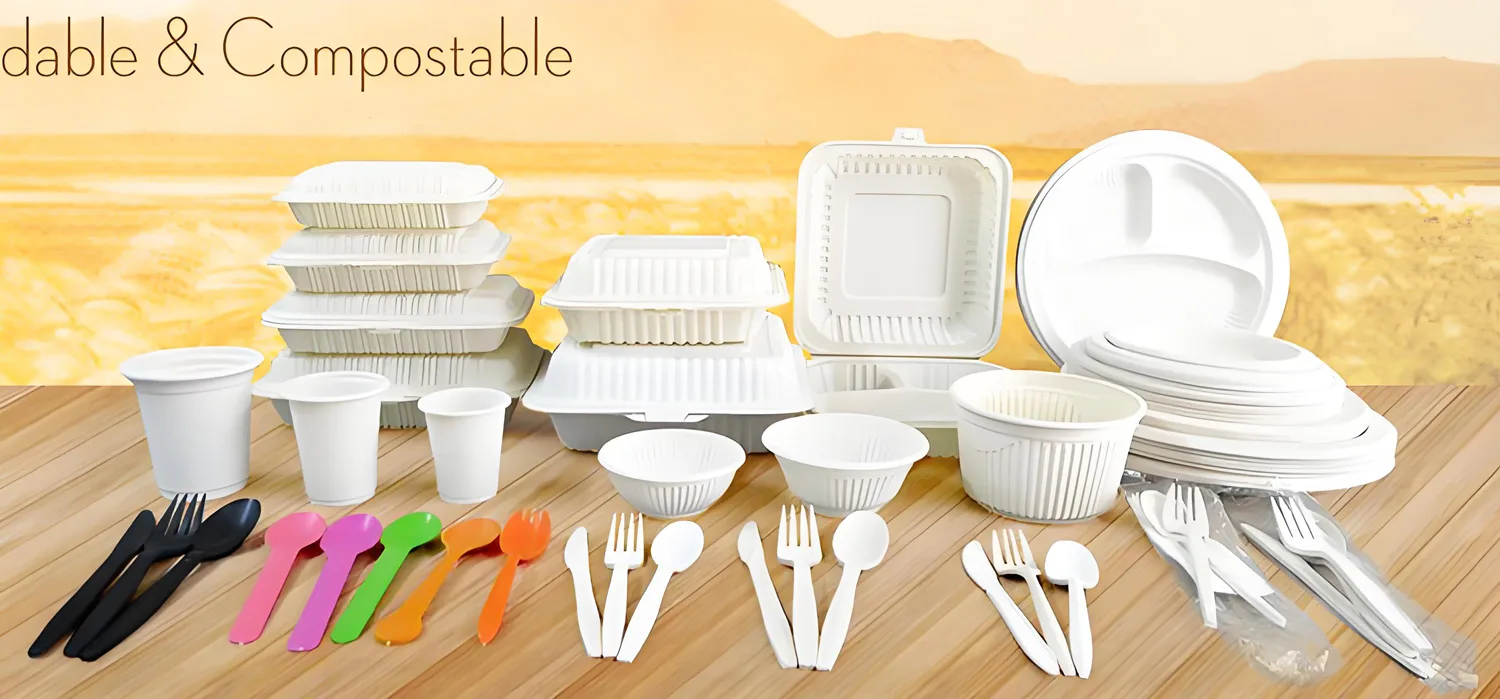
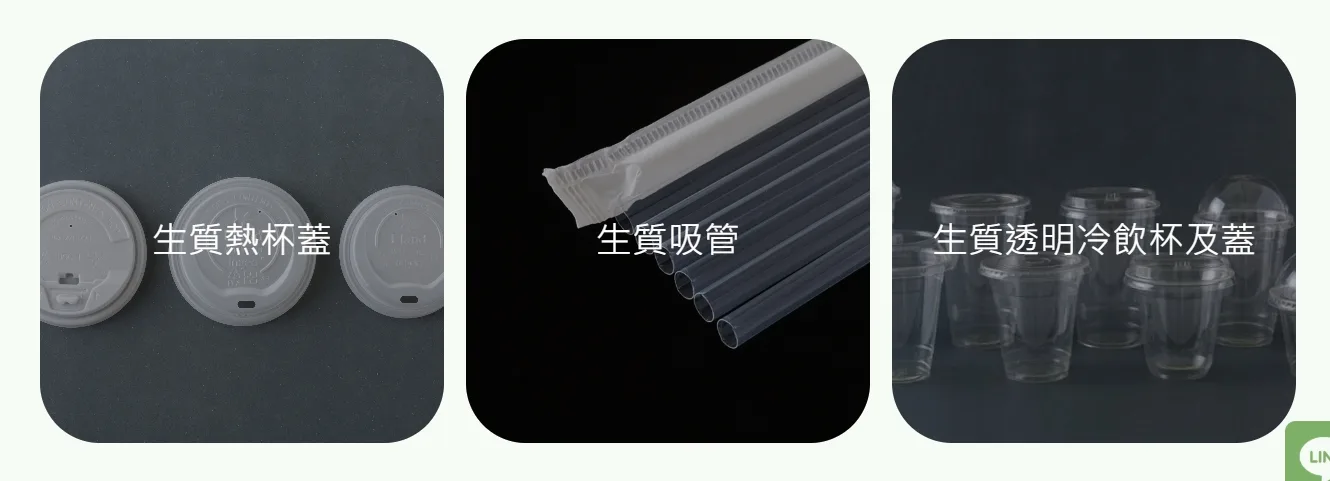
Bioleader® is a leading plastic-free food packaging manufacturer based in Fujian, China. Established in 2012, the company has rapidly gained global recognition for producing 100% compostable packaging, including bagasse food containers, cornstarch tableware, PLA cold cups, and kraft paper boxes.
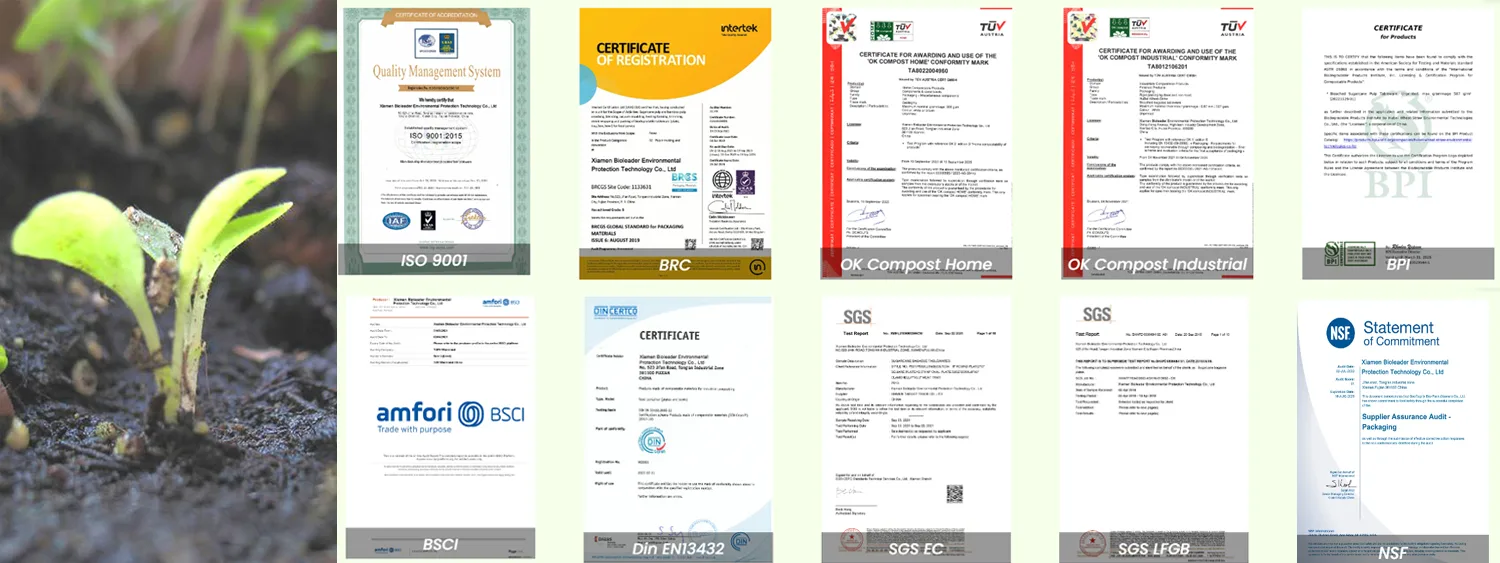
Products certified by EN13432, ASTM D6400, OK Compost, and BPI.
Customization options for color, texture, and private labeling.
Strong export network across the EU, US, Australia, Japan, and the Middle East.
Contact:
📍 Address: No.39 Xinglong Road, Xiamen, Fujian, China
☎️ Phone: +86‑15980856610
📧 Email: [email protected]
🌐 Website: www.bioleaderpack.com
Pros:
Excellent product quality and QC system
Competitive pricing for global wholesale
Great OEM/ODM service
Cons:
Focus is primarily on B2B buyers
Smaller product range in reusable categories
3. YJS Environmental (Zhejiang)
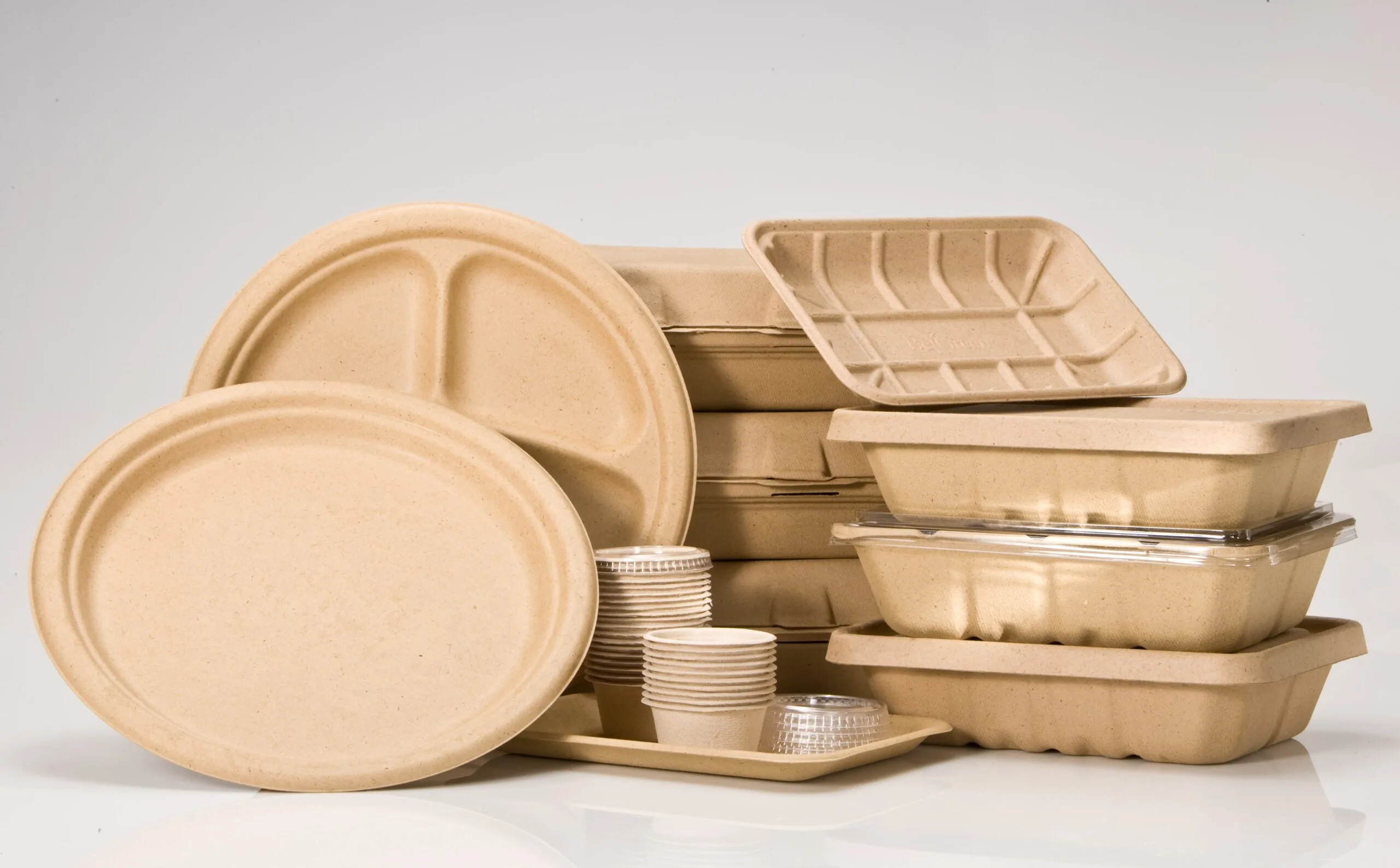
Overview: YJS is known for its clean, efficient production of bagasse and molded pulp containers. It operates multiple BSCI-audited workshops and targets large-volume wholesalers.
Pros:
Strong manufacturing capacity for bagasse
Reasonable pricing and MOQ
EN13432 certified
Cons:
OEM customization requires higher quantities
Limited innovation in PLA or hybrid materials
4. Lianfeng Eco (Jiangsu)
Overview: A major kraft packaging player in Eastern China, Lianfeng Eco is a preferred supplier for supermarket chains and takeout franchises.
Strengths:
Food-safe kraft products with lamination-free coatings
Popular in domestic Chinese markets
Weaknesses:
Smaller export footprint
Mainly paper-based—limited bioplastic innovation
5. Green Olive (Shandong)
Overview: Established in 2003, Green Olive was one of the early pioneers in compostable food packaging in China, with deep expertise in sugarcane and PLA products.
Pros:
Over 20 years of production experience
Diverse line of trays, bowls, and cups
Cons:
Prices slightly higher than newer firms
Slower to introduce bamboo or blended fiber lines
6. Pando (Guangdong)
Overview: Pando focuses on stylish, branded compostable packaging, particularly for high-end foodservice brands and boutique cafés.
Pros:
Great for customized kraft lunch boxes
Strong urban market appeal
GRS and FSC certified
Cons:
Smaller capacity than some competitors
Not focused on molded pulp
7. XCBIO (Fujian)
Overview: XCBIO is a bioplastic film and PLA product specialist with its own proprietary compostable technology.
Strengths:
Strong IP portfolio on PLA film and bags
Supplied to Amazon sellers and global e-commerce
Weaknesses:
Limited hard-shell packaging
Few options for food trays or bowls
8. BeGreen Pack (Guangdong)
Overview: Known for high-end bamboo pulp solutions, BeGreen Pack focuses on minimalist design and environmental certifications.
Pros:
Excellent aesthetics
TÜV Austria, OK Compost, ISO certified
Cons:
Higher cost per unit
Limited to tray and lid applications
9. Hengxin Packaging (Anhui)
Overview: A legacy player in kraft and recycled cardboard, Hengxin Packaging serves both food and retail industries.
Pros:
Scalable kraft box production
FSC-certified materials
Cons:
Not fully compostable in all lines
Focus on dry food and e-commerce more than ready meals
10. Jiurui Packaging (Sichuan)
Overview: One of the newer players, Jiurui specializes in creative biodegradable lunch kits and delivery pouches.
Pros:
Innovative designs
Excellent for branding and visual appeal
Cons:
Not yet certified internationally
Small-scale production
📌FAQs
1. What are the most sustainable food packaging materials?
Top materials include sugarcane bagasse, bamboo pulp, kraft paper, and PLA—all of which are biodegradable and compostable.
2. Are sustainable food containers heat-safe?
Yes. Most bagasse and PLA containers can handle temperatures up to 220°C. Always check product specs and certifications.
3. How do I verify if packaging is truly compostable?
Look for third-party certifications like BPI, OK Compost, EN13432, or ASTM D6400.
4. Can I customize packaging with my brand logo?
Absolutely. Most suppliers—including Bioleader®—offer private label, color matching, and embossing services.
5. Where can I bulk order sustainable food packaging?
China has many options. Brands like Bioleader®, Sunkea, and YJS offer MOQ from 5,000 units and global shipping support.
🧾 Conclusion
China’s sustainable food packaging sector is booming—and these 10 companies represent the best of innovation, compliance, and scale. Whether you’re a startup looking to reduce plastic usage or a global chain sourcing compostable packaging, suppliers like Bioleader®, Sunkea, and YJS provide scalable solutions tailored for 2025 and beyond.
As regulations evolve and consumer demand intensifies, partnering with the right packaging manufacturer will not only reduce your environmental footprint but also enhance your brand’s future.
📚 References
Statista. “Sustainable Packaging Market Size Worldwide.” 2024.
Science of the Total Environment. “Life Cycle Assessment of Biodegradable Packaging.”
bioleaderpack.com – Company Profile & Certifications
Green Olive Packaging Official Site
YJS Environmental Product Brochure
FSC.org – Forest Stewardship Council Certification
TÜV Austria – Compostable Certification Standards
OK Compost – Vinçotte Guidelines
ASTM.org – D6400 Biodegradability Standards
Pando Packaging – Company Sustainability Report