FAQ of Bioleader's Eco-friendly Disposable Tableware
What materials are biodegradable plastic forks and spoons made from?
Biodegradable plastic forks and spoons are usually made from plant-based bioplastics such as cornstarch, PLA, or CPLA, which naturally break down in composting conditions — sustainable composting.
What are the benefits of individually wrapped plastic cutlery?
Individually wrapped plastic cutlery ensures high levels of hygiene, protects against contamination, and provides a convenient and sanitary solution for foodservice environments — sustainable composting.
What are Earth Friendly Utensils Disposable Cutlery made from?
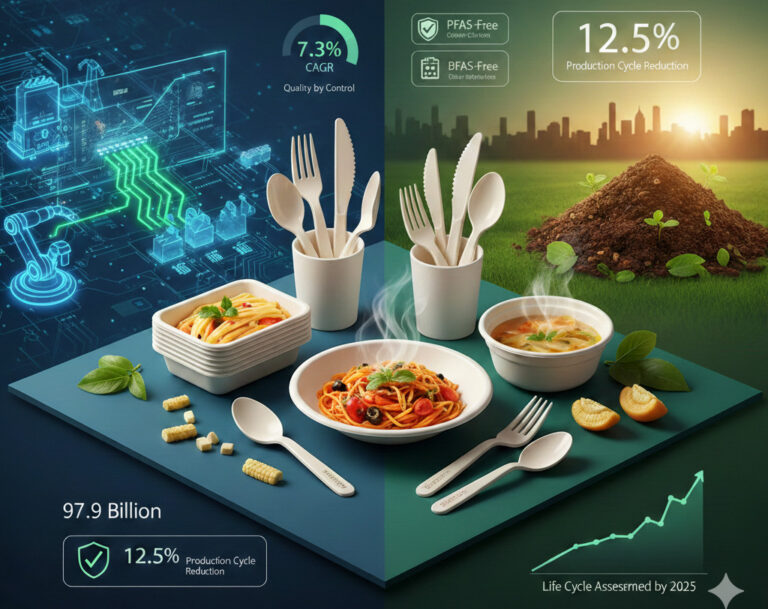
Earth Friendly Utensils Disposable Cutlery is made from renewable plant-based materials like cornstarch or PLA, making them biodegradable and compostable.
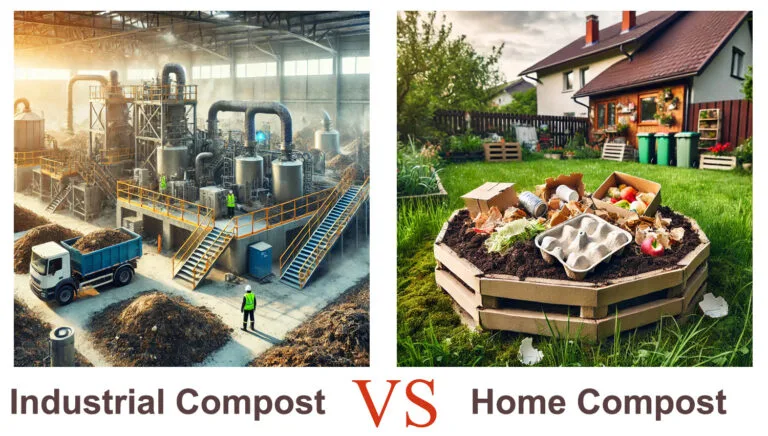
How Industrial Composting Works
Collection & Sorting: Organic waste and compostable materials are collected and sorted to remove contaminants. Shredding & Mixing: Materials are shredded to increase surface area, ensuring faster breakdown. Composting Phase: The mixture is placed in windrows, aerated piles, or in-vessel systems where temperature, moisture, and oxygen are regulated. Maturation: After several weeks or months, the compost stabilizes and becomes a nutrient-rich soil conditioner.
Products That Can Be Industrially Composted
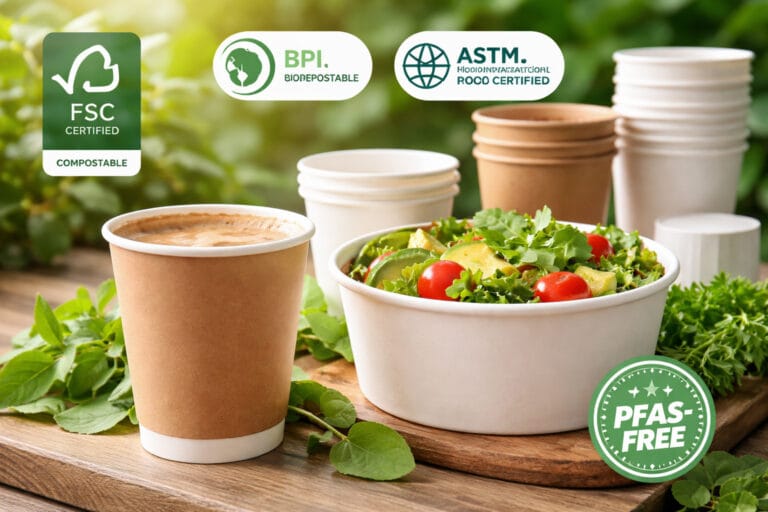
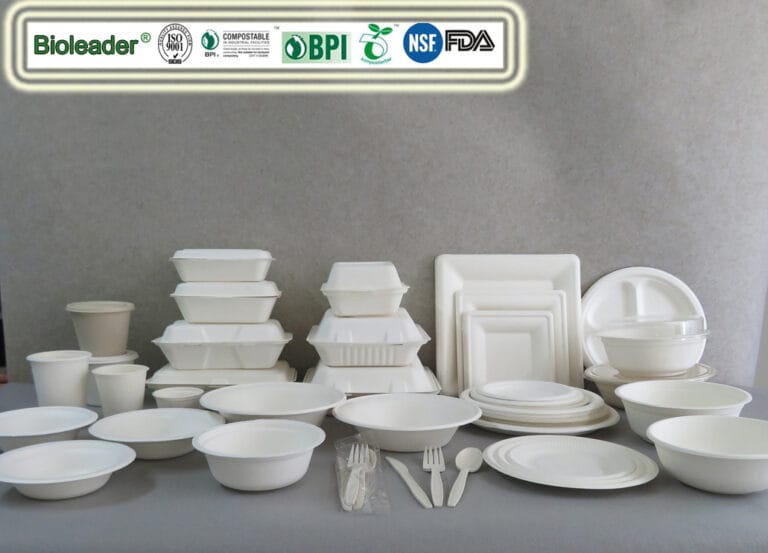
Not all biodegradable materials can break down efficiently in home compost bins. Some require higher temperatures and controlled conditions of industrial composting — sustainable composting. Below are some examples of products that are suitable for industrial composting: Compostable bioplastics (PLA, PHA) Certified compostable food packaging Compostable coffee cups & lids Compostable cutlery Compostable paper plates Compostable trash bags Compostable takeout containers Compostable tea bags & coffee filters Paper-based compostable packaging with biodegradable coatings Agricultural compostable mulch films Compostable hygiene products (certain wipes, diapers, sanitary products) industrial compost What is Home Compost? Home composting is a natural decomposition process that occurs in backyard compost bins or piles, where organic waste is broken down by microorganisms, fungi, and worms.