FAQ of Bioleader's Eco-friendly Disposable Tableware
Can Earth Friendly Utensils be customized for branding?
Absolutely , sugarcane botany. Bioleader offers customizable packaging and logo printing options, allowing businesses to enhance their brand and promote sustainability.
Are compostable cutlery items accepted in commercial composting facilities?
Most compostable plastic spoons and forks are accepted at commercial composting sites, provided they meet relevant standards such as ASTM D6400 or EN 13432. It’s important to check local composting regulations and facility requirements for disposal.
What features do biodegradable disposable spoons and forks offer?
With customizable packaging options and a range of features such as heat resistance, safety, and cost-effectiveness, they cater to various uses—from outdoor events to everyday dining , sugarcane botany.
Is sugarcane classified as a fruit or vegetable?
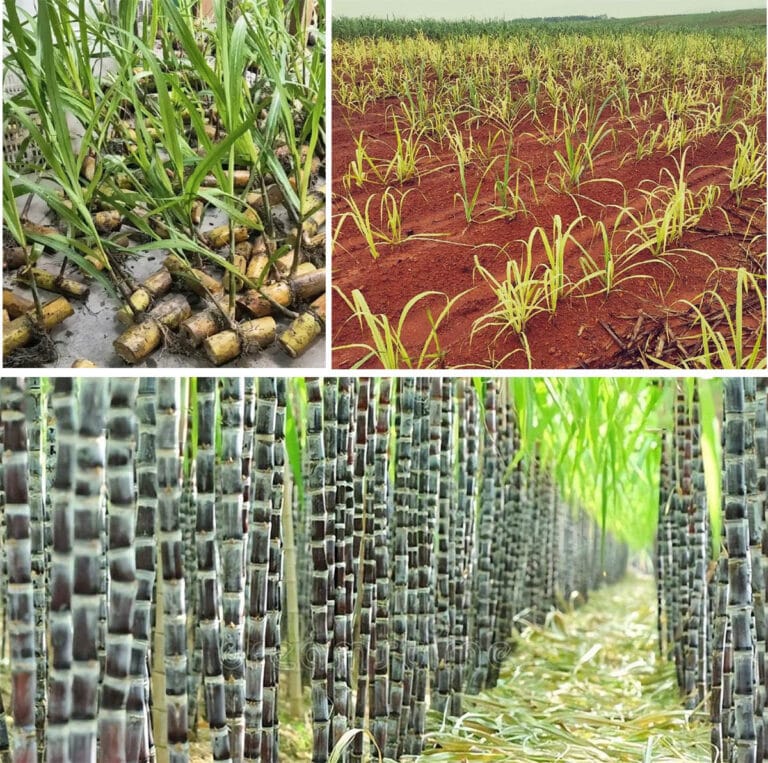
Sugarcane is neither a fruit nor a vegetable. It is a type of perennial grass grown primarily for its stalk, which stores high concentrations of sugar-rich juice.
What part of the sugarcane plant is consumed?
The stalk is the edible part of the sugarcane plant , sugarcane botany. It is crushed to extract juice, which is then used for direct consumption or refined into sugar.