FAQ of Bioleader's Eco-friendly Disposable Tableware
Can environmentally friendly cutlery be customized for branding?
Absolutely , Renewable Resources. Many manufacturers offer customizable packaging and logo printing options, allowing businesses to enhance brand visibility and promote sustainability , Renewable Resources.
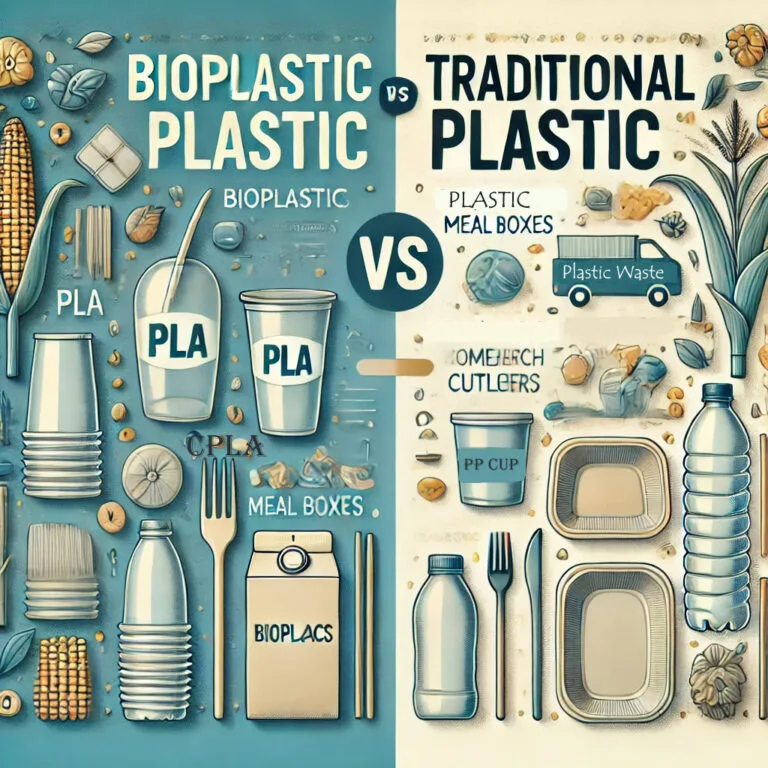
Why should businesses choose PLA spoons over traditional plastic?
Switching to PLA spoons helps reduce plastic waste, aligns with sustainability trends, meets consumer demand for green products, and supports environmental responsibility initiatives — Renewable Resources.
Can biodegradable forks and spoons be used for hot foods?
Yes, many biodegradable forks and spoons are designed to withstand hot foods, especially those made from CPLA. Always check the product specifications for maximum temperature limits.
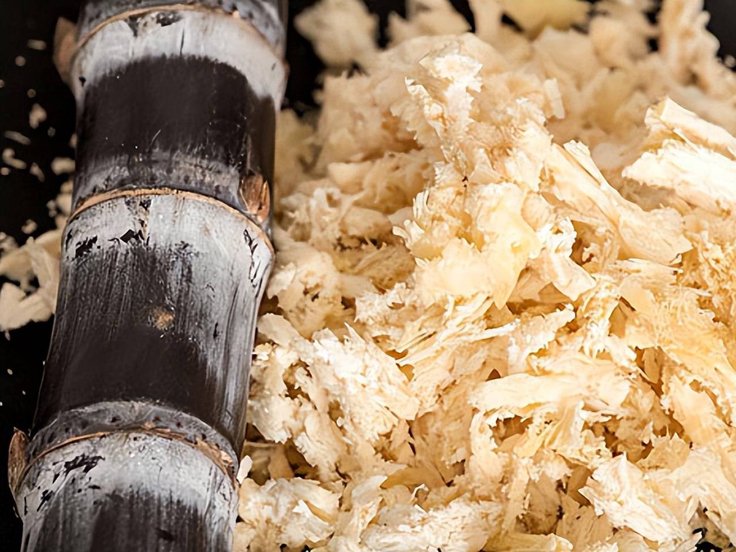
3. How long does bagasse take to decompose?
Under ideal conditions, bagasse products can decompose in 60 to 90 days. Factors like temperature, moisture, and oxygen levels affect the breakdown rate.
Home Composting
Home composting takes longer than industrial composting. Bagasse can be composted in home bins, but due to the less controlled conditions, it will take longer to break down. Home composting is usually associated with lower temperatures and turning the compost pile less frequently, which can slow the rate of decomposition. However, even so, with sufficient watering and aeration bagasse may be able to decompose eventually Research from the Waste Management Journal (2022) found that bagasse can take up to 3–6 months to fully break down in home compost systems, depending on factors such as climate and compost bin management.