PLA Cups With Lids: Strategic Overview | Bioleader® Guide
Actionable coverage of PLA cups with Lids: eco-friendly, biodegradable, compostable materials, performance data, and compliance under EN13432 & ASTM D6400. Includes BPI/TÜV references and Food-Contact Tested guidance for safe deployment. Buyer-focused: manufacturer insights, bulk/wholesale buying playbooks, OEM/ODM customization tips, full size range selection.
FAQ of Bioleader's Eco-friendly Disposable Tableware
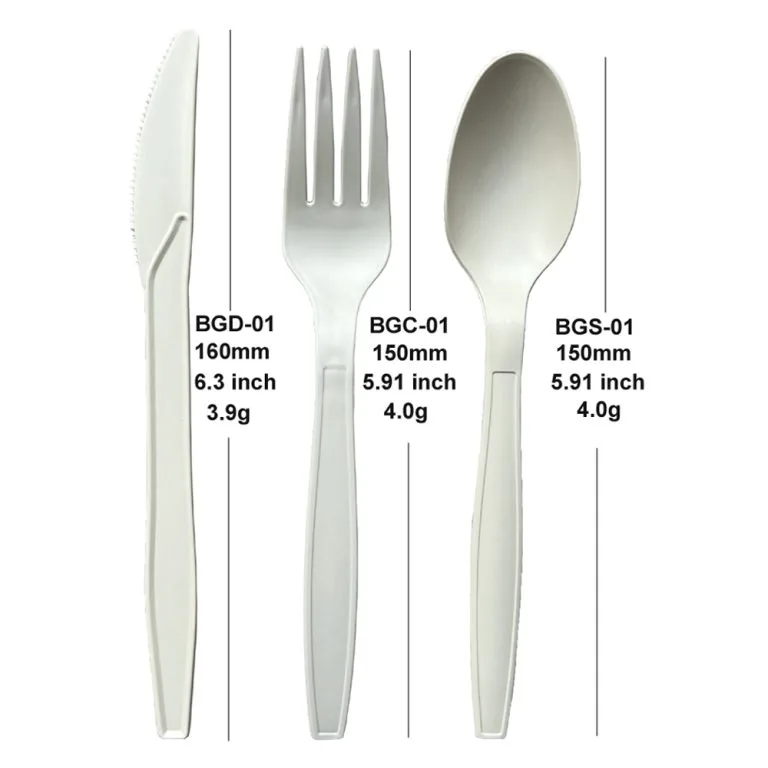
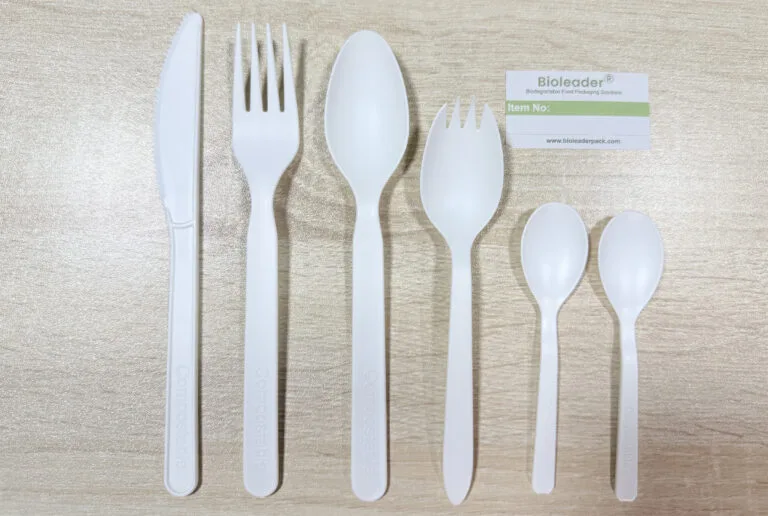
What materials are biodegradable plastic forks and spoons made from?
Biodegradable plastic forks and spoons are usually made from plant-based bioplastics such as cornstarch, PLA, or CPLA, which naturally break down in composting conditions.
Can biodegradable forks and spoons be used for hot foods?
Yes, many biodegradable forks and spoons are designed to withstand hot foods, especially those made from CPLA. Always check the product specifications for maximum temperature limits.
Can PLA spoons be customized for business branding?
Absolutely. PLA spoons can be ordered with customizable packaging and logo printing to support branding for restaurants, catering, and food delivery businesses — PLA cups with Lids.
Moisture Control:
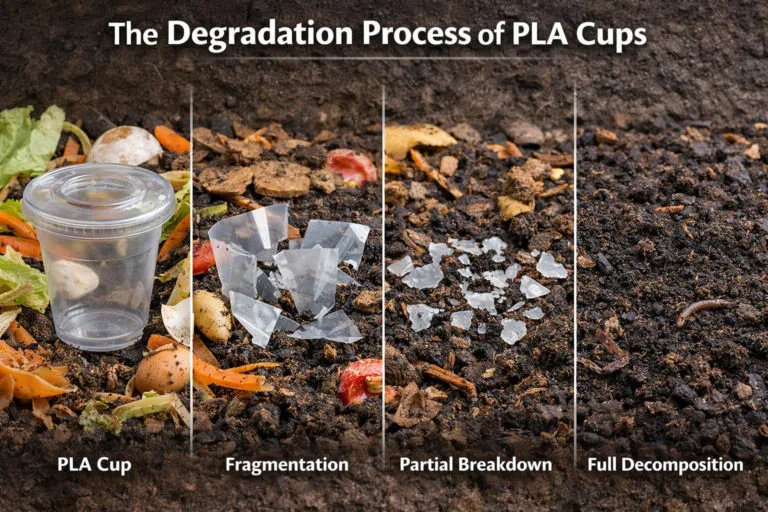
Maintain the compost pile at the ideal moisture level—damp but not soaking wet, like a “wrung-out sponge.” If the compost becomes too dry, the hydrolysis stage will stop, stalling the entire degradation process , PLA cups with Lids. Ensure that the pile is kept moist to maintain optimal microbial activity. By closely monitoring these conditions and actively managing the compost pile, you can significantly improve the degradation speed of PLA at home. 4 , PLA cups with Lids.
Nitrogen Boost:
Mixing PLA with “green” waste, such as kitchen scraps or fresh grass, provides additional nitrogen, which fuels microbial growth and increases the internal heat of the compost pile. This helps raise the temperature to the 40°C mark, accelerating the hydrolysis process.