PLA Cup Regulation EU: Buyer-Oriented Insights | Bioleader® Insights
Actionable coverage of PLA cup regulation EU: eco-friendly, biodegradable, compostable materials, performance data, and compliance under EN13432 & ASTM D6400. Includes BPI/TÜV references and Food-Contact Tested guidance for safe deployment. Buyer-focused: manufacturer insights, bulk/wholesale buying playbooks, OEM/ODM customization tips, full size range selection.
FAQ of Bioleader's Eco-friendly Disposable Tableware
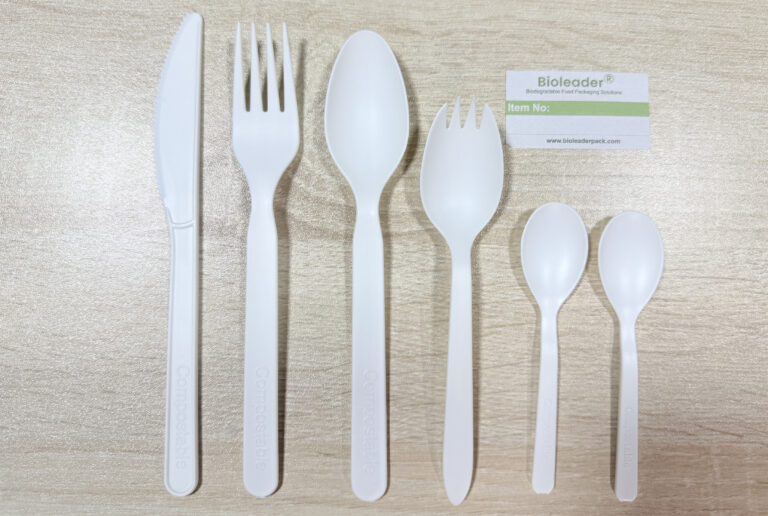
Why are compostable sporks considered better for the environment?
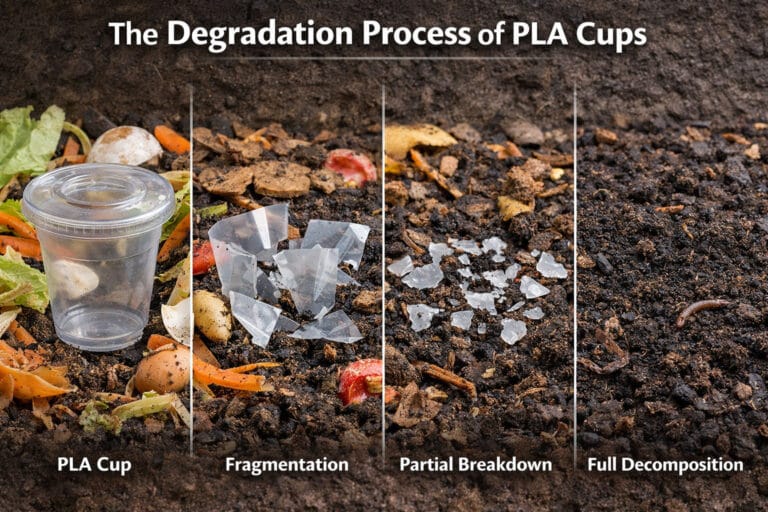
Compostable sporks reduce reliance on petroleum-based plastics, break down naturally without leaving microplastics, and support a circular economy by turning waste into compost — PLA cup regulation EU.
What are compostable plastic spoons and forks made of?
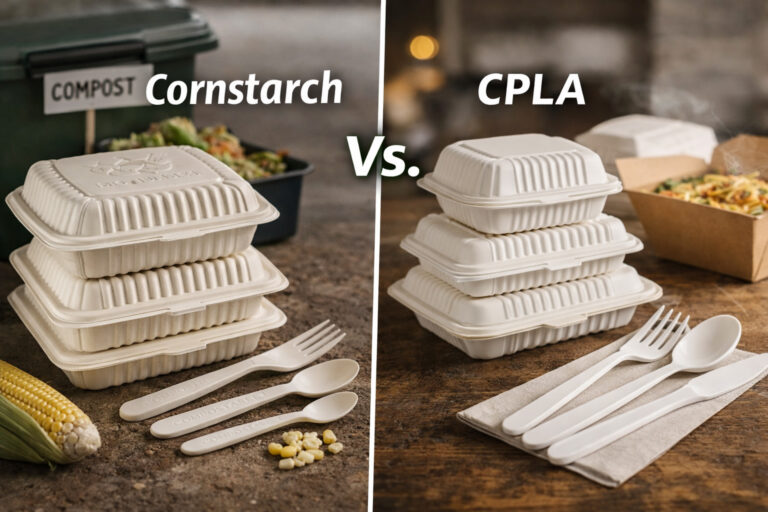
Compostable plastic spoons and forks are typically made from plant-based materials such as cornstarch, PLA (polylactic acid), or CPLA. These materials are biodegradable and designed to break down into natural elements in composting environments , PLA cup regulation EU.
Can individually wrapped plastic cutlery be customized?
Yes, many manufacturers offer custom wrapping designs and logo printing, helping businesses enhance their branding and provide a professional image to customers.
5.2 France – Regulatory Vigilance and Anti-Greenwashing
France has adopted an assertive stance on plastic reduction and sustainability claims. Enforcement of anti-greenwashing rules has increased scrutiny on environmental marketing statements, particularly those involving compostability or biodegradability. Although PLA cups remain legal, distributors report heightened documentation requirements in French tenders. Buyers request certification clarity and precise explanation of composting conditions.
Regulatory Risk Comparison
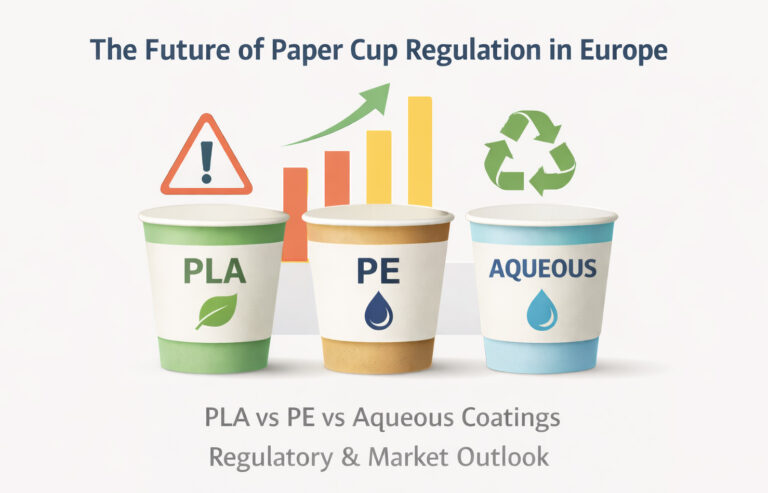
Regulatory Factor PE Lining PLA Lining Aqueous Barrier* Classified as plastic under SUPD Yes Yes Formulation-dependent Mandatory marking Yes Yes Market-dependent EPR inclusion Yes Yes Likely reduced in some cases Branding friction High Moderate Lower Policy tightening risk High Moderate Lower Long-term compliance stability Weak Moderate Stronger *Note: Aqueous classification depends on polymer composition and national interpretation. The model illustrates a core reality: PLA no longer reduces compliance exposure relative to PE. Its advantages must therefore be justified on lifecycle or carbon grounds rather than regulatory grounds , PLA cup regulation EU. 5.