Paper Cup Production: A Complete Overview | Bioleader®
Actionable coverage of Paper cup production: eco-friendly, biodegradable, compostable materials, performance data, and compliance under EN13432 & ASTM D6400. Includes BPI/TÜV references and Food-Contact Tested guidance for safe deployment. Buyer-focused: manufacturer insights, bulk/wholesale buying playbooks, OEM/ODM customization tips, full size range selection.
FAQ of Bioleader's Eco-friendly Disposable Tableware
How long does it take for bio plastic cutlery to decompose?
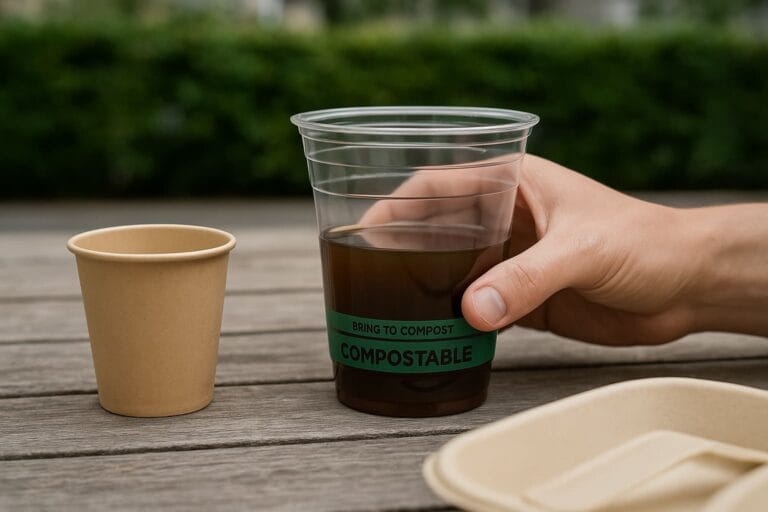
Under industrial composting conditions, bio plastic cutlery generally decomposes within 90 to 180 days, depending on the material and composting environment.
Is individually wrapped cutlery suitable for outdoor events and travel?
Absolutely. The individual packaging keeps the cutlery clean and ready to use, making it ideal for outdoor parties, picnics, travel, and catering services.
Is bio plastic cutlery safe for hot foods?
Yes, bio plastic cutlery is designed to be heat-resistant and durable, making it suitable for use with both hot and cold foods in various dining environments.
Definition: Understanding Water-Based Coatings
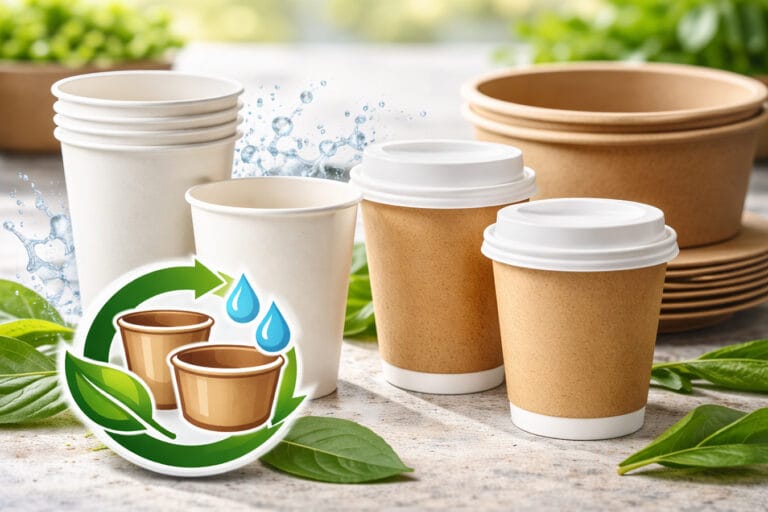
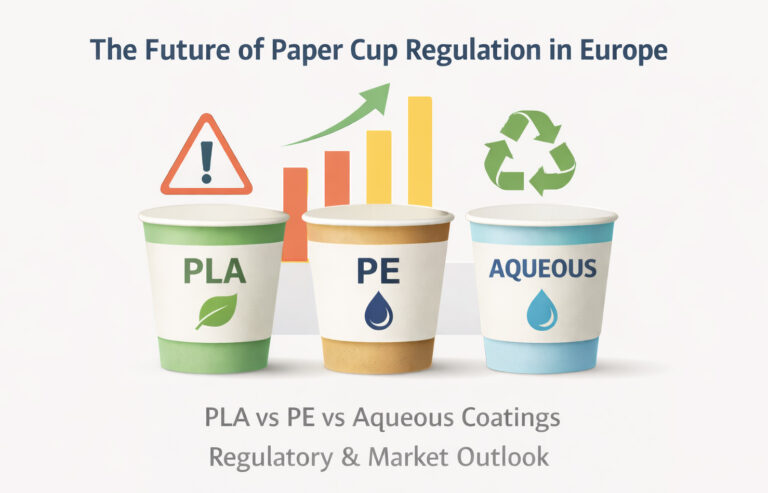
Water-based coatings are a type of protective layer used primarily in the packaging industry, especially for paper products such as cups, bowls, and trays. As the name suggests, the primary solvent used in these coatings is water, as opposed to petroleum-based solvents typically found in traditional coatings like polyethylene (PE). Water-based coatings are composed of water-soluble resins, natural additives, and other eco-friendly ingredients that combine to create a thin, durable protective layer on the surface of paper products — Paper cup production. These coatings are designed to provide various benefits, such as moisture resistance, oil resistance, and a smooth surface that is suitable for printing and branding , Paper cup production.
Step 1: Paper Selection and Preparation
The production process starts with selecting the right type of paper for the cups and bowls. This paper is typically made from renewable resources such as wood pulp or recycled paper. Once the raw paper is sourced, it is prepared by passing through various processes, including pulping, refining, and drying, to achieve the desired thickness and strength — Paper cup production.