The 2025 Buyer’s Guide To Paper Bowl Vs Plastic Bowl | Bioleader® Insights
Actionable coverage of paper bowl vs plastic bowl: eco-friendly, biodegradable, compostable materials, performance data, and compliance under EN13432 & ASTM D6400. Includes BPI/TÜV references and Food-Contact Tested guidance for safe deployment. Buyer-focused: manufacturer insights, bulk/wholesale buying playbooks, OEM/ODM customization tips, full size range selection.
FAQ of Bioleader's Eco-friendly Disposable Tableware
What is BPI compostable cutlery made from?
BPI compostable cutlery is typically made from plant-based materials such as cornstarch, PLA, or other renewable bioplastics that fully biodegrade under commercial composting conditions.
How are biodegradable spoons and forks produced?
These utensils are created through a meticulous production process, ensuring high quality and durability.
1. Bioleader® CPLA Fork Spoon Knife—(7 inch): Embossed “Compostable” Logo
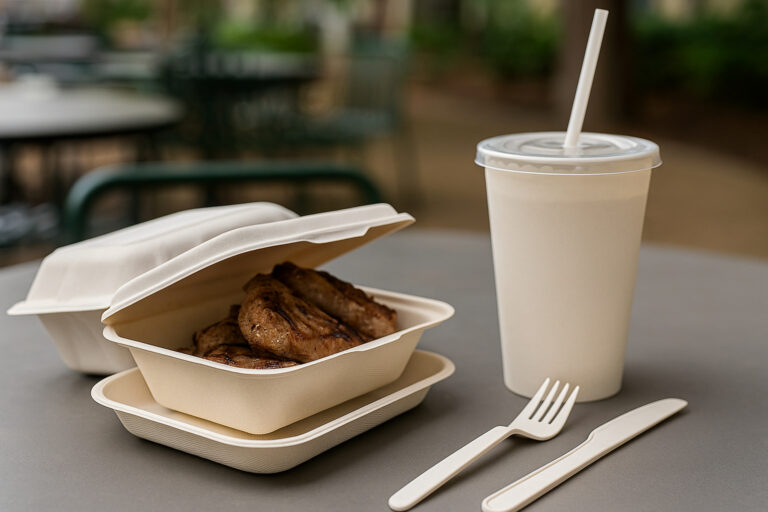
Item Name / Material Weight Size(mm) PCS/CTN Carton Size(cm) CPLA-02 CPLA Fork 4.8g 7inch/ 170mm 1000 44 18 23.5 CPLA-03 CPLA Spoon 4.9g 7inch/ 170mm 1000 34.5 19 19 CPLA-01 CPLA Knife 5g 7inch/ 180mm 1000 47.5 18 22.5 About CPLA : CPLA (Crystallized Polylactic Acid) represents a derivative of PLA (Polylactic Acid), of which bioplastics can be obtained from easily renewable resources like corn starch or sugarcane. Due to the crystallization process in CPLA, the material’s toughness and heat resistance are increased, allowing this bioplastic to be used for high-temperature applications such as cutlery; otherwise, the regular PLA would soften or deform. Biodegradable and Compostable BPI Certified Eco-Friendly CPLA Utensils : CPLA cutlery is made from plant-based resources like corn starch, BPI-certified 100% industrial-compostable in 90 days, and can break down entirely in industrial composting facilities. Each of our Non-plastic fork, spoon, and knife has “compostable” embossed on it.
3. Transportation and Packaging
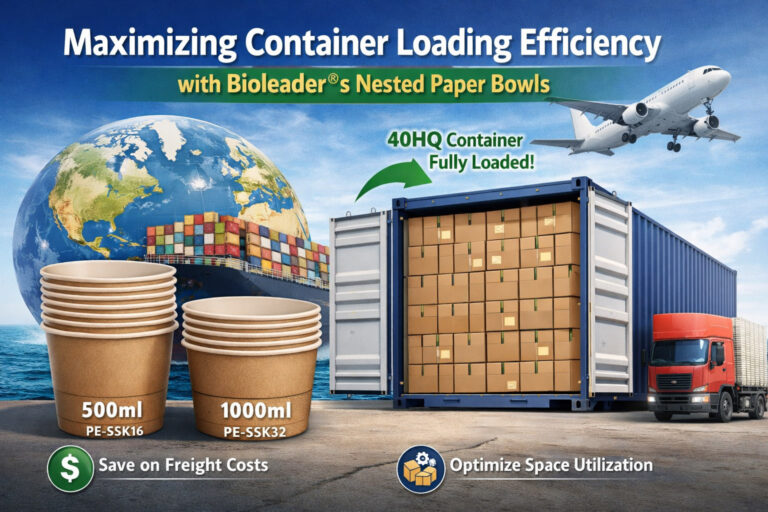
Kraft bowls tend to be lighter (per cubic volume) and nest more efficiently, leading to lower transport emissions. Their square or stackable designs optimize cargo utilization , paper bowl vs plastic bowl. Plastic bowls are denser and often packed with air gaps, leading to higher transport-related CO₂ emissions per 10,000 units.
5. End-of-Life Treatment
Kraft: Compostable (home or industrial), recyclable (if unlined), or incinerated with lower toxin emissions , paper bowl vs plastic bowl. Under the right conditions, kraft decomposes in 60–90 days , paper bowl vs plastic bowl. Plastic: PET and PP are technically recyclable but require clean separation and often end up landfilled. EPS is non-recyclable, and most plastic packaging takes 400–1000 years to degrade.