FAQ of Bioleader's Eco-friendly Disposable Tableware
Why should businesses switch to environmentally friendly cutlery?
Switching to environmentally friendly cutlery helps reduce plastic waste, meets growing consumer demand for sustainable products, and enhances a business’s environmental reputation.
Are eco-friendly utensils safe for hot and cold foods?
Yes, high-quality eco-friendly utensils are designed to withstand both hot and cold foods without bending or breaking, making them suitable for various dining needs.
Where is individually wrapped cutlery commonly used?
It is widely used in restaurants, healthcare facilities, offices, schools, events, and for travel, wherever single-use and sanitary standards are a top priority.
Cornstarch-Based Biopolymers
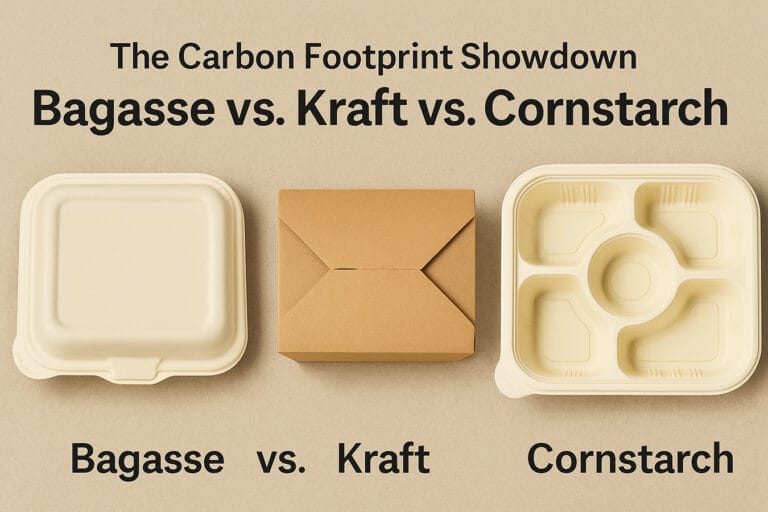
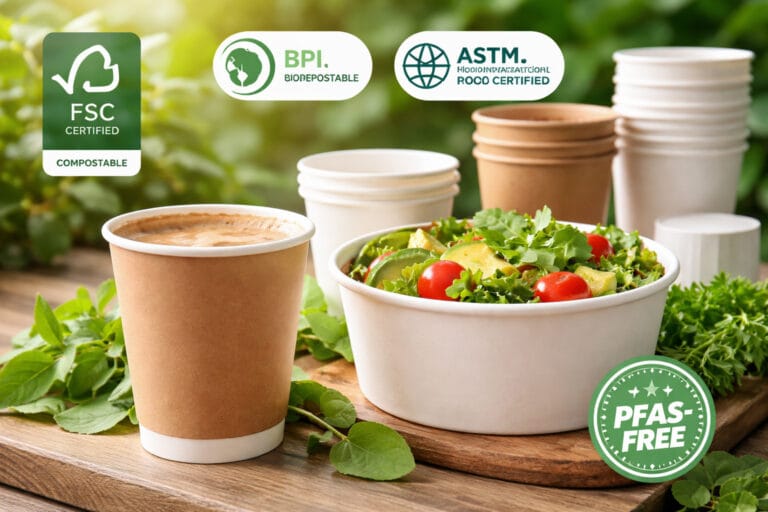
Starch-based bioplastics (and blends) enable microwaveable, stiff, and sometimes transparent or contoured designs. However, compostability claims must anchor to recognized standards (e.g., ASTM D6400 for US markets; EN 13432 for EU) and to infrastructure reality—i.e., whether municipal/industrial composting exists and accepts the article , Packaging Carbon Emissions. Without access to appropriate composting, nominal “compostable” advantages may not materialize; labeling must not overpromise — Packaging Carbon Emissions. LCA Results: CO₂e by Life-Cycle Stage
Bagasse Pulp Molding
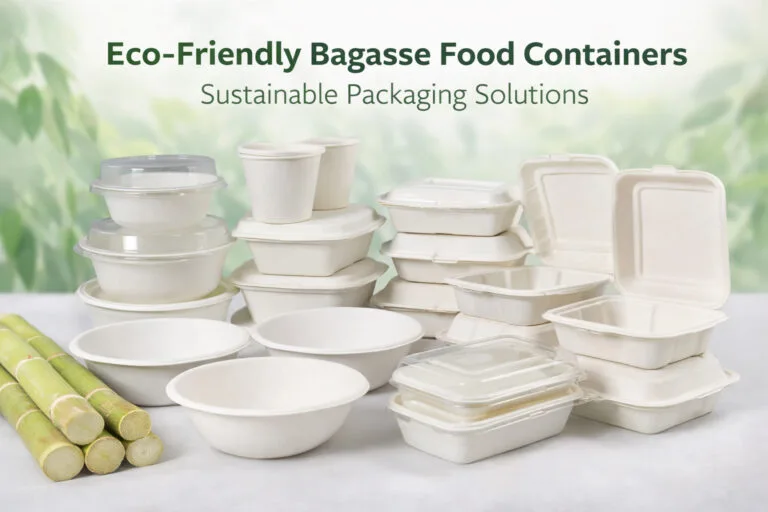
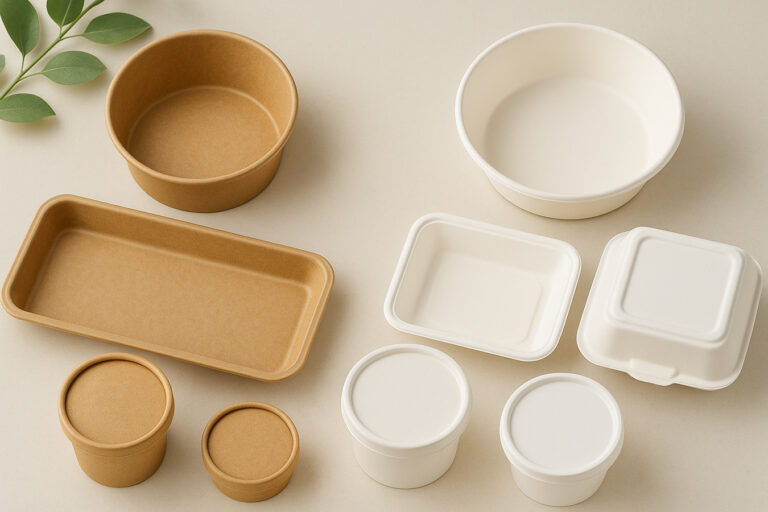
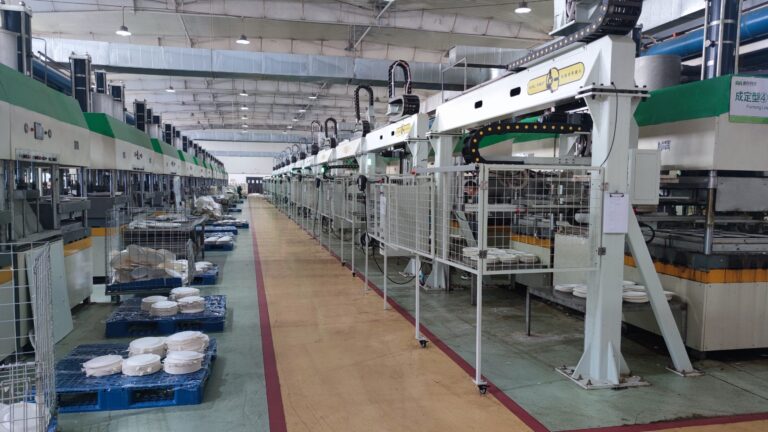
Bagasse is the fibrous by-product of sugarcane processing. After pulping and molding (wet-press or form-press routes), the result is a rigid, heat-tolerant article often compatible with hot, oily foods. Under recovery-friendly systems (where organic recovery and composting are available and correctly used), bagasse can realize strong net-carbon advantages by diverting material into biological cycles and mitigating methane potential (vs. landfilling) , Packaging Carbon Emissions.