Guide To Lignocellulosic Biomass: Materials, Standards & Best Practices | Bioleader® Sustainable Packaging

Actionable coverage of Lignocellulosic Biomass: eco-friendly, biodegradable, compostable materials, performance data, and compliance under EN13432 & ASTM D6400. Includes BPI/TÜV references and Food-Contact Tested guidance for safe deployment. Buyer-focused: manufacturer insights, bulk/wholesale buying playbooks, OEM/ODM customization tips, full size range selection.

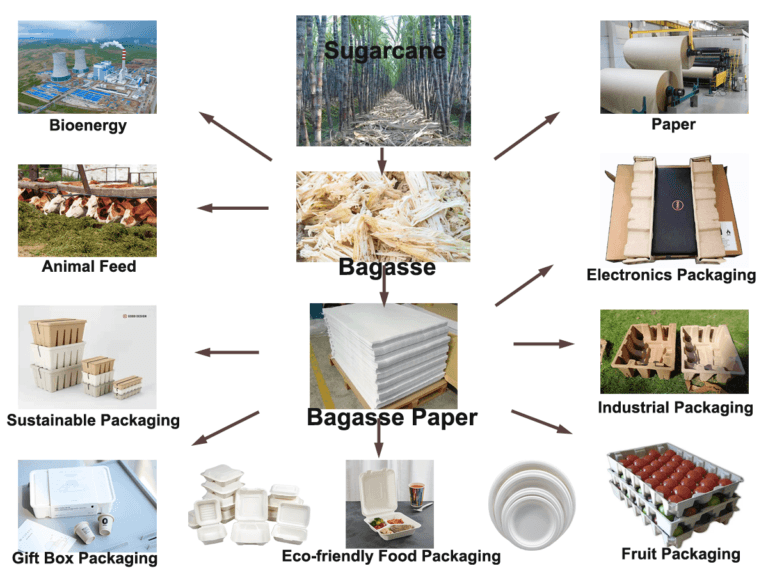
The sugar industry generates millions of tons of bagasse annually as a byproduct of sugarcane processing. Traditionally, this fibrous residue was primarily used as fuel in sugar mills, but modern technological advancements have unlocked a myriad of innovative applications. From bioenergy to bioplastics, bagasse is emerging as a key player in sustainable industrial development. This article explores the latest and most innovative applications of bagasse, supported by scientific research and industry trends.

Lignocellulosic Biomass — Quick Summary
  • Items displayed (articles): 12
  • Last updated: 2025-02-08
  • Includes test data, compliance guides, buyer FAQs, and real-world use cases.

Editor’s Picks: Top Lignocellulosic Biomass Guides 2025

FAQ of Bioleader's Eco-friendly Disposable Tableware

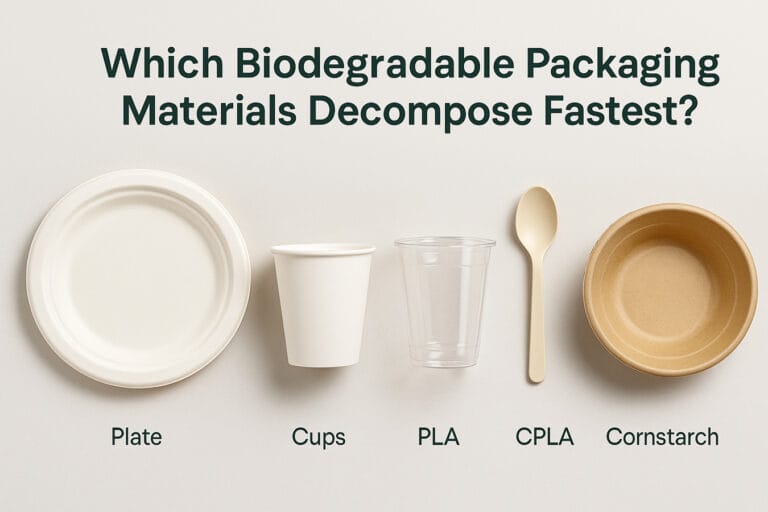
How long does it take for compostable trays to decompose?

Compostable trays, especially those made from bagasse or sugarcane, usually decompose within 90 to 180 days in commercial or home composting environments, depending on moisture, temperature, and microbial activity , Lignocellulosic Biomass.

Can sugarcane pulp trays be purchased in bulk with custom branding?

Yes. Most manufacturers offer bulk wholesale with custom branding options, including embossing, logo printing, and private label packaging—ideal for restaurants, food manufacturers, and eco-conscious distributors.

Are compostable food trays microwave-safe?

Yes, most compostable food trays made from bagasse or sugarcane pulp are microwave-safe — Lignocellulosic Biomass. They can safely withstand typical microwave heating conditions without releasing harmful substances or losing structural integrity.

Is bagasse economically beneficial for sugar producers?

Yes, utilizing bagasse helps sugar mills reduce waste disposal costs, generate internal energy, and tap into new revenue streams through bioproduct markets like packaging and pulp , Lignocellulosic Biomass.

What are the environmental benefits of using bagasse?

Bagasse reduces agricultural waste, lowers greenhouse gas emissions, and supports circular economy practices by transforming byproducts into value-added sustainable goods.

Related Insights

🚀Ready to Go Green and Choose ?

Join the global movement toward zero-waste packaging.


Bioleader® offers:

  • 📦 Bulk order support & fast delivery

  • ✍️ Custom branding and OEM solutions

  • 🌍 Worldwide eco-packaging compliance

Get the Catalogue Products List  & Contact Us Now! 👉

Contact us Below

Click or drag files to this area to upload.You can upload up to 5 files.
The more details you share, the faster and more accurate our quotation will be.