Trends In High Quality Biodegradable Plates: Market Insights, Innovations & FAQs | Bioleader® Guides
Actionable coverage of high quality biodegradable plates: eco-friendly, biodegradable, compostable materials, performance data, and compliance under EN13432 & ASTM D6400. Includes BPI/TÜV references and Food-Contact Tested guidance for safe deployment. Buyer-focused: manufacturer insights, bulk/wholesale buying playbooks, OEM/ODM customization tips, full size range selection.
FAQ of Bioleader's Eco-friendly Disposable Tableware
What is BPI compostable cutlery made from?
BPI compostable cutlery is typically made from plant-based materials such as cornstarch, PLA, or other renewable bioplastics that fully biodegrade under commercial composting conditions.
How does buying compostable spoons and forks wholesale save costs?
Purchasing compostable cutlery in bulk reduces the per-unit price and shipping expenses. Wholesale suppliers often offer tiered pricing or discounts for larger orders, which helps businesses lower their overall operational costs.
Can environmentally friendly cutlery be customized for branding?
Absolutely. Many manufacturers offer customizable packaging and logo printing options, allowing businesses to enhance brand visibility and promote sustainability.
Advantages of Bagasse Plates
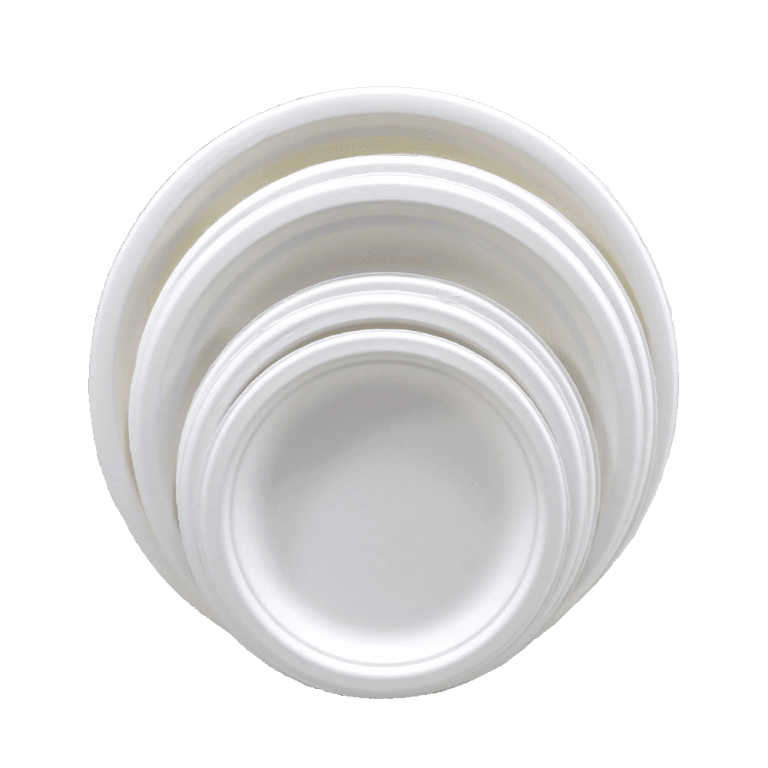
Bagasse plates offer several notable benefits: Sustainability:By converting agricultural waste into functional products, bagasse plates reduce the need for virgin raw materials and help mitigate deforestation pressures , high quality biodegradable plates. This sustainable approach not only optimizes resource use but also adds value to what was once discarded — high quality biodegradable plates. Rapid Biodegradation:Under controlled composting conditions, bagasse plates typically decompose within 60 to 90 days. This rapid degradation ensures that, unlike plastic plates, they do not accumulate in landfills or contribute to long-term pollution , high quality biodegradable plates.
Comparative Life Cycle Assessment
A critical aspect of evaluating any product’s sustainability is its life cycle assessment (LCA). Comparative LCAs have revealed that the environmental impact of biodegradable plates—whether made from bagasse, cornstarch, or other materials—is markedly lower than that of traditional ceramics or plastics. For example, a study comparing ceramic plates with corn-starch biodegradable plates found that ceramics, when used less than 50 times, had an environmental impact up to five times higher than that of single-use biodegradable options. This analysis underscores the efficiency of eco-friendly plates in reducing resource consumption and carbon emissions across their lifecycle.