Trends In Export Strategy: Market Insights, Innovations & FAQs | Bioleader® Insights

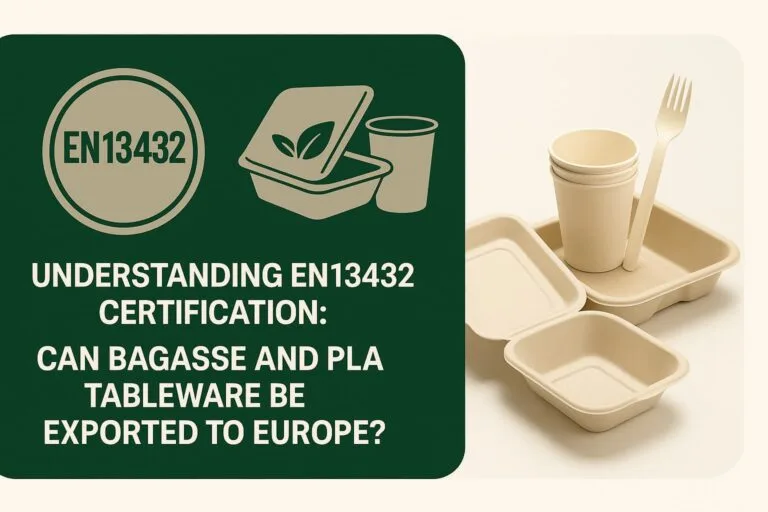
Actionable coverage of Export Strategy: eco-friendly, biodegradable, compostable materials, performance data, and compliance under EN13432 & ASTM D6400. Includes BPI/TÜV references and Food-Contact Tested guidance for safe deployment. Buyer-focused: manufacturer insights, bulk/wholesale buying playbooks, OEM/ODM customization tips, full size range selection.
Quick Summary:
In 2025–2026, global regulations are reshaping the biodegradable tableware industry: from mandatory EN13432, ASTM D6400/BPI, and ISO certifications to strict EPR and compostable labeling laws across EU, US, Canada, APAC, and Japan. Brands that pair certified materials like bagasse, PLA, and PHA with digital traceability via QR-linked compliance and AI-powered export tools will lead—securing market access, consumer trust, and resilient growth in the era of regulatory scrutiny.
Export Strategy — Quick Summary
  • Items displayed (articles): 12
  • Last updated: 2025-07-28
  • Includes test data, compliance guides, buyer FAQs, and real-world use cases.

Editor’s Picks: Top Export Strategy Guides 2025

FAQ of Bioleader's Eco-friendly Disposable Tableware

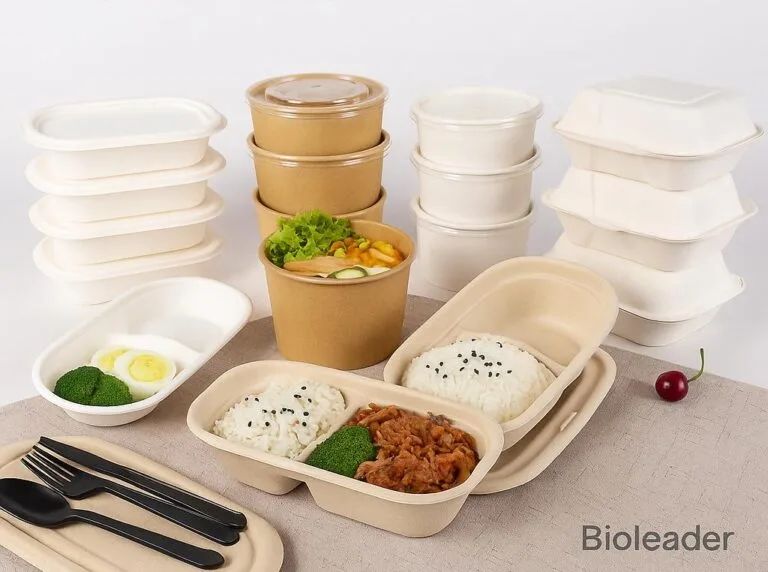
Can I order disposable bagasse trays in bulk with branding?

Yes. Manufacturers offer bulk wholesale options with private label packaging, custom embossing, and logo printing—perfect for restaurants, meal kit services, schools, and environmentally conscious food businesses.

Are trays with lids suitable for both hot and cold meals?

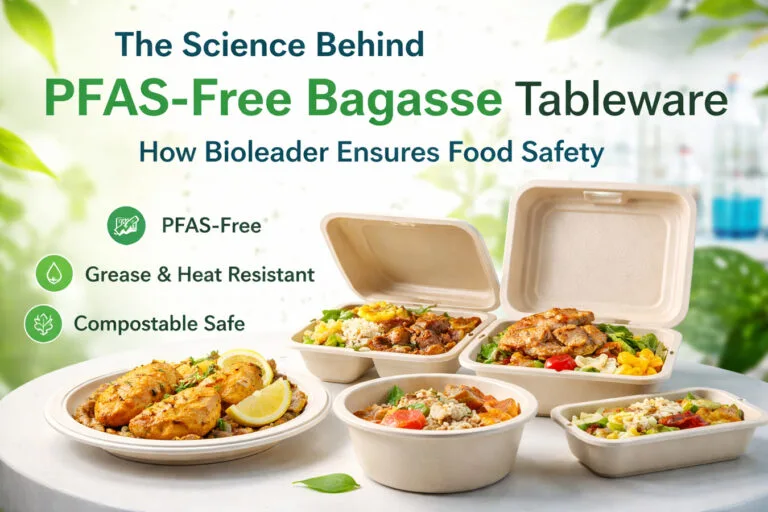
Yes. High-quality eco trays are heat-resistant up to 120°C and freezer-safe. They’re ideal for packing hot dishes like rice and curries or cold items like salads, desserts, and refrigerated meals.

Are molded pulp trays microwave- and freezer-safe?

Yes , Export Strategy. Sugarcane bagasse trays are heat-resistant up to 120°C and freezer-safe down to -10°C — Export Strategy. They can be used for hot meals, chilled foods, and even reheating in the microwave without losing structural integrity.

What is EPR, and how does it impact exporters?

EPR (Extended Producer Responsibility) is a regulatory system requiring producers/exporters to register, report, and take responsibility for their packaging waste in the market of sale. Without EPR registration, goods may be blocked at customs.


How does AI improve packaging compliance and export risk management?

AI enhances packaging compliance and export operations by automating certificate verification against official databases, continuously monitoring global regulatory changes, and alerting compliance teams to new requirements , Export Strategy. It manages and archives all documentation for instant access during audits, calculates export risk scores for each shipment, and generates tailored compliance reports for clients and customs authorities. This minimizes manual errors, reduces clearance delays, and ensures exporters stay compliant in every target market.

Related Insights

🚀Ready to Go Green and Choose ?

Join the global movement toward zero-waste packaging.


Bioleader® offers:

  • 📦 Bulk order support & fast delivery

  • ✍️ Custom branding and OEM solutions

  • 🌍 Worldwide eco-packaging compliance

Get the Catalogue Products List  & Contact Us Now! 👉

Contact us Below

Click or drag files to this area to upload.You can upload up to 5 files.
The more details you share, the faster and more accurate our quotation will be.