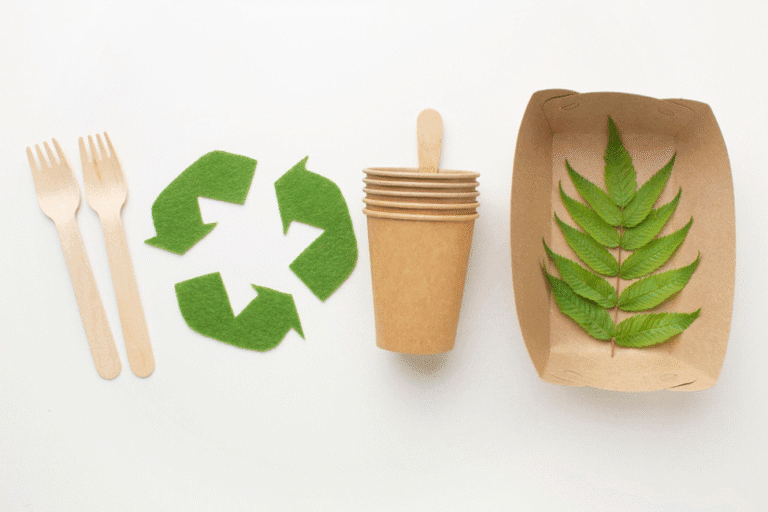
FAQ of Bioleader's Eco-friendly Disposable Tableware
Can Earth Friendly Utensils be customized for branding?
Absolutely , Environmentally Friendly Food Containers. Bioleader offers customizable packaging and logo printing options, allowing businesses to enhance their brand and promote sustainability , Environmentally Friendly Food Containers.
What are compostable plastic spoons and forks made of?
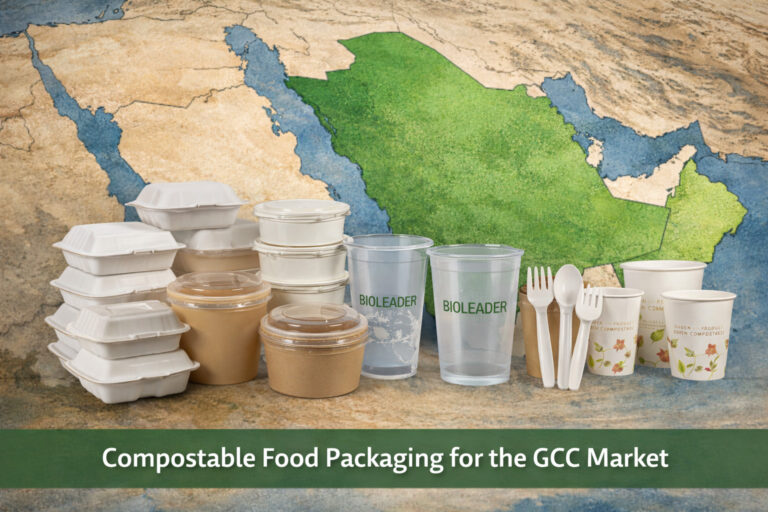
Compostable plastic spoons and forks are typically made from plant-based materials such as cornstarch, PLA (polylactic acid), or CPLA. These materials are biodegradable and designed to break down into natural elements in composting environments.
How long do biodegradable plastic forks and spoons take to decompose?
The decomposition time varies, but most biodegradable plastic cutlery will break down within 3 to 6 months in commercial composting facilities.
3. Paper Bowls and Boxes
Paper containers often have a PE (polyethylene) or PLA coating for water and oil resistance. Advantages: Widely recyclable (if using PE) or compostable (if using PLA). Disadvantages: PE-coated containers are not compostable; PLA-coated versions need industrial composting. Cost-Effectiveness: Affordable for large-scale use in food services — Environmentally Friendly Food Containers.
Regulatory Approvals
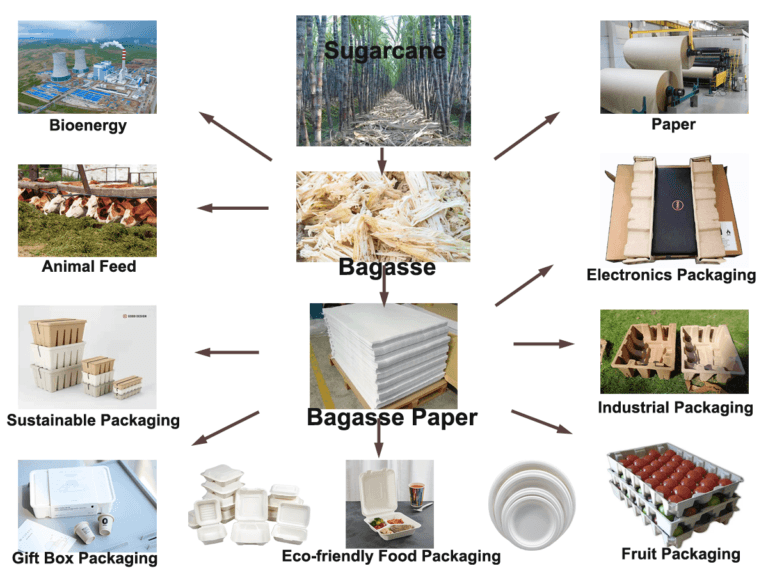
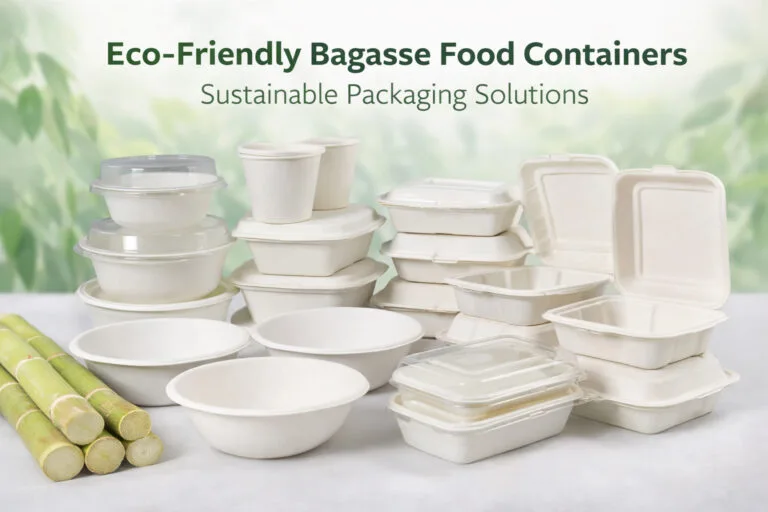
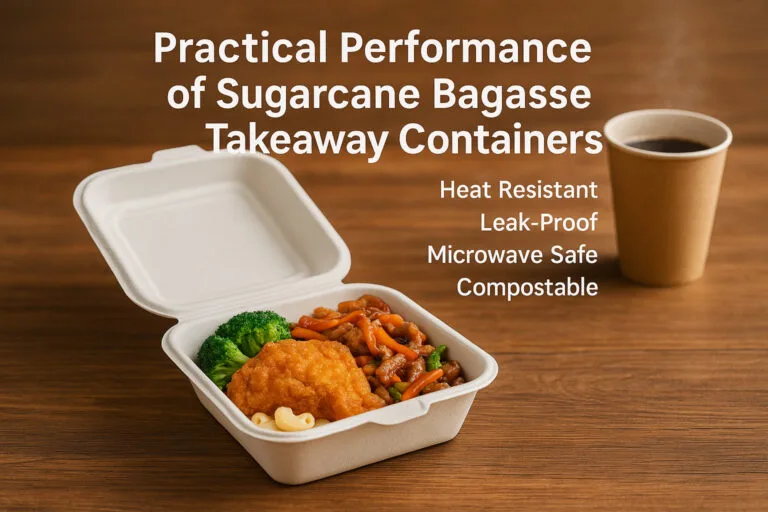
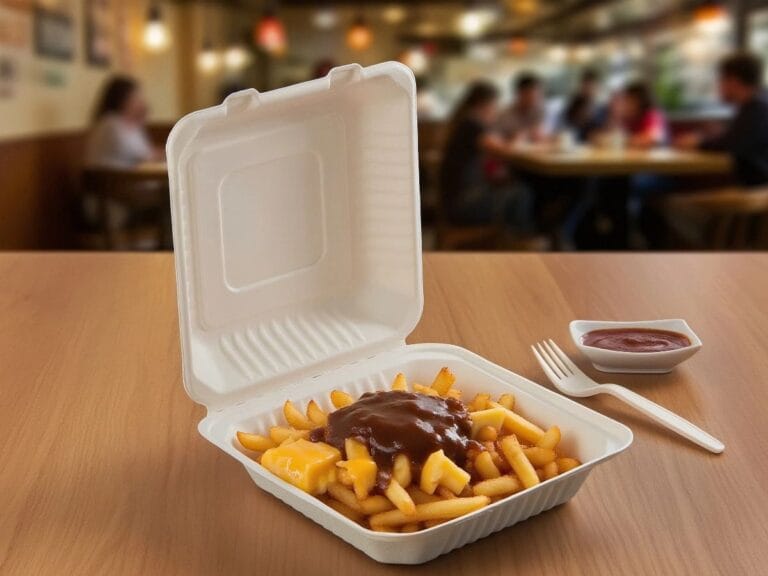
Plastics made out of sugarcane bagasse are useable with food. Bagasse tableware is considered safe around humans by regulatory bodies like FDA (In US) And EFSA (In Europe), Truly sugarcane bagasse does not contain dangerous chemicals like BPA.