FAQ of Bioleader's Eco-friendly Disposable Tableware
Food Delivery Special Trays
The specially designed trays made from mycelium won’t get affected by oil or water which means there will be no leaks during food delivery. This incredible feature makes them suitable for numerous dishes, including those that include sauce or oil — eco-friendly cups. Customers find it more appealing to order our branded takeaway trays with lids as they do not have to deal with any mess.
2. What materials are available for disposable food trays with lids?
Common materials include sugarcane bagasse, kraft paper, aluminum, PET, PP, and PLA. For eco-conscious businesses, bagasse and PLA trays are preferred due to their compostable and biodegradable properties.
PFAS Free and BPA Free
Our sugarcane food trays are free from PFAS and BPA which ensures that the food is not leached with any harmful chemicals. This importance given to health and safety is what sets our compostable trays apart from a large number of disposable products found in the market. When using our trays, it is possible to consider the health and safety of clients and you are easily able to position your image as a business that cares about health.
What Are PLA Cups Made Of?
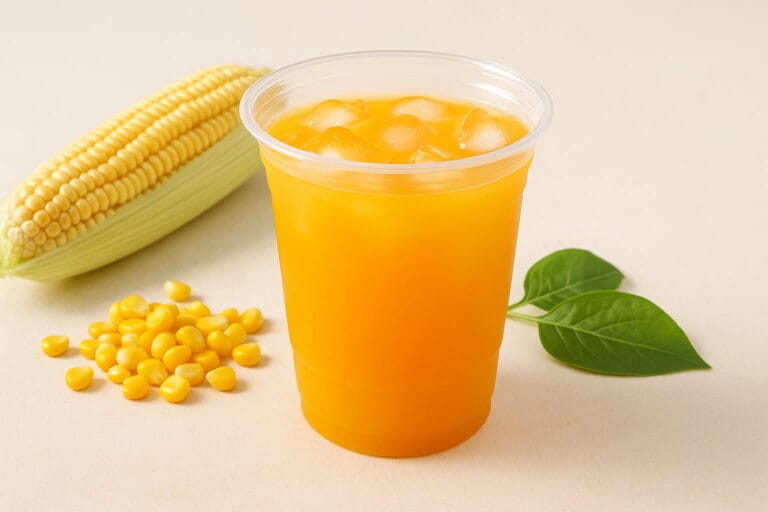
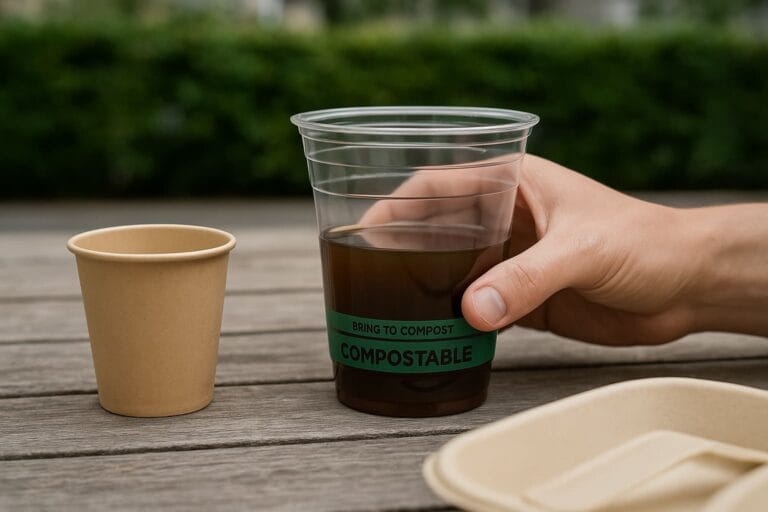
Polylactic Acid (PLA) is a biodegradable, bio-based thermoplastic polyester derived primarily from renewable plant resources like corn starch, sugarcane, or cassava roots — eco-friendly cups. The production process involves fermenting these plant sugars into lactic acid, subsequently polymerized to form PLA. Its high transparency, aesthetic appeal, and structural versatility have positioned PLA as a dominant material in the compostable packaging industry, including cold beverage cups and clear lids. Compostable PLA Cups
Chile’s Plastic Ban
Chile became the first country in Latin America to enact a nationwide plastic ban , eco-friendly cups. The ban, introduced in 2018, initially targeted plastic bags, but it has since been expanded to include other single-use plastic products, including plastic cups. As of now, Chile continues to lead in the region with efforts to eliminate plastic packaging and adopt more sustainable alternatives.