FAQ of Bioleader's Eco-friendly Disposable Tableware
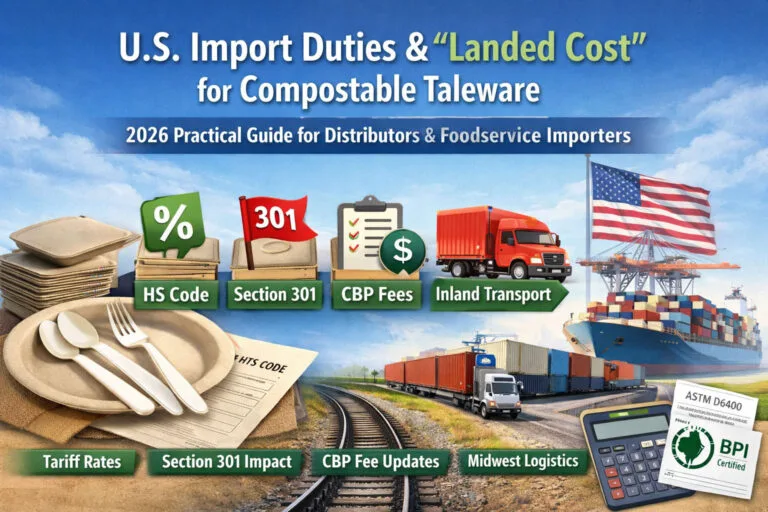
How does buying compostable spoons and forks wholesale save costs?
Purchasing compostable cutlery in bulk reduces the per-unit price and shipping expenses. Wholesale suppliers often offer tiered pricing or discounts for larger orders, which helps businesses lower their overall operational costs — Eco-friendly coatings.
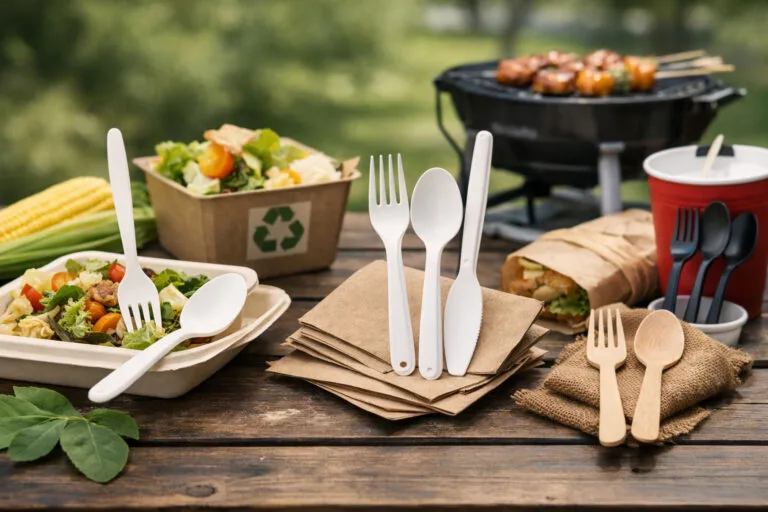
Can biodegradable plastic cutlery be composted at home?
Some biodegradable plastic forks and spoons can be composted at home, but most require the higher temperatures and controlled conditions found in industrial composting facilities for complete breakdown — Eco-friendly coatings.
Can biodegradable forks and spoons be used for hot foods?
Yes, many biodegradable forks and spoons are designed to withstand hot foods, especially those made from CPLA. Always check the product specifications for maximum temperature limits.
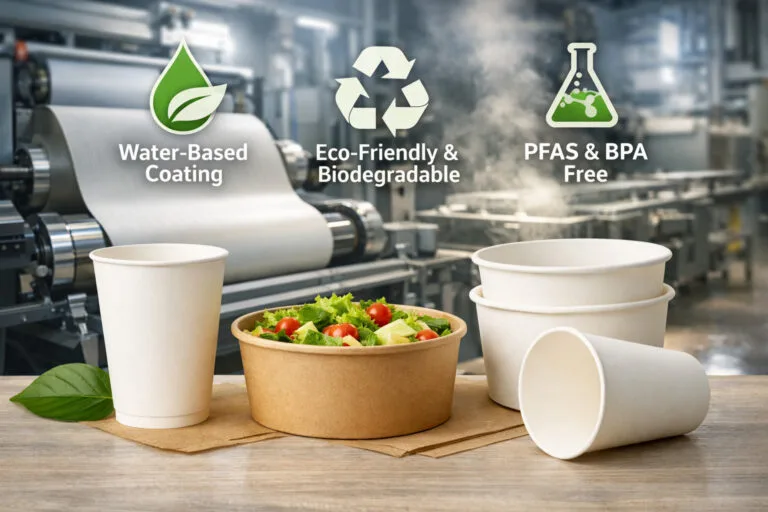
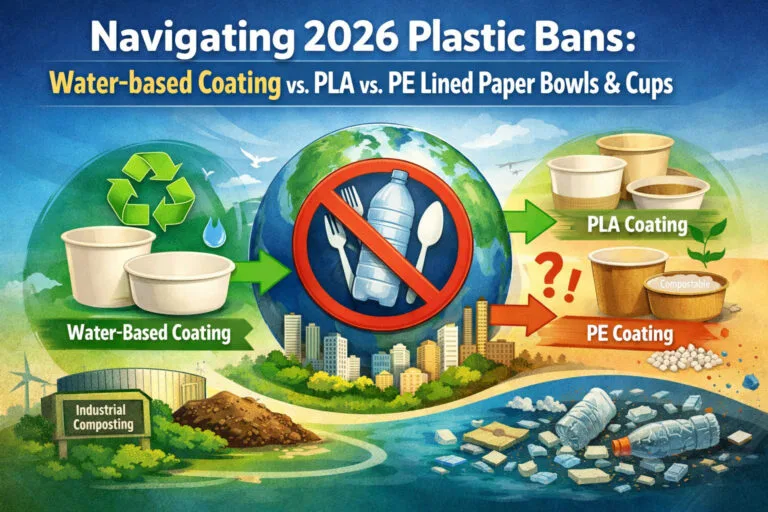
How Water-Based Coatings Work
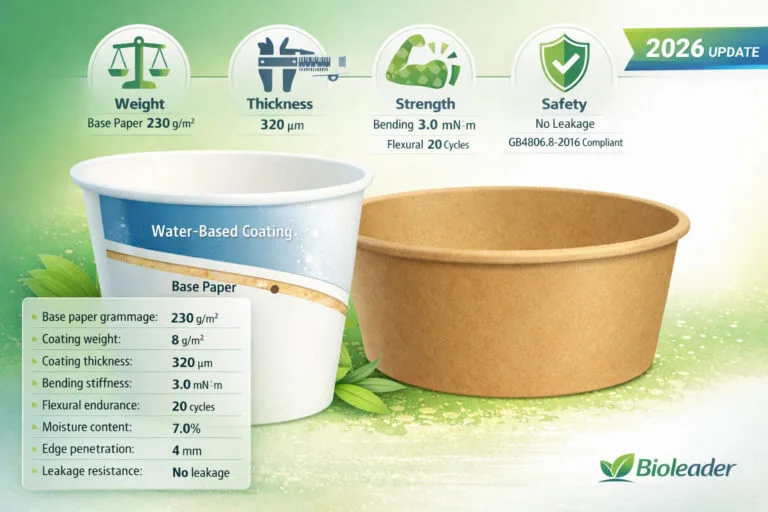
Water-based coatings work by forming a thin, protective barrier on paper surfaces. When applied to a paper product, the coating adheres to the surface due to the resin’s natural adhesive properties , Eco-friendly coatings. Once applied, the water evaporates, and the resin binds to the paper, creating a solid and resistant layer. This layer protects the paper from moisture, oils, and grease, which is essential for food packaging products like cups and bowls that come into direct contact with liquids and food.
Step 1: Paper Selection and Preparation
The production process starts with selecting the right type of paper for the cups and bowls. This paper is typically made from renewable resources such as wood pulp or recycled paper. Once the raw paper is sourced, it is prepared by passing through various processes, including pulping, refining, and drying, to achieve the desired thickness and strength.