FAQ of Bioleader's Eco-friendly Disposable Tableware
Why Choose Sugarcane Bagasse?
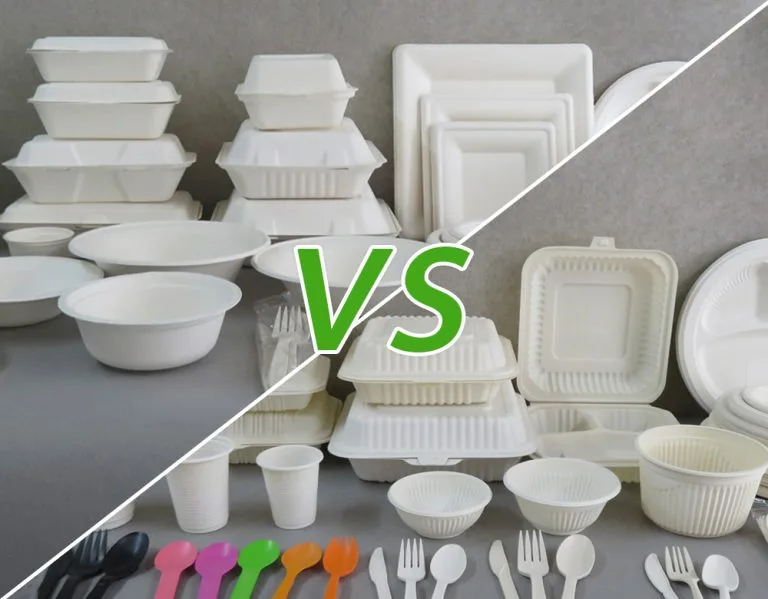
Renewable Resource: Since sugarcane is harvested and grown repeatedly, the containers become eco-friendly, and more products can be produced using bagasse fiber. This approach in a holistic way starts reducing waste entirely — bioplastic supplier. Decomposable & Environment Friendly: Because of the usage of bagasse containers eliminate the need for plastic and styrofoam bowls. This approach further helps eliminate waste from dumping/filling grounds and further helps the environment while everything decomposes into compost materials.
2. What materials are commonly used for takeaway trays with lids?
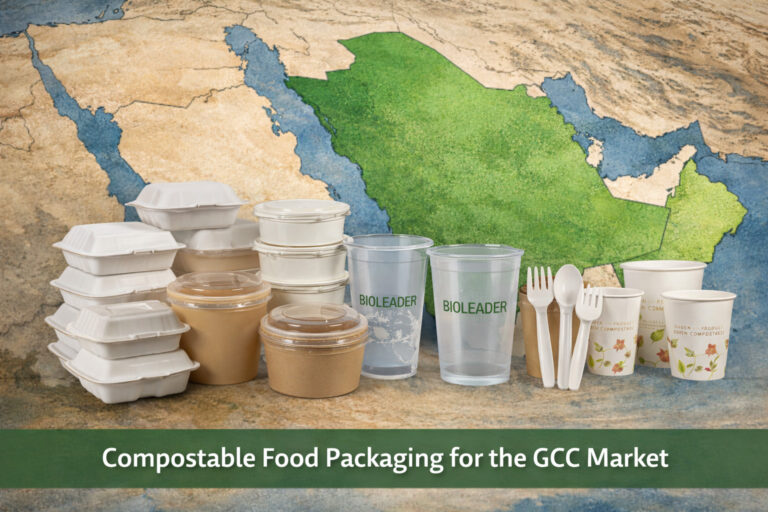
These trays are typically made from sugarcane bagasse, kraft paper, aluminum, or plastic (PP or PET). Eco-friendly versions are made from compostable materials like molded fiber or PLA, offering sustainable alternatives to plastic foam trays.
Sturdy and Reliable Construction
Our bagasse containers are built to withstand various conditions, from hot meals to refrigeration. The durable design ensures they retain their shape and functionality, making them a trusted solution for food takeaway, delivery, and more , bioplastic supplier. With these containers with lids, you can rely on consistent performance every time , bioplastic supplier. Ideal for a Variety of Applications Our takeaway containers with lids are perfect for multiple uses, including restaurants, food packaging, takeaways, and food deliveries.
Bioplastics
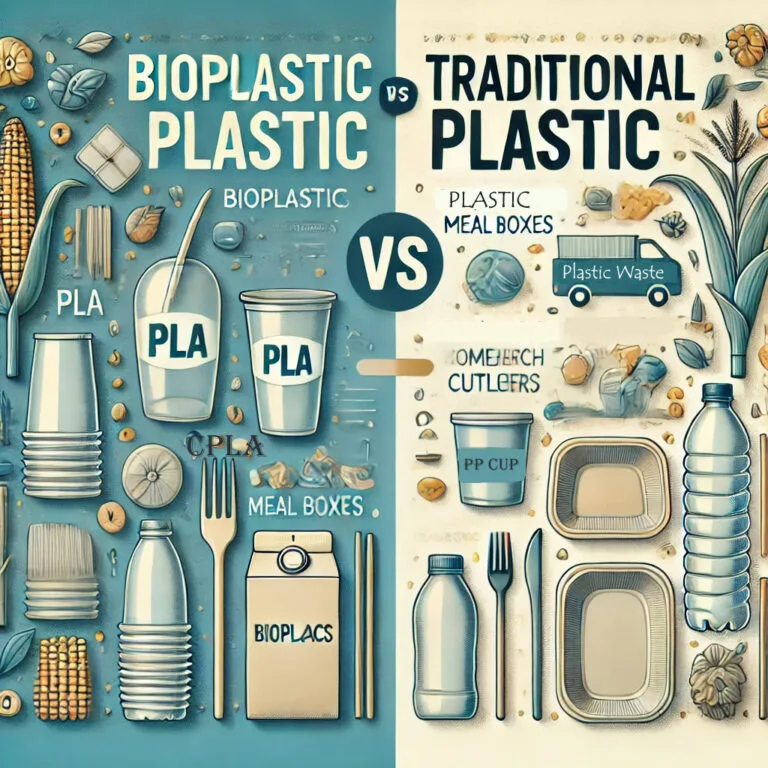
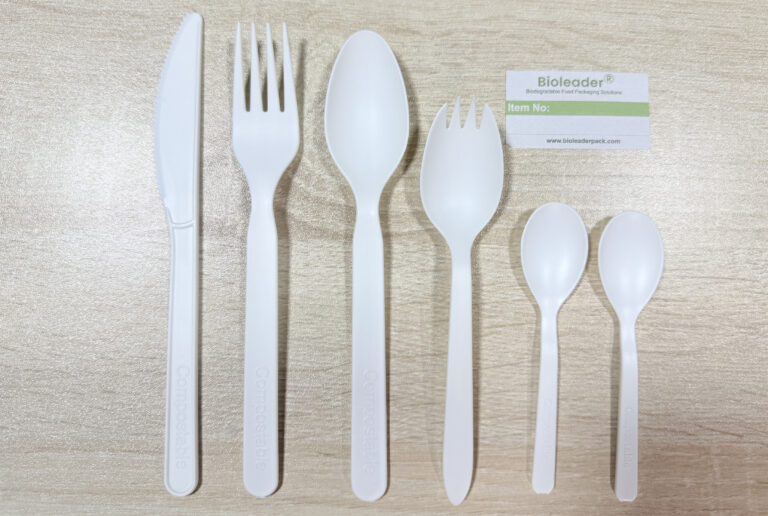
Bioplastics encompass a broad category of materials that are either bio-based, biodegradable, or both. The most common feedstocks include cornstarch, sugarcane, and potato starch, though research has also explored sources like algae and agricultural waste. Some of the well-known bioplastic types are: PLA (Polylactic Acid): Often derived from cornstarch or sugarcane. PLA is widely used for packaging, disposable tableware, and 3D printing filaments.
Environmental Footprint
Carbon Emissions: While the production of traditional plastics emits significant CO₂, bioplastics can sequester carbon during the feedstock growth phase. Nonetheless, the overall carbon balance depends heavily on farming practices, transportation, and the energy source used for production. Pollution and Waste: Traditional plastics persist in the environment for centuries. Bioplastics, especially those that are biodegradable or compostable, may degrade faster, though the conditions required for degradation (e.g., industrial composting facilities) are not always readily available.