FAQ of Bioleader's Eco-friendly Disposable Tableware
Why are compostable sporks considered better for the environment?
Compostable sporks reduce reliance on petroleum-based plastics, break down naturally without leaving microplastics, and support a circular economy by turning waste into compost.
Are earth friendly disposable utensils safe for hot and cold foods?
Yes, these utensils are designed to be strong and heat-resistant, suitable for serving both hot and cold foods in restaurants, catering, and events.
Can bio plastic cutlery be customized for branding?
Absolutely. Many manufacturers offer customizable options for bio plastic cutlery, including packaging, color, and logo printing to support branding and marketing needs.
1. Plant Fiber Containers
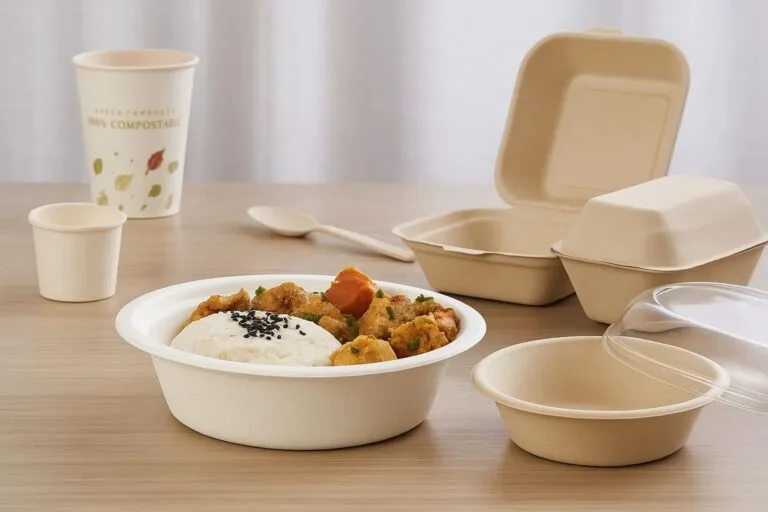
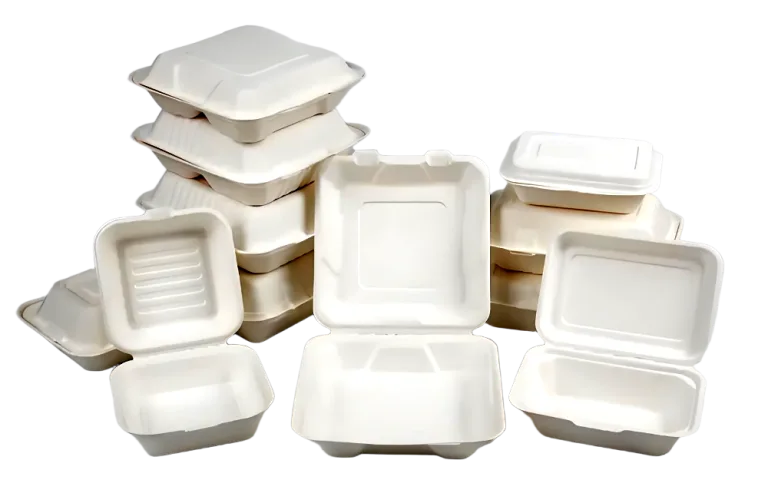
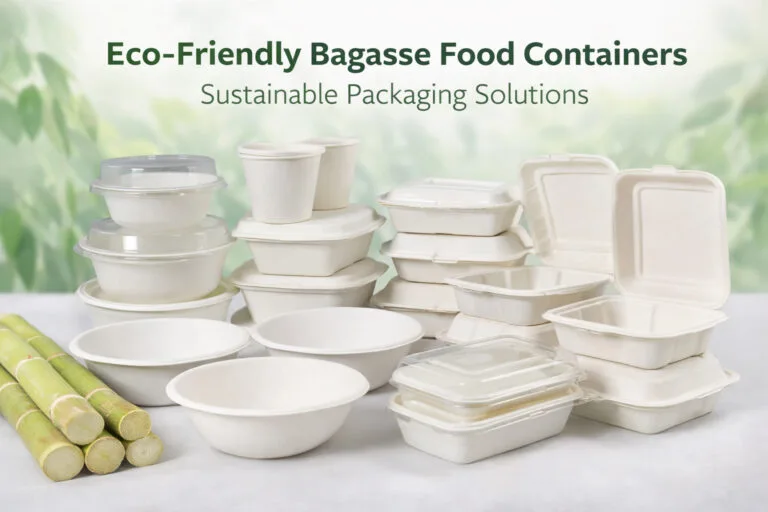
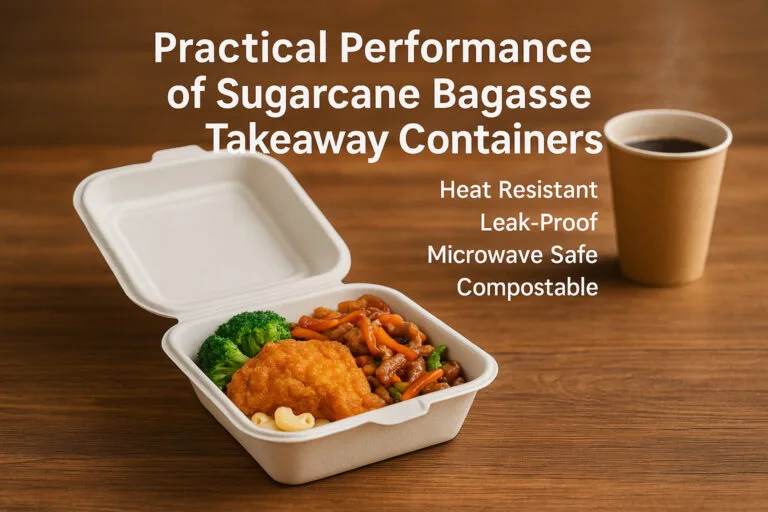
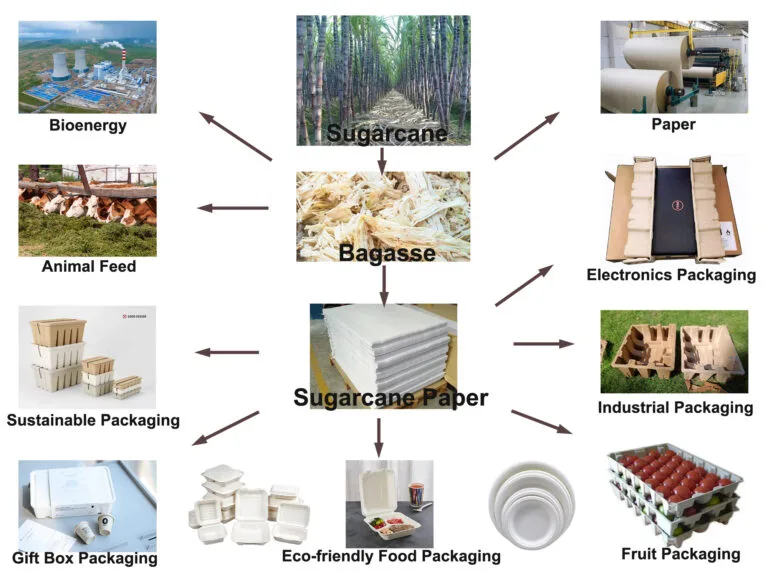
These containers are made from renewable agricultural byproducts like sugarcane bagasse, bamboo fiber, and wheat straw. Example: Sugarcane Bagasse Food Containers Advantages: Compostable, durable, lightweight, heat-resistant — biodegradable food container. Disadvantages: Limited long-term storage for wet foods. Cost-Effectiveness: Moderately priced; suitable for businesses focused on sustainability , biodegradable food container.
5. Recyclable Containers
Aluminum, cardboard, PP (polypropylene), and PET (polyethylene terephthalate) are commonly used recyclable materials. Advantages: Lightweight, often suitable for both hot and cold food — biodegradable food container. Disadvantages: Recycling depends on local infrastructure. Cost-Effectiveness: Affordable for single-use and large-scale food packaging.