FAQ of Bioleader's Eco-friendly Disposable Tableware
Can compostable plastic forks and spoons be customized with our logo?
Many manufacturers and suppliers offer customization options for compostable cutlery, including logo printing, unique colors, or special packaging. This service helps businesses promote their brand while staying sustainable — bagasse food container exporter.
How long does BPI compostable cutlery take to decompose?
Under commercial composting conditions, BPI compostable cutlery typically decomposes within 90 to 180 days, depending on local facility standards and materials used.
Can Earth Friendly Utensils be customized for branding?
Absolutely , bagasse food container exporter. Bioleader offers customizable packaging and logo printing options, allowing businesses to enhance their brand and promote sustainability.
Why did McDonald’s Japan stop using plastic food containers?
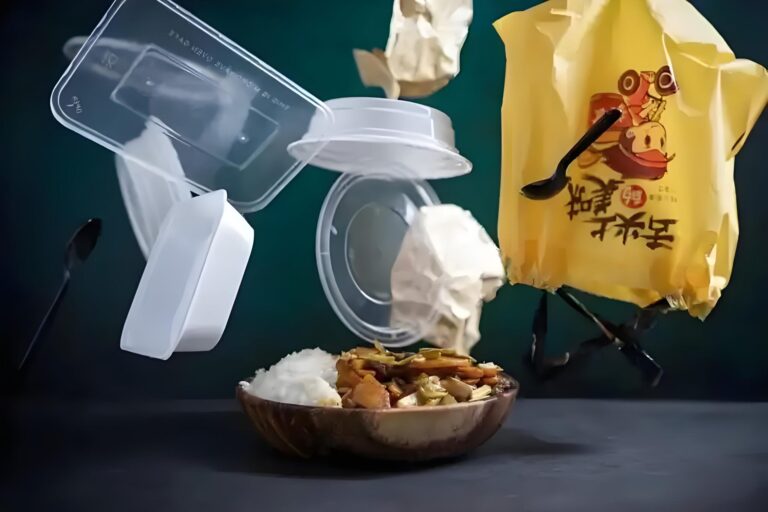
McDonald’s Japan phased out plastic containers to reduce marine pollution, meet its net-zero emission goals, and comply with increasing consumer demand for sustainable packaging.
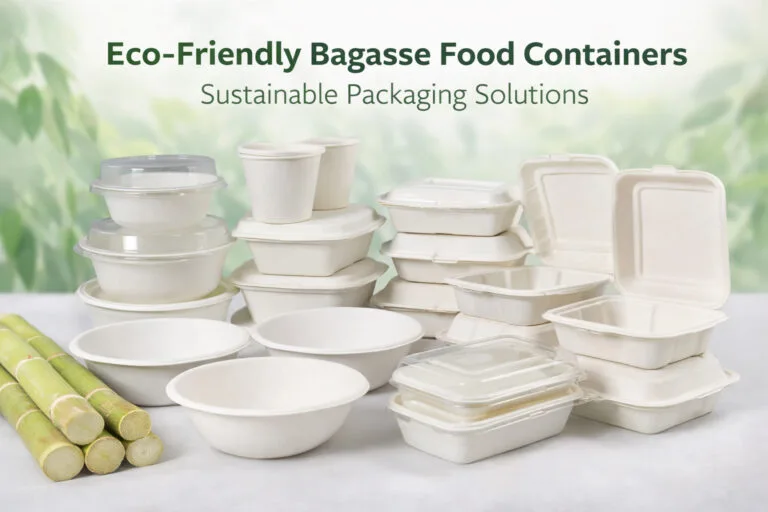
What is bagasse and how is it used in fast-food packaging?
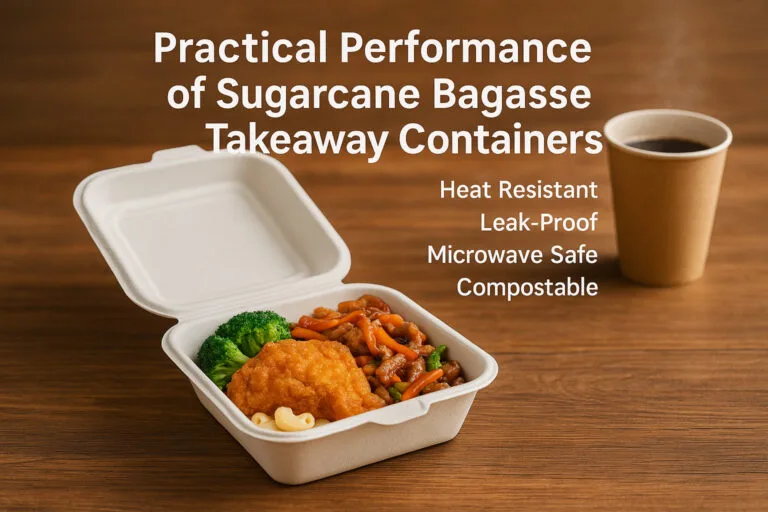
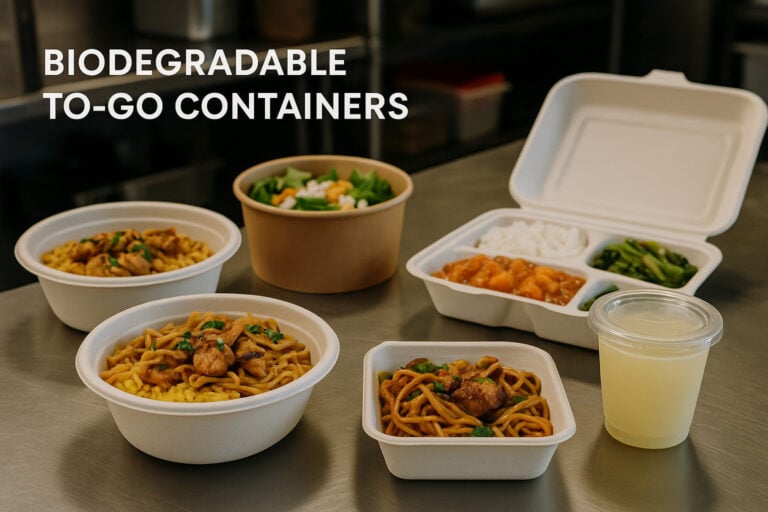
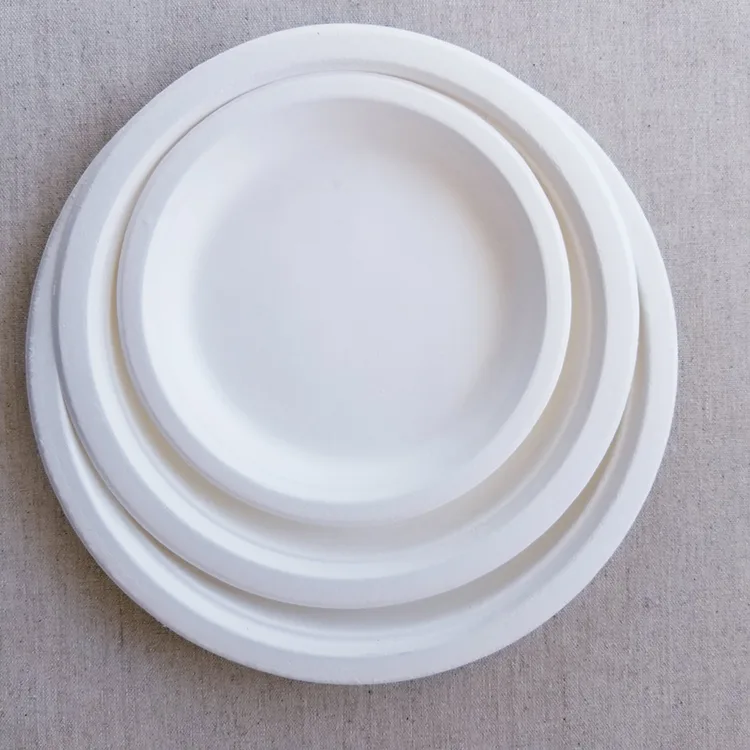
Bagasse is a byproduct of sugarcane processing. It is used to make compostable containers such as burger boxes, trays, and bowls for hot or oily foods in fast-food and takeaway services — bagasse food container exporter.