Biodegradable & Compostable Sugarcane Bagasse Plates: A Sustainable Solution for Foodservice
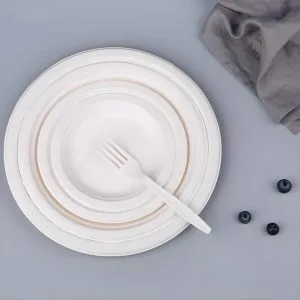
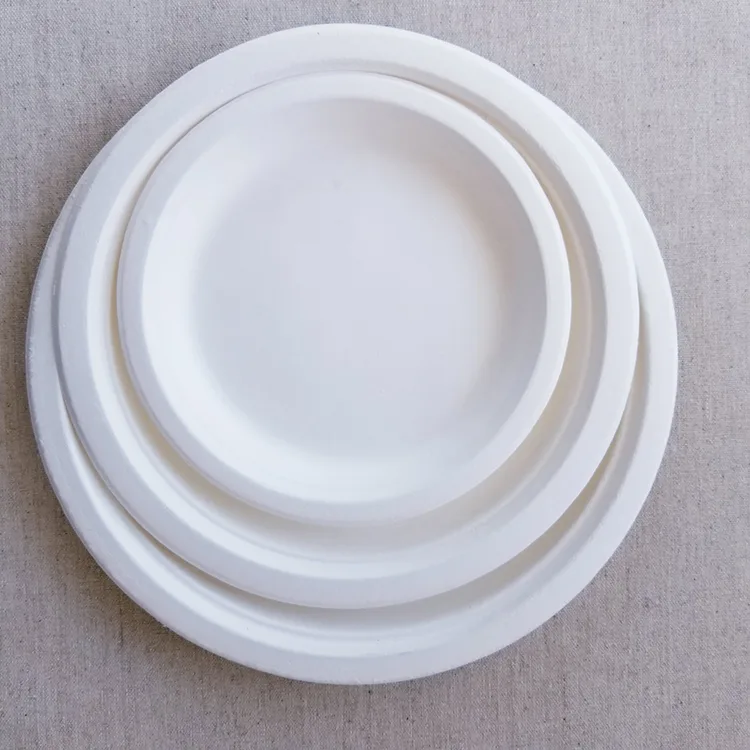
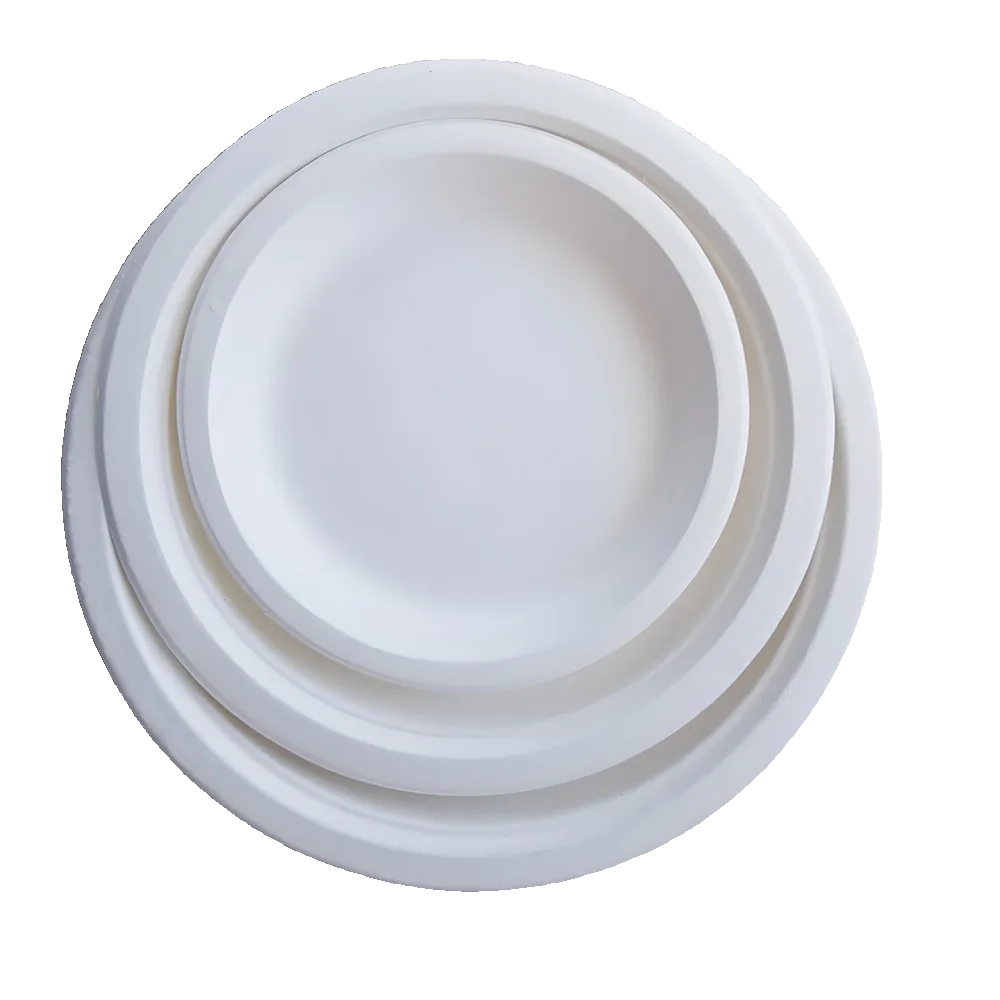
Bioleader® sugarcane bagasse plates are made from biodegradable and compostable materials, offering a sustainable and eco-friendly alternative to traditional plastic and foam plates. These plates are crafted from sugarcane by-products, which are naturally compostable and biodegradable. Once used, they break down quickly in industrial composting facilities, reducing landfill waste and helping foodservice businesses meet sustainability goals. Perfect for eco-conscious restaurants and catering services, these plates offer both durability and environmental responsibility.
Understanding the Material Behind Bioleader® Sugarcane Plates
Sugarcane bagasse is the fibrous by-product left after extracting juice from sugarcane. This material has long been used in paper production and other applications due to its high strength and natural, renewable qualities. Bioleader® utilizes this resource to create durable and eco-friendly plates that offer a sustainable solution for foodservice businesses.
Renewable Source: Bagasse is a by-product of the sugar industry, making it a sustainable material that doesn’t rely on additional natural resources.
High Strength: Despite being a fibrous material, bagasse is strong enough to hold hot, greasy foods without losing its integrity.
Why Choose Biodegradable and Compostable Sugarcane Bagasse Plates?
Biodegradable means that the material can break down naturally over time with the help of microorganisms. Compostable materials, on the other hand, decompose into nutrient-rich soil when placed in a composting environment. Here’s why sugarcane bagasse plates are the ideal choice for businesses looking to minimize their environmental footprint:
Fully Compostable: Our sugarcane plates break down within 60–90 days in industrial composting facilities, leaving no harmful residue.
Safe for the Environment: Unlike plastic, bagasse plates won’t pollute oceans or landfills; they decompose into organic material that nourishes the earth.
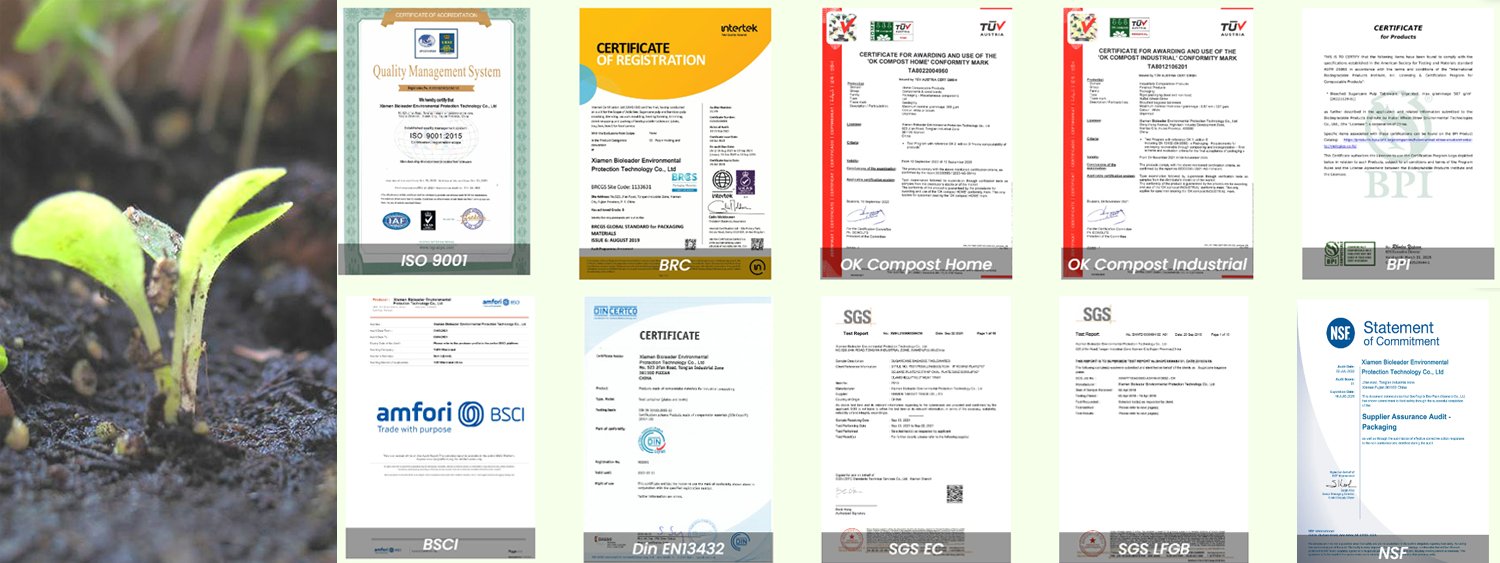
Certified Compostability: Bioleader® sugarcane bagasse plates are certified by standards like EN13432 and ASTM D6400, ensuring they meet the highest compostability criteria.
To help customers make the most environmentally responsible choices, here’s how our bagasse plates behave & how to dispose them properly:
Aspect
What It Means
Best Practices for Disposal
Disposable vs Reusable
These plates are meant for single use to offer hygiene, convenience, and avoid cross-contamination.
Use when cleanliness or logistics make reuse impractical. Then dispose correctly.
Biodegradable
Under natural conditions (warm, moist, microbial), bagasse fibers degrade over time.
Compost where possible; avoid landfill if composting is available.
Compostable
In industrial composting environments (or suitable home compost), plates break down into CO₂, water, and biomass typically in ~60-90 days.
Ensure plates go into organic waste or compost bins — not mixed with plastic recyclables.
Disposal Recommendations
Don’t burn; avoid dumping in water bodies; proper composting is optimal.
Encourage restaurants, caterers, event venues to provide compost/organic waste streams.
How Does Sugarcane Bagasse Compare to Other Eco-Friendly Materials?
While there are many eco-friendly alternatives to plastic in the market, sugarcane bagasse stands out due to its unique properties. Let’s compare it with other common biodegradable materials:
Material
Biodegradability
Compostability
Strength
Environmental Impact
Sugarcane Bagasse
High (60-90 days)
High
High
Low, renewable resource
PLA (Polylactic Acid)
Moderate (90-180 days)
High
Moderate
Requires industrial composting
Palm Leaf
High (90-180 days)
High
High
Renewable, but limited supply
Paper
Moderate (1-3 months)
Moderate
Low
Biodegradable, but may require coating for durability
Sugarcane bagasse is a superior choice in terms of environmental impact, as it is made from a renewable resource and decomposes rapidly without leaving any harmful residue.
Available Sizes for Degradable Sugarcane Bagasse Plates
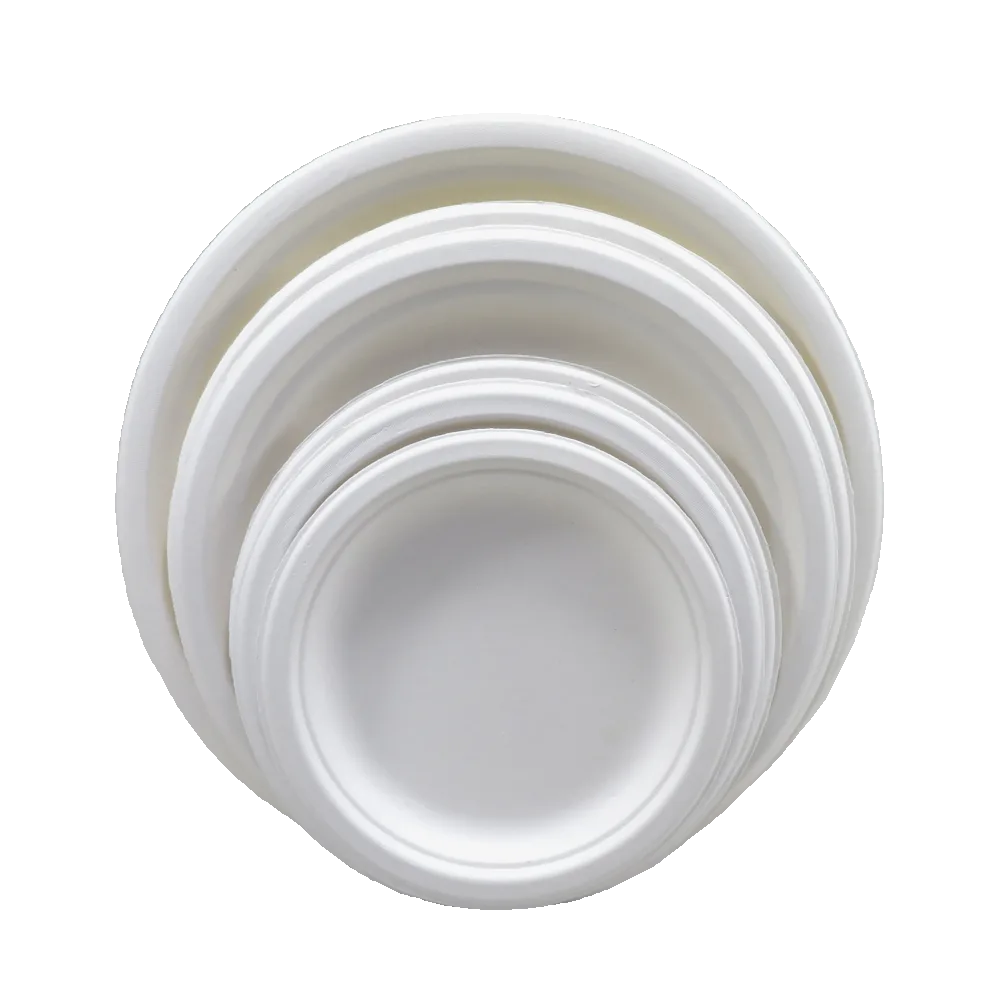
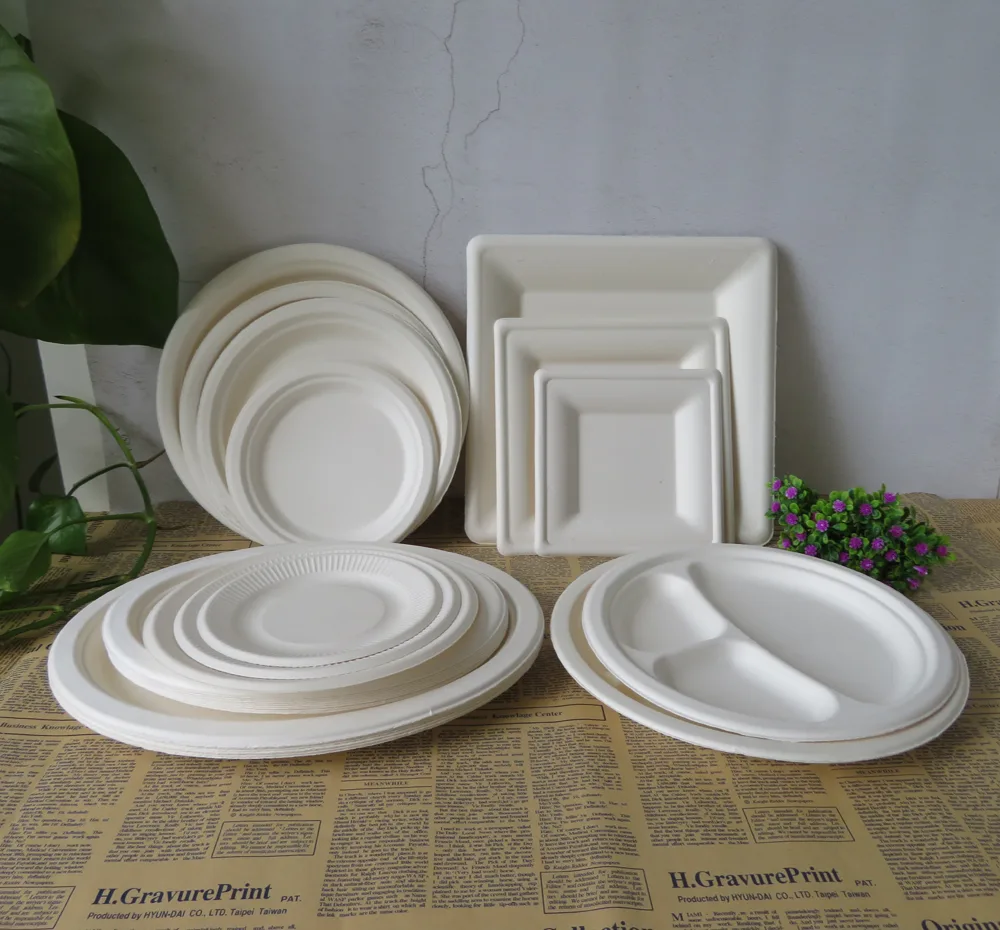
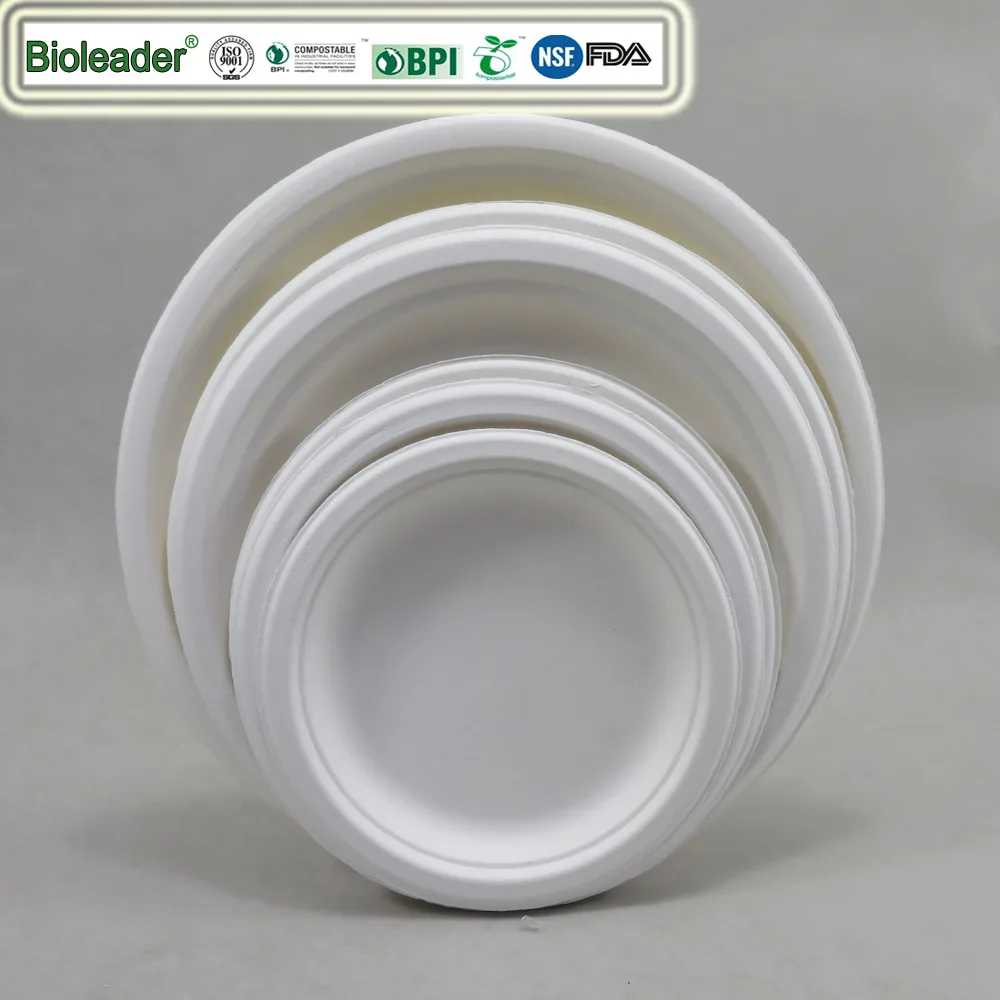
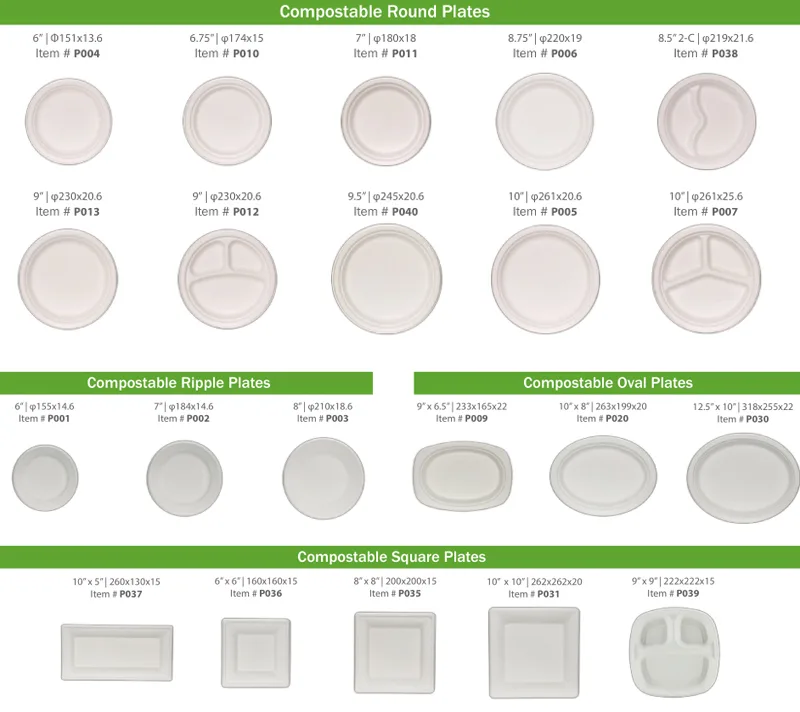
Bioleader® offers a range of sizes for our degradable sugarcane bagasse plates, providing the perfect solution for serving various meal portions while ensuring environmental responsibility.
Item Code
Description
Weight (g)
Product Size (mm)
PCS/PACK
PCS/CTNS
Carton Size (cm)
USD/PCS
P004
6″ Plate
6
φ151×13.6
50
1000
34×32×32.5
0.0171
P010
6.75″ Plate
8
φ174×15
50
1000
37×37×37.5
0.0212
P011
7″ Plate
10
φ180×18
50
1000
37×36×37.5
0.0256
P006
8.75″ Plate
14
φ220×19
50
500
45×32×23.5
0.0358
P013
9″ Plate
15
φ230×20.6
50
500
47×33×24.5
0.0384
P012
9″ 3-Compartment Plate
15
φ230×20.6
50
500
48×36×25
0.0384
P005
10″ Plate
20
φ261×20.6
50
500
53×36×27.5
0.0512
P007
10″ 3-Compartment Plate
20
φ261×25.6
50
500
53×37×28
0.0512
P036
6″ Square Plate
10
160×160×15
50
1000
33.5×32.5×34
0.0256
P035
8″ Square Plate
16
200×200×15
50
500
42.5×30.5×22
0.0410
P031
10″ Square Plate
28
262×262×19
50
500
54.5×32×28
0.0717
P038
8.75″ 2-Compt Plate
14
φ219×21.6
50
500
45×35.5×23.5
0.0358
P020
10″ × 8″ Oval Plate
17
263×199×20
50
500
54×36×21.5
0.0435
P030
12.5″ × 10″ Oval Plate
30
318×255×22
50
500
65×41.5×27
0.0768
Benefits of Using Sugarcane Bagasse Plates
Why Sugarcane Bagasse Plates Are the Ideal Sustainable Solution for Your Business
Benefit
Description
Eco-Friendly
Sugarcane bagasse is an environmentally responsible choice, reducing plastic pollution and supporting a circular economy.
Durable and Leak-Resistant
Despite being an eco-friendly material, bagasse plates are durable enough to hold heavy and greasy foods without compromising performance.
Cost-Effective
While sustainable, sugarcane bagasse plates are competitively priced, making them an affordable choice for high-volume foodservice businesses.
Custom Branding Options
Personalize your plates with custom logos or designs to enhance your brand’s sustainability message.
Why Choose Bioleader®?
Bioleader® offers a wide range of premium sugarcane bagasse plates designed for eco-conscious businesses. Our plates are certified compostable, cost-effective, and perfect for any foodservice operation. Choose Bioleader® for reliable, sustainable packaging solutions.
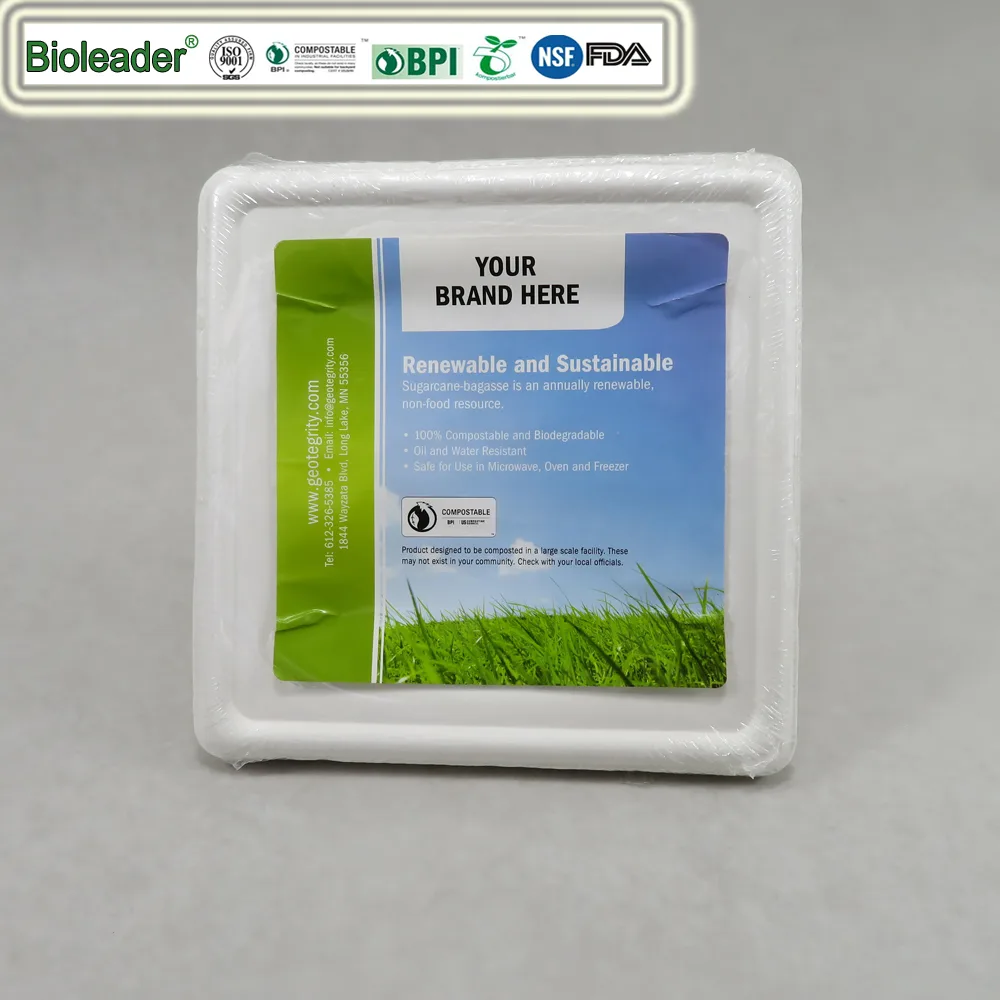
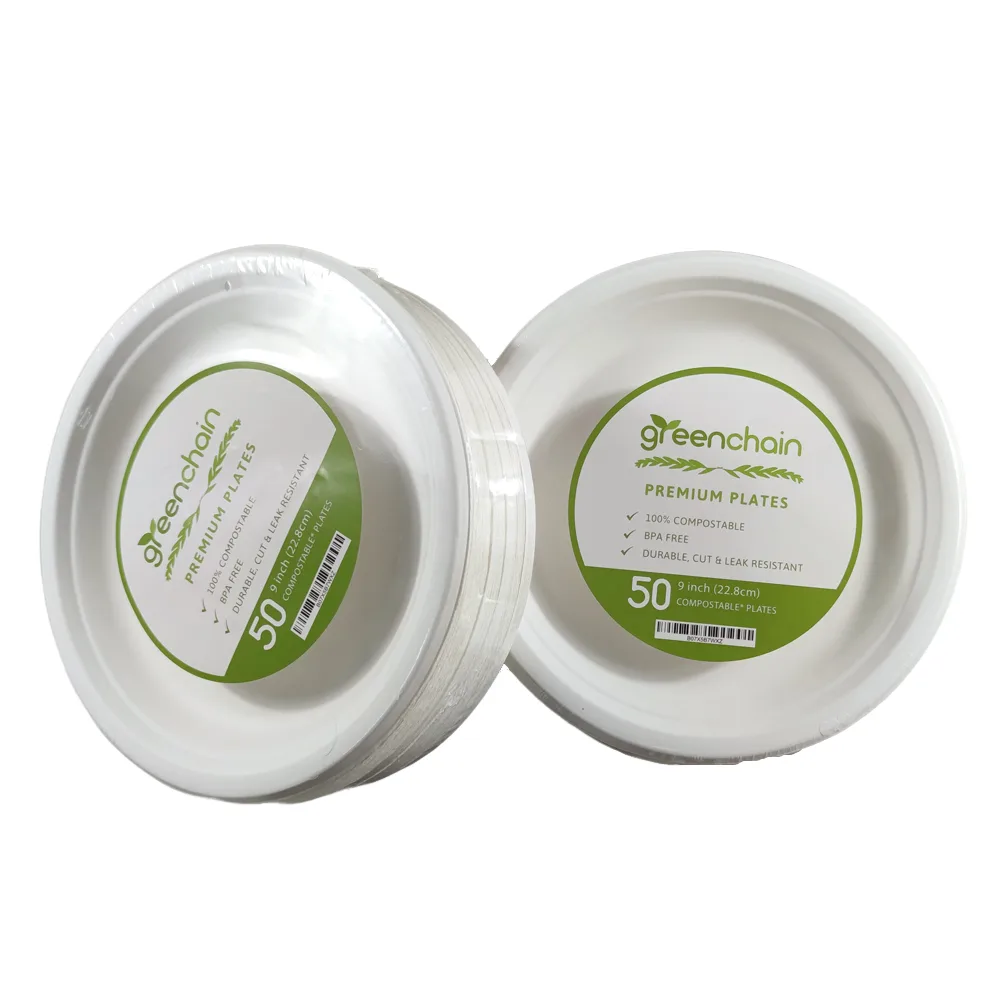
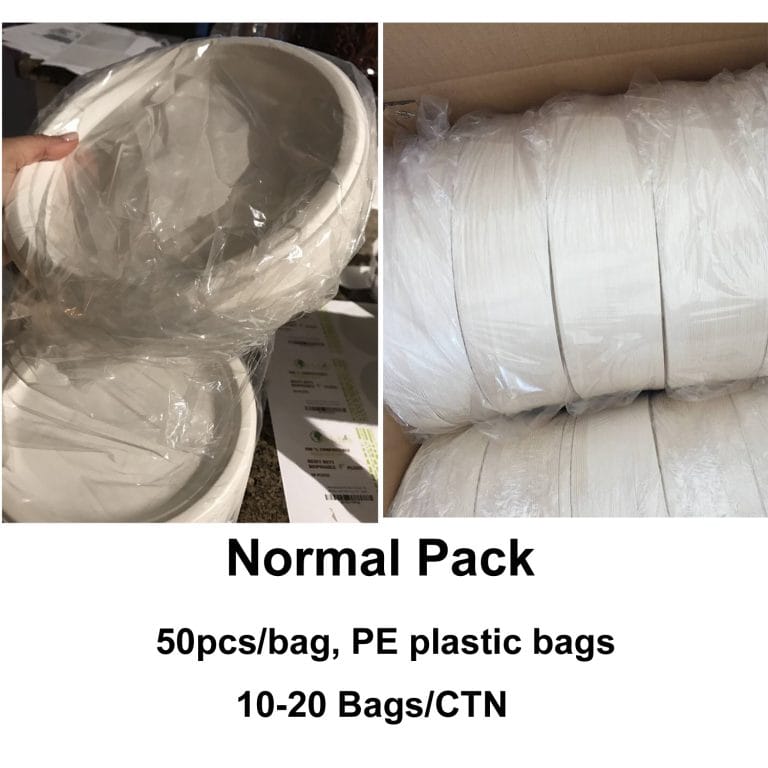
Normal Pack of sugarcane bagasse plates
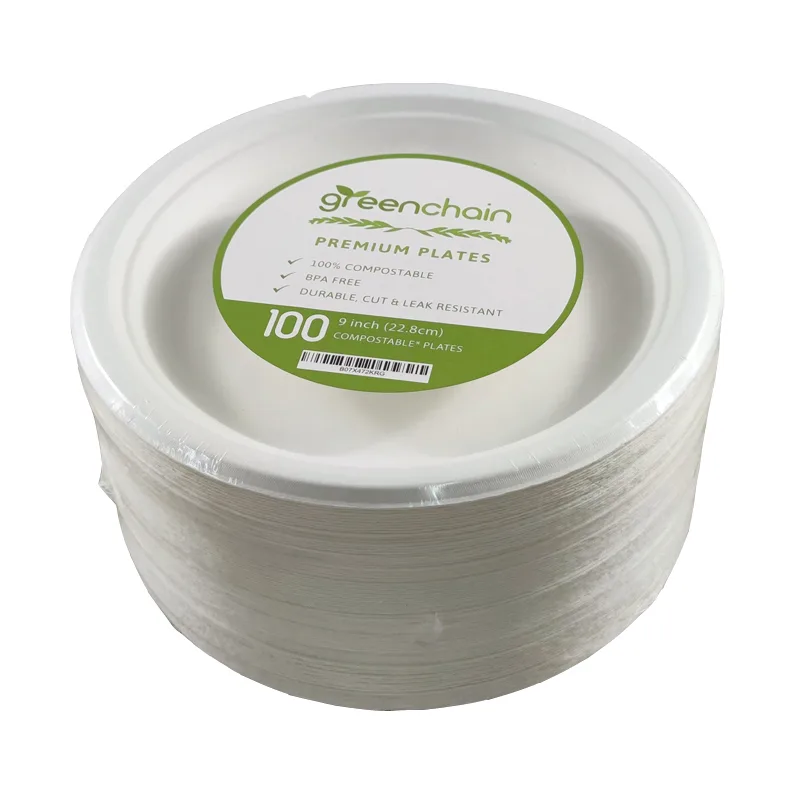
Shrink Wrap Pack of sugarcane bagasse plates
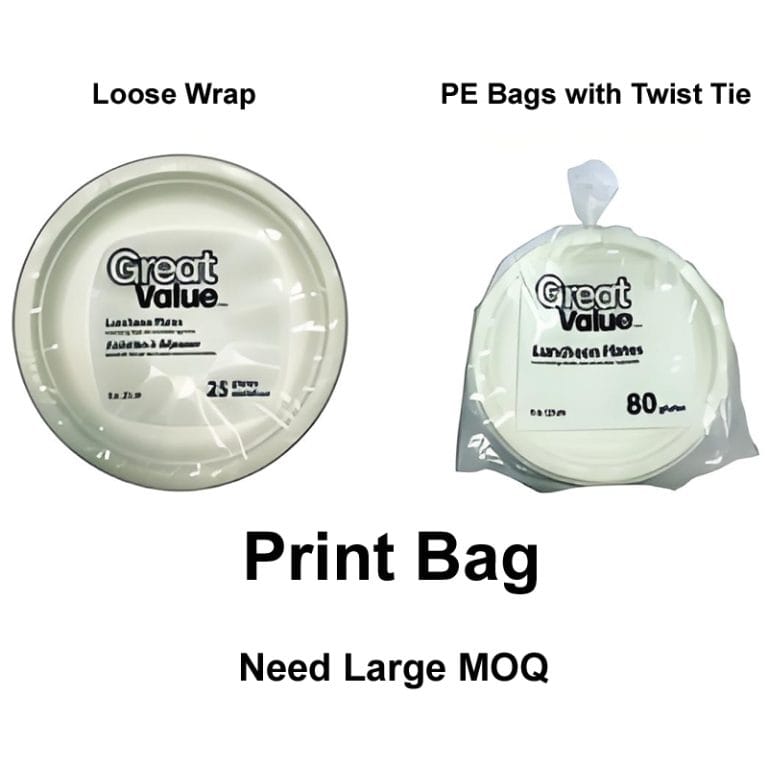
Print Bags of sugarcane bagasse plates
Pack of Plates BowlsCutlery Sets
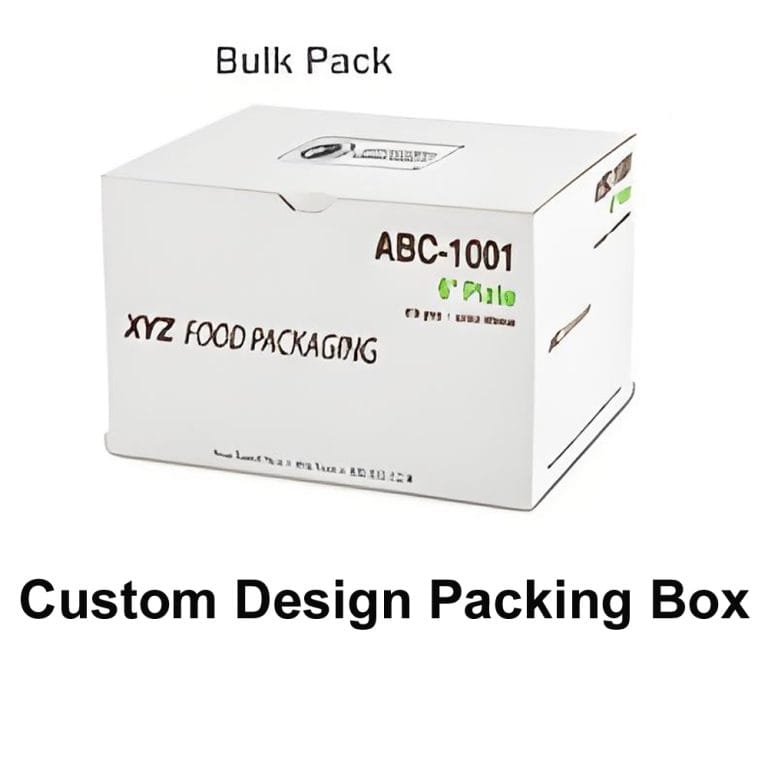
Plates Custom Design Packing Box
FAQ of Bioleader's Biodegradable Sugarcsane Bagasse Plates
Q1: What are sugarcane bagasse plates made from? A1: Sugarcane bagasse plates are made from the fibrous residue left after extracting juice from sugarcane. This by-product is processed into durable, biodegradable, and compostable plates, making it an eco-friendly alternative to plastic.
Q2: Are sugarcane bagasse plates biodegradable? A2: Yes, sugarcane bagasse plates are fully biodegradable. They break down naturally in composting environments within 60-90 days, helping reduce waste and support sustainability.
Q3: Can sugarcane bagasse plates be composted? A3: Yes, sugarcane bagasse plates are certified compostable. When disposed of in industrial composting facilities, they break down into organic material, contributing to a healthier environment.
Q4: How do sugarcane bagasse plates compare to plastic plates in terms of sustainability? A4: Unlike plastic plates, sugarcane bagasse plates are compostable, biodegradable, and made from renewable resources. They offer a more sustainable option by reducing plastic waste and supporting a circular economy.
Q5: Are sugarcane bagasse plates microwave-safe? A5: Yes, sugarcane bagasse plates are microwave-safe and can hold hot food without losing their structural integrity, making them a practical and sustainable choice for foodservice businesses.