Eco-Friendly Food Packaging for Foodservice | Sustainable Containers, Plates & Bowls by Bioleader®

Low-impact packaging choices for foodservice—built to reduce plastic dependency while keeping daily operations fast and reliable.

Eco-friendly food packaging for foodservice is a procurement-level material strategy focused on lower impact, reduced plastic reliance, and real-world performance. This page curates responsible options across containers, plates, and bowls—using sugarcane fiber (bagasse pulp), paper-based formats, cornstarch options, and PLA/CPLA—so buyers can select the right packaging set for consistent daily service.

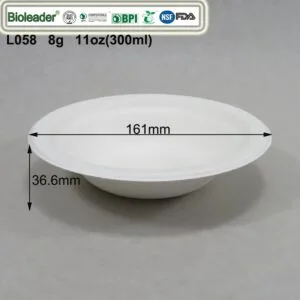
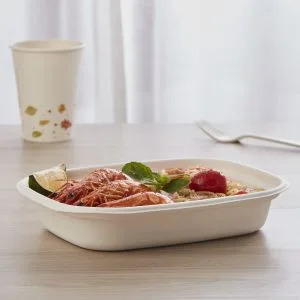
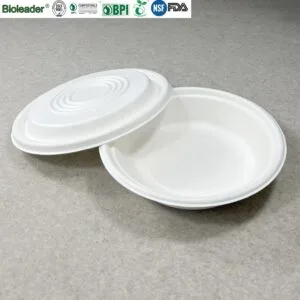
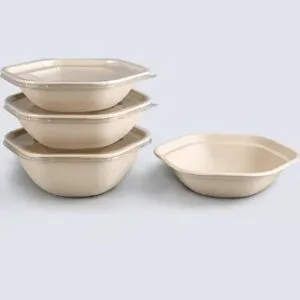
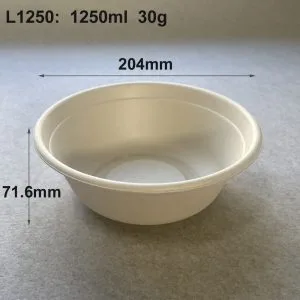
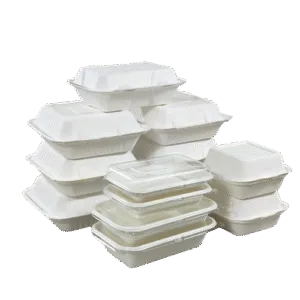
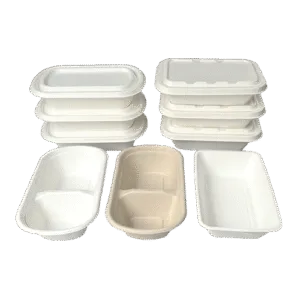
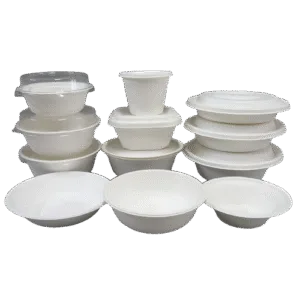
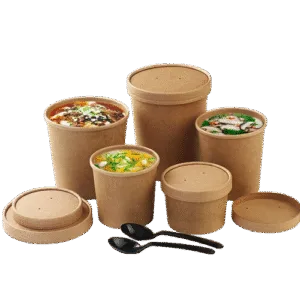
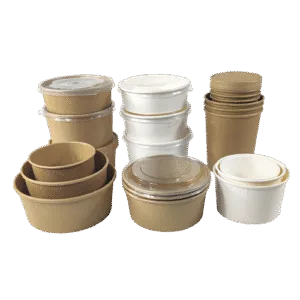
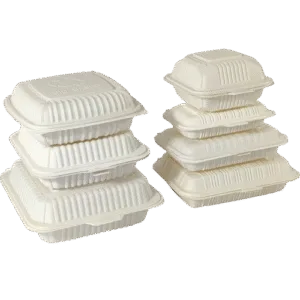
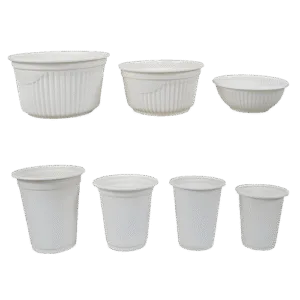
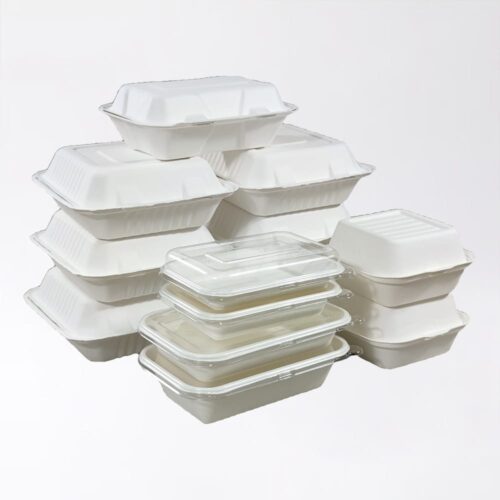
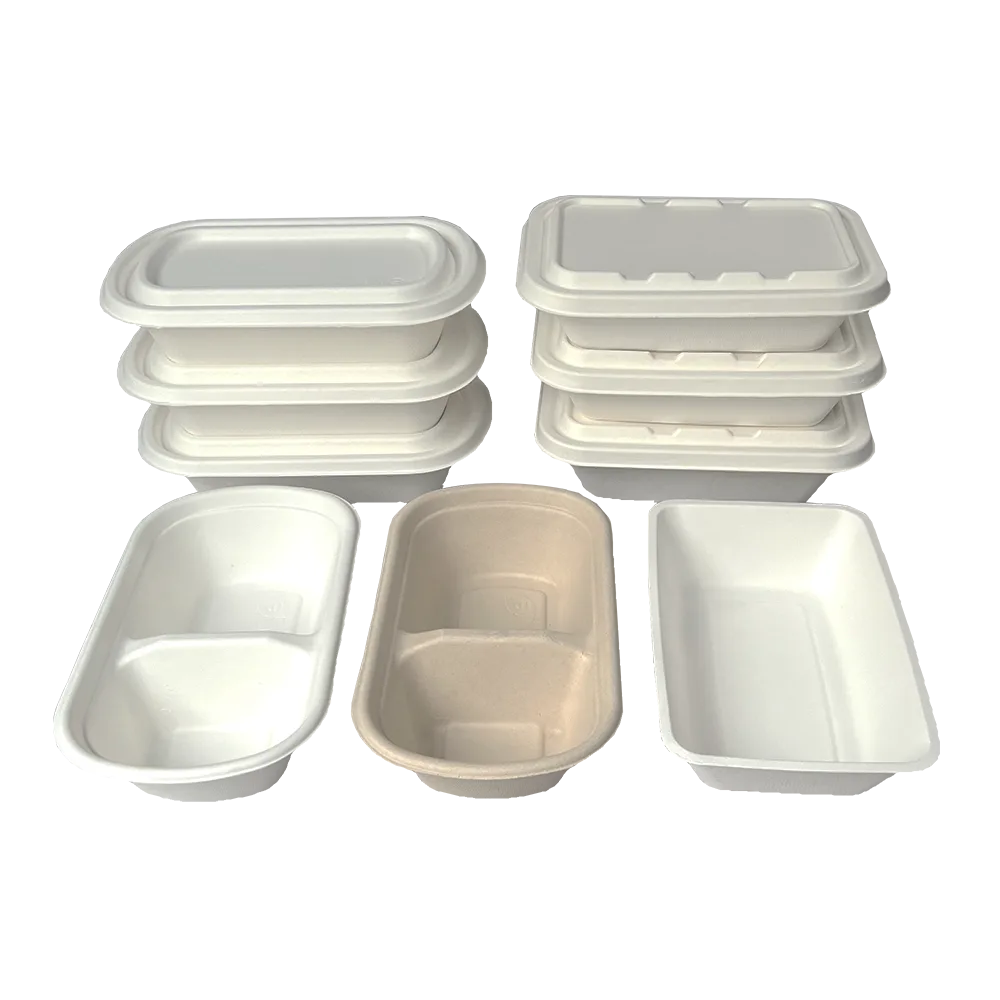
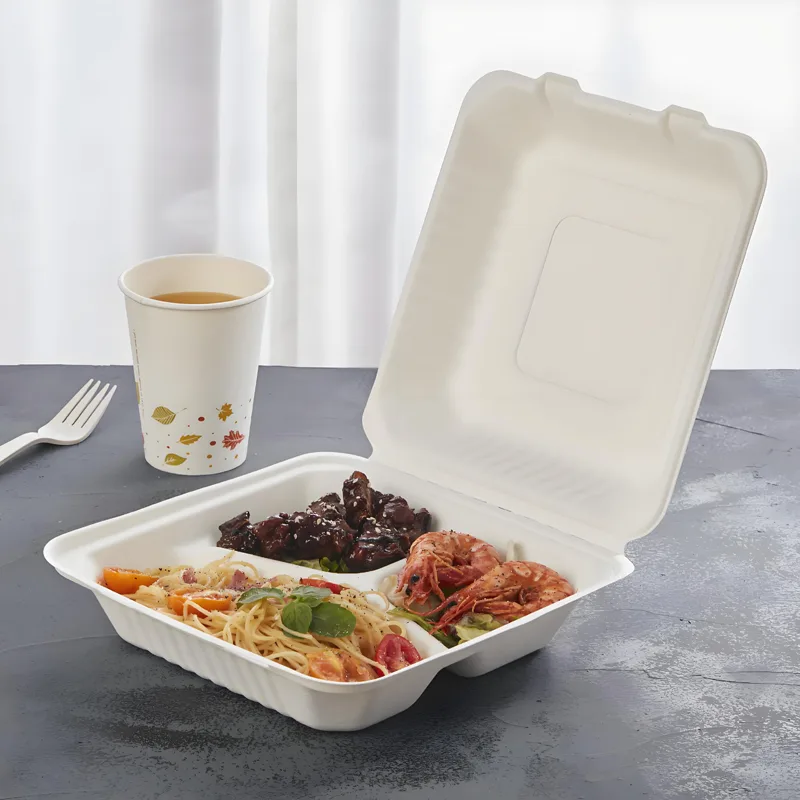
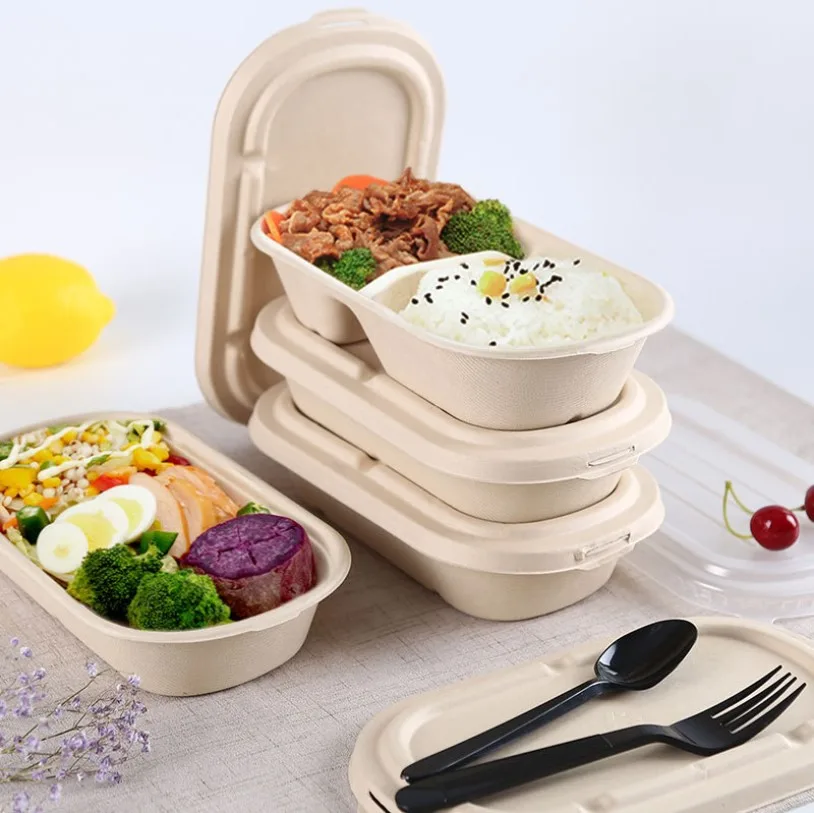
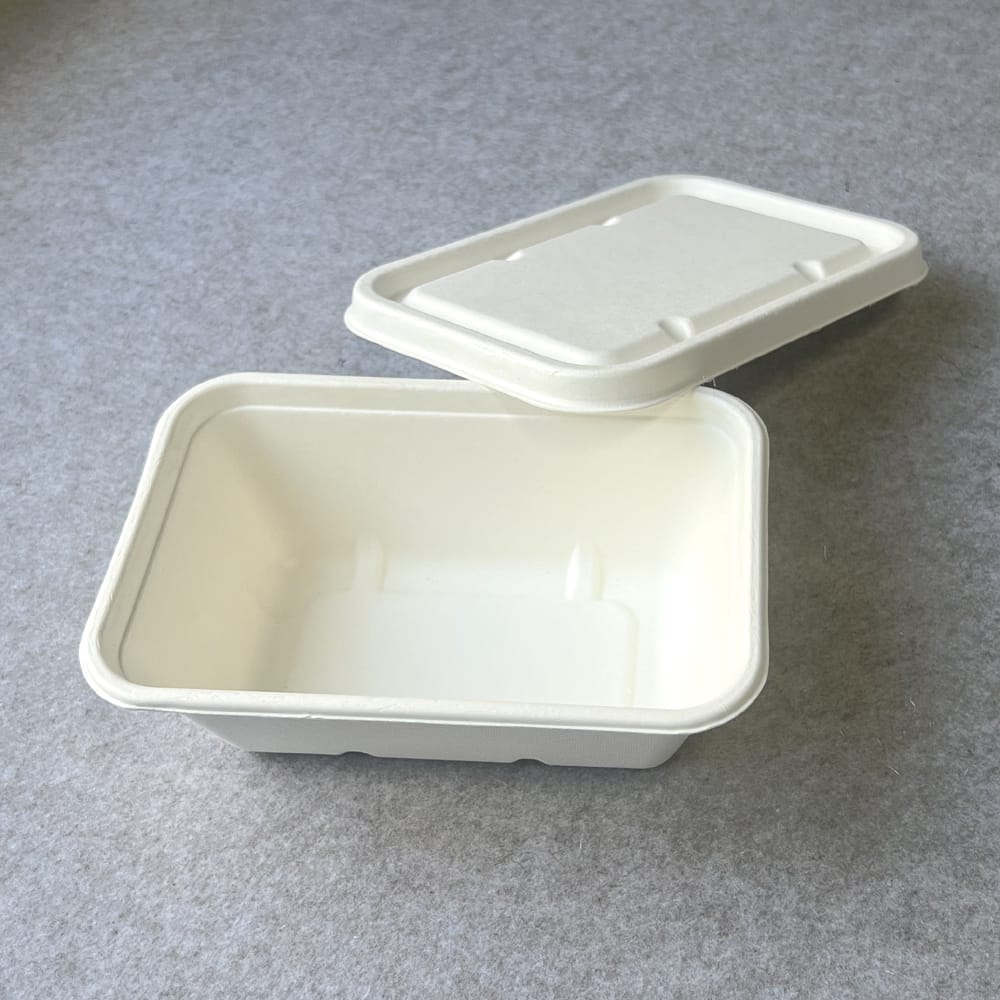
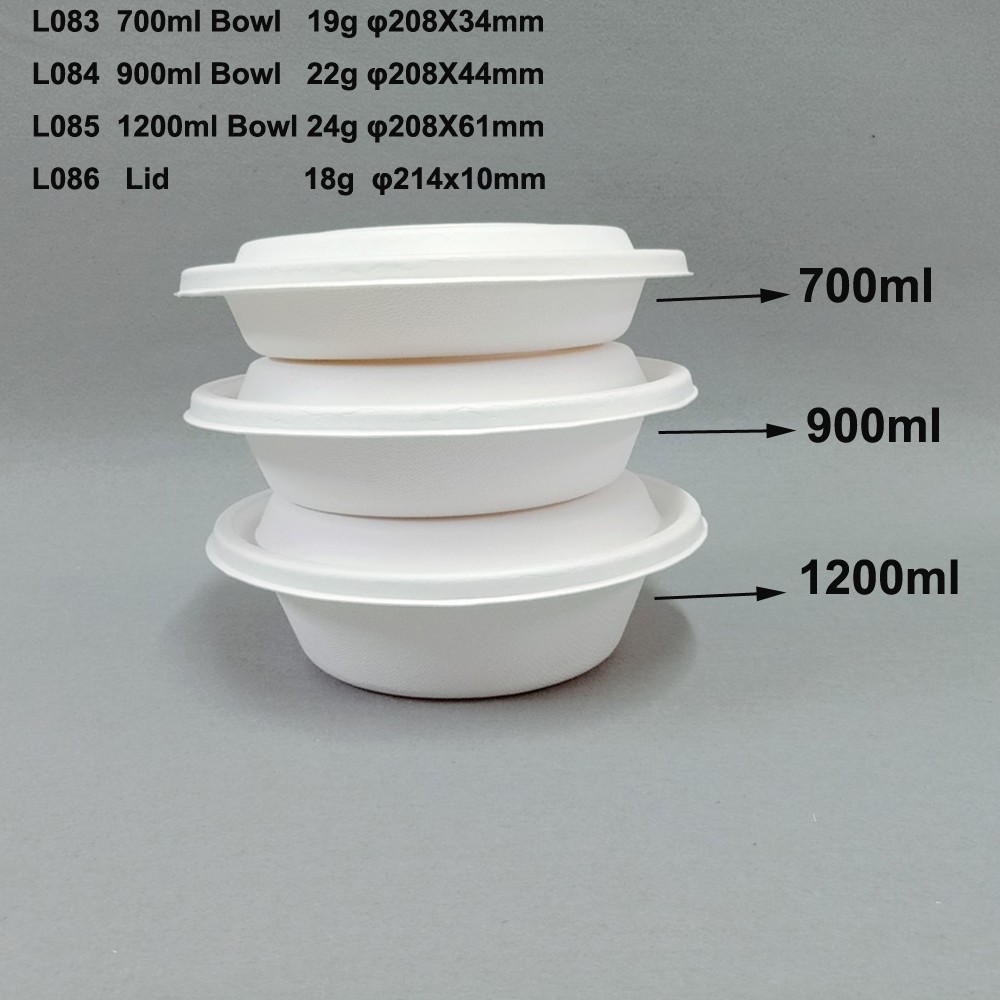
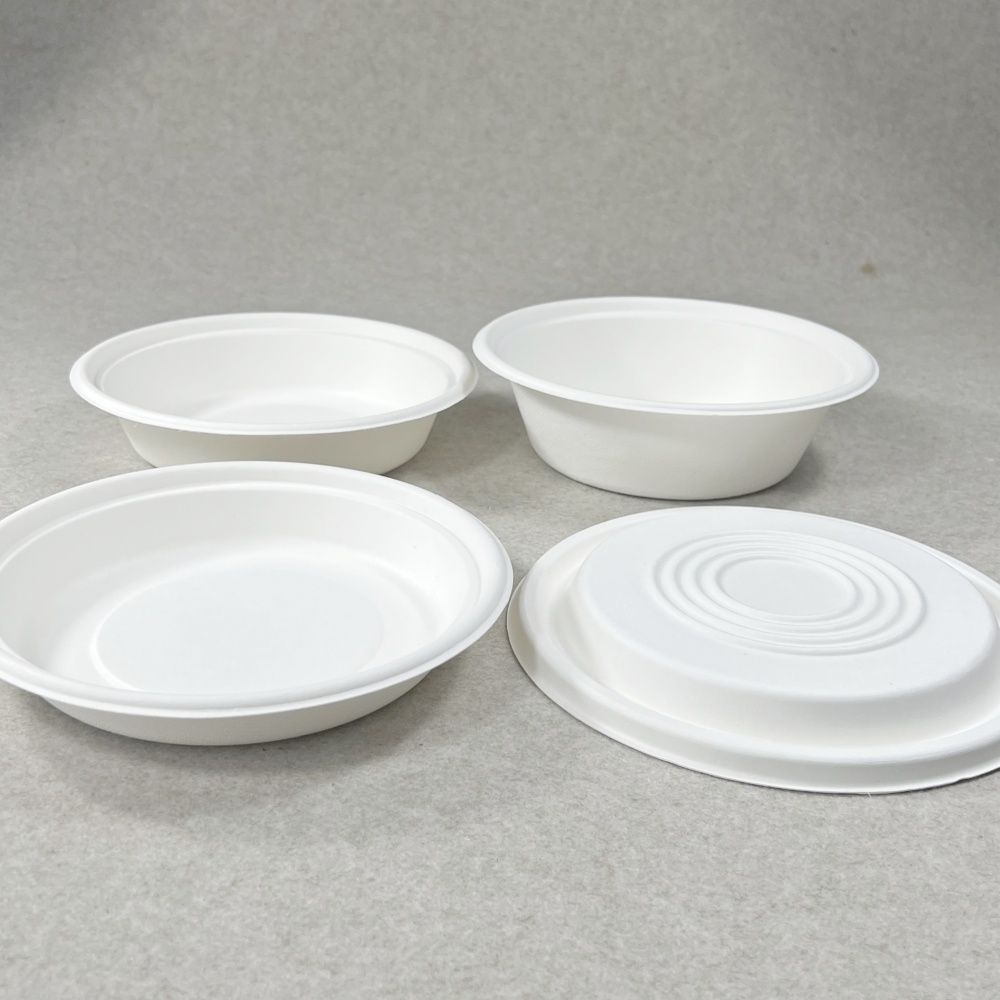
Bioleader® Product Showcase & Category

What Eco-Friendly Means in Foodservice Procurement

In foodservice, “eco-friendly” is not a single label—it is a buyer decision framework that balances impact reduction with operational stability. An eco-friendly packaging program typically aims to:

  • Reduce plastic dependency across core serving items (containers, plates, bowls)

  • Use responsible materials that align with brand values and market expectations

  • Maintain service performance—speed, stacking, grease tolerance, and presentation consistency

  • Match a realistic end-of-life path based on how waste is handled in your destination market

This page is built for buyers who want a clear, practical way to standardize packaging choices without compromising service flow.

Material Options (Choose by Menu, Not by Labels)

The most effective eco-friendly programs select materials by menu heat level, oil content, holding time, and service style—not by buzzwords. Below is how foodservice teams typically evaluate common responsible material options:

Sugarcane Fiber (Bagasse Pulp)

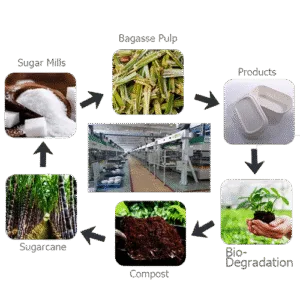
A fiber-forward choice for hot meals and heavier portions. Molded sugarcane fiber formats are commonly selected for rigidity, clean presentation, and reliable handling in fast service lines and event catering.

Paper-Based Formats

A go-to option for brand-facing presentation and standardized operations. Paper-based packaging supports strong printing and consistent appearance, often used across a wide range of service scenarios depending on food type and holding time.

Cornstarch Options

Plant-based formats used in selected high-volume SKUs where lightweight handling and cost control matter. Often considered when buyers want a plant-based alternative for everyday service items.

PLA / CPLA

Plant-based bioplastics chosen when a specific functional need exists—such as clarity/visibility (PLA) or higher heat tolerance for utensils and accessories (CPLA). Useful in programs where presentation or handling requirements make traditional materials less suitable.

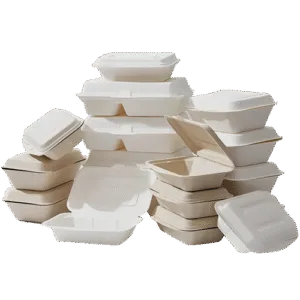
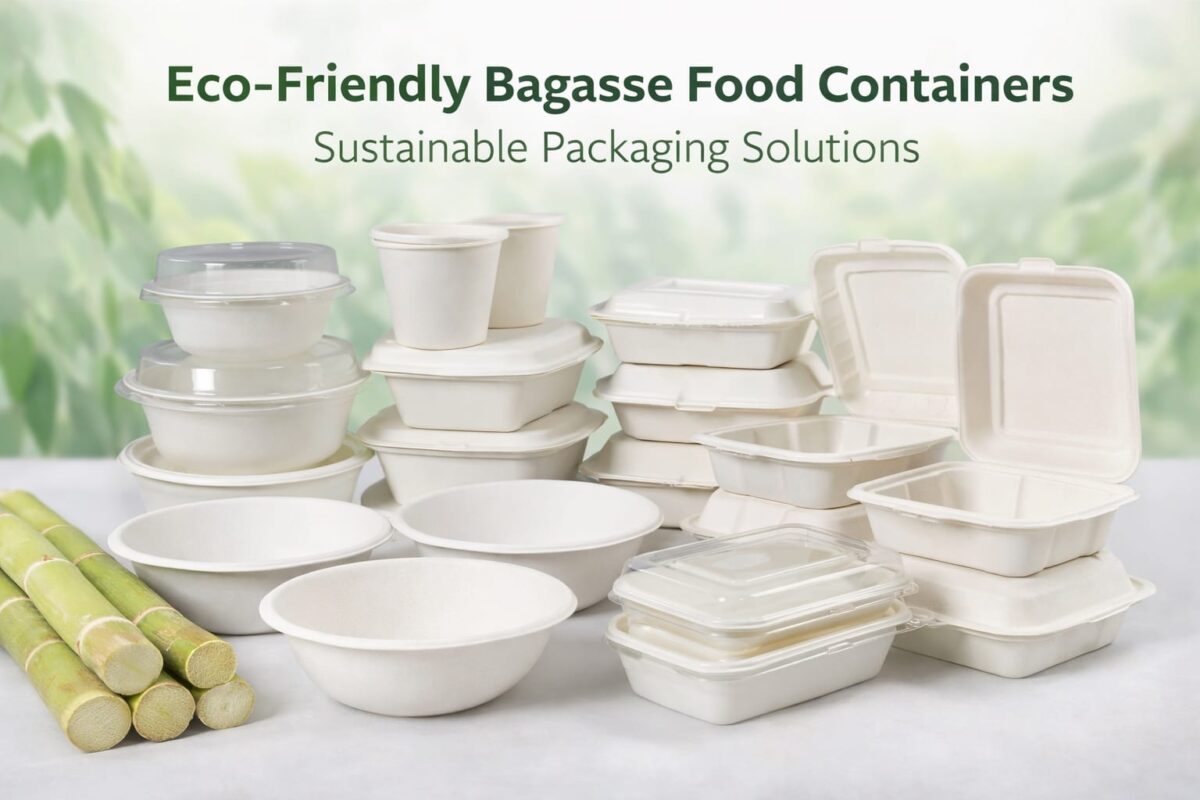
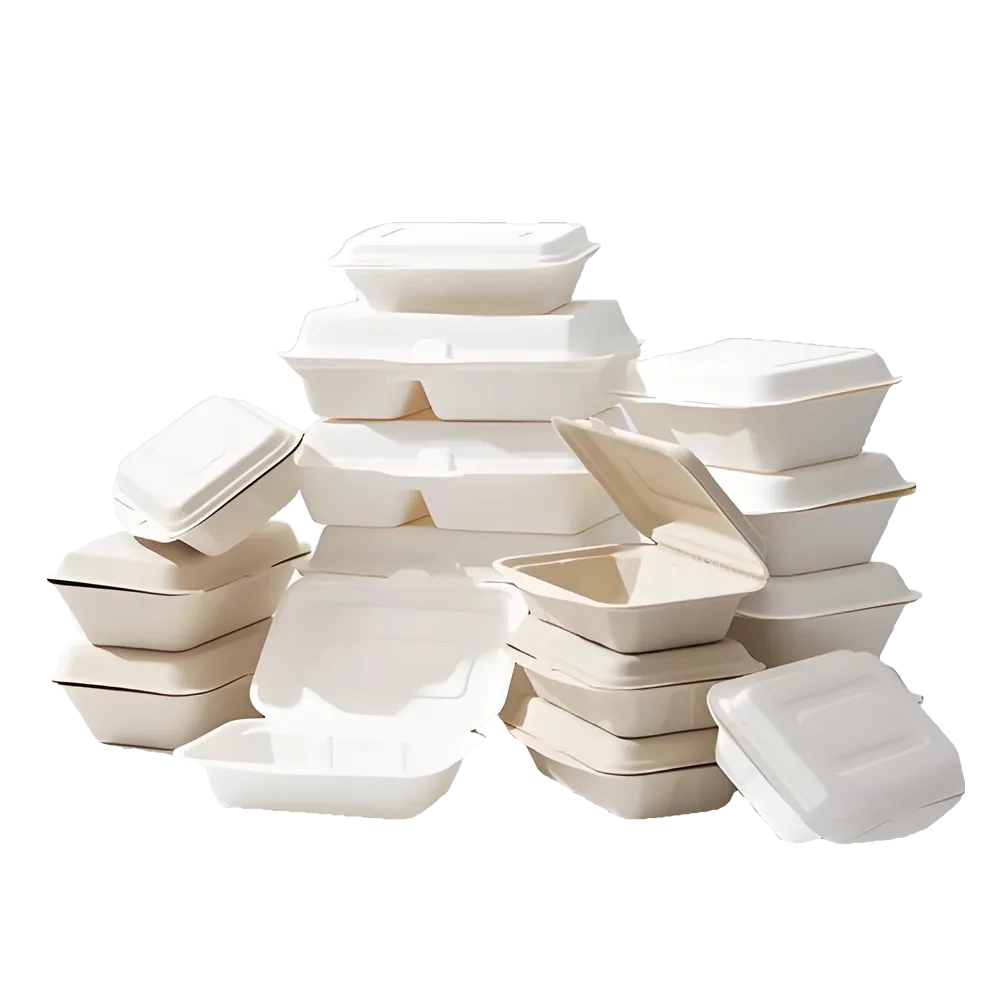
Eco-Friendly Bagasse Food Containers: Sustainable Packaging Solutions Made from Sugarcane Fiber

Performance Standards Buyers Actually Care About

Eco-friendly packaging must perform in real kitchens. Procurement teams typically prioritize the following standards to prevent service failures:

  • Grease & Moisture Tolerance
    Maintains structure for saucy, oily, or moisture-heavy foods during prep and service.

  • Heat Handling & Shape Stability
    Supports hot filling and warm holding without softening or warping in normal foodservice workflows.

  • Stackability & Denesting Speed
    Reduces prep friction—faster grabbing, less sticking, smoother plating and packing.

  • Portion Consistency
    Standard sizes and stable forms help control serving cost and presentation across locations.

  • Presentation Quality
    Clean surfaces, uniform color/texture, and a brand-ready look for modern foodservice standards.

Quick Decision Table for Foodservice Programs

Use this table to match packaging choices to common foodservice scenarios. (You can convert this into an Elementor table for snippet-friendly formatting.)

Service ScenarioPrimary NeedRecommended Material DirectionTypical Formats
Hot entrées & saucy dishesRigidity + grease toleranceSugarcane fiber (bagasse pulp) focusContainers, plates, bowls
Salads, sides, mixed menusPresentation + standardizationPaper formats or molded fiber depending on holding timeBowls, plates, trays
Catering & eventsStackability + fast platingFiber-forward formats designed for speedPlates, bowls, compartment trays
Café/light mealsBrand look + workflow simplicityPaper formats and selected plant-based optionsBowls, plates, small containers
Visibility-first itemsClear presentationPLA where clarity is requiredCold cups/lids and selected formats
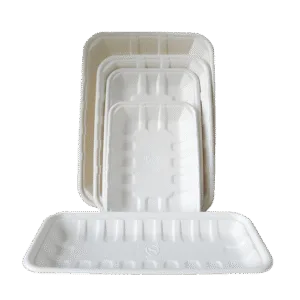
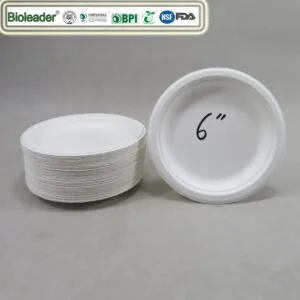
sugarcane bagasse plates manufacturer 1

Product Certifications & Compliance

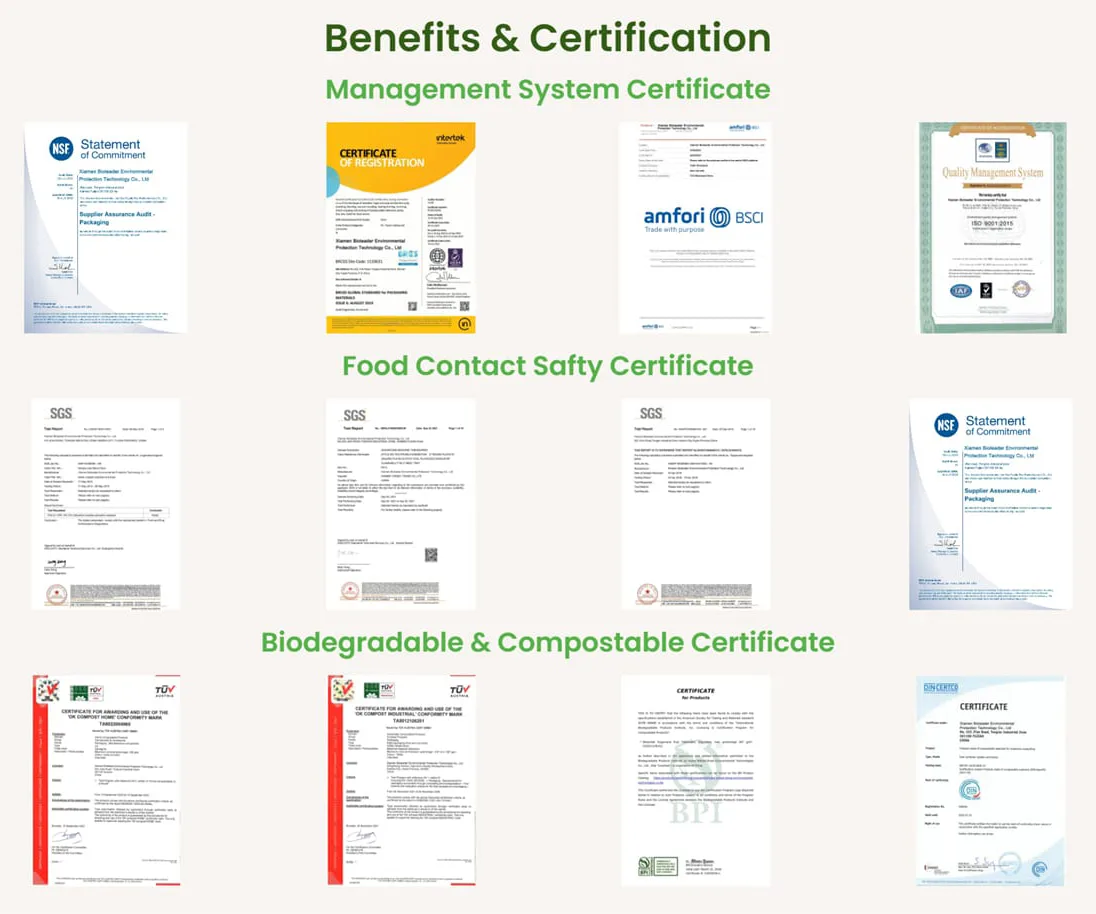
Bioleader® supports food-contact safety and program compliance documentation based on material line, item code, and destination market. For buyer audits and import checks, we can align the correct document pack for the SKUs you select. Share your target country and item list, and our team will prepare the matching compliance files for your foodservice program.

(If your project requires compostability-focused claims and documentation, please refer to our Biodegradable Food Packaging page for that specific program scope.)

Bioleader Certificates of Sugarcane Bagasse Tray with Lid

Custom Branding & Bulk Supply for Foodservice

For multi-location foodservice and catering buyers, consistency is the real cost-saver. Bioleader® supports bulk supply programs designed to keep packaging uniform across menu lines—containers, plates, and bowls—while offering customization options to strengthen brand presentation.

Common buyer requests include:

  • Assortment planning by menu (hot meals, salads, sides, event service)

  • Carton-level labeling and packaging presentation alignment

  • Stable bulk supply for repeat ordering and seasonal demand cycles

FAQs About Eco-friendly Food Packaging

1. What does eco-friendly mean for foodservice packaging?

Eco-friendly foodservice packaging focuses on reducing plastic dependency through responsible materials while maintaining performance for daily service operations.

2. Which materials are commonly used in eco-friendly packaging programs?

Common options include sugarcane fiber (bagasse pulp), paper-based formats, cornstarch options, and PLA/CPLA—selected by menu heat, oil level, and workflow needs.

3. Is eco-friendly packaging always compostable?

Not necessarily. Eco-friendly is a broader program approach; end-of-life outcomes depend on material choice, product design, and local waste handling infrastructure.

4. How do I choose packaging by menu temperature and oil content?

Match hotter, oilier foods with more rigid and grease-tolerant formats, and use paper or plant-based options where presentation and standardization are the priority.

5. Can Bioleader® support bulk purchasing across containers, plates, and bowls?

Yes. We support bulk supply across key packaging formats to help buyers standardize SKUs and keep operations consistent across locations.
Contact us for Pricing

Click or drag files to this area to upload.You can upload up to 5 files.
The more details you share, the faster and more accurate our quotation will be.