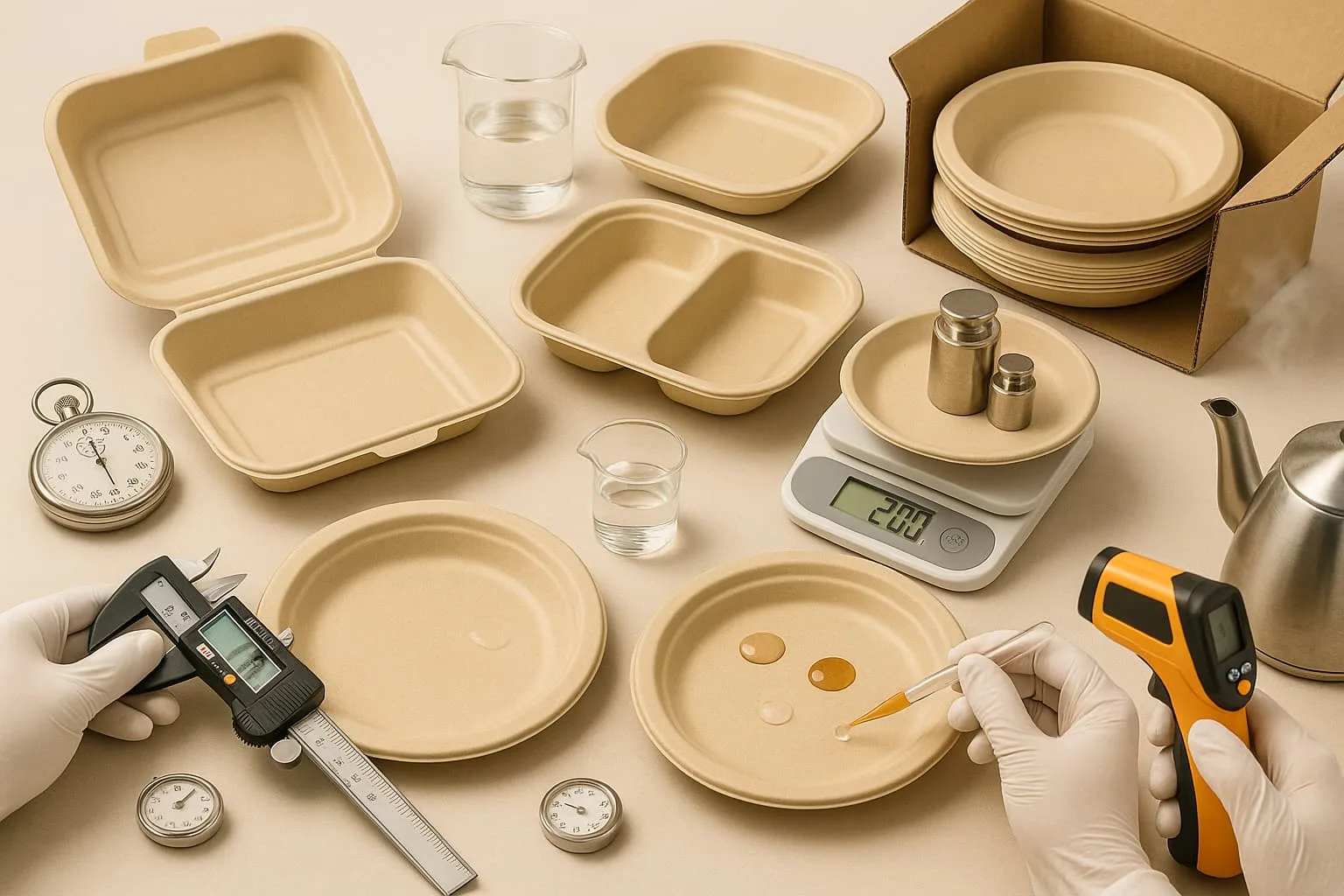
Quick Answer: What Makes Poke Bowls and Their Packaging So Popular?
Poke bowls have evolved from Hawaii’s local cuisine into a global sensation. In 2025, eco-conscious restaurants are switching to compostable bagasse bowls and hexagonal containers with lids to balance freshness, sustainability, and visual appeal.
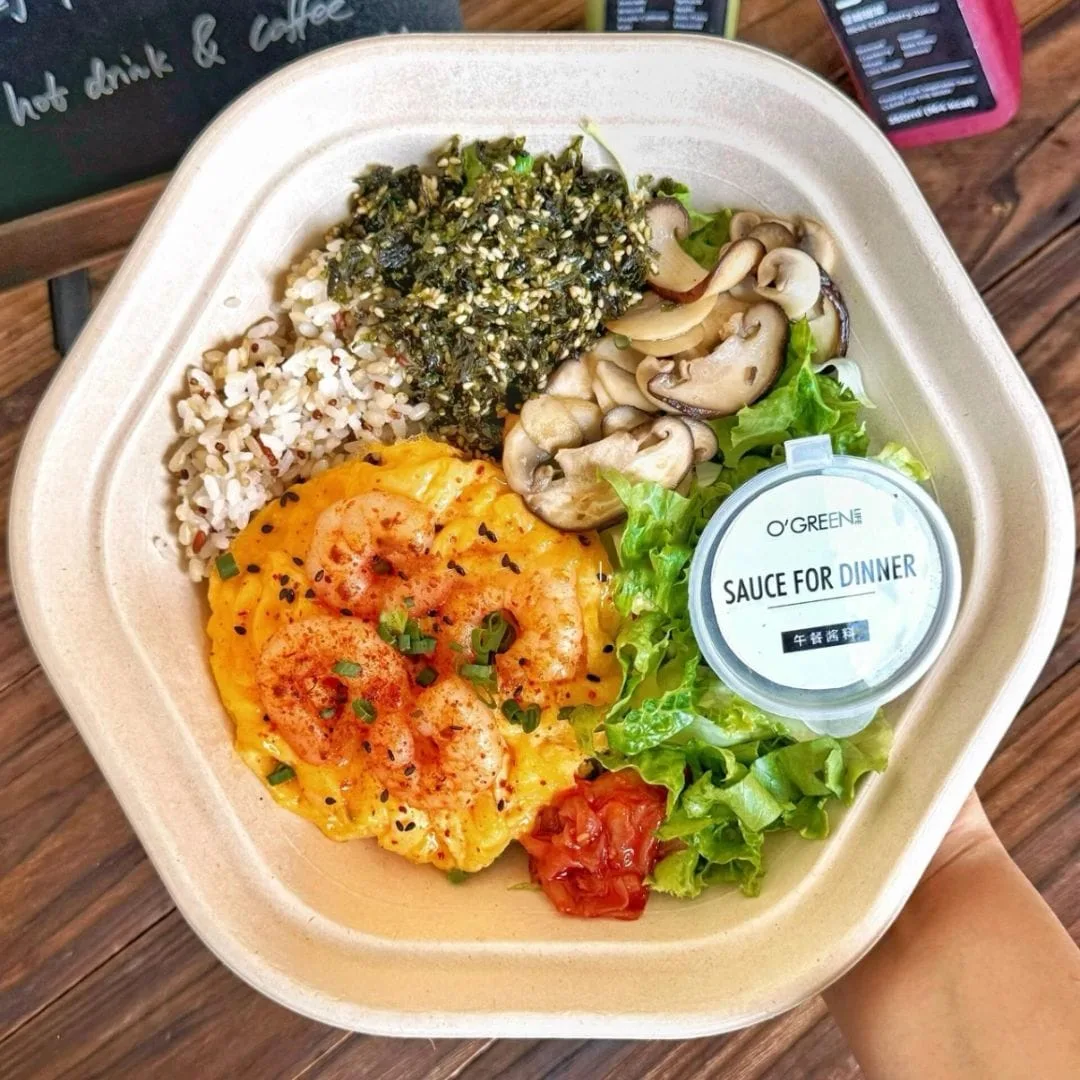
Colorful, customizable, and bursting with fresh ingredients — the poke bowl represents everything today’s diners love: health, creativity, and convenience. But as poke culture expands globally, packaging innovation has become equally important. Sustainable brands now pair authentic flavors with eco-friendly containers that keep ingredients fresh and align with zero-waste goals.
In this complete guide, we’ll explore how poke bowls rose to global fame, what defines the perfect serving bowl, and why Bioleader® bagasse poke bowls and hexagonal compostable containers are leading the next wave of sustainable food packaging.
The Rise of the Poke Bowl
The word “poke” (pronounced poh-kay) means “to slice” or “to cut crosswise” in Hawaiian. Originally, it referred to simple seasoned fish cubes — often tuna or salmon — tossed with seaweed and soy sauce. Over time, the dish evolved, absorbing Asian and Western influences to become the modern poke bowl we know today.
From Island Tradition to Global Trend
In the 1970s, poke was a humble Hawaiian fisherman’s meal. By the 2010s, it became a cultural phenomenon — spreading from Honolulu to Los Angeles, New York, London, and Tokyo. Social media accelerated the trend; vibrant poke bowls filled with colorful vegetables and sauces quickly became a visual feast for Instagram users and health-minded foodies alike.
The Global Shift Toward Healthy Fast-Casual Dining
As consumers sought nutritious, fresh, and customizable meals, poke shops emerged in major cities worldwide. According to Statista, the poke restaurant market is projected to surpass $2.6 billion by 2026. This growth drives demand not only for premium ingredients but also for high-quality, sustainable packaging that complements poke’s natural, wholesome image.
What Makes a Great Poke Bowl?

A perfect poke bowl is both delicious and visually balanced. It typically consists of four components:
- Base: Sushi rice, brown rice, quinoa, or mixed greens.
- Protein: Raw or cooked fish such as salmon, tuna, shrimp, or tofu.
- Toppings: Avocado, mango, edamame, cucumber, sesame seeds, seaweed salad.
- Sauces: Soy, ponzu, spicy mayo, sriracha, or yuzu dressing.
Modern Variations and Lifestyle Adaptations
Beyond traditional Hawaiian recipes, poke bowls now embrace global fusion: vegan poke with tofu and chickpeas, Mediterranean poke with olives and feta, and even breakfast poke with eggs and grains. Each version demands specific packaging solutions that protect textures, prevent leaks, and preserve the colorful presentation.
Serving Sizes & Presentation
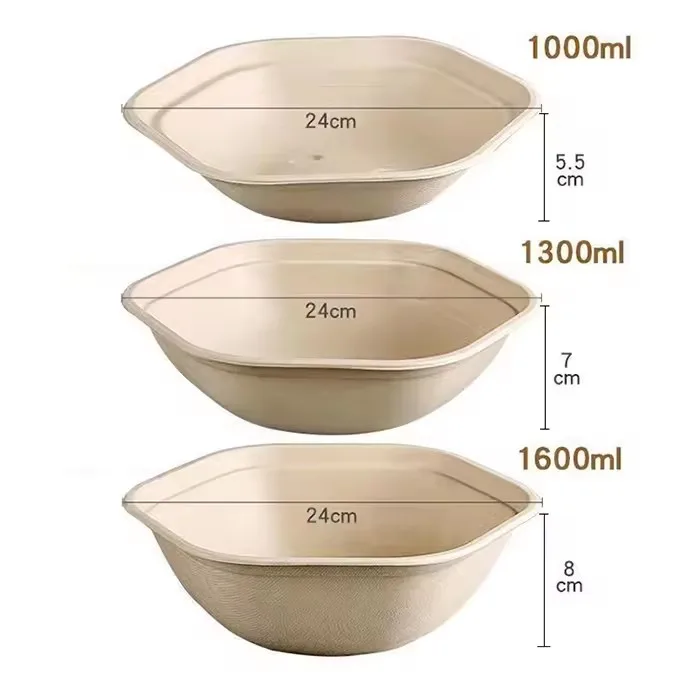
Typical serving sizes range from 500 ml for small meals to 1600 ml for large, shareable portions. That’s why Bioleader® developed compostable hexagonal bowls in multiple capacities — 1000 ml, 1300 ml, and 1600 ml — ideal for restaurants offering dine-in and takeaway services.
Why Packaging Matters for Poke Bowls
Poke is more than a meal; it’s an experience of freshness and visual delight. The right container enhances that experience while minimizing environmental impact.
Visual Appeal and Branding
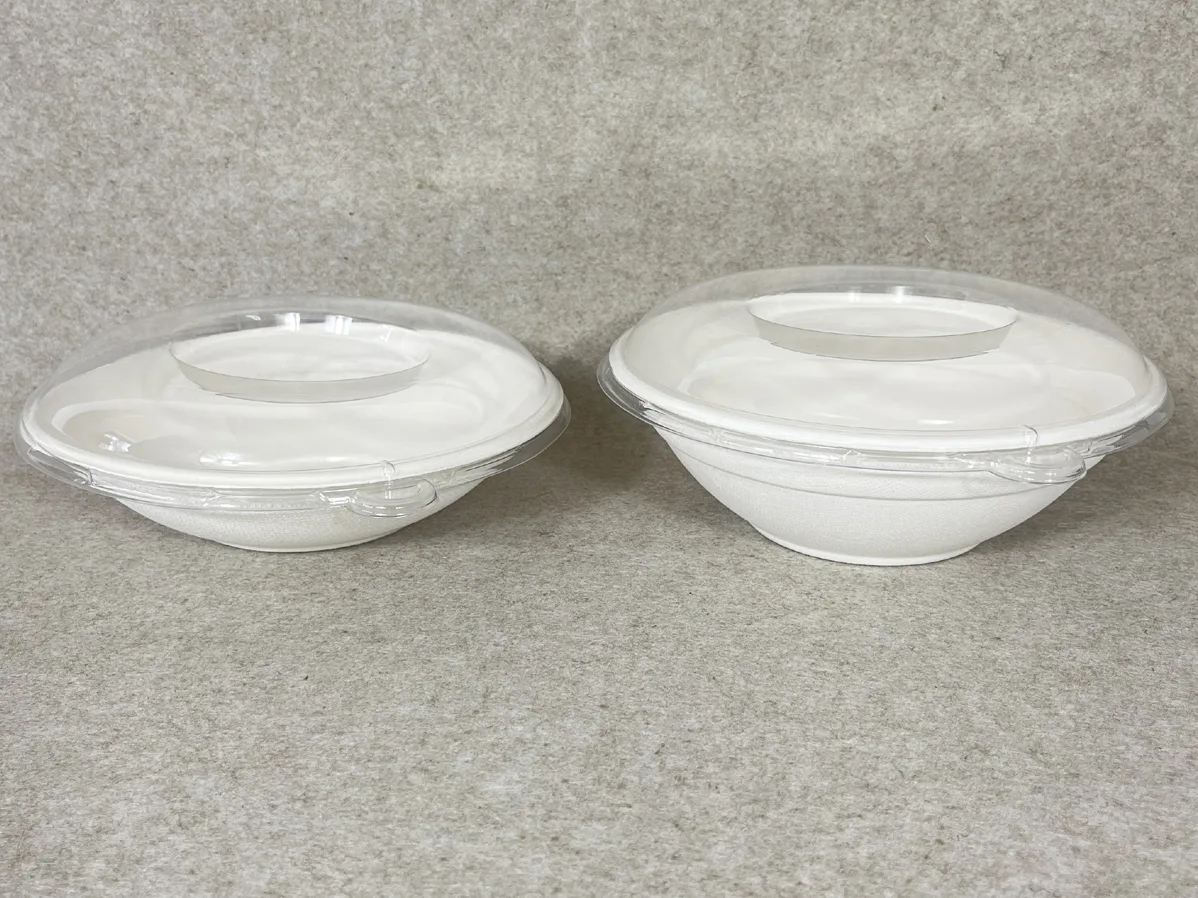
In the digital era, customers “eat with their eyes” first. Transparent lids allow vibrant toppings to shine through, encouraging social-media sharing and organic promotion. Bioleader’s Hawaii Poke Bowl with Lid combines clarity and structure, keeping colors vivid and ingredients crisp during delivery.
Leak Resistance and Structural Integrity
Poke bowls often contain sauces and juicy toppings. That means packaging must prevent leakage while maintaining structural strength under pressure. Bagasse bowls outperform plastic and paper alternatives because their natural fiber texture resists soaking and softening — even with dressing-rich recipes.
Sustainability: Meeting Consumer Expectations
Today’s customers expect their meal packaging to match their values. Compostable and biodegradable materials such as bagasse and cornstarch allow businesses to reduce plastic waste and comply with global bans like the EU PPWR 2026 and U.S. single-use plastic restrictions.
Introducing Eco-Friendly Containers for Poke Bowls
Hawaii Poke Bowl with Lid — Classic Design for Modern Restaurants
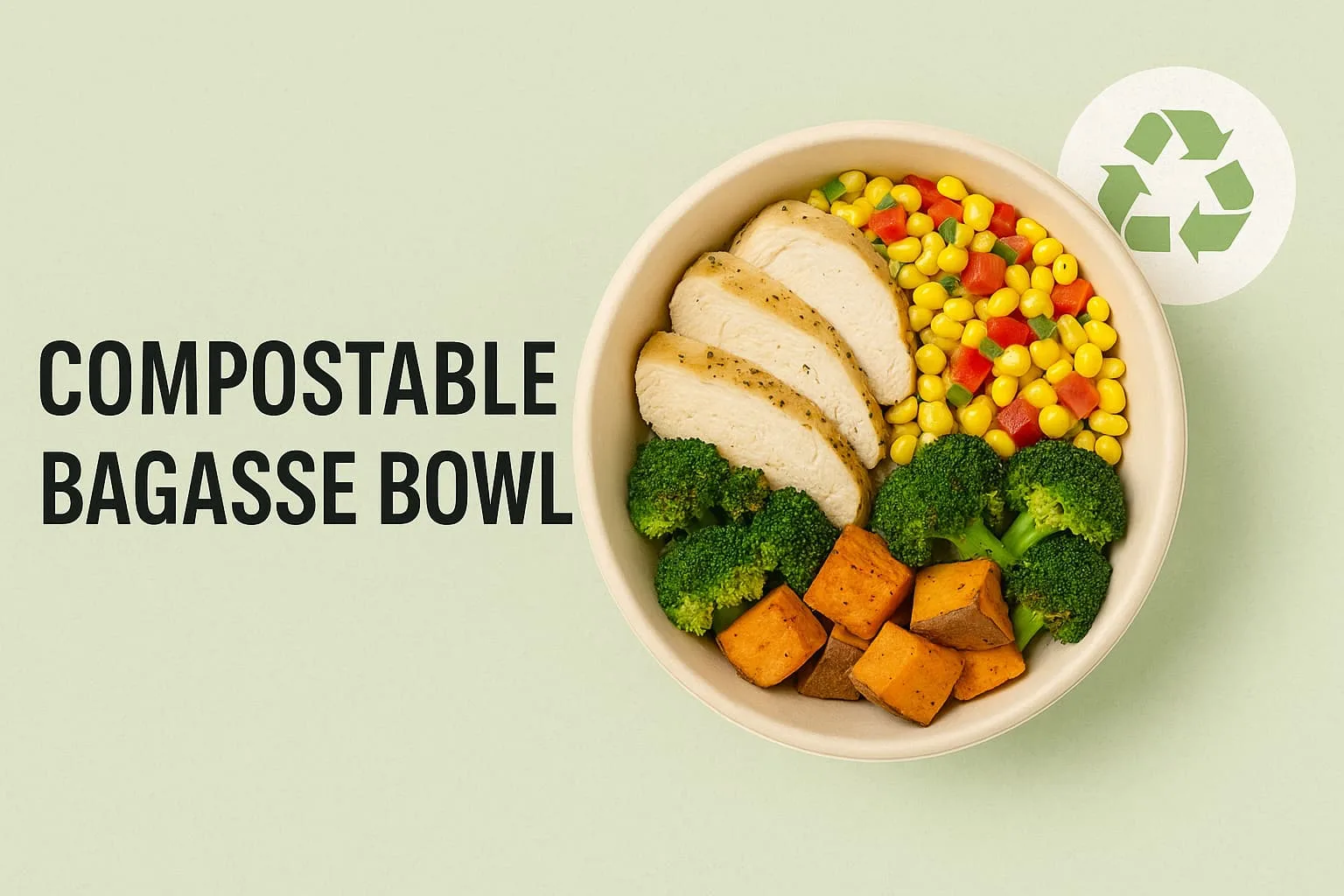
The Hawaii Poke Bowl with Lid from Bioleader® offers a perfect balance of durability, compostability, and style. Made from natural bagasse fiber, it handles both hot and cold dishes with ease. The snug-fit lid locks in freshness while preventing condensation — ideal for takeaway, catering, and food-truck operations.
Compostable Bagasse Hexagonal Bowls with Lids (1000 ml – 1600 ml)
For restaurants that want to stand out, Bioleader® introduces the hexagonal bagasse bowl series. Its unique six-sided shape maximizes visual space and stacking efficiency while symbolizing geometric harmony — perfect for high-end poke presentations. These bowls are PFAS-free, BPI-certified, and EN13432-compliant, ensuring both safety and sustainability.
Material Advantages: Bagasse vs Plastic vs Paper
| Material | Heat Resistance | Compostability | Leak Resistance |
|---|---|---|---|
| Bagasse | Up to 120 °C | 100% Industrial/Home Compostable | Excellent (5 / 5) |
| PLA (Plastic) | Up to 55 °C | Industrial Only | Moderate (3 / 5) |
| Paper / Cardboard | Up to 100 °C (depends on lining) | Recyclable / Partially Compostable | Moderate (3 / 5) |
Bagasse emerges as the superior choice: sturdy, heat-resistant, and fully compostable — ideal for poke shops aiming for performance and environmental compliance.

How to Choose the Right Container for Your Poke Bowl Business
Capacity and Portion Control
Different menus require different volumes. A 500 ml bowl suits single portions or snack bowls, while 1000 ml + sizes are perfect for protein-heavy or family-size servings. Bioleader’s bagasse hexagonal bowls come in 1000 ml, 1300 ml, and 1600 ml, offering flexibility for varied menu designs.
Shape and Visibility
Round bowls offer a traditional presentation, while hexagonal bowls maximize packing efficiency and visual distinction. Transparent or semi-clear lids showcase the colorful poke ingredients — an essential feature for dine-in display and delivery photography.
Temperature and Durability
Poke bowls often include both chilled and slightly warm elements. The packaging must handle temperature shifts without deforming. Bagasse’s cellulose fibers resist warping under humidity and heat, outperforming paper or PLA alternatives.
Branding and Customization
Bioleader® supports custom logo printing and embossing on lids or sidewalls, turning every take-out order into a brand statement. For franchise chains, consistent packaging design builds recognition and trust.
Real-World Case Studies: Compostable Packaging in Action
Case Study 1: The Sustainable Poke Shop Model
Consider a mid-sized poke brand in Singapore, “Ocean Bite,” which replaced plastic containers with Bioleader® compostable bagasse bowls in 2024. Within six months, customer feedback showed a 38% increase in perceived brand sustainability and a 12% rise in repeat takeaway orders. The new hexagonal design not only improved stacking efficiency but also photographed beautifully for social media, generating over 50 UGC posts per month.
Operationally, the bowls handled a variety of poke combinations — from chilled salmon to spicy tuna — with zero leakage and consistent lid fit. Composting partners confirmed full biodegradation within 90 days under controlled conditions.

Case Study 2: California Poke Co. – Reducing Plastic Waste by 72% in Six Months
California Poke Co., a Los Angeles-based fast-casual restaurant chain, adopted Bioleader® compostable bagasse hexagonal bowls with lids in early 2024 as part of its sustainability rebrand. Previously using PP plastic containers, the company aimed to reduce plastic waste and appeal to younger, eco-conscious consumers.
After six months of transition, the brand reported a 72% drop in single-use plastic waste and a 25% increase in customer retention among millennial demographics. Staff found that the hexagonal bagasse design offered excellent stackability and heat resistance for warm rice bowls, while customers appreciated its natural texture and premium appearance. California Poke Co. also partnered with local compost facilities to ensure that used bowls were properly processed into organic soil within three months.
In a public statement, the brand’s marketing director shared: “Bioleader’s bagasse bowls gave us more than packaging—they became part of our brand story about renewable materials and Hawaiian authenticity.”
Case Study 3: Tokyo Urban Poke – Balancing Design Aesthetics and Eco Compliance
Tokyo Urban Poke, a minimalist poke shop in Shibuya, faced a unique challenge in 2024: how to maintain its sleek Japanese brand aesthetic while complying with Japan’s plastic reduction laws. After testing multiple materials, the team selected Bioleader’s Hawaii Poke Bowl with Lid because of its lightweight design, smooth surface finish, and compatibility with both hot and cold menu items.
The restaurant launched its eco initiative with the slogan “From Hawaii to Tokyo — Naturally Fresh.” The campaign featured custom-printed bagasse bowls with the brand’s wave logo embossed on the lid. Customer engagement on social media rose by 45% within three months, and the shop received positive coverage in local sustainability magazines. The team also highlighted that switching to Bioleader® packaging reduced their waste management fees by nearly 20%, since bagasse containers qualify as compostable biowaste under Tokyo municipal rules.
This example demonstrates how design-driven brands can adopt eco packaging without compromising on visual identity or customer experience — a perfect blend of style and sustainability.
Usage Tips for Restaurants
- Fill bowls only 85–90% to avoid sauce overflow.
- Allow rice or base to cool slightly before sealing the lid.
- Stack bowls evenly; avoid over-compression during delivery.
- Label containers with “Compostable Packaging” to educate customers.
Environmental Impact & Compliance
The switch to compostable packaging supports global regulatory trends. Under EU PPWR 2026 and Canada’s Zero-Plastic Waste Initiative, foodservice brands are expected to adopt biodegradable and PFAS-free materials. Bioleader’s bagasse products meet EN13432, ASTM D6400, FDA 176.170, and LFGB food-contact standards.
Compared to conventional PET or PP bowls, bagasse containers cut carbon emissions by up to 70% throughout their lifecycle — from renewable sugarcane pulp to compostable end-of-life. This helps restaurants reach ESG goals while aligning with global plastic ban deadlines.
FAQ: Poke Bowls & Compostable Packaging
1. What is the best container for a poke bowl?
Bagasse bowls with lids offer the best balance of heat resistance, leak prevention, and eco performance. Hexagonal models provide modern presentation and stacking efficiency.
2. Are Bioleader poke bowls microwave safe?
Yes. Bagasse containers can handle short microwave heating (up to 120 °C for under 5 minutes). PLA lids should not be microwaved.
3. Can I brand the packaging for my restaurant?
Absolutely. Bioleader® offers custom printing and embossing for logos, ideal for chain restaurants and eco-branding campaigns.
4. How long does it take for bagasse bowls to decompose?
In industrial compost facilities, they break down within 90–120 days, leaving no toxic residue.
5. Are hexagonal bagasse bowls available in bulk for wholesale?
Yes. Bioleader® supplies wholesale orders globally with customized sizes and shipping from Xiamen, China. Minimum order quantities and branding options are available upon request.
Summary: A Fresh Future for Poke & Planet
Poke bowls symbolize modern dining — nutritious, creative, and convenient. To match this spirit, restaurants are embracing compostable bagasse and hexagonal bowls that deliver quality performance while protecting the environment.
Whether you’re a small café experimenting with poke menus or a franchise optimizing take-out logistics, choosing Bioleader® packaging means investing in both durability and sustainability. It’s time to serve Hawaii’s most beloved dish in packaging that honors its island roots — clean, natural, and responsible.