At first glance, kraft paper and cardboard might seem like identical materials—both brown, stiff, and often used in packaging. But are they truly the same? This is a common question for anyone exploring eco-friendly food packaging or sourcing kraft takeaway boxes, kraft salad bowls, and Kraft Paper Takeout Containers. The confusion is understandable, yet the differences are crucial—especially for businesses aiming to make sustainable packaging choices.
In this blog, we’ll clarify what Kraft paper is, how it differs from cardboard, and why each serves distinct purposes in the foodservice and packaging industries.
What Is Kraft Paper and What Is Cardboard?
Kraft Paper Defined
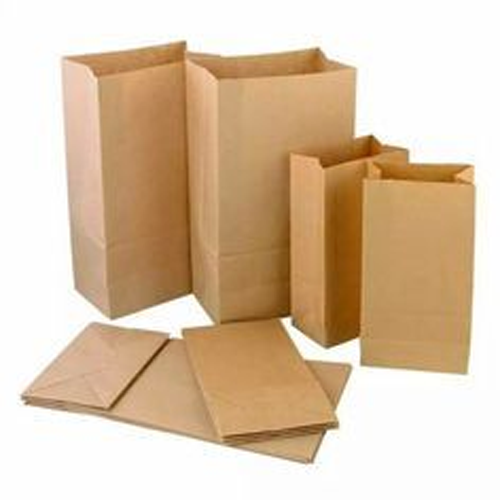
Kraft paper is made through the kraft process, which uses heat and chemicals to break down wood into pulp, removing lignin and leaving behind strong cellulose fibers. This results in a highly durable, tear-resistant, and biodegradable paper.
Common characteristics:
Unbleached, natural brown color
Strong tensile strength
Lightweight and flexible
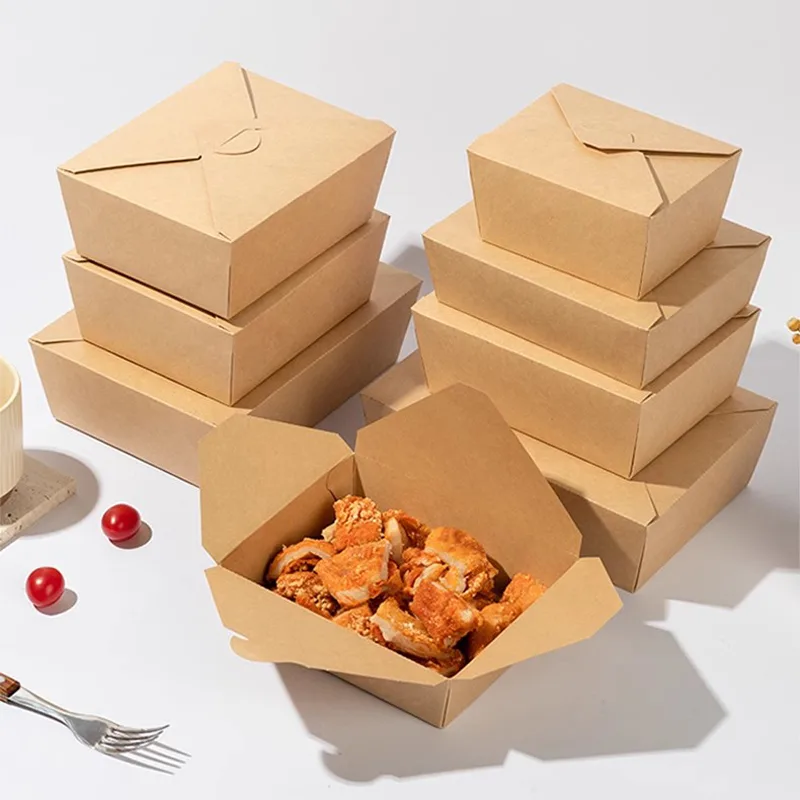
Often used in kraft takeaway boxes, kraft soup bowls, and kraft food containers
What Is Cardboard?
Cardboard is a broader term that typically refers to multi-layered paperboard—a thicker, stiffer, and heavier version of paper. It is commonly used for shipping boxes, product packaging, and point-of-sale displays.
Key features:
Often includes fluted or corrugated layers
Greater rigidity and load-bearing capacity
Not typically used for direct food contact unless coated
May or may not be made from kraft pulp


Key Differences Between Kraft Paper and Cardboard
| Feature | Kraft Paper | Cardboard |
|---|---|---|
| Structure | Single-layer, dense fiber | Multi-layer (often corrugated) |
| Weight | Light (40–120 gsm) | Heavy (250–800 gsm or more) |
| Flexibility | Highly flexible | Stiff and rigid |
| Common Uses | Food packaging, bags, wrapping | Shipping boxes, retail displays |
| Direct Food Contact | Safe and FDA-compliant (when food-grade) | Requires coating; less common |
| Sustainability | Compostable, recyclable, lower energy to make | Often recyclable but less compostable |
Common Kraft Packaging Types vs Cardboard Uses
Kraft Paper Applications
Kraft takeaway boxes for fast-casual and delivery
Biodegradable kraft lunch boxes wholesale for catering
Grease-resistant kraft takeout boxes for hot meals
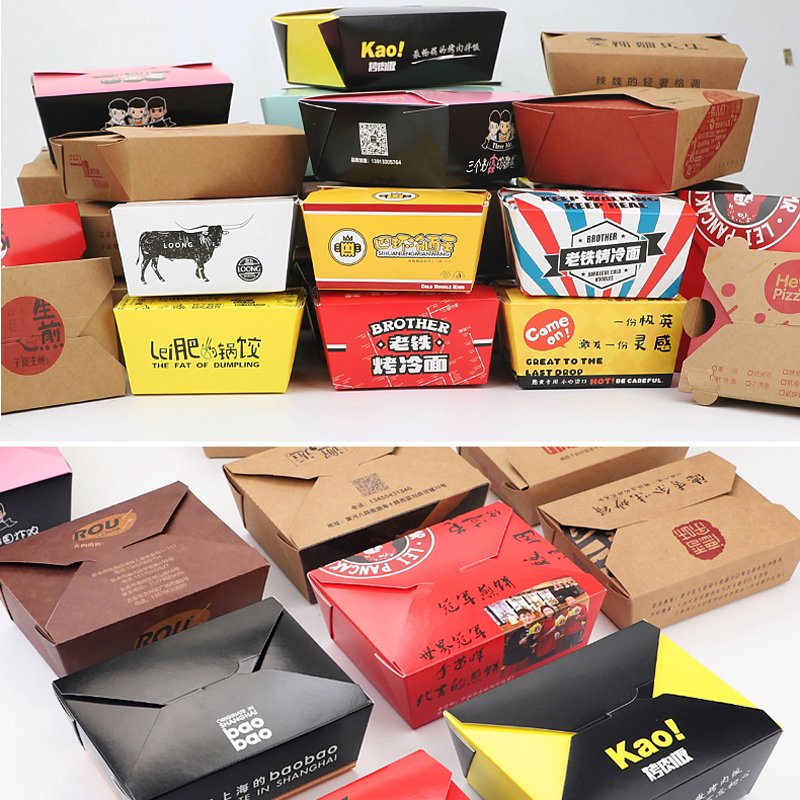
Custom printed kraft takeaway containers for branding
Kraft paper to-go boxes with lids for multipurpose food use
Cardboard Applications
Corrugated cartons for bulk shipping
Pizza boxes (coated variants)
Product outer packaging (often not food-contact safe)
Beverage multipack carriers (e.g., for bottles or cans)

Scientific Data & Real-World Case Studies
Environmental Impact Comparison
According to the Environmental Paper Network and WRAP UK:
Kraft paper uses 20–40% less water and 30–50% less energy to produce than cardboard.
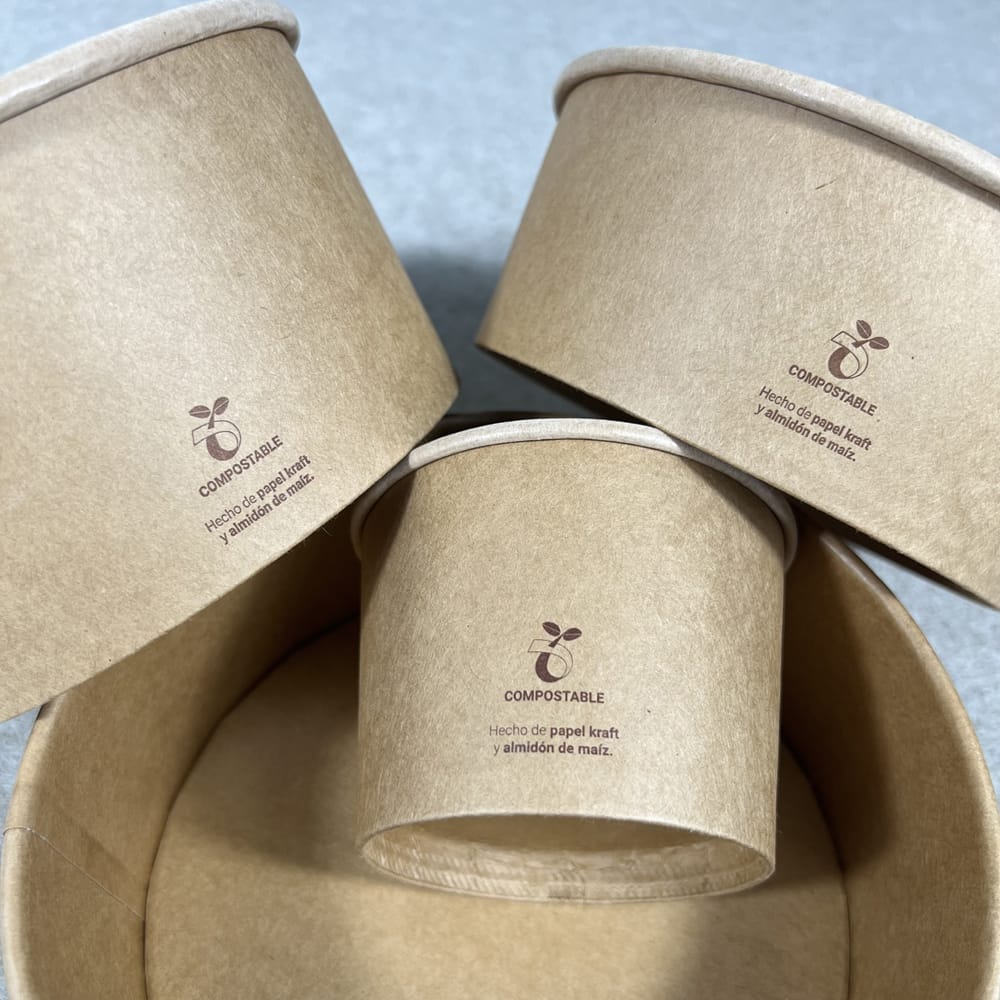
Kraft paper is fully compostable in both home and industrial settings.
Cardboard, while recyclable, often includes adhesives and coatings that hinder biodegradation.
A kraft container’s life cycle emits 35% less CO₂ than an equivalent cardboard container when used for the same food service application.
Case Study 1 – FreshEarth Salads (Canada)
Background: A salad delivery service in Toronto used laminated cardboard bowls for cold food items.
Challenge: Customers were frustrated with moisture seepage and unappealing aesthetics.
Solution: They switched to kraft salad bowls and kraft boxes with lids designed with grease-resistant linings.
Result:
40% increase in positive customer reviews
2.7 tons of plastic-laminated cardboard saved annually
Awarded “Best Eco-Packaging Initiative” in local food awards

Case Study 2 – BentoNatura Meal Kits (Germany)
Background: BentoNatura previously used rigid cardboard sleeves for their boxed meals.
Problem: Their packaging took up too much storage space and wasn’t compostable.
Solution: Transitioned to microwave-safe kraft paper takeout containers with printed branding.
Outcome:
Reduced warehouse space usage by 30%
Improved composting compliance in municipalities
Boosted sales to eco-conscious clients in Berlin and Hamburg
5 Frequently Asked Questions (FAQs)
Q1: Is kraft paper stronger than cardboard?
A: Kraft paper has higher tensile strength per gram but cardboard, due to its layers, offers more rigidity. Each is strong in its own way.
Q2: Can kraft paper be used for hot or wet foods?
A: Yes, especially when grease-resistant or PLA-lined. Ideal for soups, noodles, and fried foods.
Q3: Is cardboard safe for direct food contact?
A: Only when certified and coated. Otherwise, it may leach chemicals or absorb food oils.
Q4: Which is more eco-friendly—kraft paper or cardboard?
A: Kraft paper generally wins due to lower energy consumption, compostability, and fewer chemical additives.
Q5: Are kraft takeaway boxes microwave-safe?
A: Yes, many microwave-safe kraft paper takeout containers are designed specifically for reheating meals safely.
Conclusion: Kraft Paper ≠ Cardboard—And That’s a Good Thing
So, is kraft paper the same as cardboard? Absolutely not. While they may look similar, their structure, function, and eco-impact differ dramatically.
If you’re a business looking for sustainable food packaging, kraft paper gives you a flexible, compostable, and food-safe solution. Products like kraft takeaway boxes, kraft soup bowls, and kraft salad bowls combine practicality with planet-conscious design.
On the other hand, cardboard remains essential for bulk transport and protection—but it’s not ideal for direct food service. Knowing the difference helps you make smarter choices—whether you’re a food brand, caterer, or environmentally-aware consumer.