🎆 Introduction: Fireworks, Freedom—and Now, Footprints
Every year, the Fourth of July lights up the skies, patios, and parks across the United States. It’s a day brimming with fireworks, grilled hot dogs, and red-white-and-blue everything. But in 2025, something else is catching fire—not just sparklers, but sustainable celebration trends. From zero-waste picnics to biodegradable BBQ gear, more Americans are asking, “How can we celebrate without trashing the planet?”
This blog explores how eco-conscious behaviors are reshaping how Americans mark Independence Day and other summer festivities—highlighting changing consumer culture, experience-driven events, and the rise of alternatives like sugarcane box containers and Bagasse Clamshell Containers. Along the way, we’ll naturally showcase how leading brands like Bioleader are riding the green wave.
🎯 The Rise of Sustainable Celebrations
July 4th is traditionally America’s most wasteful holiday—think paper plates, solo cups, plastic forks, leftover fireworks debris, and foil-lined wrappers. But Gen Z and millennial consumers, who together make up nearly half the U.S. population, are turning that around.
According to recent consumer surveys:
Over 65% of people under 40 say they plan to make eco-conscious choices during public holidays.
Sustainable packaging searches spike by over 40% in June and July.
Farmers markets, zero-waste BBQs, and “bring-your-own-plate” events are now trending on platforms like Pinterest and TikTok.
One standout product making waves? The Bagasse Food Containers—a compostable alternative to plastic that keeps grilled foods hot and fresh, without polluting landfills. It’s not just about utility—it’s about identity. Choosing eco-friendly options has become part of how Americans express their values.
🌽From Plastic to Plants—The Sugarcane Shift
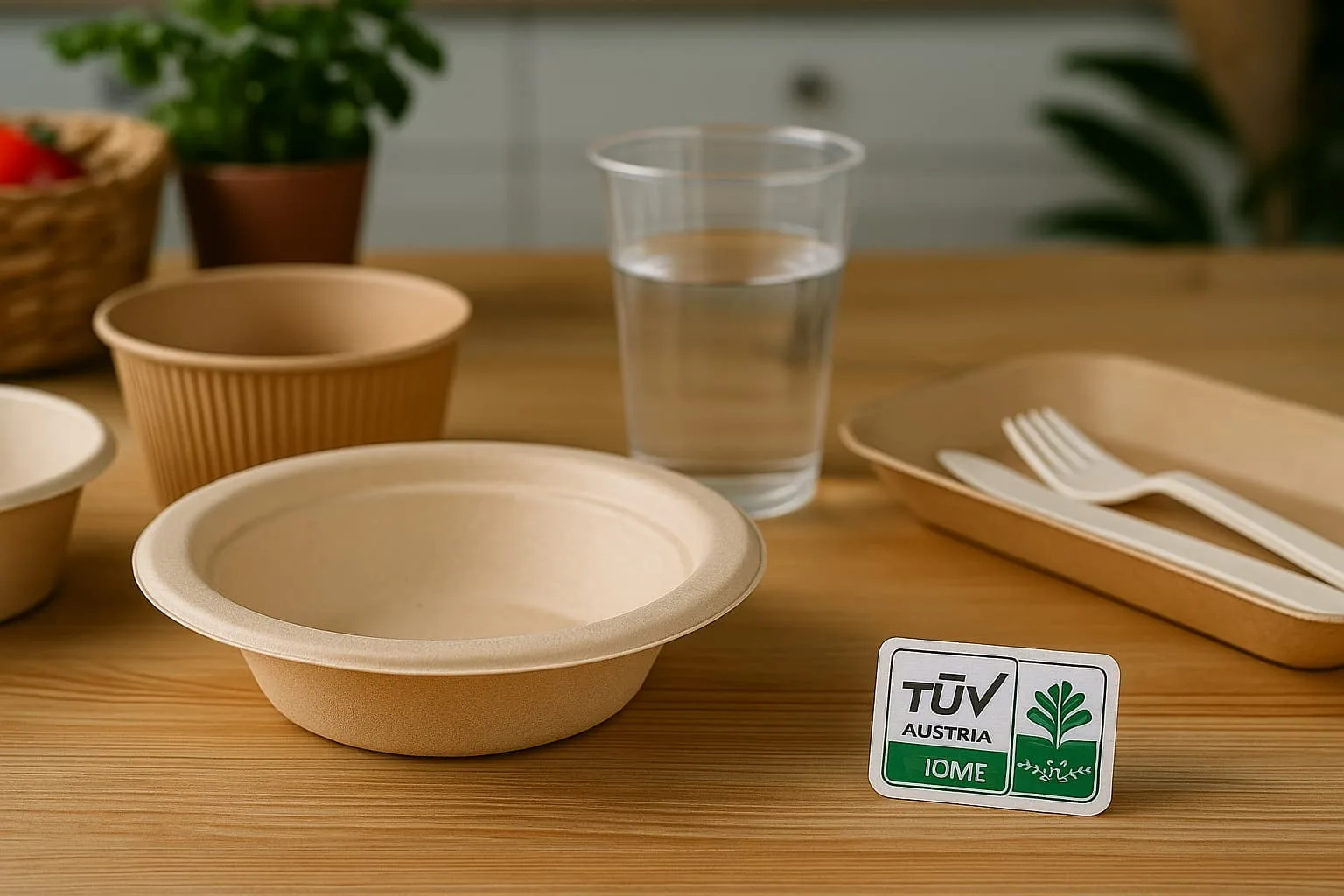
Let’s talk material. Traditionally, Fourth of July meals are served in plastic clamshells or styrofoam trays. But this year, many consumers are switching to Sugarcane Bagasse—a byproduct of sugarcane processing that would otherwise be discarded. It’s durable, heat-resistant, microwave-safe, and most importantly—home-compostable.
Here’s why sugarcane-based packaging is catching on:
Natural look & feel: It aligns with the rustic Americana BBQ aesthetic.
No plastic guilt: Guests appreciate packaging that doesn’t compromise the environment.
Performance matters: Bagasse holds up to sauce, steam, and seconds.
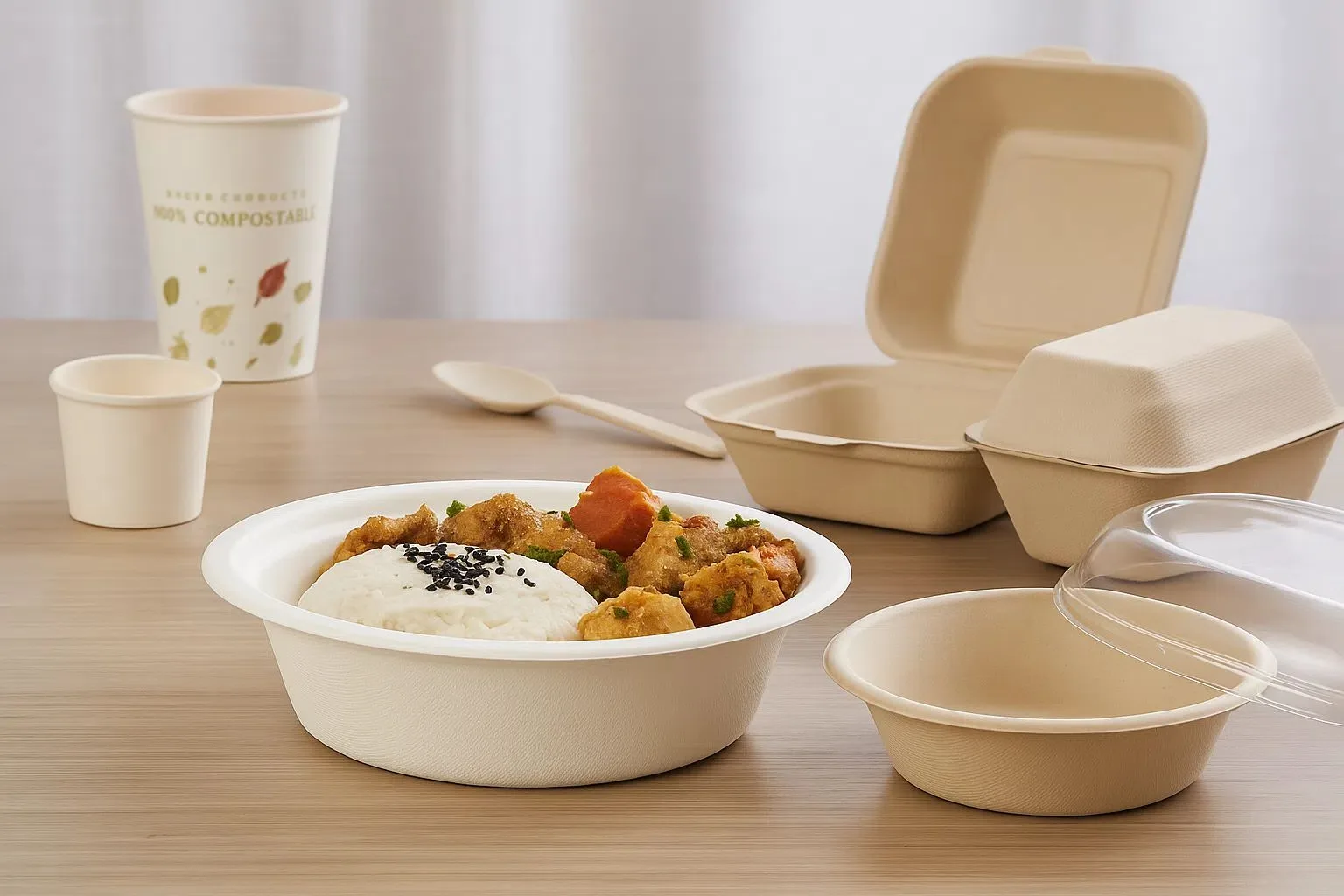
From sugarcane box meal kits to customizable Bagasse Clamshell Containers, these options aren’t just eco—they’re stylish, photogenic, and party-approved.

🧺 Eco-Friendly BBQs Are the New Norm
A new tradition is forming: the Zero-Waste Picnic. Especially in states like California, Oregon, and New York, community-led events now promote BYO-utensils, shared compost bins, and biodegradable takeout containers.
Typical July 4th picnic kits in 2025 now look like this:
| Item | Eco Alternative |
|---|---|
| Plastic plate | Bagasse plate |
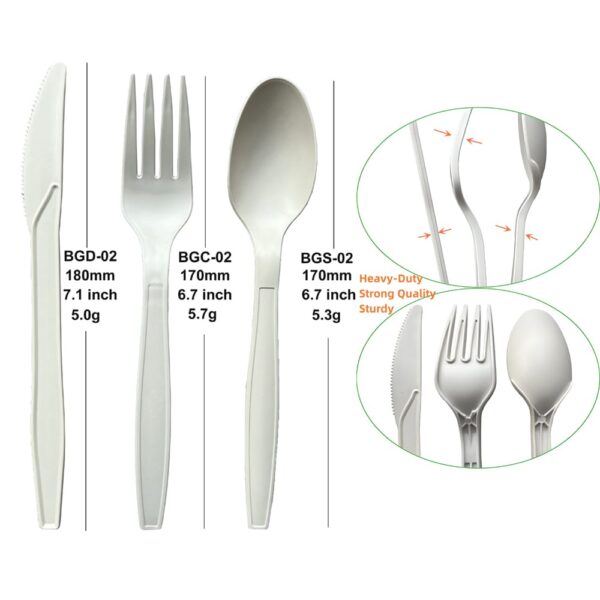
| Plastic fork | Cornstarch-based utensil |
| Foam clamshell | Bagasse Clamshell Container |
| Trash bin | Shared composting system |
| Red Solo cup | Reusable mason jar or PLA cup |
Bioleader, a pioneer in plant-based packaging, has emerged as a top provider for eco-event supplies. Their commitment to sustainability and functional design has made them a favorite among green-minded consumers and retailers.

🛍️ What Consumers Want in 2025
The shift toward eco-consciousness is not just anecdotal—it’s backed by changing purchasing behavior:
1. Simplicity Wins
Consumers now prefer fewer, better-designed items over bulk plastic disposables. The sugarcane box trend is a direct result of this—a neat, compostable way to package and transport meals.
2. Education Drives Loyalty
Brands that educate, like Bioleader, earn deeper trust. Blogs, labels, and TikTok videos explaining “Why we choose bagasse” are generating real engagement.
3. Transparency Is Everything
People want to know:
Is this truly compostable?
Where is it made?
What certifications does it have?
Transparent labeling is now as important as the product itself.
🇺🇸 Beyond July 4—Sustainability in U.S. Festivals
The summer season doesn’t stop with Independence Day. Here’s how green practices are showing up in:
🍑 Peach Festivals in Georgia
Vendors have shifted to compostable trays and bagasse food boxes for peach cobbler and grilled delights.
🎸 Country Music Fests in Tennessee
Merch booths now offer reusable cutlery and sugarcane-based serving trays for pulled pork sandwiches.
🌻 Farmers Markets Nationwide
Local vendors are opting for Bagasse Clamshell Containers over plastic packaging, especially for baked goods and fresh produce.
👪 The Emotional Impact—It Feels Better to Do Better
Celebrating sustainably isn’t just good for the planet—it’s deeply satisfying. Parents feel proud modeling responsible behavior for kids. Friends bond over shared green goals. And guests leave with full hearts, full bellies, and empty trash bags.
Here’s a snapshot of what consumers are saying:
“I used to go through a whole trash bag by noon. This year, I only filled a small compost bin and it felt amazing.”
– Kelsey R., Portland, OR
“Bioleader’s sugarcane containers looked great and held up all day. Even my grandpa noticed!”
– Marcus T., Austin, TX
🔄 How Retailers and Hosts Can Join the Trend
Whether you’re a picnic host, local grocer, or food vendor, here are three easy ways to ride the green wave:
1. Switch to Bagasse-Based Containers
They’re sturdy, stylish, and compostable. Stock Bagasse Food Containers and offer them as part of your Independence Day bundle kits.
2. Educate Through Signage or QR Codes
Explain the value of Sugarcane Bagasse packaging at the point of sale. Simple signs like “Plastic-free and backyard compostable” go a long way.
3. Support Brands That Walk the Talk
Work with partners like Bioleader that offer not just products but sustainability guidance, bulk pricing, and custom branding.
FAQ
1. How can I host an eco-friendly Fourth of July picnic?
Choose reusable or compostable tableware, avoid single-use plastics, serve local organic food, and encourage recycling or composting with clearly labeled bins.
2. What are the best sustainable alternatives to plastic plates for July 4th?
Compostable plates made from bagasse, palm leaf, or cornstarch are excellent eco-friendly options that reduce landfill waste and support a greener celebration.
3. Are fireworks bad for the environment?
Yes, traditional fireworks release heavy metals and particulate matter into the air. Eco-conscious communities now consider drone light shows or biodegradable fireworks as greener alternatives.
4. What food packaging is best for July 4th takeout and leftovers?
Biodegradable food containers made from sugarcane bagasse or Kraft paper are ideal—they’re durable, heat-resistant, and compostable after use.
5. How can I reduce waste during Independence Day celebrations?
Buy in bulk to avoid excess packaging, use digital invites, serve drinks in refillable cups, and encourage guests to take leftovers home in compostable containers.
🧭 Conclusion: From Fireworks to Footprints
The Fourth of July may celebrate America’s independence—but in 2025, it’s also celebrating our interdependence with nature. The rise of sugarcane box solutions, Bagasse Clamshell Containers, and consumer-conscious celebrations marks a turning point.
This isn’t just a summer trend—it’s a culture shift. As more Americans say goodbye to single-use plastics, they’re making holidays lighter, cleaner, and more meaningful—one compostable container at a time.