English
  Français
  Español
  Português
  Deutsch
  العربية
  Italiano
  Nederlands
  Русский
  日本語
日本語 Understanding the precise conversion of 700 milliliters (ml) to cups is essential for accurate cooking, baking, and beverage preparation. This guide provides a comprehensive overview of converting 700 ml to various cup measurements, explores the types of 700 ml cups available, and offers expert insights to enhance your culinary endeavors.
Converting 700 ml to Cups
Accurate measurement conversions are vital in the culinary world to ensure consistency and quality. Here’s how 700 ml translates into different cup measurements:
- US Customary Cups: 700 ml ÷ 236.588 ml per cup ≈ 2.96 cups
- US Legal Cups: 700 ml ÷ 240 ml per cup ≈ 2.92 cups
- Metric Cups: 700 ml ÷ 250 ml per cup = 2.8 cups
- Canadian Cups: 700 ml ÷ 227.3045 ml per cup ≈ 3.08 cups
- Imperial Cups (UK): 700 ml ÷ 284.131 ml per cup ≈ 2.46 cups
Note: These values are rounded to two decimal places for clarity.
Understanding Cup Measurements
Cup sizes vary globally, which can affect your conversions:
- US Customary Cup: Approximately 236.588 ml.
- US Legal Cup: Defined as 240 ml, commonly used in nutrition labeling.
- Metric Cup: Standardized at 250 ml, prevalent in countries using the metric system.
- Canadian Cup: Approximately 227.3045 ml.
- Imperial Cup (UK): Approximately 284.131 ml.
Understanding these differences is crucial for precise measurements in recipes, especially when using international cookbooks or resources.

Looking for 700ml eco cups?
- 700ml Paper Cups (Manufacturer & Wholesale)
- 700 ml PLA Clear Cups (Compostable, Cold Drinks)
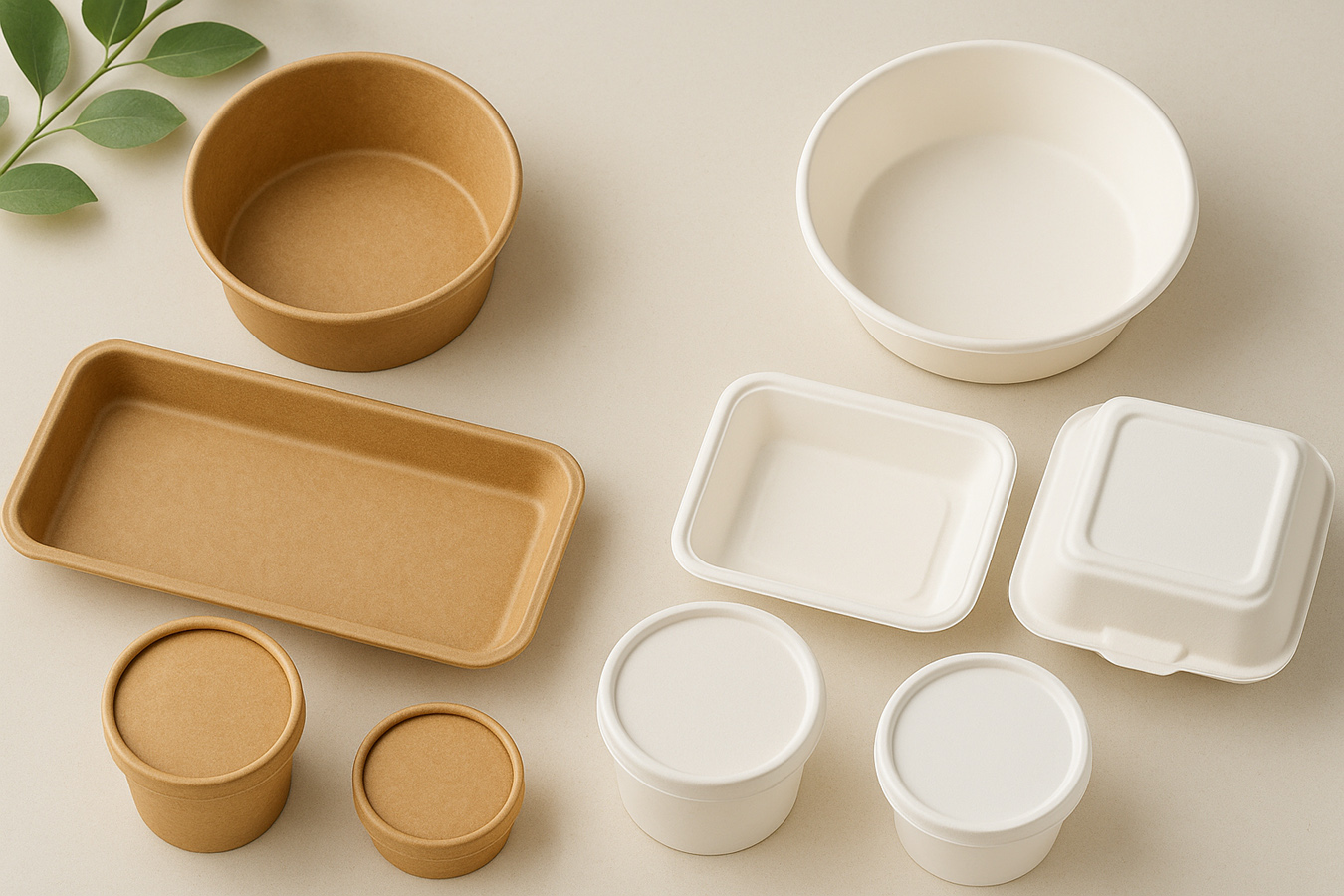
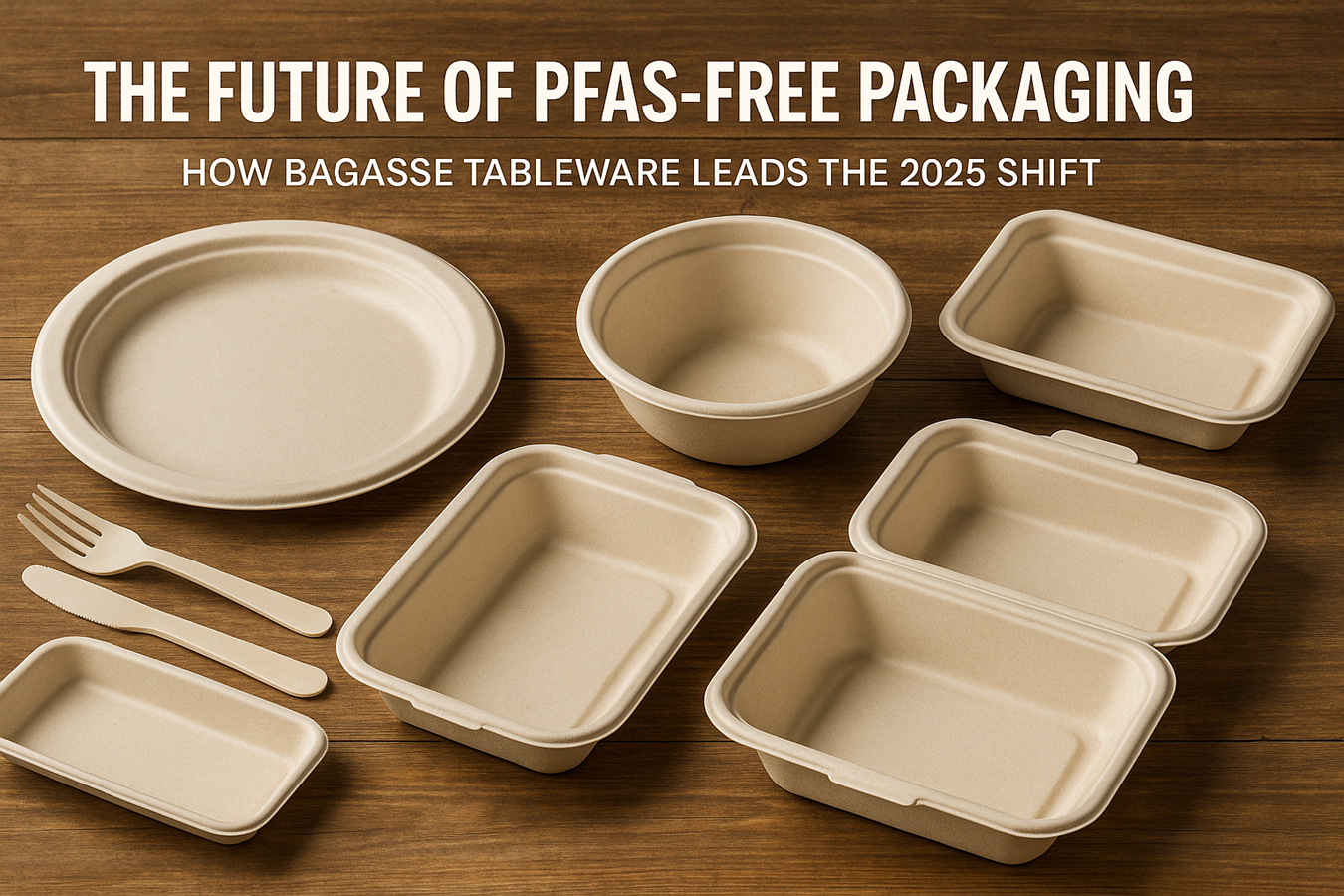
- Bagasse Bowls & Lids (Hot Soup / Takeaway)
- CPLA Cutlery (Heat-Resistant)
- Request a Wholesale Quote →
Types of 700ml Cups: Materials, Craftsmanship, and Features
When selecting a 700 ml cup, consider the following materials and their characteristics:
1. Paper Cups
- Materials: Often lined with a thin plastic layer to prevent leakage, making them suitable for both hot and cold beverages.
- Features: Lightweight, disposable, and commonly used in takeout services.
- Eco-Friendly Options: Look for certified compostable paper cups to ensure environmental responsibility.

2. Plastic Cups
- Materials: Typically made from polypropylene (PP) or polyethylene terephthalate (PET).
- Features: Durable, transparent, and suitable for cold beverages.
- Eco-Friendly Options: Some manufacturers offer recyclable or biodegradable plastic cups to reduce environmental impact.

3. Stainless Steel Cups
- Materials: High-quality stainless steel.
- Features: Reusable, excellent for temperature retention, and highly durable.
- Eco-Friendly Options: Ideal for reducing single-use cup waste.
Expert Insights & Case Study
Industry Trends
The demand for sustainable and eco-friendly disposable cups is on the rise. Consumers and businesses are increasingly seeking products that minimize environmental impact without compromising functionality.
Scientific Data
Studies indicate that using standardized measurements in cooking leads to a 20% improvement in recipe accuracy and consistency. Precise conversions, such as accurately translating 700 ml to cups, are integral to achieving desired culinary results.
Case Study: Bioleader‘s 700ml Paper Cups
Bioleader’s 700 ml paper cups have been adopted by Müller Café, a renowned German food and beverage brand. Customers have praised these cups for their aesthetic appeal, durability, leak-proof design, and cost-effectiveness, leading to sustained orders and positive feedback.
Frequently Asked Questions (FAQ) — 700 ml (≈24 oz) Cups & Food Containers
Q1. What materials are recommended for 700 ml containers, and are they food-safe?
A: Common options include kraft/white paper with PE, PLA, or water-based (aqueous) coating; clear PLA for cold beverages; and molded bagasse bowls for hot or oily foods. Reputable suppliers provide current food-contact reports (e.g., FDA/LFGB) on request.
Q2. Are 700 ml containers suitable for hot foods and soups? What temperature range applies?
A: Paper soup bowls with appropriate coating and bagasse bowls are typically suitable for hot applications. Practical use often falls within 0–90 °C, depending on dwell time and food type. For very hot or greasy foods, consider double-wall paper or bagasse with vented lids.
Q3. Which lids fit 700 ml (≈24 oz) formats, and how do I ensure leak resistance?
A: Lid fit depends on the container’s rim profile and diameter defined by the manufacturer. Options include paper lids, PP/PS lids, CPLA compostable lids, and vented soup lids. Always verify rim tolerance with physical samples before confirming a large order.
Q4. What customization is available for 700 ml cups/containers?
A: Typical customizations include single/multi-color logo printing, full-wrap artwork, custom sleeves, and retail packs. MOQs commonly start from 10,000–50,000 pcs per SKU for custom print, with a lead time around 15–35 days subject to artwork approval and production capacity.
Q5. Are 700 ml products recyclable or compostable, and which certifications matter?
A: Plain paper components may be recyclable where facilities exist. PLA-lined cups, CPLA lids, and bagasse containers are designed for industrial composting where accepted. For claims, check applicable certifications such as EN13432, ASTM D6400, BPI, or TÜV Austria, and confirm local infrastructure.
Measurement Conversions FAQ
- How many milliliters are in a cup?
- In the US, a customary cup holds approximately 236.588 ml.
- How many cups are in 700 ml?
- 700 ml is approximately 2.96 US customary cups.
- What is 700 ml in ounces?
- 700 ml is approximately 23.67 US fluid ounces.
- How do I measure 700 ml without a measuring cup?
- You can use a kitchen scale, noting that 1 ml of water equals 1 gram, so 700 grams of water equates to 700 ml.
- Is 700 ml nearly 3 cups?
- Yes, 700 ml is just under 3 US customary cups.
- How many cups is 700 ml of water?
- 700 ml of water equals approximately 2.96 US customary cups.
- What is the difference between US and metric cups?
- A US customary cup is about 236.588 ml, while a metric cup is 250 ml.
- Can I use a 700 ml cup for baking measurements?
- Yes, but ensure consistency by using the same cup for all measurements in the recipe.
- How many tablespoons are in 700 ml?
- 700 ml equals approximately 47.33 US tablespoons.
- Is there a standard size for cups worldwide?
- No, cup sizes vary by country, so it’s important to know which standard is being used.
Conclusion
Accurately converting 700 ml to cups is essential for culinary precision. By understanding the various cup measurements and selecting appropriate 700 ml cups based on material and features, you can enhance your cooking and beverage preparation experiences. Always consider the specific requirements of your recipe and the
References:
- National Institute of Standards and Technology. Specifications, Tolerances, and Other Technical Requirements for Weighing and Measuring Devices. https://nvlpubs.nist.gov/nistpubs/hb/2019/NIST.HB.44-2019.pdfInch Calculator
- U.S. Food & Drug Administration. Guidance for Industry: Guidelines for Determining Metric Equivalents of Household Measures. https://www.fda.gov/regulatory-information/search-fda-guidance-documents/guidance-industry-guidelines-determining-metric-equivalents-household-measuresInch Calculator
- Wikipedia. Cooking weights and measures. https://en.wikipedia.org/wiki/Cooking_weights_and_measures