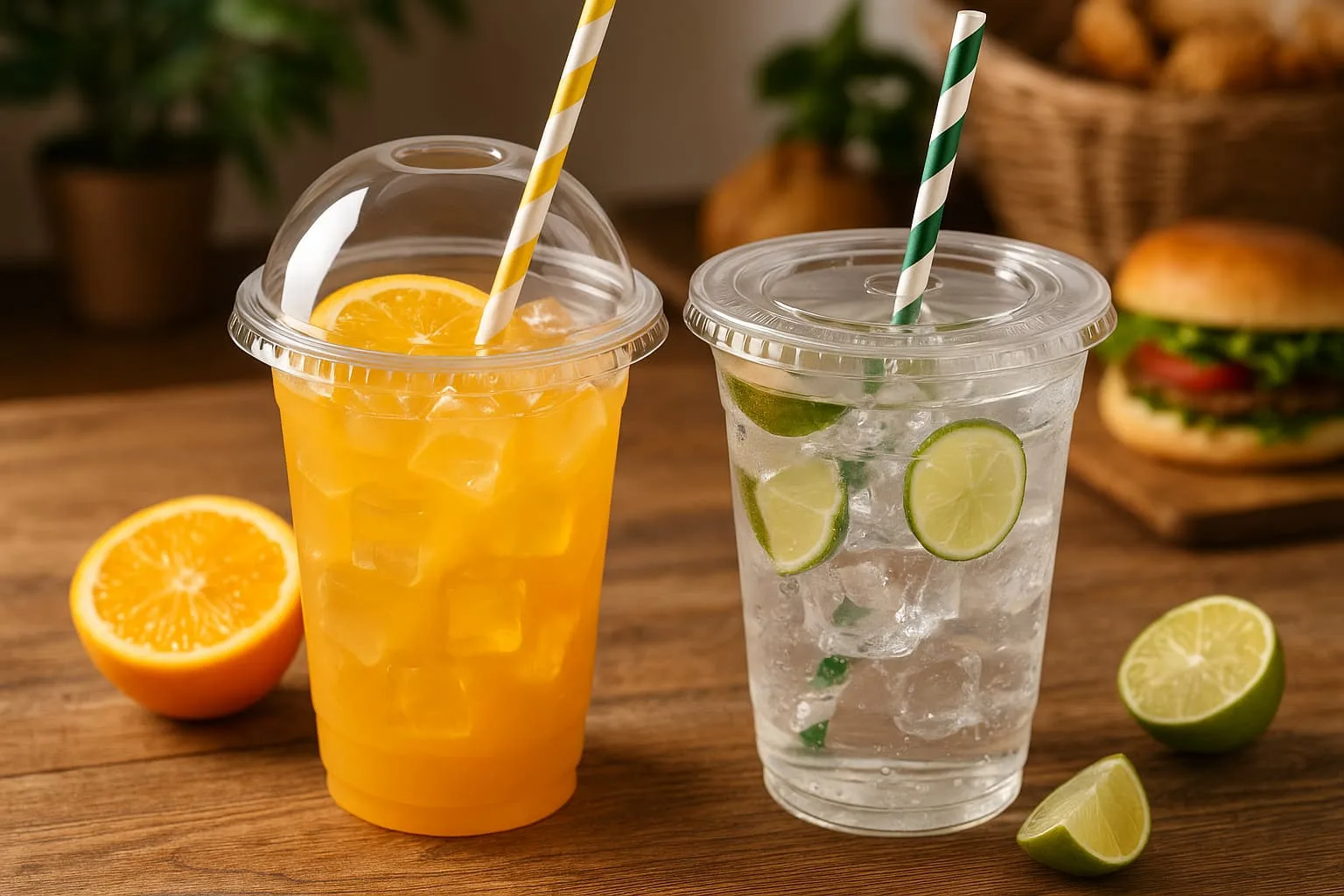
When summer rolls in across the globe, food finds its way outdoors. Rooftop parties in New York, seaside snacks in Santorini, hawker stalls in Singapore, and open-air markets in Buenos Aires all have one thing in common: an explosion of seasonal dishes served quickly, deliciously, and—too often—in single-use plastic.
But a shift is taking place.
As consumer awareness grows around plastic pollution and health-focused lifestyles, a global movement is embracing compostable, eco-conscious packaging. At the forefront of this shift are cornstarch bowls and cornstarch cups—lightweight, functional, and biodegradable alternatives that align perfectly with summer’s energy: vibrant, fresh, and forward-thinking.
In this article, we’ll explore how the adoption of corn starch bowls and corn starch cups is gaining traction around the world, from street vendors to fine dining establishments, and how your summer eating habits can help shape a greener future.
🌏 The Global Outdoor Eating Boom
North America: From Convenience to Consciousness
In the U.S. and Canada, food trucks, farmer’s markets, and takeout culture are exploding during summer months. While convenience is still king, consumers—especially Millennials and Gen Z—are driving a preference for environmentally friendly packaging.
Restaurants offering salads, smoothies, and grain bowls are increasingly using cornstarch bowls and compostable utensils as a point of differentiation. Iced drinks served in cornstarch cups not only reduce plastic waste, they also resonate with eco-conscious branding.
Europe: Regulated and Responsible
Many EU countries are leading the charge in banning single-use plastics. In places like Germany, the Netherlands, and Italy, food vendors and event organizers must use biodegradable or reusable packaging by law. As a result, corn starch cups have become a staple at street food festivals and outdoor concerts. You’ll find your Aperol Spritz or elderflower lemonade served in a cup that won’t last longer than your hangover.
Asia: Ancient Wisdom Meets Modern Materials
In Asia’s street food capitals—Bangkok, Tokyo, Taipei—food packaging has historically been tied to minimalism and portability. With increased plastic restrictions, these regions are adapting quickly. Bento boxes, dumpling trays, and even bubble tea shops are moving toward corn starch bowls and sustainable drinkware. In Japan, many “clean cafés” now promote their eco-friendly packaging as part of their brand ethos.
Australia & New Zealand: Eco Starts at the Beach
With strong ties to environmental preservation, cities like Sydney and Auckland are seeing massive adoption of cornstarch cups and bowls in cafés, juice bars, and casual dining spots. Local governments often subsidize eco-packaging for small businesses, making sustainable choices accessible and affordable.
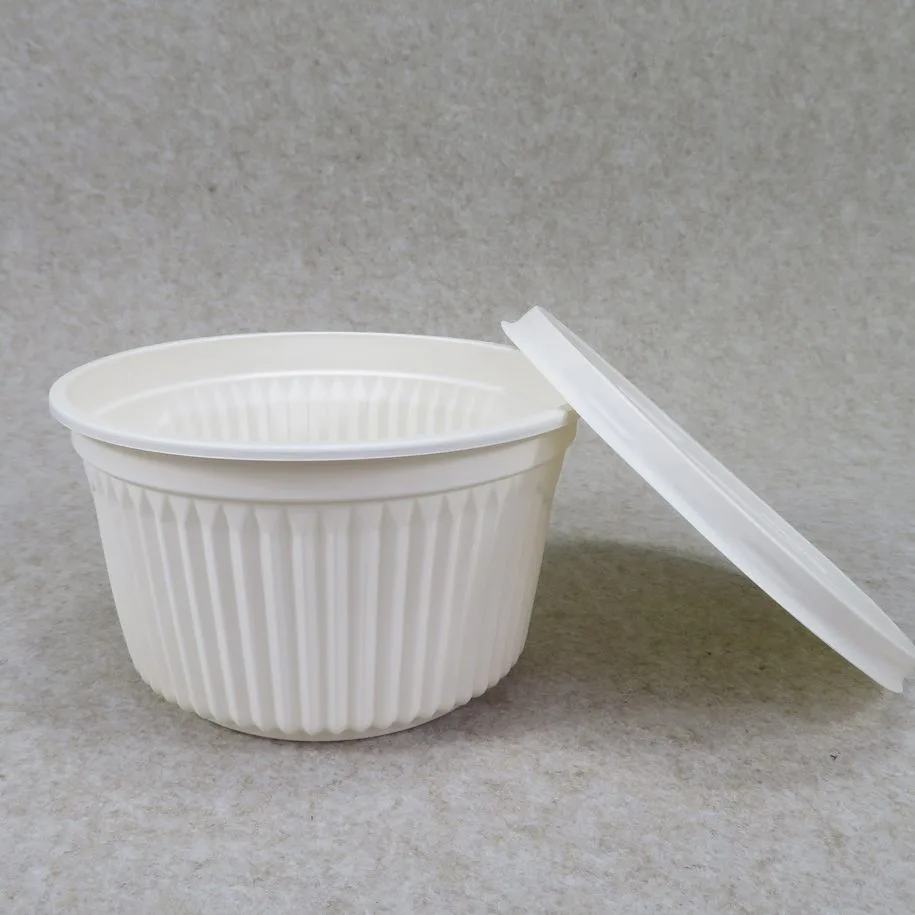
Why Cornstarch Packaging Makes Sense Worldwide
Cornstarch bowls and cups are derived from plant-based starches, primarily corn, which makes them renewable, compostable, and far safer than petroleum-based plastics.
Here’s what makes them globally adaptable:
✅ Heat- and cold-resistant: Suitable for soups, salads, hot rice bowls, or frozen acai.
✅ Neutral flavor: No weird aftertaste, unlike some bamboo or pulp products.
✅ Grease- and leak-resistant: Great for oily street foods and saucy dishes.
✅ Safe to compost: Breaks down naturally in a few months under commercial composting conditions.
These qualities make corn starch cups an ideal match for iced lattes in Melbourne, mango smoothies in Manila, or fresh lemonade in Lisbon.
Health-Conscious Dining Meets Sustainable Design
The rise in clean eating has gone hand-in-hand with a desire for clean packaging. Consumers no longer want organic quinoa bowls served in plastic containers with hidden toxins.
In wellness cafés, corporate catering, and airport lounges, cornstarch bowls are becoming the go-to vessel for chef-crafted, nutrient-dense meals. Meanwhile, corn starch cups have become a chic alternative for cold-pressed juices and vitamin-packed smoothies.
For customers who prioritize both wellness and waste reduction, the container is just as important as what’s inside it.
How Tourism Is Driving Sustainable Food Packaging
As global travel rebounds post-pandemic, tourists are seeking experiences that align with their values—including environmental responsibility.
In eco-resorts across Costa Rica, Bali, and the Maldives, cornstarch cups have replaced plastic at beachside juice stands. Airlines and hotel minibars are testing cornstarch bowls for ready-to-eat meals and fruit trays. International tour operators are now including “low-waste food” as part of their sustainable tourism certifications.
The result? Tourists can enjoy convenience and comfort without compromising the environment.

Real-World Applications by Region
Let’s look at how different regions are integrating compostable tableware into everyday life:
🇫🇷 Paris Pop-Ups
Summer pop-up cafés in Paris are serving croissants and iced café au lait in compostable corn starch cups and plates to comply with the EU’s single-use plastic directive.
🇯🇵 Tokyo Bento Revolution
Busy commuters and tourists in Japan are grabbing lunches in corn starch bowls with compostable lids, offered in department store food halls and eco bento shops.
🇧🇷 Brazilian Juice Bars
In Rio de Janeiro, açai bowls and fresh-pressed juices are being served in cornstarch cups, replacing the traditional PET plastic models common at beachfront kiosks.
🇺🇸 San Francisco Lunch Culture
Tech professionals in cities like San Francisco are embracing meal-prep services that package everything from quinoa bowls to poke in cornstarch bowls, boosting composting participation at home and in office towers.

Cornstarch vs. Traditional Packaging: A Quick Guide
| Feature | Cornstarch Tableware | Plastic Tableware |
|---|---|---|
| Raw Material | Corn starch (plant-based) | Petroleum (non-renewable) |
| Decomposition | 90–180 days (commercial) | 400–1000 years |
| Food Safety | BPA- and PFAS-free | Often contains harmful chemicals |
| Aesthetic Appeal | Natural, minimalist | Industrial and artificial |
| Compostable | ✅ | ❌ |
| Branding Value | Eco-friendly image | Poor public perception |
The Role of Business and Policy in Scaling the Shift
Large food delivery platforms, restaurant groups, and catering firms are beginning to adopt compostable packaging standards across borders. Chains with operations in multiple countries are unifying their packaging strategy with cornstarch cups and cornstarch bowls to create consistent eco-branding.
Additionally, countries like Canada, India, and Germany are phasing out certain single-use items, offering tax breaks or government grants to businesses that switch to compostable alternatives.
This regulatory push, combined with rising consumer demand, is propelling the global adoption of corn starch bowls and cups beyond trend—into standard practice.
How You Can Join the Movement
Whether you’re a café owner, an event planner, or a conscious consumer, here are some simple ways to support the shift:
Choose cornstarch-based containers for your meals and drinks.
Ask your favorite restaurants if they offer compostable options.
Support festivals and events that use sustainable food packaging.
Share on social media to inspire others with your eco choices.
Encourage local policy makers to incentivize compostable packaging.
These small steps, multiplied across countries and cultures, create massive global impact.
Final Thoughts: A Greener Summer Is Within Reach
Summer is a celebration of nature, flavor, and freedom. It’s when we crave less clutter, more movement, and better choices. As we redefine how we eat and interact in a post-pandemic world, sustainability must sit at the center of that transformation.
By choosing cornstarch bowls, cornstarch cups, corn starch bowls, and corn starch cups, we align our actions with our ideals. We reduce waste, support better supply chains, and lead by example—whether we’re sipping a smoothie in California or serving rice noodles in Vietnam.
The future of food is not just what we eat—but how we serve it.