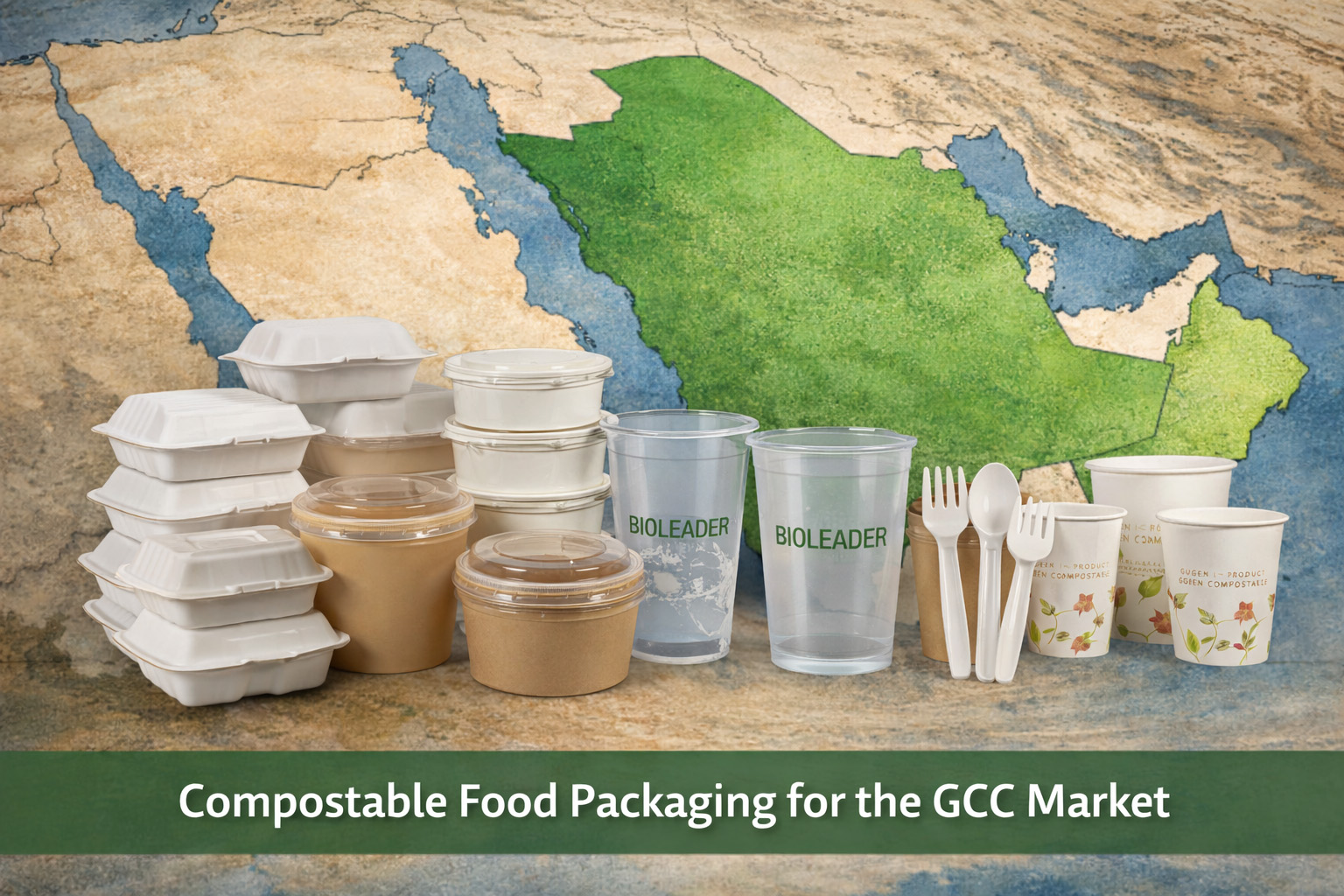
Bagasse tableware—crafted from sugarcane fiber—is emerging as a universal solution for takeout packaging in 2025. It’s heat-resistant up to 220 °C, naturally oil- and leak-proof, PFAS-free, and certified compostable (EN 13432, ASTM D6400). From clamshells to trays, bagasse containers outperform plastic and paper in durability and environmental impact, delivering kitchen peace of mind, operational reliability, and export-ready compliance—all with modest cost increases but substantial waste reduction and brand uplift.
In today’s foodservice industry, packaging is more than just a container—it’s a promise of quality, safety, and sustainability. Yet many restaurants, caterers, and takeaway businesses still struggle with common packaging problems: leaking boxes, soggy paper plates, containers that warp under heat, and increasing regulatory pressure to reduce single-use plastics.
Bagasse tableware, made from sugarcane fiber, has emerged as the all-in-one solution that addresses these pain points while meeting modern sustainability standards. This article explores how a complete range of bagasse products—from clamshell boxes to catering trays with lids—can solve every packaging challenge, from juicy burgers to buffet spreads.
Why Businesses Are Switching to Bagasse Tableware in 2025
2025 marks a turning point in global packaging regulations. Countries in the EU, North America, and Asia are enforcing stricter bans on single-use plastics and non-certified packaging. Importers and distributors now require certifications such as EN13432, ASTM D6400, and BPI Compostable to ensure compliance.
Bagasse tableware checks every box:
Heat Resistant – Withstands up to 220°C, perfect for hot food and oven reheating.
Oil & Leak Proof – Naturally resists grease without synthetic coatings.
Compostable & PFAS-Free – Breaks down within 60–90 days in industrial composting.
Export-Ready – Meets major international compostability standards.
By switching to bagasse clamshell box suppliers, compostable bowls manufacturers, and bagasse plates wholesalers, businesses not only improve their environmental credentials but also enhance their brand image.
Scientific Data & Performance Comparison
Independent lab tests show clear performance advantages of bagasse over traditional packaging:
| Feature | Bagasse Tableware | Plastic Containers | Paperboard Packaging |
|---|---|---|---|
| Heat Resistance | Up to 220°C | 80–100°C | 60–80°C |
| Oil Resistance | Excellent (PFAS-free) | High, but not compostable | Poor without coating |
| Leak Resistance | 2–3 hours | 1–2 hours | < 1 hour |
| Compostability | 60–90 days | Non-compostable | Varies (with coating) |
| Export Compliance | EN13432, ASTM D6400 | Rarely compliant | Rarely compliant |
These results demonstrate why heat resistant bagasse containers and oil proof bagasse bowls outperform their competitors in real-world conditions.
Pain Point #1 – Hot, Oily Foods That Leak in Plastic or Paper Packaging
The Problem: Burgers, fried chicken, stir-fries, and curries often break down conventional paper boxes or cause plastic containers to warp, risking spills during delivery.
The Solution:
Bagasse Clamshell Boxes – Designed with tight-sealing lids, these boxes are oil proof and heat resistant, making them ideal for fried or saucy dishes.
Bagasse Bowls – Deep, sturdy, and microwave-safe, perfect for curry, ramen, or noodle soups.
Real-World Example:
A fast-food chain in Singapore replaced their plastic burger boxes with Bioleader® bagasse clamshells. Customer feedback showed a 32% increase in satisfaction scores related to packaging quality, and delivery complaints about leaks dropped to almost zero.

Pain Point #2 – Multiple Portions and Meal Combinations
The Problem: Business lunches, school meals, and airline catering often require separating food items to preserve taste and presentation.
The Solution:
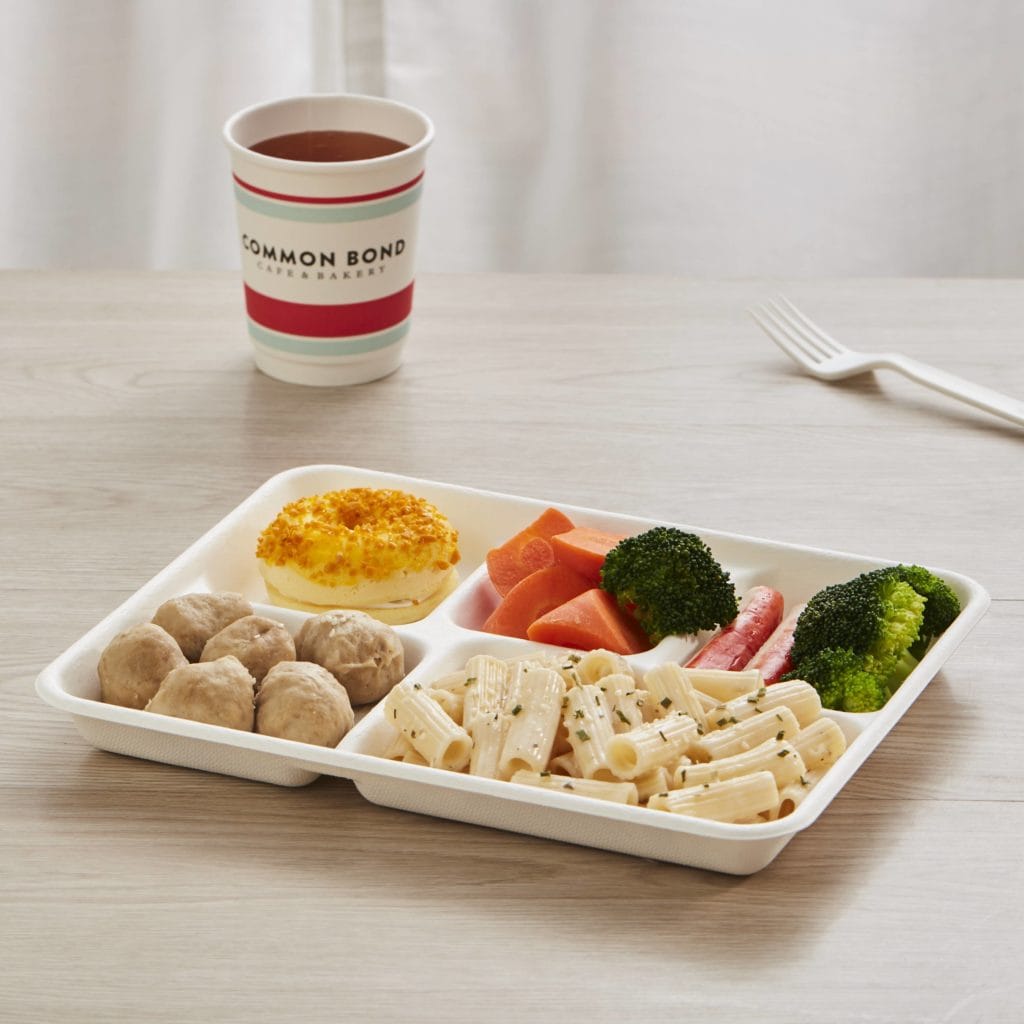
Bagasse Trays with Lids – Multi-compartment trays prevent mixing flavors, keep food visually appealing, and are stackable for large-scale delivery.
Bagasse Trays – Flat, durable serving trays for larger portions or shareable meals.
Case Study:
A meal-prep brand in California switched to Bioleader® compartment bagasse trays with PLA lids for their weekly subscription service. This reduced their plastic packaging use by over 70% annually, aligning them with California’s Single-Use Plastics Ban and boosting customer retention.
Pain Point #3 – Outdoor Events and Catering
The Problem: BBQs, weddings, festivals, and outdoor catering need plates and trays that can hold heavy food without bending or becoming soggy.
The Solution:
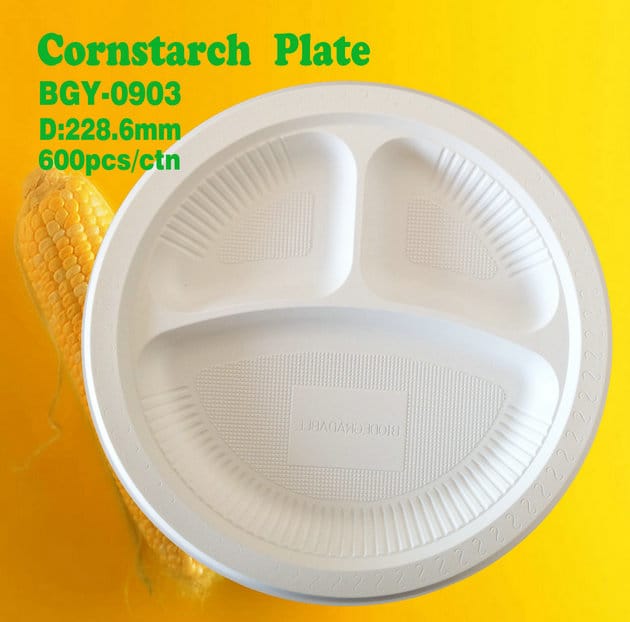
Bagasse Plates – Heavy-duty design supports meats, salads, and mixed dishes without warping.
Bagasse Trays – Large surface area for serving multiple items at once, perfect for buffet lines.
Example in Action:
At a corporate summer event in Sydney, the catering company replaced disposable plastic trays with Bioleader® sturdy bagasse plates and heavy-duty trays. The result: improved food presentation, faster serving speed, and positive media coverage for their eco-conscious choice.

Global Regulations & Export Market Trends
European Union (EU):
Starting in 2024, the EU’s Single-Use Plastics Directive prohibits the sale of non-certified food containers across all member states. This includes petroleum-based plastics and paper containers lined with non-compostable coatings. For suppliers, this means only compostable packaging with recognized certifications—such as EN13432-certified bagasse food containers—can be imported and sold. Choosing bagasse ensures compliance without reformulating products for different countries.
United States:
By 2025, states like California, New York, Vermont, and Maine will require foodservice operators to use PFAS-free compostable packaging. Violators risk fines and removal from public procurement contracts. Bagasse clamshell boxes and bowls, being naturally PFAS-free, position suppliers to meet these rules without costly reformulation.
Australia & New Zealand:
Both countries are implementing staged bans on petroleum-based foodservice packaging, aiming for a complete phase-out by 2026. This is creating a rapid shift in demand toward biodegradable catering trays and plates that meet both hot food performance and compostability criteria.
Asia:
Japan’s Plastic Resource Circulation Act and South Korea’s extended bans on dine-in disposable packaging are driving demand for compostable tableware suppliers. Bagasse products, already popular in premium foodservice, are now expanding into mainstream takeaway and airline catering.
Export Tip:
Working with a bagasse tableware manufacturer in China that holds EN13432, ASTM D6400, and BPI certifications ensures smoother customs clearance, fewer shipment rejections, and wider market access.

Cost & ROI Analysis
While bagasse packaging typically costs 10–20% more than standard plastic or unlined paper products, the overall return on investment often outweighs the initial difference.
Direct Savings:
Lower Waste Disposal Costs: Compostable products can be processed with organic waste, reducing landfill fees.
Regulatory Protection: Avoid costly fines, forced recalls, and compliance retrofits.
Indirect Gains:
Marketing Advantage: Eco-friendly branding can increase customer loyalty and justify higher menu prices.
Partnership Eligibility: Many government and corporate catering contracts now require verified compostable packaging.
Example:
A Canadian catering service switched to biodegradable bagasse clamshells, trays, and plates in 2023. Although packaging unit costs increased by 12%, they saved 15% annually in total packaging-related expenses due to reduced waste processing fees and winning two new corporate contracts that required compostable products.
Industry Applications – One Series, Many Uses
| Industry | Recommended Products | Benefit |
|---|---|---|
| Quick Service Restaurants | Clamshell Boxes, Bowls | Leak-proof for burgers, soups, and fried foods |
| Airline Catering | Trays with Lids, Compartment Bowls | Portion control and stackable efficiency |
| School Lunch Programs | Plates, Multi-compartment Trays | Healthy, safe, PFAS-free serving |
| Coffee Shops | Small Bowls, Plates | Compostable serveware for snacks and pastries |
| Outdoor Events | Heavy-duty Plates, Trays | Strong, reusable feel for multi-hour use |
Tip: By selecting a single bagasse supplier for all these product types, businesses simplify procurement, reduce logistics costs, and ensure consistent quality.
Customization & Branding Opportunities
Bioleader® provides full OEM biodegradable tableware solutions:
Custom Printing: Food-safe inks that meet FDA and EU food contact standards.
Embossed/ Debossed Logos: Permanent brand visibility without extra waste.
Tailor-Made Designs: Custom compartment configurations, lid styles, and dimensions to fit your menu.
Customizing bagasse trays with lids or biodegradable plates allows brands to align sustainability messaging with visual identity, increasing recall and reinforcing eco-friendly positioning.
What Our B2B Clients Say
Procurement Manager, US Meal Kit Brand
Lead times are reliable—28 days door-to-door. Trays with lids arrive tight-packed, zero warping, specs consistent.
Operations Director, Airline Caterer (APAC)
Multi-compartment bagasse trays cut spillage by ~40% in flight service. Lids snap-fit even after reheating.
Purchasing Manager, QSR Chain (EU)
Switched to PFAS-free clamshells with custom embossing. After-sales is fast—size tweak shipped within 48h.
Category Manager, University Dining (Canada)
Bowls hold hot, oily foods without leaks at peak hours. Weekly replenishment hits our dock on schedule.
Expert Insights – Why Bagasse is the Future of Food Packaging
“Bagasse is more than an eco-friendly option; it’s a performance-driven material that satisfies both regulatory compliance and consumer expectations. Its versatility makes it ideal for businesses looking to future-proof their packaging strategy.”
— Dr. Emily Tan, Sustainable Packaging Consultant, Singapore
“The transition to bagasse products isn’t just about avoiding plastic bans—it’s about positioning your brand as forward-thinking and responsible. In competitive markets, sustainability can directly drive market share and customer loyalty.”
— James Miller, Foodservice Supply Chain Analyst, USA
Buyer’s Guide – How to Source Quality Bagasse Tableware
Verify Certifications: EN13432, ASTM D6400, BPI, and FDA for global compliance.
Match Product to Menu: Select the right container depth, plate size, and tray compartment layout.
Lid Options: Choose between PLA, bagasse, or PP-free compostable lids for a complete solution.
Assess Supplier Capacity: Ensure stable lead times, MOQ flexibility, and export experience.
Conclusion – The Future of Sustainable Takeaway Packaging
From juicy burgers served in leak-proof bagasse clamshell boxes to heavy-duty buffet trays that can carry multiple dishes without bending, bagasse tableware is redefining what food packaging can deliver. It’s not just about replacing plastic—it’s about upgrading performance, meeting regulatory demands, and giving customers a better dining experience.
With proven durability, export-ready certifications, and compostability that aligns with global sustainability goals, bagasse products are the ideal solution for businesses looking to thrive in a market that’s moving rapidly toward eco-compliance. As international plastic bans tighten and consumer preferences shift, switching to a complete bagasse series isn’t simply a smart business move—it’s a proactive step toward protecting your brand reputation, securing long-term customer loyalty, and opening new export opportunities.
Whether you’re a restaurant chain, catering company, or global food distributor, adopting a full range of bagasse tableware—from clamshell boxes and bowls to plates and trays—ensures you’re ready for the future of food packaging. The time to act is now: invest in sustainable solutions that work as hard for the planet as they do for your business.
FAQ
1. Can bagasse clamshell boxes hold liquids without leaking?
Yes. High-quality bagasse clamshell boxes are oil- and water-resistant, allowing them to hold saucy or liquid-rich foods for hours without leakage.
2. Are bagasse plates safe for hot and greasy BBQ foods?
Absolutely. Bagasse plates are designed to withstand temperatures up to 220°C and resist grease, making them ideal for BBQ, grilled meats, and oily dishes.
3. How do bagasse trays with lids improve food delivery?
They keep different portions separated, reduce spillage during transport, and maintain food presentation for catering or takeaway orders.
4. Can bagasse bowls be used in both microwave and freezer?
Yes. Bagasse bowls are microwave-safe for reheating and freezer-safe for storing cold or frozen foods without structural damage.
5. What certifications should bagasse tableware have for export?
Look for EN13432, ASTM D6400, and BPI Compostable certifications to ensure compliance with international compostability standards.
References
ASTM International. (2021). ASTM D6400-21: Standard specification for labeling of plastics designed to be aerobically composted in municipal or industrial facilities. https://www.astm.org/d6400-21.html
European Commission. (n.d.). Single-use plastics. https://environment.ec.europa.eu/topics/plastics/single-use-plastics_en
Wikipedia contributors. (n.d.). Bagasse. In Wikipedia. Retrieved August 15, 2025, from https://en.wikipedia.org/wiki/Bagasse
Bioleader®. (n.d.). Bagasse Clamshell Boxes – PFAS-Free & Compostable. https://www.bioleaderpack.com/product/bagasse-clamshell-box/
Bioleader®. (n.d.). Bagasse Tableware – Plates, Bowls, and Trays. https://www.bioleaderpack.com/product-category/bagasse-tableware/
How Bagasse Tableware Delivers Performance, Sustainability & Export Readiness
What makes bagasse superior: Molded from sugarcane fibers, bagasse items—like boxes, bowls, trays, and plates—tolerate high heat, resist grease without coatings, and compost fully in 60–90 days. They’re PFAS-free and meet leading compostability certifications.
Performance advantage backed by data:
- Heat endurance up to 220°C vs. 80–100°C for plastics.
- Oil resistance: excellent vs. high for plastic; poor for coated paper.
- Leak resistance: 2–3 hours retention vs. 1–2 hours (plastic), <1 hr (paper).
Packaging types and use-cases:
- Clamshell boxes: Ideal for hot burgers and saucy meals—customer satisfaction rose 32% after adoption; leak complaints dropped dramatically.
- Multi-compartment trays: Preserve presentation and portion separation—used by US meal-prep brands to cut plastic by over 70%, aligning with bans and boosting retention.
- Heavy-duty plates & trays: Support buffet and event catering needs without warping or sogginess.
Export & regulatory readiness: Bagasse products meet global compostability standards (EN 13432, ASTM D6400, BPI, AS 4736), avoiding plastic bans in EU, US, Canada, Australia, and Asia-Pacific. Working with certified bagasse suppliers ensures smoother customs clearance, fewer import issues, and high trust in sustainability claims.
Cost-benefit insights: Unit costs may rise 10–20%, but total packaging spend drops through lower disposal fees, reduced complaints, and access to eco-conscious buyers. One Canadian caterer saw 12% higher unit cost offset by 15% annual packaging savings and new contracts requiring compostable supplies.
Quick-reference use table:
| Use Case | Bagasse Solution | Key Benefit |
|---|---|---|
| Quick Service (Burgers, Soups) | Clamshells & Deep Bowls | Leak-proof, heat-stable, better customer feedback |
| Meal-Prep / Airline Catering | Compartment Trays + Lids | Portion control, secure transport, reduced plastic use |
| Buffet / Events | Heavy-Duty Plates & Trays | Sturdy service, minimal warping, eco branding |