The article demonstrates that while eco-tableware costs slightly more per unit in 2025, its lower total cost of ownership—in regulatory compliance, waste disposal, and marketing ROI—makes it a more strategic and future-proof choice than traditional plastic.
In 2025, the conversation around foodservice packaging is no longer just about price per unit—it’s about total cost of ownership (TCO), regulatory compliance, and brand positioning. Global bans on single-use plastics are now mainstream policy rather than isolated initiatives, and businesses across the food, retail, and catering sectors must adapt or face financial and reputational risks.
Consider this:
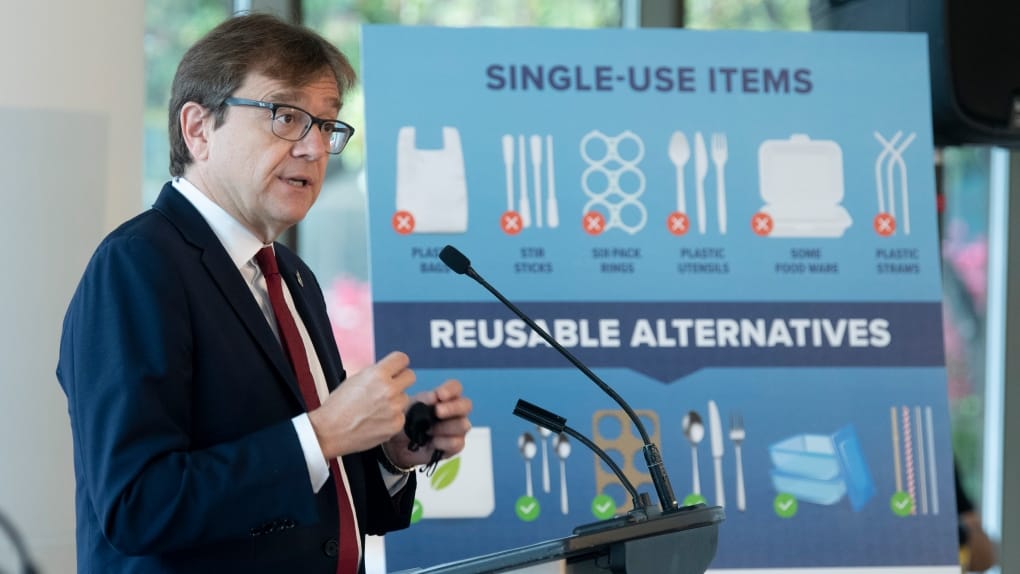
The European Union bans a wide range of single-use plastics, including cutlery, plates, and polystyrene foam food containers. From 2025, even paper-based packaging must prove compostability if lined or coated.
California’s SB 54 law imposes extended producer responsibility (EPR) fees on all non-recyclable and non-compostable packaging, starting in 2025.
Canada’s SOR/2022-138 is now fully enforced, prohibiting the manufacture, import, and sale of six single-use plastic categories.
The result? The cost of non-compliance is higher than the cost of switching to eco tableware—when you measure it properly.
Dissecting the Real Cost Structure
A true cost comparison between traditional plastic tableware and eco-friendly alternatives involves multiple layers:
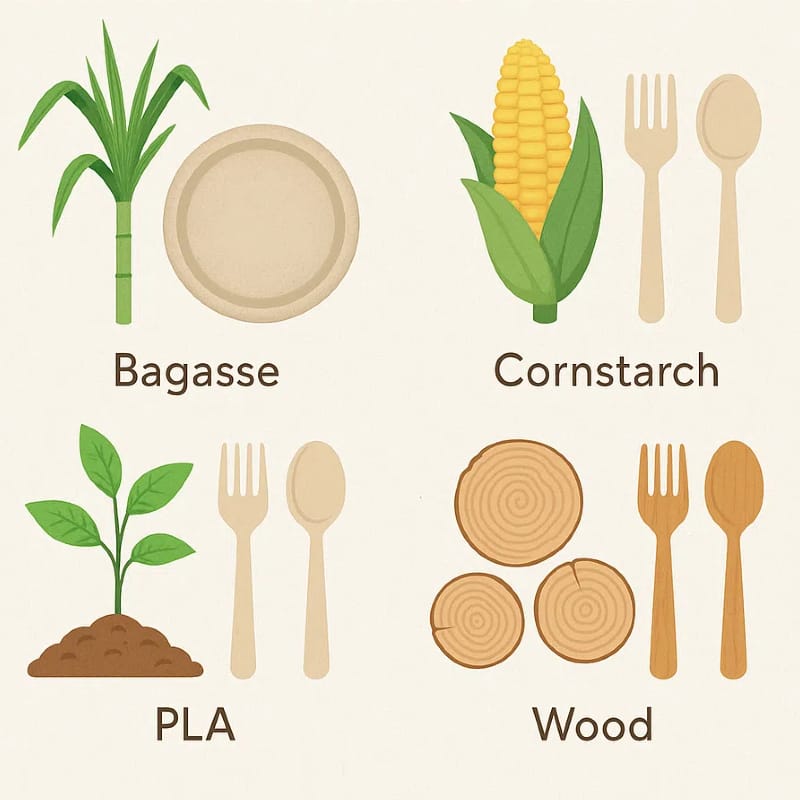
Raw Materials
Plastics (PP, PS): Historically cheaper, benefiting from decades of mass production. Average cost for a standard PS clamshell box: $0.035–$0.045.
Eco Materials:
Bagasse: $0.055–$0.065; compostable, PFAS-free, and heat-resistant up to 220°C.
PLA-lined Kraft Paper Bowls: $0.045–$0.055; sturdy and printable.
CPLA & Cornstarch Cutlery: $0.035–$0.045; heat-tolerant and compostable.
Manufacturing Process
Plastics: Low per-unit production cost, but high carbon footprint from petrochemical refining.
Eco Tableware: Slightly higher processing costs for molding and drying, but lower energy usage and shrinking price gaps due to scaling.
Transportation & Storage
Plastics: Compact stacking, lower freight volume cost.
Eco Tableware: Slightly bulkier, but newer designs have improved nesting efficiency, reducing shipping cost differences to under 5%.
End-of-Life Costs
Plastics: Landfill tipping fees, incineration costs, or potential environmental levies.
Eco Tableware: Compostable options may reduce waste management costs where industrial composting exists.
Regulatory-Driven Hidden Costs
The shift to eco tableware isn’t just about being environmentally conscious—it’s a legal and financial necessity.
Europe
The Single-Use Plastics Directive (SUP) bans ten categories of single-use plastics. In 2025, it introduces stricter recyclability and compostability proof requirements for packaging, affecting even lined paper containers.
North America
California SB 54: Requires 25% of all single-use packaging to be recyclable or compostable by 2025. EPR fees apply to non-compliant packaging.
Canada SOR/2022-138: Fully enforced nationwide ban, with severe fines for violations.
Asia-Pacific
Countries like Japan, South Korea, and Australia are advancing phased plastic bans, making eco-compliant packaging a market entry requirement.
Regional Cost and Market Comparison – 2025 (Condensed)
Europe – Mature Market, High Compliance
Regulation: The EU Single-Use Plastics Directive (SUP) bans multiple plastic foodservice items and requires EN13432 certification for lined paper packaging. Fines range from €5,000–€100,000.
Cost: Bagasse clamshells average €0.06–€0.08, but high landfill taxes make them cost-competitive.
Trend: QSR adoption exceeds 60%, and PFAS-free labeling is increasingly tied to brand reputation.
North America – State-by-State Variation
Regulation: U.S. states like California and New York enforce EPR fees and landfill taxes; Canada’s SOR/2022-138 nationwide ban is fully in effect.
Cost: In regulated states, bulk eco tableware prices can be within 5% of plastic.
Trend: ESG reporting is pushing corporate buyers to switch voluntarily.
Asia-Pacific – Manufacturing Hub
Production: China, India, and Vietnam lead in bagasse, PLA, and kraft tableware manufacturing, offering strong export cost advantages.
Price: EN13432-certified bagasse clamshell box can be as low as $0.052/unit in bulk exports.
Trend: Plastic bans are accelerating in Japan, South Korea, and Australia; Southeast Asia’s eco tableware market is growing at over 12% CAGR.
Case Studies Across Industries
Restaurant Chain Conversion
A mid-sized US chain swapped PS clamshells and plastic cutlery for bagasse and cornstarch alternatives. Result:
Purchase cost +20%
Waste disposal cost -61%
Regulatory compliance cost -100%
Overall savings: $18,500/year in TCO.
Grocery & Fresh Produce Retail
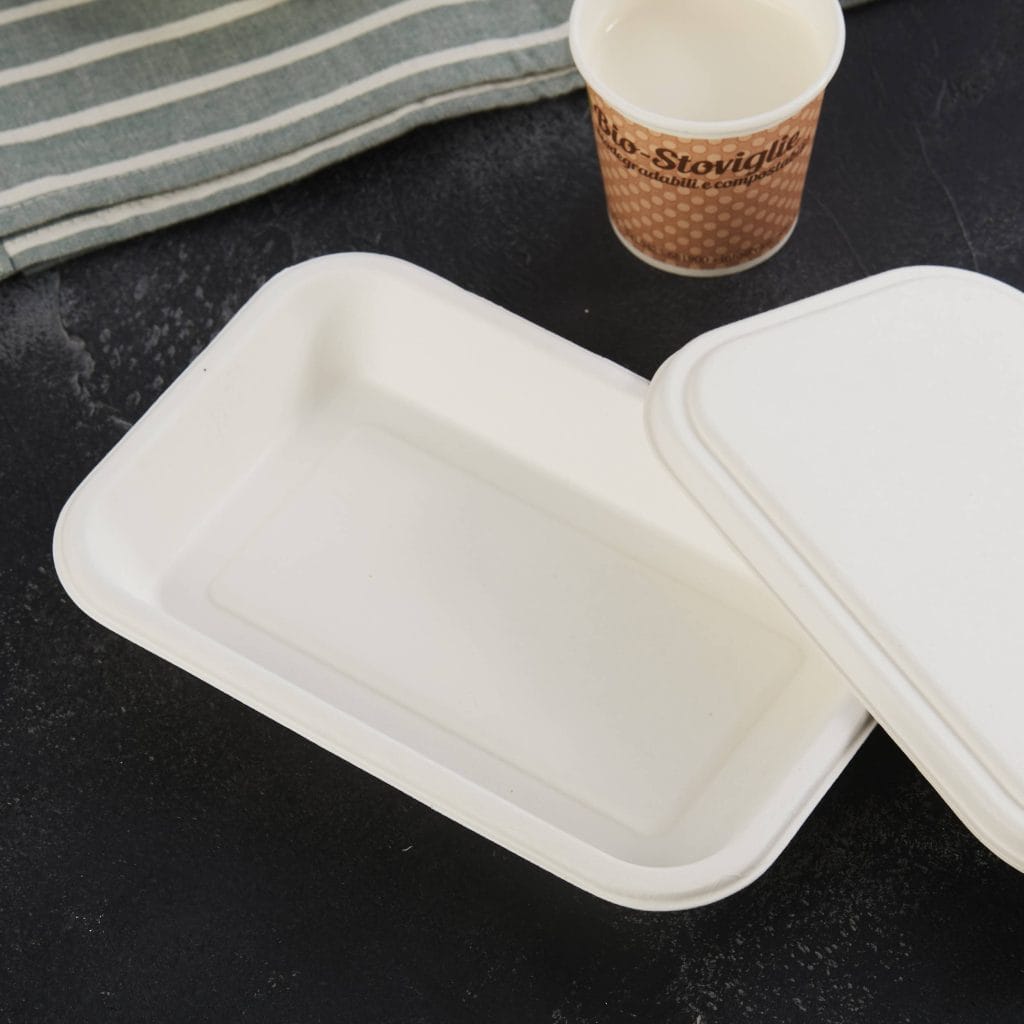
A European supermarket replaced plastic produce trays with bagasse pulp trays. Result: better brand perception, increased produce sales by 8%.
E-commerce Meal Kit Service
Switching from PET trays to compostable bagasse trays reduced return rates for damaged packaging and improved unboxing satisfaction scores.
Price Comparison Table & Detailed Cost Analysis – 2025
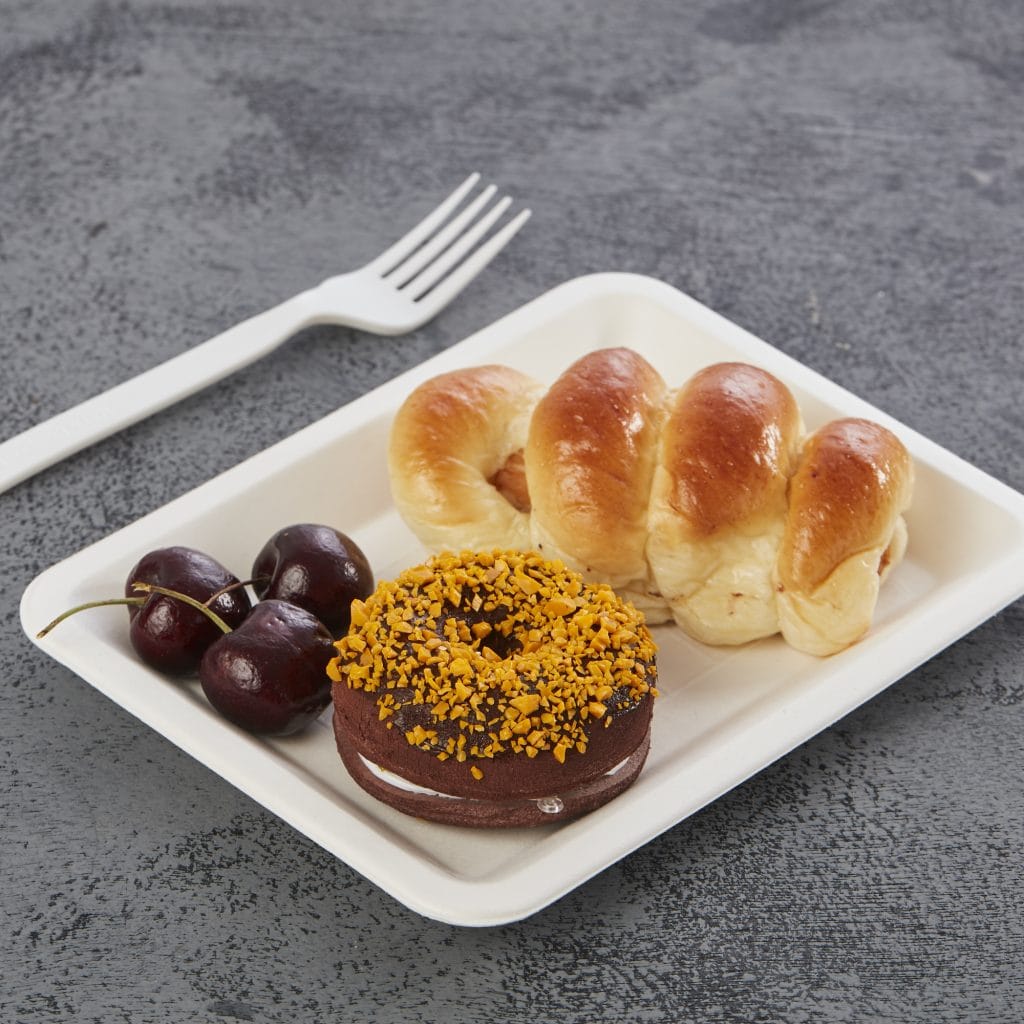
Eco tableware prices in 2025 vary based on material type, design complexity, order volume, certification requirements, and region of purchase. While the per-unit price for compostable products is still slightly higher than traditional plastics, the gap is narrowing due to scaling, innovation, and policy-driven adoption.
Updated 2025 Price Table (Global Averages)
| Product Type | Traditional Plastic (per unit) | Eco Tableware – Global Average (per unit) | Material & Notes |
|---|---|---|---|
| 9″x6″ Single-Compartment Clamshell | $0.045 | $0.055–$0.065 | Bagasse pulp; compostable; PFAS-free |
| 9″x6″ 2-Compartment Clamshell | $0.048 | $0.060–$0.072 | Bagasse; portion control; export-certified |
| 9″x9″ 3-Compartment Clamshell | $0.052 | $0.068–$0.080 | Bagasse; catering-grade durability |
| 16oz Salad Bowl with Lid | $0.035 | $0.045–$0.055 | Kraft paper with PLA lining; leak-resistant |
| 24oz Soup Container | $0.038 | $0.050–$0.062 | Kraft or bagasse; heat-safe |
| Cutlery Set (Fork, Spoon, Knife) | $0.025 | $0.035–$0.045 | CPLA/cornstarch; 100% compostable |
| Sauce Cup (2oz) with Lid | $0.020 | $0.030–$0.038 | Bagasse or PLA; ideal for condiments |
Regional Price Variations
North America
Plastic: Generally cheapest in states without EPR fees or landfill taxes.
Eco: Bagasse clamshells around $0.06 per unit in bulk (10,000 pcs+).
Europe
Plastic: Significantly higher due to landfill fees and SUP compliance costs.
Eco: Average €0.06–€0.08 per bagasse clamshell; VAT and compostability proof add to price.
Asia-Pacific
Plastic: Lower base cost due to local production.
Eco: Highly competitive for export; Chinese bulk pricing for bagasse clamshells can reach $0.052 per unit at high volumes.
Wholesale vs. Retail Price Impact
| Order Volume | Price Reduction Potential | Notes |
|---|---|---|
| 1,000–5,000 units | 0–5% | Suitable for small cafés, boutique restaurants |
| 5,000–20,000 units | 5–12% | Medium foodservice chains, event caterers |
| 20,000+ units | 12–18% | Large QSR brands, supermarket supply contracts |
Key Insight: Bulk orders directly reduce unit cost, often bringing eco tableware within 5–7% of plastic prices.
Factors Influencing Eco Tableware Prices in 2025
Raw Material Supply – Seasonal sugarcane harvests affect bagasse pulp availability.
Certification Requirements – EN13432 or ASTM D6400 compliance can add $0.002–$0.005 per unit.
Printing & Branding – Custom embossing or multi-color printing can raise costs by 5–10%.
Design Complexity – Multi-compartment trays require more pulp and longer pressing times.
Logistics – Freight rates and nesting efficiency impact final landed cost.
Interpretation: Why the Price Gap Is Shrinking
In 2018, eco tableware could cost 40–60% more than plastic; by 2025, the difference has narrowed to 15% or less in most wholesale contracts. This is driven by:
Mass adoption in foodservice sectors
Government subsidies in some markets for compostable packaging
Manufacturing automation reducing labor costs
Optimized packaging designs lowering shipping volume
Consumer Behavior and Marketing ROI – Why Eco Tableware Sells Beyond Compliance
The financial case for eco tableware isn’t just about avoiding penalties—it’s also about winning customers and driving sales. Multiple global studies have shown that sustainable packaging is no longer a “nice-to-have” but a purchase driver.
Willingness to Pay More
A 2024 Deloitte survey across the US, UK, and Australia found that 74% of consumers are willing to pay at least 5% more for products packaged in eco-friendly materials. For premium foodservice brands, this can translate into higher per-order revenue without a proportional cost increase.
Social Media & Viral Reach
Platforms like Instagram, TikTok, and Xiaohongshu are amplifying brands that highlight sustainability.
Short videos showing compostable bagasse clamshells or kraft salad bowls with branding often outperform generic product shots.
Hashtags such as #PlasticFreeDining and #EcoTakeaway generate millions of impressions annually.
Demographic Trends
Gen Z & Millennials: Twice as likely as Baby Boomers to switch brands over packaging sustainability.
Corporate Catering Clients: Increasingly select vendors based on ESG (Environmental, Social, and Governance) reporting, where eco tableware is an easy ESG “win”.
ROI in Numbers
For a mid-sized café chain:
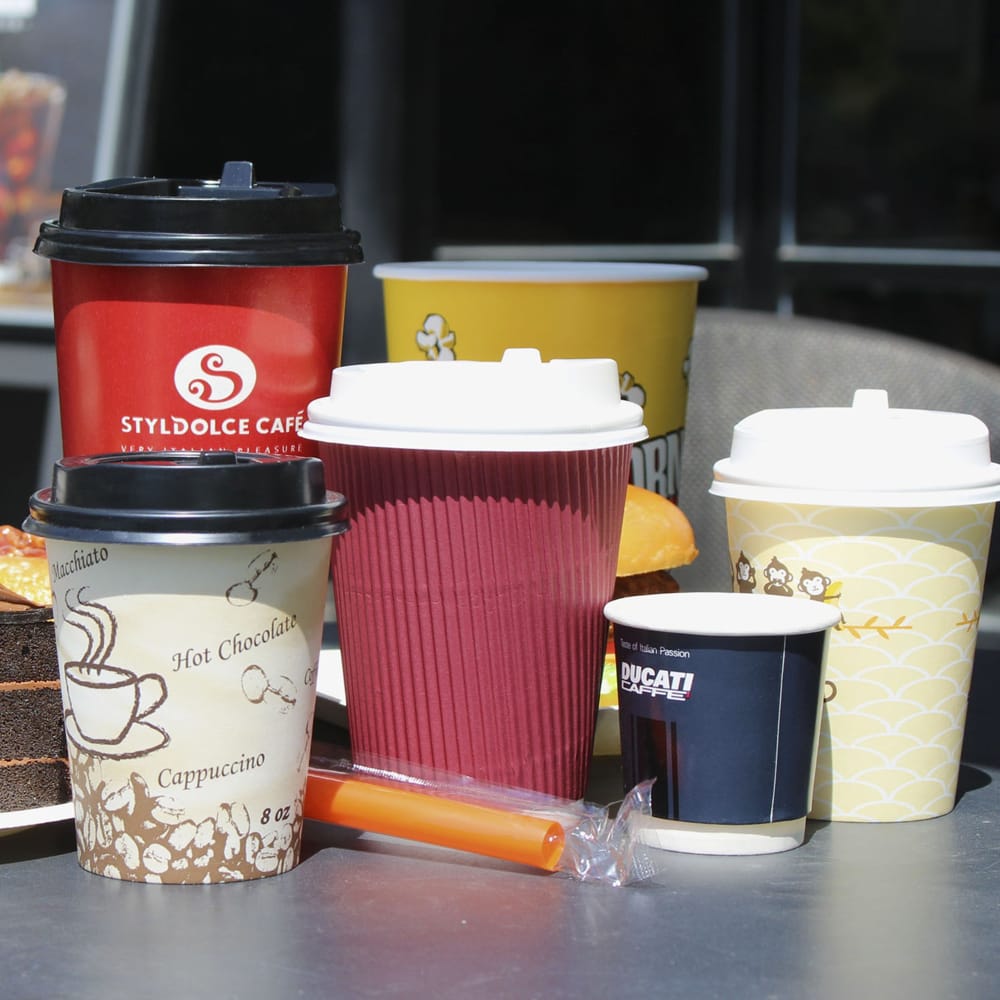
Switching to branded paper cups increased social media engagement by 42% in three months.
Average order value rose by 7% as customers perceived the brand as more premium.
Customer return rate improved by 11%, linked to positive feedback on sustainable packaging.
Future Outlook: 2025–2030 – Where the Market and Costs Are Headed
The next five years will be transformational for the tableware industry, with eco materials moving from niche to mainstream.
Price Drop from Scaling
As demand rises and manufacturing technology improves, unit prices for eco tableware are forecast to drop 10–15% by 2027.
New pulp molding lines in China, Vietnam, and India are reducing lead times and waste rates.
Supply chain optimization (lightweighting, better nesting) will cut freight costs.
Material Innovation
PHA (Polyhydroxyalkanoates): 100% biodegradable in marine environments; potential to replace certain PLA applications.
Algae-Based Plastics: Lightweight, compostable, and CO₂-absorbing during growth.
Advanced Coated Kraft Paper: PFAS-free waterproof coatings suitable for hot, oily foods without sacrificing compostability.
Policy Harmonization
If the Global Plastics Treaty—currently under negotiation at INC-5.2—sets universal compostability standards, exporters will face fewer compliance headaches. This would particularly benefit Bioleader® clients shipping to both EU and North American markets.
Consumer Expectation Shift
By 2030, sustainability will likely be the default expectation, not a differentiator. Early adopters in 2025–2026 will have a branding advantage.
How Bioleader® Balances Cost and Compliance – A Strategic Partner for Transition
While many suppliers sell eco tableware, Bioleader® positions itself as both a cost optimizer and a compliance partner for global buyers.
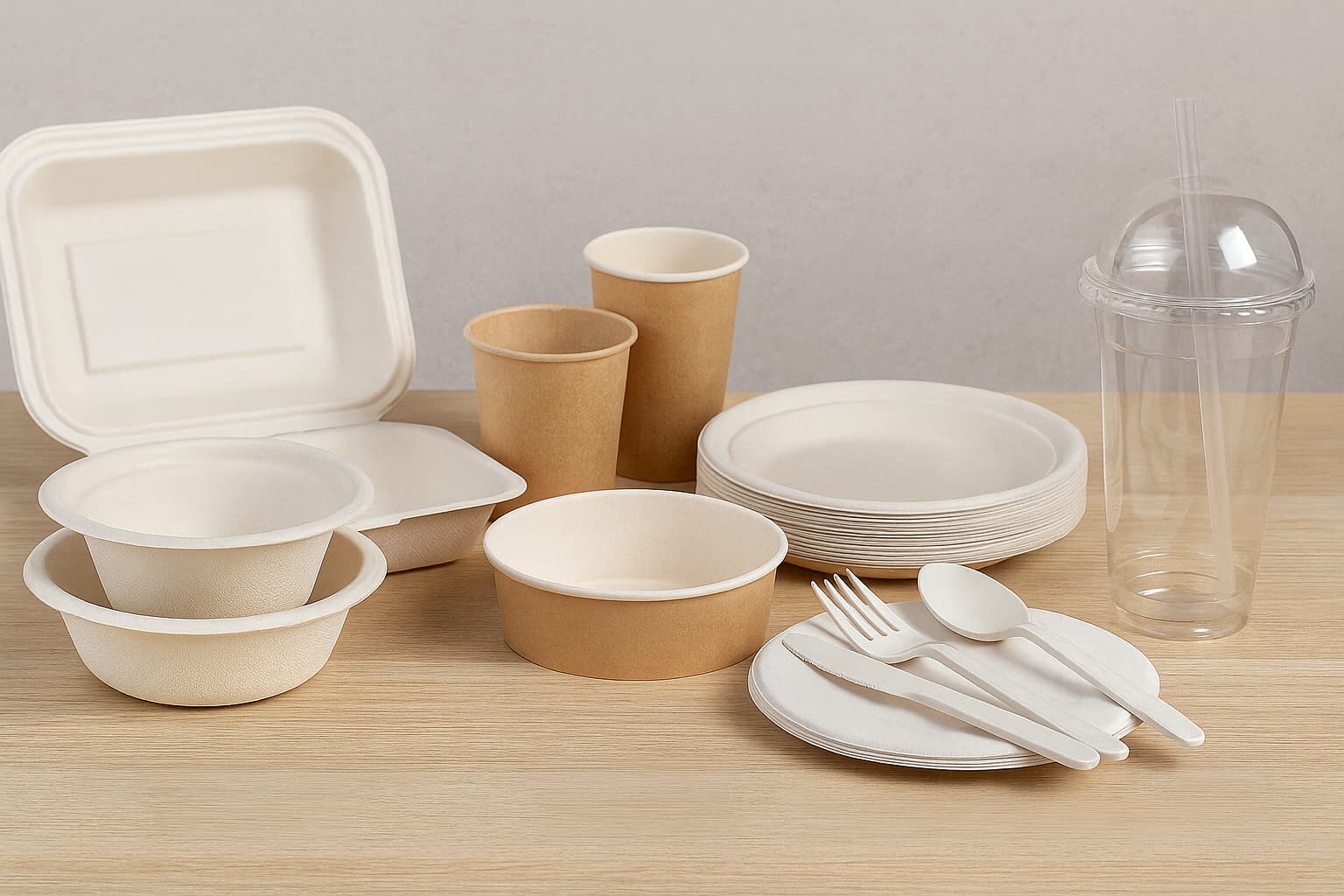
Comprehensive Product Line
Sugarcane Bagasse Tableware – Made from sugarcane fiber, fully compostable, heat-resistant, and ideal for takeaway and catering use.
Paper Food Packaging – Includes cups, bowls, and boxes made from renewable paper, available in both hot and cold food applications.
Cornstarch Tableware – Plant-based, microwave-safe, and compostable, suitable for hot soups, noodles, and main dishes.
Biodegradable Cutlery – Durable forks, knives, and spoons made from CPLA or cornstarch, compliant with compostability standards.
PLA Cups – Clear, plant-based cups and lids designed for cold beverages, smoothies, and juices, fully compostable in industrial facilities.
Export-Ready Compliance
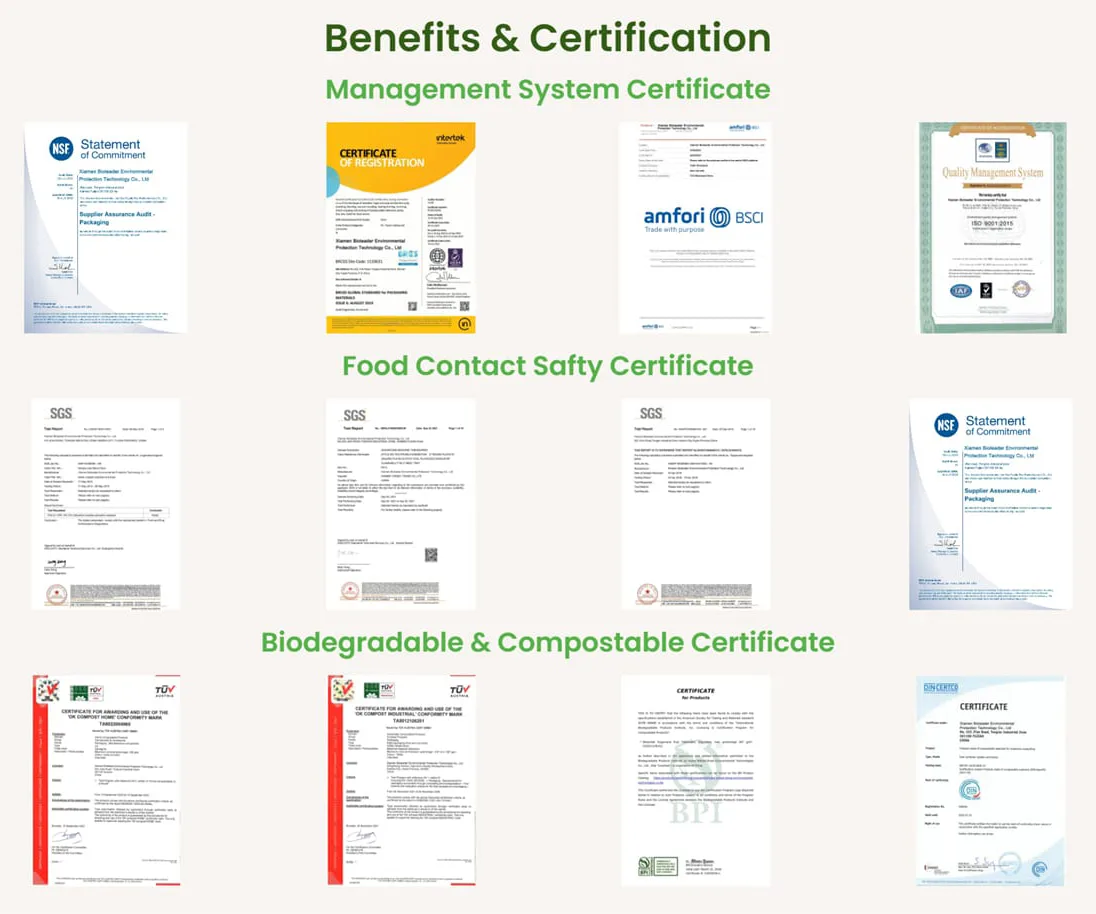
Certified to EN13432, ASTM D6400, and BPI standards.
PFAS-free product lines to meet stricter US state-level regulations.
Compliance documentation support for import clearance in EU, Canada, and Australia.
Cost Optimization
Wholesale pricing tiers to lower per-unit cost for bulk buyers.
Product nesting designs to reduce freight costs by up to 8%.
Material selection consulting to match local composting infrastructure.
Branding as a Value Add
Custom logo embossing, color printing, and retail packaging solutions to help clients turn compliance into marketing.
Conclusion – Counting the Right Costs in 2025 and Beyond
In 2025, the cheapest option on paper may be the most expensive in reality. Traditional plastic tableware might offer a low upfront unit price, but hidden costs—from waste disposal fees to regulatory penalties and brand damage—can quickly outweigh those savings.
Eco tableware offers:
Lower lifecycle costs when waste and compliance are factored in.
Marketing ROI through consumer goodwill, higher price tolerance, and social media amplification.
Future-proofing against increasingly strict plastic regulations.
For businesses, switching to eco-friendly, compostable tableware is more than compliance—it’s a strategic investment in market competitiveness, brand trust, and long-term profitability. And with partners like Bioleader®, companies can make this transition smoothly, economically, and with confidence in meeting global sustainability standards.