Eco-friendly Disposable Utensils for Foodservice

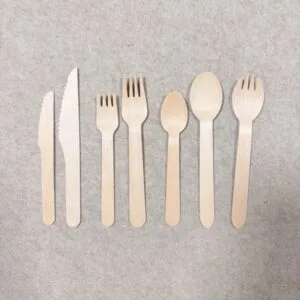
Eco-friendly disposable utensils play a critical role in modern foodservice, especially in takeaway, catering, and high-turnover dining environments where hygiene, speed, and operational efficiency are essential. Rather than focusing on reuse, disposable utensils are designed for single-use scenarios where cleaning logistics, labor costs, or contamination risks make reusable alternatives impractical. Today’s eco-friendly disposable utensils aim to reduce conventional plastic reliance while maintaining reliable performance across forks, spoons, and knives used in real-world foodservice operations.

Cornstarch Tableware

Quick Summary

This page explains eco-friendly disposable utensils from a foodservice decision perspective, focusing on single-use forks, spoons, and knives used across takeaway, catering, and institutional dining. It outlines when disposable utensils are the better operational choice, how “eco-friendly” should be evaluated in practice, and how buyers can select utensil programs based on use case, hygiene needs, and service efficiency—without material-level overlap.

What Are Disposable Utensils?

Disposable utensils, also known as single-use utensils, are eating tools designed for one-time use in foodservice environments. Commonly used in takeaway, delivery, catering, and high-turnover dining, disposable utensils eliminate the need for post-meal washing, collection, and redistribution.

In professional foodservice, disposable utensils are not defined by material alone, but by function: they support fast service, reduce handling steps, and ensure consistent hygiene across large volumes of meals.

Key terms: disposable utensils, single-use utensils, foodservice utensils

Why Disposable Utensils Still Matter in Modern Foodservice

Despite growing sustainability discussions, disposable utensils remain essential in many operational contexts. Their continued relevance is driven by practical, not promotional, reasons.

Hygiene and cross-contamination control
Single-use utensils reduce direct contact between meals and eliminate risks associated with improper washing or reuse—particularly important in shared kitchens, schools, healthcare, and delivery programs.

Operational efficiency
Disposable utensils streamline service workflows by removing washing, sorting, and inventory recovery. This allows staff to focus on food preparation and order fulfillment.

Labor and sanitation cost reduction
For high-volume operations, the cost of water, energy, detergents, and labor required for reusable cutlery can exceed the cost of disposable programs—especially during peak service periods.

Bioleader® Compostable Disposable Cutlery Video Showcase

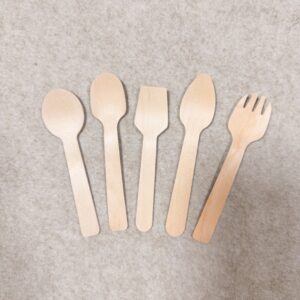
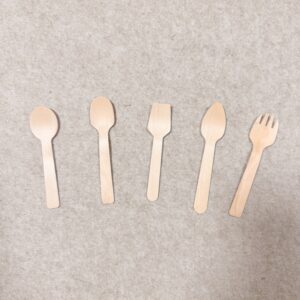
Corn Starch Disposable Cutlery Fork Spoon

What Makes Disposable Utensils “Eco-friendly”?

Not all disposable utensils are environmentally equal. In foodservice procurement, eco-friendly does not refer to a single material, but to a set of evaluation principles.

Plastic reduction
Eco-friendly disposable utensils aim to reduce reliance on conventional fossil-based plastics, lowering long-term environmental impact.

Material transparency
Clear material disclosure and traceability allow buyers to align purchases with internal sustainability goals and regulatory expectations.

Compliance readiness
Eco-friendly programs prioritize compatibility with evolving regulations, certifications, and waste management policies across different markets.

Importantly, eco-friendly labeling should be assessed based on these principles rather than marketing claims alone.

When Eco-friendly Disposable Utensils Are the Better Choice

Eco-friendly disposable utensils are especially suitable in scenarios where hygiene, speed, and scalability outweigh the practicality of reusables.

Takeaway & delivery
Single-use utensils ensure consistent meal presentation and hygiene across long delivery chains and multi-platform fulfillment.

Catering & events
Large gatherings require predictable service flow and minimal post-event logistics, making disposable utensils the most reliable option.

Institutional dining
Schools, offices, hospitals, and public facilities rely on disposable utensils to maintain hygiene standards while controlling operational costs.

High-turnover restaurants
Fast-paced dining concepts benefit from disposable programs that reduce bottlenecks during peak hours.

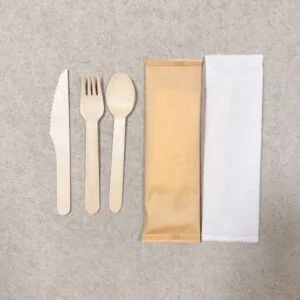
Individual Pack of Biodegradable Compostable Cutlery

Choosing Disposable Utensils Based on Use Case

Selecting the right disposable utensil program starts with use-case logic, not material trends.

Key decision factors include:

  • Food type: solid meals, soups, desserts, or mixed menus

  • Service duration: short consumption windows versus extended use

  • Regulatory environment: local or export compliance expectations

  • Budget and scale: cost sensitivity across bulk volumes

By aligning utensil choices with real operational needs, buyers can avoid over-specification while maintaining performance and compliance.

Material Options Overview

Different disposable utensil materials exist to support different operational priorities. For detailed material explanations, use cases, and specifications, please refer to the dedicated pages below:

  • Bio Plastic Cutlery– a high-level overview of bio plastic utensil options and how material choices align with different programs.
  • CPLA Cutlery – for buyers prioritizing compostability alignment and performance-led foodservice applications.
  • Cornstarch Cutlery– for cost-efficient, high-volume foodservice supply and everyday single-use meal programs.

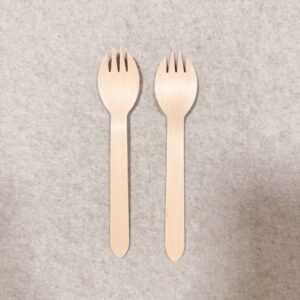
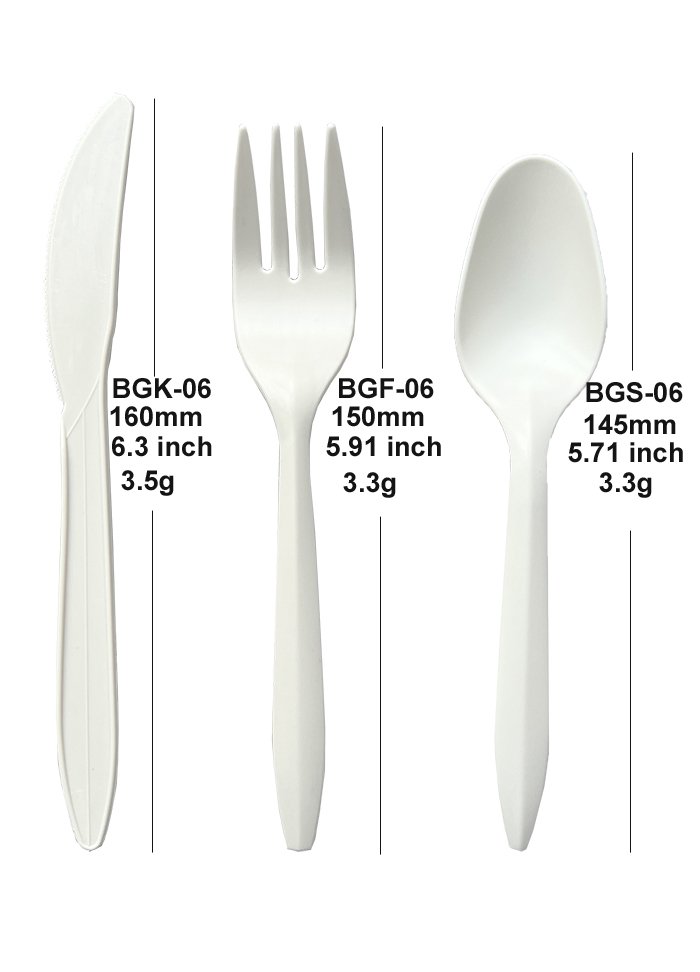
  • Compostable Disposable Forks – fork-focused options covering material choices, sizing, and common use scenarios.
  • Compostable Disposable Spoons– spoon-focused options for soup, dessert, and multipurpose foodservice use.

This page intentionally avoids material comparisons to maintain clarity and prevent overlap with specialized product pages.

Eco-friendly Disposable Utensils Supply by Bioleader®

Bioleader® provides a structured supply solution for eco-friendly disposable utensils, supporting global foodservice buyers with consistent quality, scalable production, and private-label flexibility.

Rather than offering a one-size-fits-all product, Bioleader® aligns disposable utensil programs with real-world foodservice requirements—helping businesses reduce conventional plastic use while maintaining operational efficiency and supply stability.

To view the full manufacturing and wholesale structure behind our disposable utensil programs, visit the Bioleader® compostable cutlery manufacturer hub.

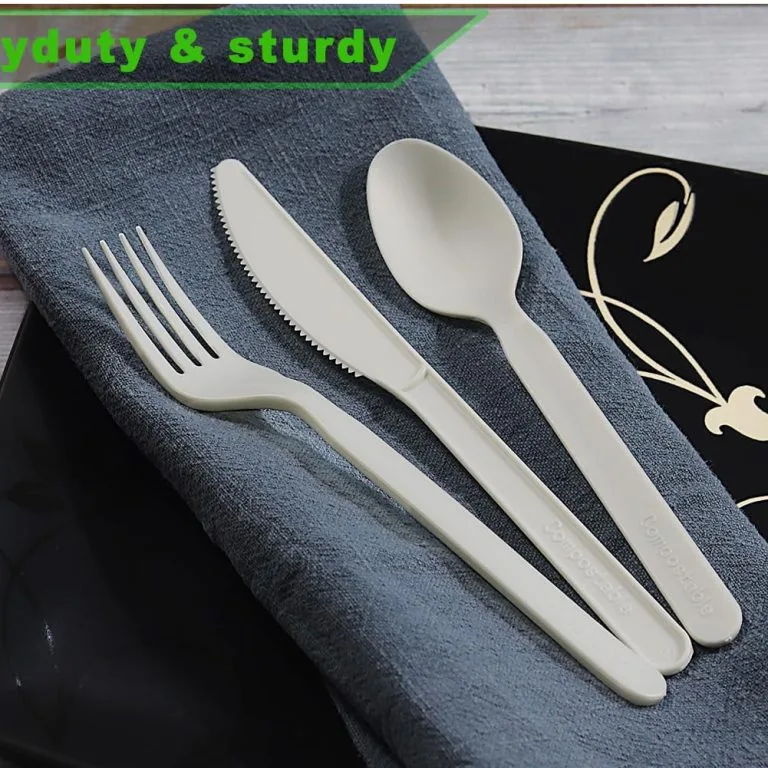
Biodegradable CPLA and cornstarch cutlery set neatly arranged on a wooden table, eco-friendly compostable utensils for wholesale and sustainable foodservice.
Sugarcane Bagasse Tableware

FAQ of Bioleader's Disposable Cutlery

  1. What are disposable utensils?
    Disposable utensils are single-use eating tools designed for foodservice environments where hygiene, speed, and efficiency are priorities.
  2. When are disposable utensils more suitable than reusables?
    They are ideal for takeaway, delivery, catering, and institutional dining where washing, collection, or reuse is impractical.
  3. What does “eco-friendly” mean for disposable utensils?
    It refers to reduced plastic use, transparent materials, and compliance-friendly design—not just composting claims.
  4. Can eco-friendly disposable utensils be supplied in bulk?
    Yes. Bulk supply is common for foodservice programs, catering, and distribution channels.
  5. Is private labeling available for disposable utensil programs?
    Yes. Private label and customized packaging options are widely used in institutional, airline, and branded foodservice applications.

Contact Us for Price

Click or drag files to this area to upload.You can upload up to 5 files.
The more details you share, the faster and more accurate our quotation will be.