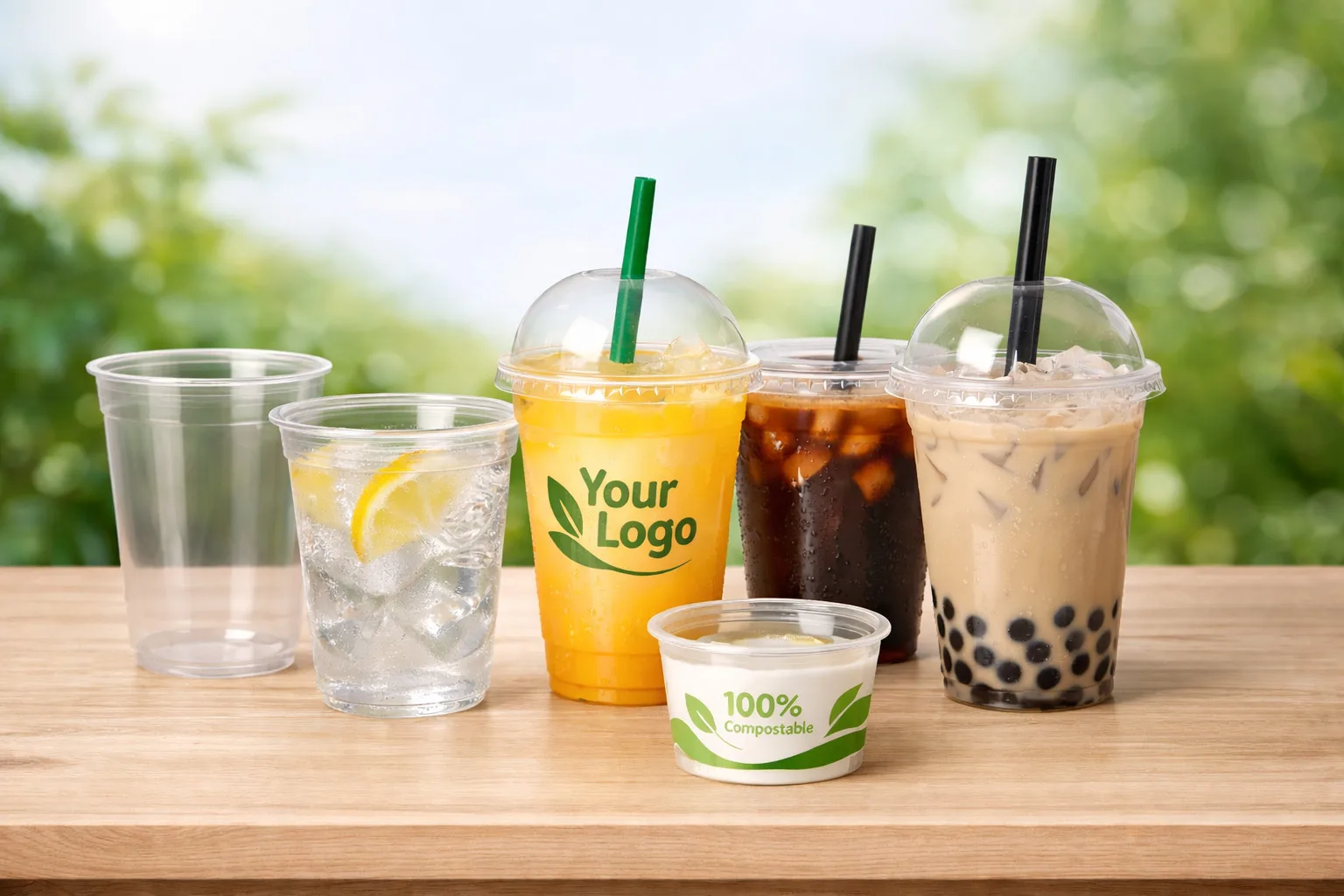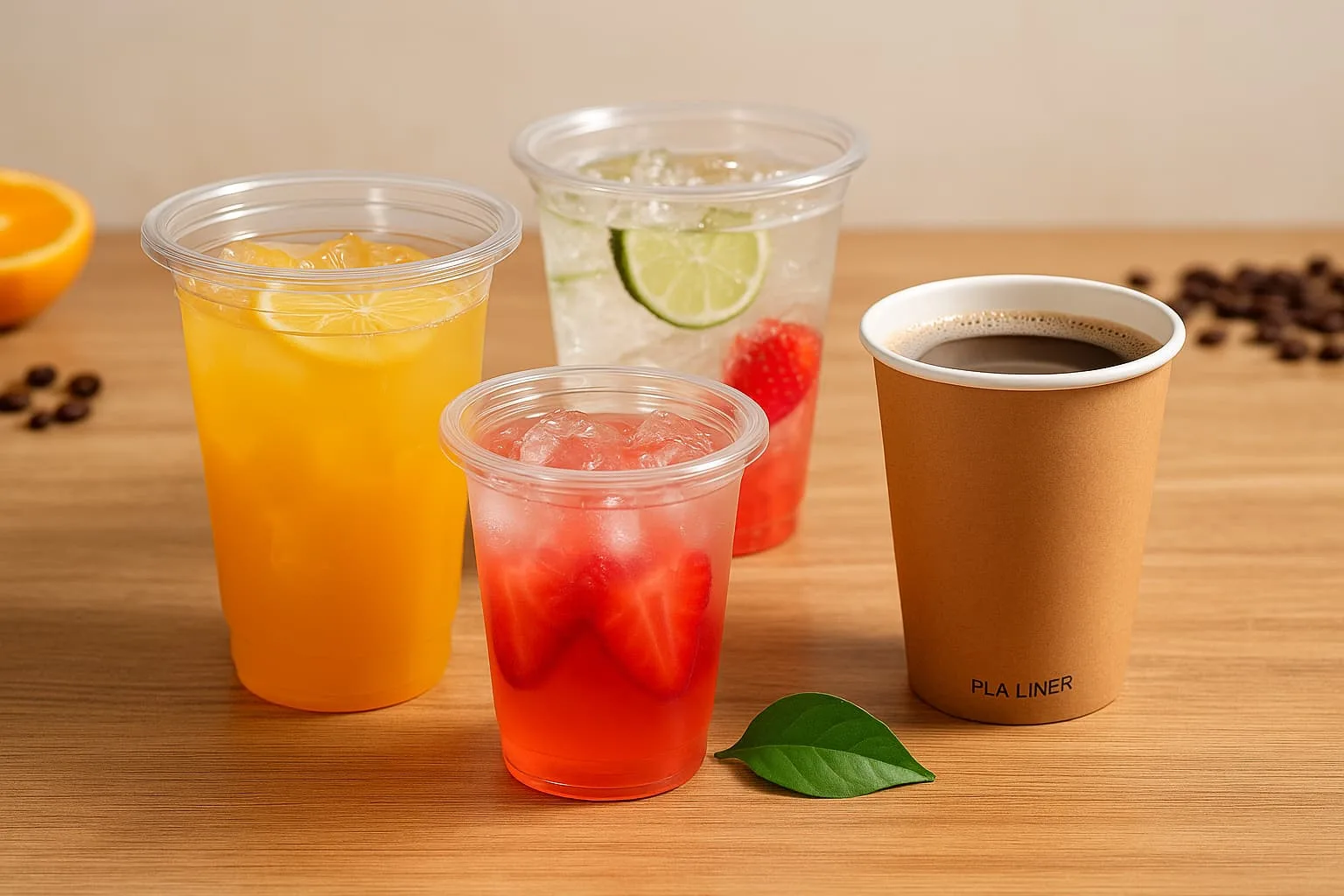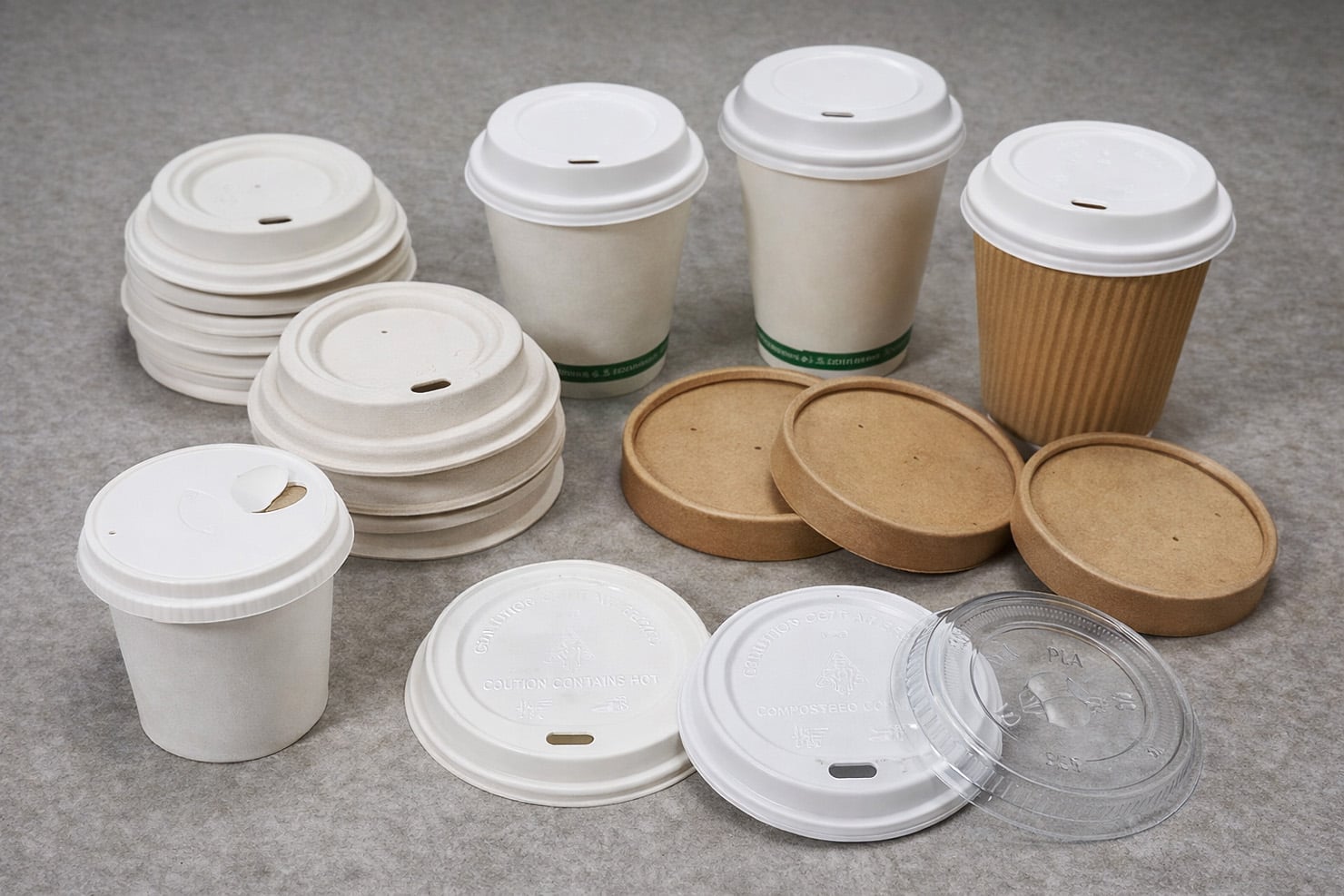
Eco-Friendly Cup Lids at a Glance: A Comparison Table for Buyers
| Lid Type | Best For | Heat | Leak / Fit | Compostability | Visual Effect | Matching Cups | Buyer Tip |
|---|---|---|---|---|---|---|---|
| Bagasse | Hot drinks, eco-focused takeaway | Good | Usually stable, test fit is important | Strong compostable fiber image | Natural, matte, plastic-free look | Paper cups, fiber-based cups | Best for brands wanting a strong natural story |
| Paper | Coffee, tea, branded hot drinks | Medium to good | Depends on design and structure | Varies by coating and construction | Clean, premium, brand-friendly | Single-wall, double-wall, ripple cups | Best for packaging aesthetics and print harmony |
| CPLA | Hot beverage systems, chain use | Good | Consistent when size-matched | Industrial compostable | Functional, standardized look | Paper hot cups, compostable hot cups | Best for heat resistance and sourcing stability |
| PLA | Iced drinks, juice, smoothies | Low | Good for cold drink use | Industrial compostable | Clear, high-display effect | PLA cold cups, clear drink cups | Best for cold beverage presentation |
In simple terms, bagasse and paper lids are stronger in natural branding and paper-based sustainability storytelling, CPLA is more dependable for hot drink functionality, and PLA is the better choice for clear cold beverage presentation. That is why lid selection should follow beverage temperature, cup type, brand positioning, and actual service conditions—not just material claims.
Sugarcane Bagasse Cup Lids (Molded Pulp Lids)
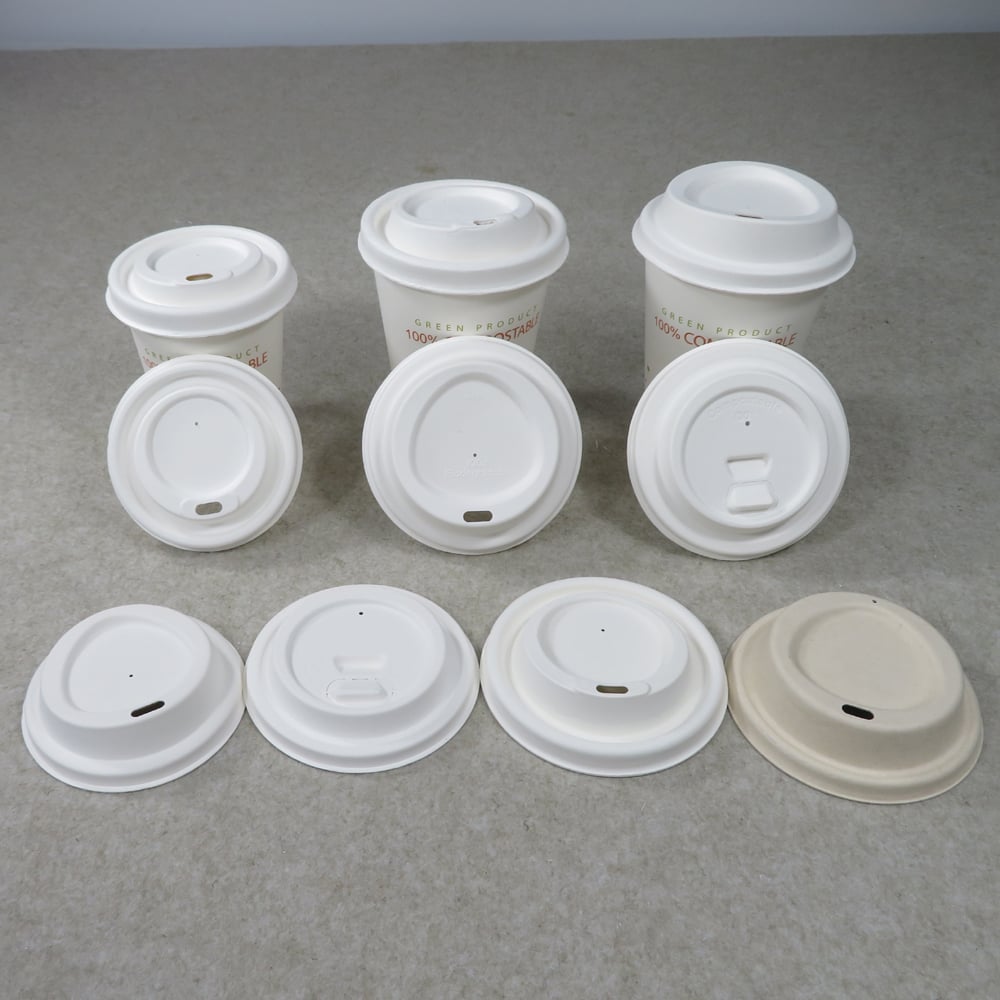
Sugarcane bagasse cup lids, also called molded pulp lids or molded fiber lids, are one of the most recognizable alternatives to conventional plastic drink lids. Made from sugarcane pulp fiber, they are widely used in sustainable hot drink packaging because they offer a more natural material image, a plastic-free look, and strong alignment with compostable packaging trends. For buyers, bagasse lids are not just a material switch. They are often a branding decision, a sustainability decision, and a functional choice for hot beverage service.
Compared with clear plastic-style lids, bagasse lids communicate an eco-friendly message more directly. Their matte surface, fiber texture, and molded structure make them especially attractive for cafés, organic food brands, takeaway chains, and foodservice operators that want packaging to look visibly more natural. At the same time, buyers still need to evaluate fit, sip comfort, lid strength, and compatibility with the cup system before making a final sourcing decision.
What Are Sugarcane Bagasse Cup Lids?
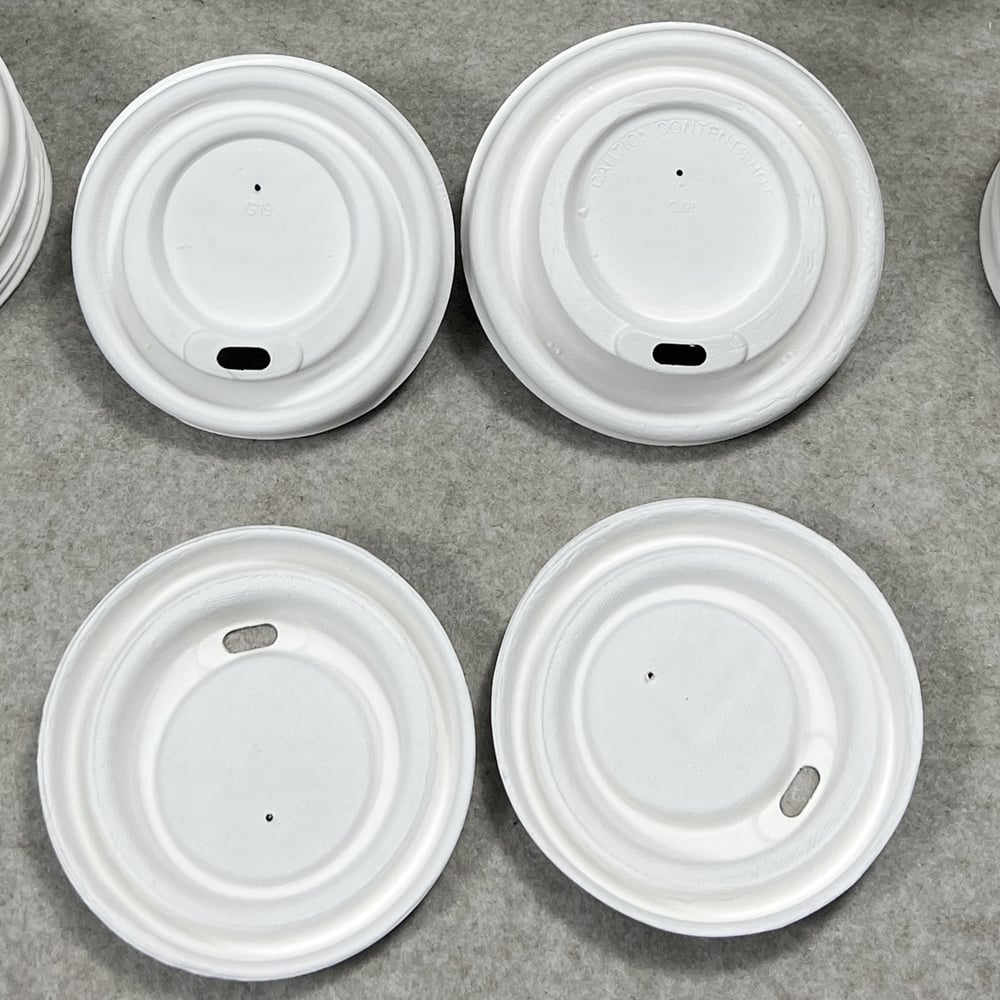
Bagasse cup lids are formed from sugarcane fiber pulp through a molded pulp production process. In the market, they are also commonly described as molded pulp lids, molded fiber lids, or bagasse coffee cup lids. Their main value lies in combining a fiber-based material image with practical use in beverage packaging, especially for hot drinks and takeaway service.
Because they are plant-fiber based, these lids fit well into broader packaging programs built around compostable tableware, paper cups, and molded fiber food packaging. This makes them especially suitable for buyers who want a more consistent sustainable packaging story across the full product line.
Key Advantages of Bagasse Lids
- Strong natural image: Bagasse lids create a visible plastic-free impression and support a more authentic eco-friendly brand identity.
- Good fit for hot drink programs: They are commonly used for coffee, tea, and other hot takeaway beverages where heat resistance matters.
- Premium tactile effect: The molded fiber texture gives the packaging a more natural, matte, and upscale feel.
- Good sustainability storytelling: For many brands, bagasse lids make it easier to communicate compostable and fiber-based packaging positioning.
- Better packaging consistency: They match well with paper cups, bagasse containers, and other molded fiber packaging items.
Limitations Buyers Should Understand
Bagasse lids are not the perfect answer for every beverage project. Their biggest strength is natural appearance, but buyers should not assume that appearance alone guarantees better performance. Mold precision, cup-rim fit, drinking hole design, and delivery stability still matter in real use.
- No transparent presentation: They are not suitable for brands that want to showcase drink color or layered beverages.
- Fit must be checked carefully: Cup matching is critical, especially across different paper cup factories and rim structures.
- Design options are more limited: Compared with plastic-style lids, molded fiber lids may offer fewer shape variations.
- Cost may be higher than conventional lids: For some large-volume projects, price sensitivity still needs to be evaluated.
Best Use Cases for Bagasse Lids
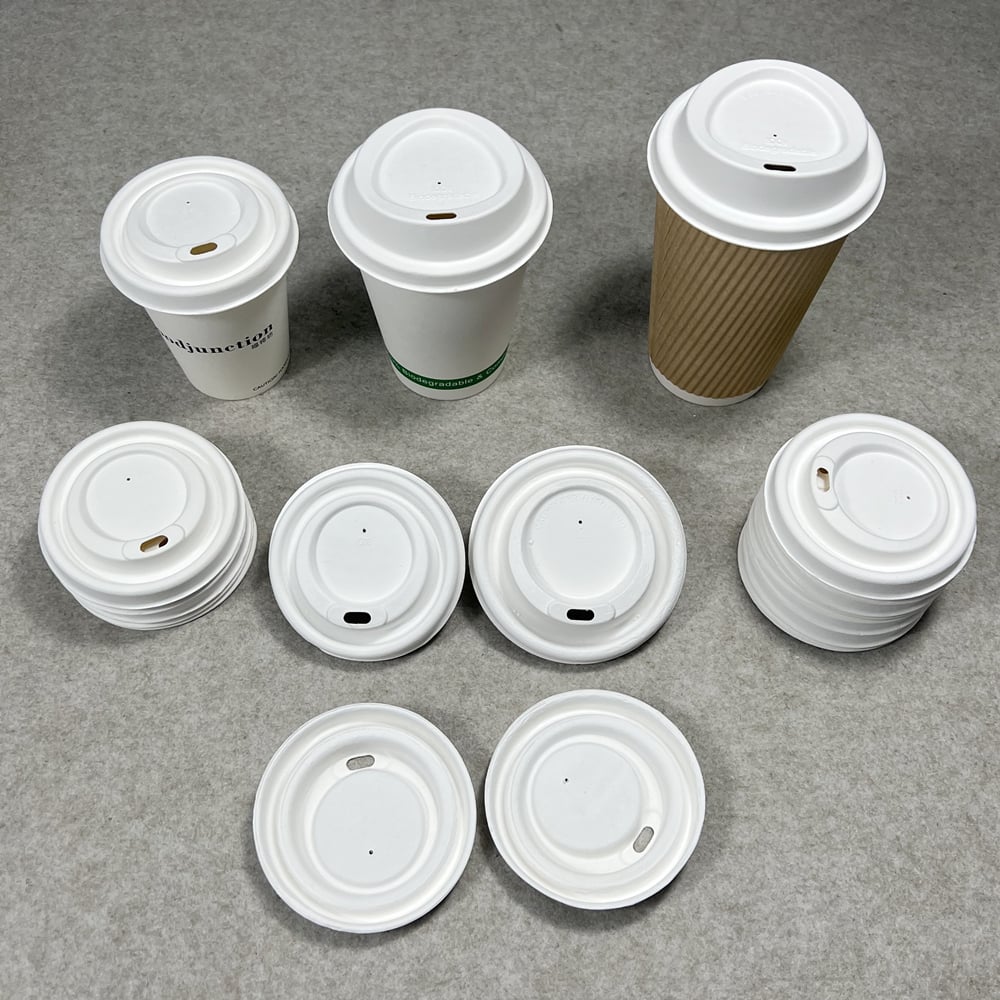
Bagasse lids are generally best suited to hot beverage programs and sustainable takeaway packaging where natural material appearance matters as much as functional performance.
- Hot coffee and hot tea takeaway cups
- Eco-focused café and bakery beverage service
- Organic food brands and premium natural product lines
- Hotel, airline, and catering projects with strong sustainability positioning
- Foodservice brands seeking a visible alternative to traditional plastic lids
What Buyers Should Check Before Ordering
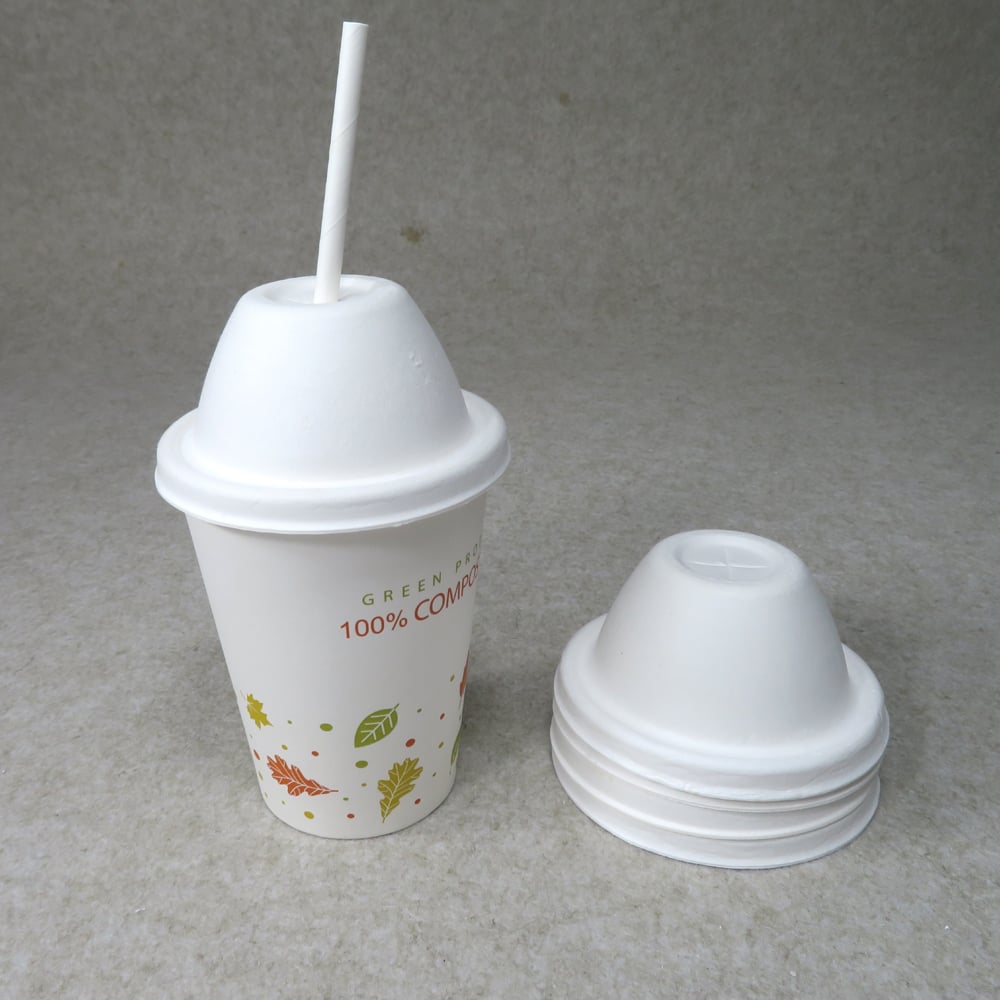
For sourcing teams, the key question is not whether a bagasse lid looks sustainable, but whether it performs reliably in the target beverage system. Before placing volume orders, buyers should verify the following points:
- Cup compatibility: Confirm the exact cup rim size and fit performance.
- Sip experience: Check whether the drinking opening is smooth, practical, and consumer-friendly.
- Leak control: Test lid stability during takeaway handling and transport.
- Strength and structure: Review whether the lid keeps its shape under hot drink conditions.
- Compostability and compliance documents: Verify the relevant sustainability and food-contact documentation required for the target market.
- Brand positioning: Make sure the fiber look matches the image the packaging program wants to communicate.
Bagasse Lid 80mm
A practical molded pulp lid option for 7-8oz hot drink cups. Suitable for eco-friendly coffee and tea that need a natural fiber look and compostable packaging.
Bagasse Lid 90mm
A larger sugarcane bagasse lid designed for standard hot beverage cups. Ideal for coffee shops, takeaway chains, and sustainable foodservice brands seeking a molded fiber alternative to plastic lids.
Paper Cup Lids
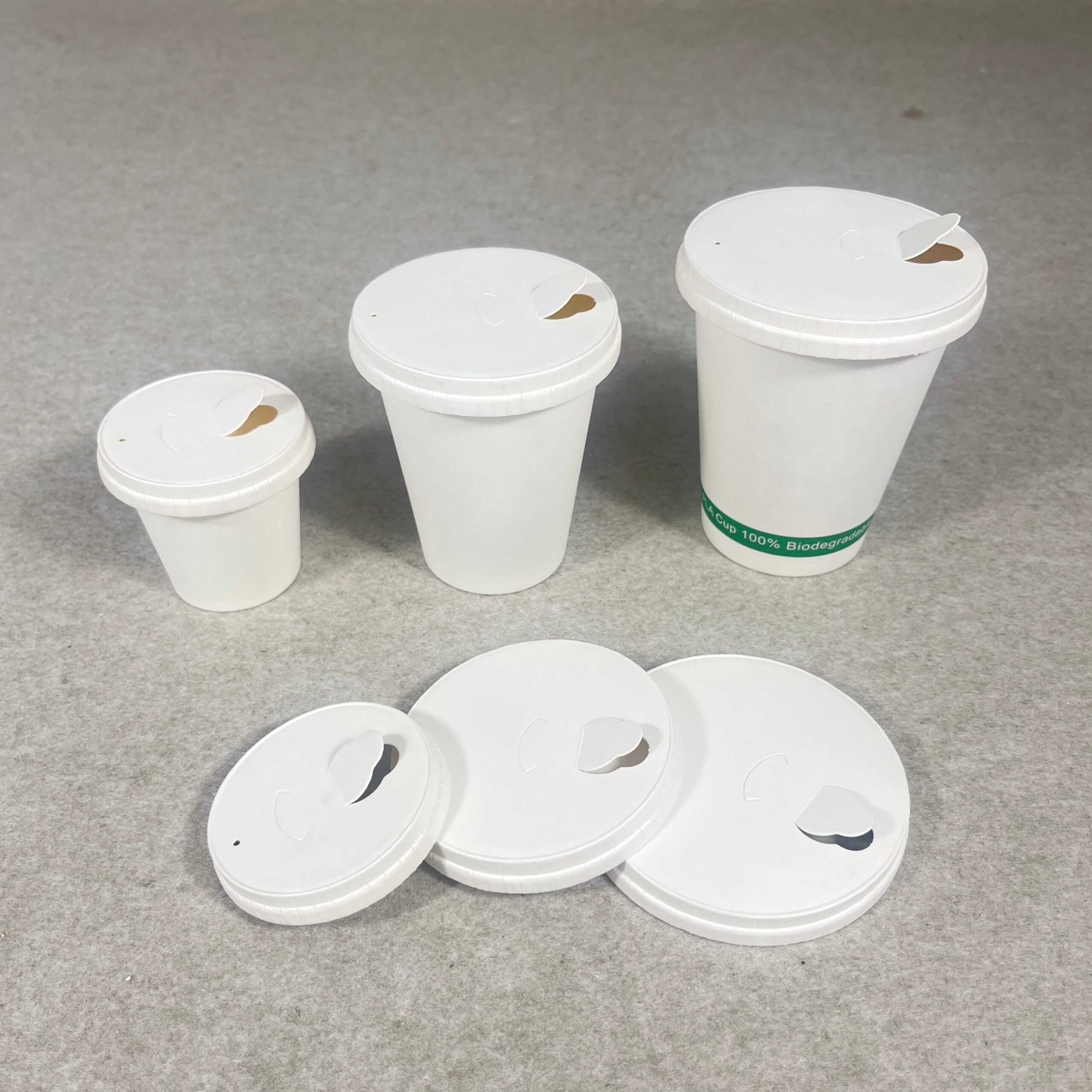
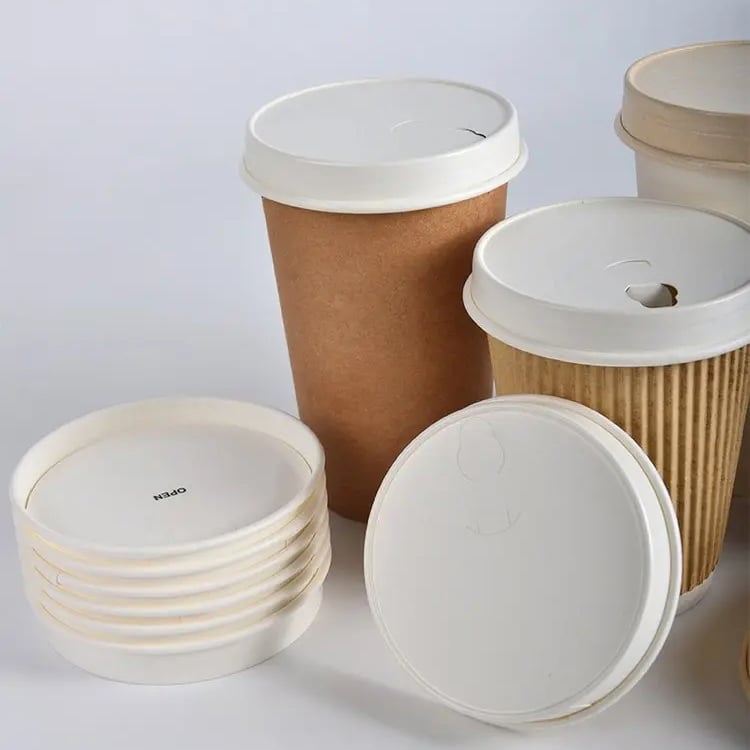
Paper cup lids are an important category in sustainable beverage packaging because they combine paper-based appearance, good branding flexibility, and practical use in hot drink service. In commercial packaging, however, paper lids are not a single material solution. Their actual performance depends on three core variables: paper type, barrier structure, and lid design. For this reason, buyers should evaluate paper lids as an engineered packaging component rather than as a simple visual alternative to plastic lids.
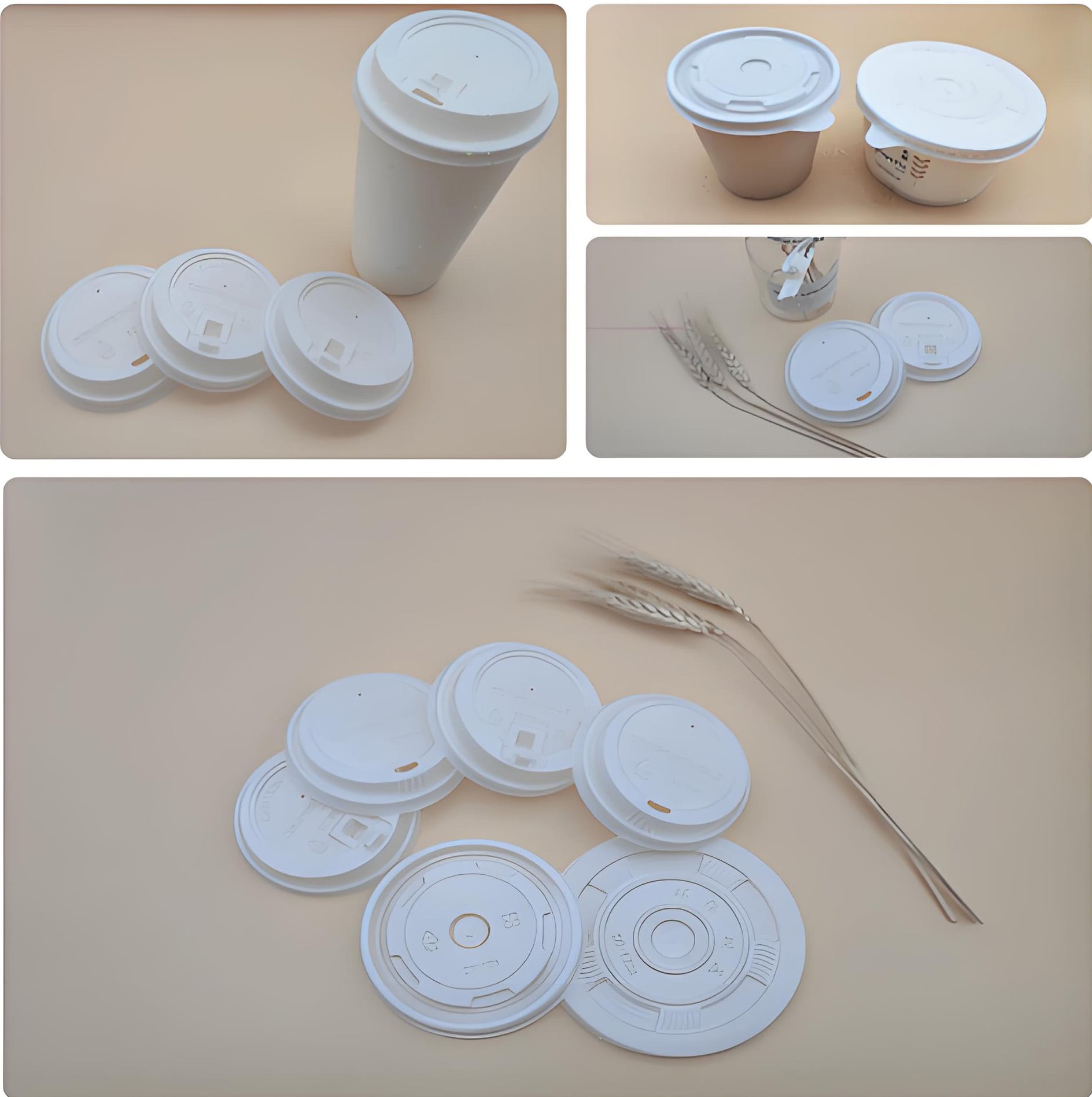
In practice, paper lids are commonly used not only for coffee cups, tea cups, and takeaway beverage cups, but also for selected soup cups and soup bowls where a more unified paper-based packaging system is preferred. From a sourcing perspective, this broader application range makes paper lids commercially attractive, but it also raises the technical requirements for steam resistance, structural rigidity, sealing stability, and cup-rim compatibility.
What Are Paper Cup Lids?
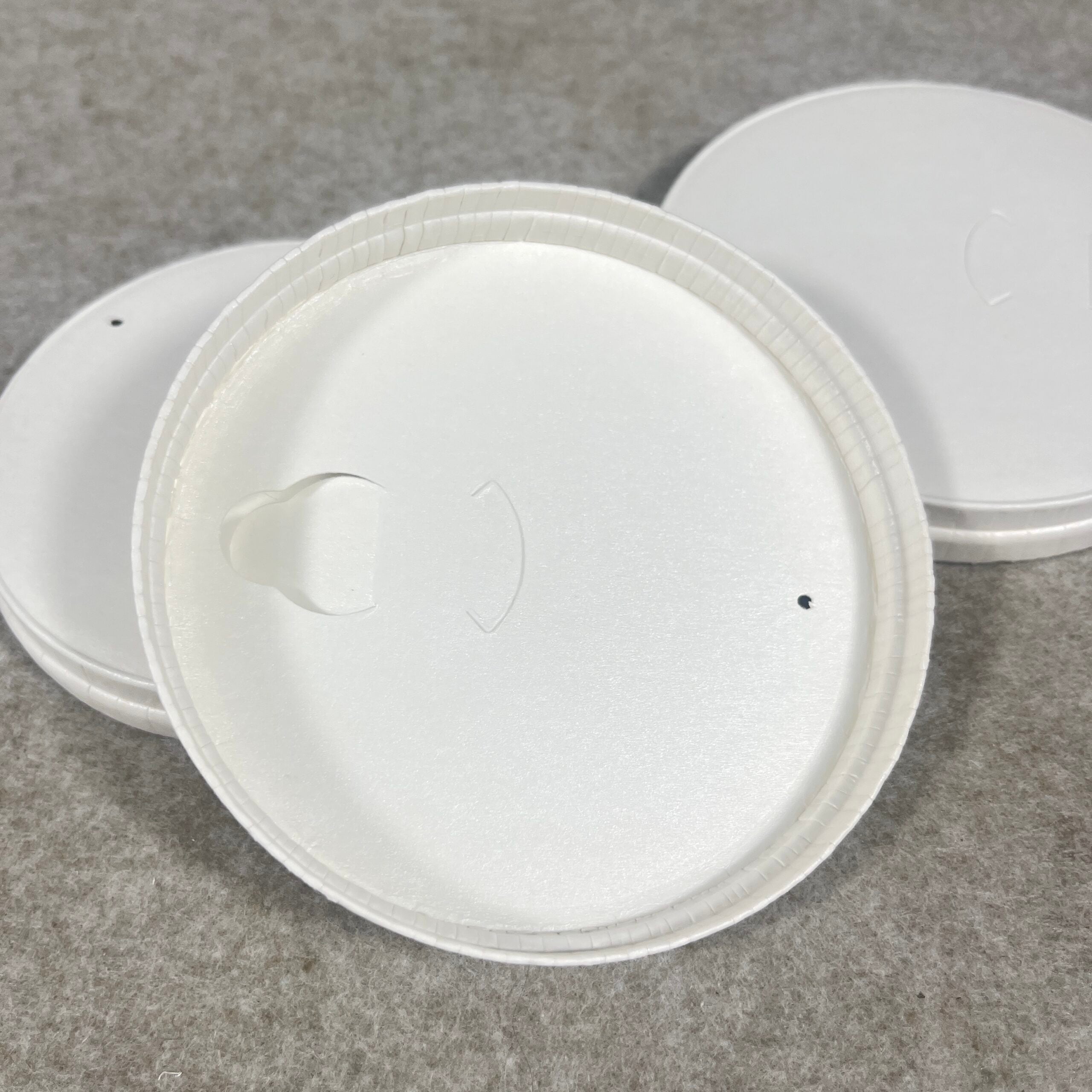
Paper cup lids are lids manufactured mainly from paperboard and then formed through cutting, folding, pressing, or structural shaping. They are typically used in hot drink packaging systems, but they may also be applied to soup cups, paper bowls, and certain takeaway food containers depending on the lid structure and barrier design.
From a technical viewpoint, a paper lid is defined not only by the paper substrate itself, but also by the barrier layer and the structural design that determines stiffness, moisture tolerance, heat behavior, and drinking or venting performance. This is why two paper lids with a similar appearance may perform very differently in actual use.
Main Types of Paper Cup Lids
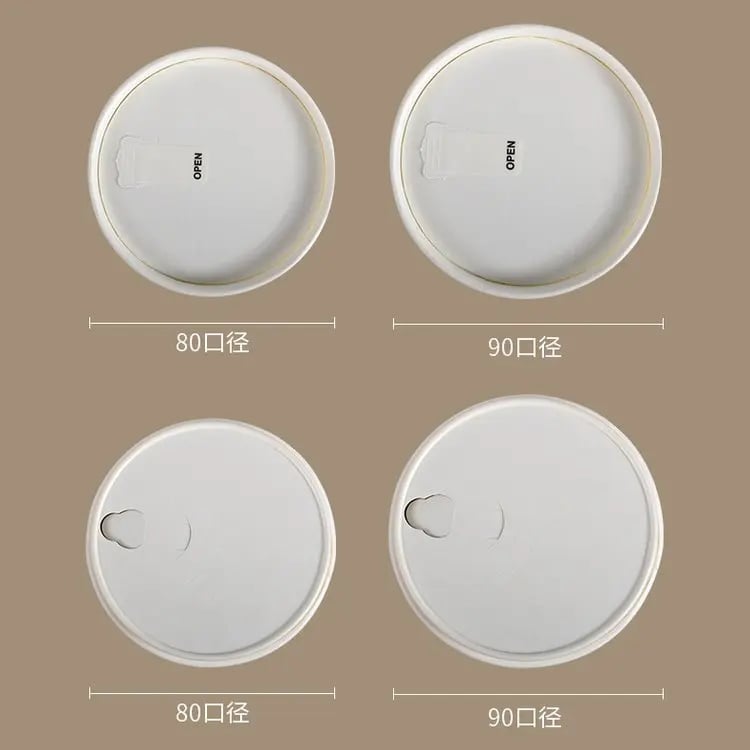
- White paperboard lids: Usually chosen for a cleaner, sharper, and more premium visual effect. They are often used in coffee chains, branded beverage packaging, and high-end takeaway cup systems.
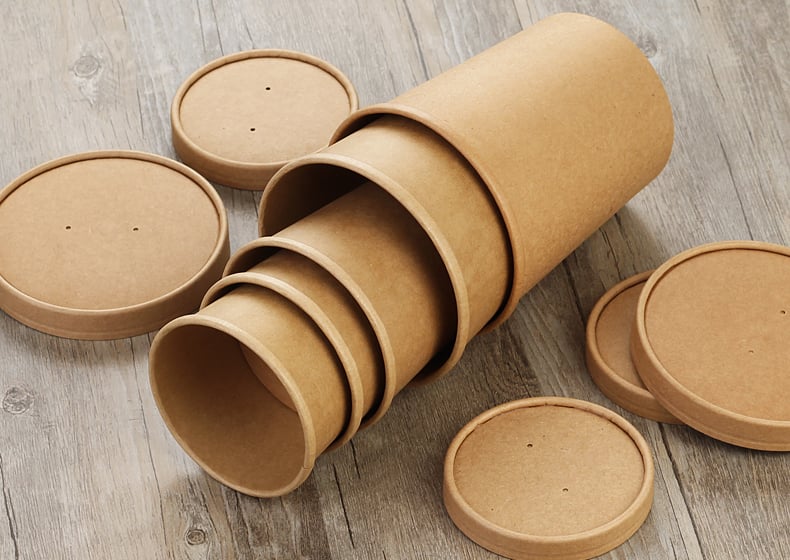
- Kraft paper lids: Usually selected for a more natural and eco-conscious appearance. They are well suited to brands that want a stronger paper-based or rustic packaging identity.
- Laminated paper lids: Built with an added barrier layer to improve resistance to moisture, steam, or liquid contact. Their final environmental profile depends on the laminate material and structure.
- Coated paper lids: Use functional coatings to improve performance while maintaining a paper-based lid format. Their actual compostability or recyclability position depends on the coating chemistry and the target market’s waste-management conditions.
White Paperboard vs. Kraft Paper Lids
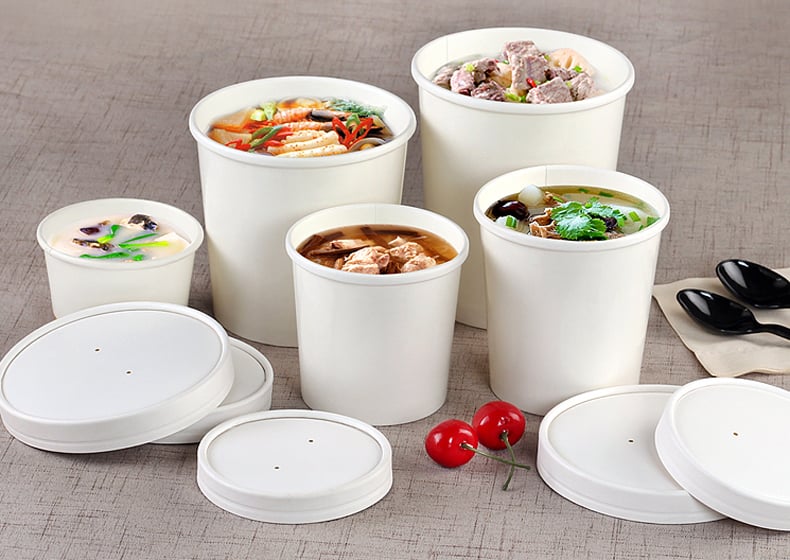 |  |
The choice between white paperboard and kraft paper is primarily a packaging strategy decision. White paperboard lids usually support a more polished, modern, and premium image. They are more commonly used in beverage systems where surface cleanliness, refined presentation, and brand consistency are important.
Kraft paper lids usually create a more natural, earthy, and visibly eco-oriented effect. They are often preferred in bakery takeaway, organic café concepts, and brands that want their paper packaging to look less processed and more material-driven. However, visual preference should not replace technical evaluation. The paper color does not determine whether the lid is stronger, more heat-resistant, or more compostable. Those outcomes depend on the structure and barrier system.
Laminated Paper Lids vs. Coated Paper Lids
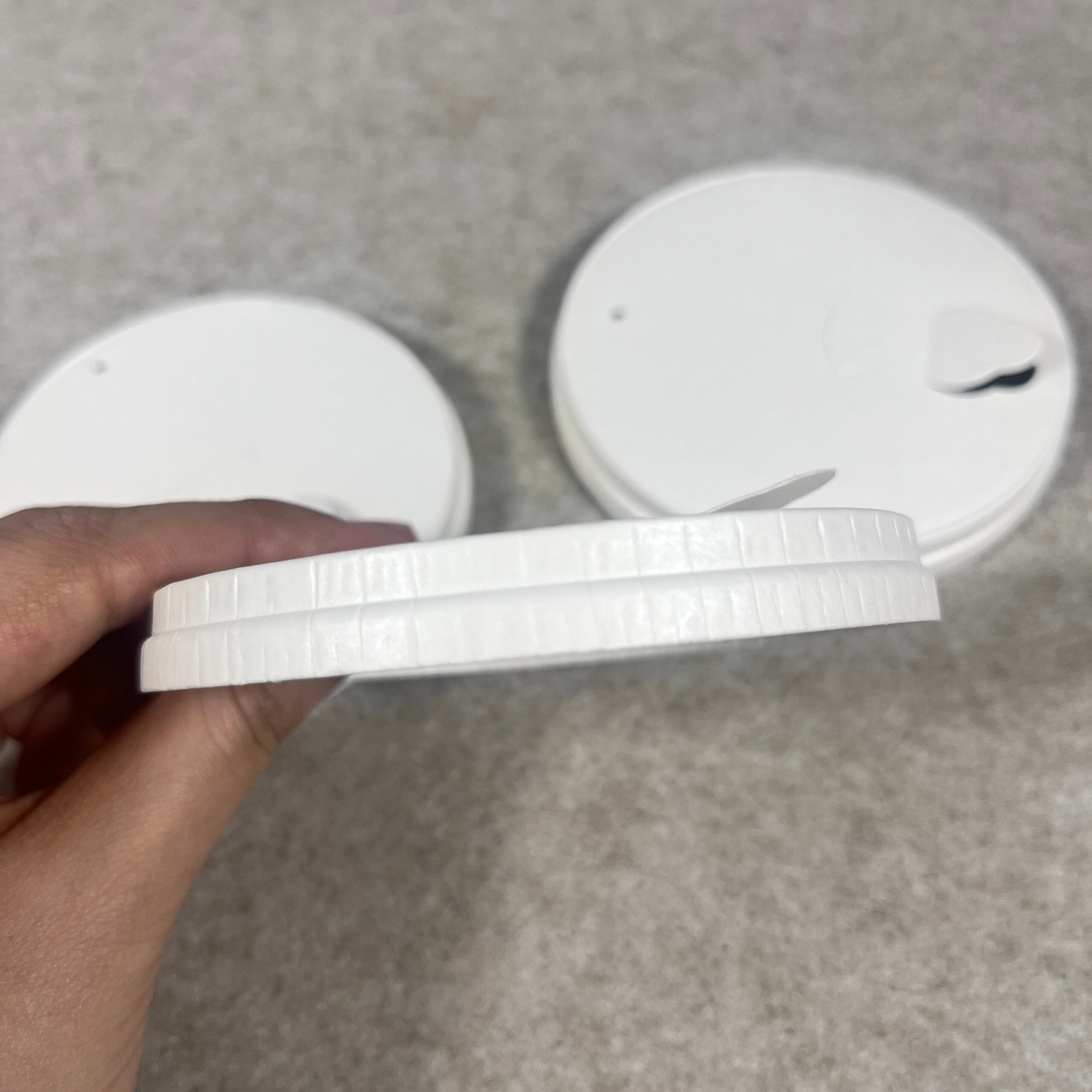
This is one of the most important distinctions in paper lid procurement. The visible paper surface does not fully explain how the lid behaves in real beverage or soup applications. In many cases, performance is controlled by the barrier system rather than by the paper alone.
Laminated paper lids generally use an added film layer to improve resistance to moisture, steam, and liquid migration. This can improve functional reliability in hot beverage or soup service, but the final environmental claim must be assessed according to the laminate composition and local end-of-life infrastructure.
Coated paper lids use a surface treatment or barrier coating to improve moisture and heat performance. These lids may support different sustainability claims depending on the specific coating technology. For sourcing decisions, buyers should review the actual material structure, not only front-end marketing terms such as “eco,” “green,” or “paper-based.”
Why Paper Lids Are Technically Attractive
- Strong packaging consistency: Paper lids pair naturally with paper cups, ripple cups, and selected soup cups or bowls, creating a more unified packaging system.
- High branding value: They support premium visual positioning and help reinforce a paper-based sustainability message.
- Flexible appearance options: White paperboard and kraft paper provide clearly different commercial aesthetics for different brand segments.
- Broad application range: They are suitable for coffee, tea, hot takeaway drinks, and selected hot food formats such as soup cups and paper bowls.
- Material differentiation: Through structure and barrier design, paper lids can be positioned for different levels of moisture resistance, heat stability, and sustainability claims.
 |  |
Limitations Buyers Should Understand
Paper lids offer strong visual and commercial advantages, but they also require more careful technical review than many buyers expect. A paper lid can look highly sustainable while still being unsuitable for a demanding hot drink or soup application if the barrier, stiffness, or fit is not properly engineered.
- Performance is structure-dependent: Not all paper lids deliver the same heat, steam, or sealing performance.
- Barrier choice matters: Laminated and coated paper lids may differ significantly in real-world behavior and end-of-life positioning.
- Paper appearance can be misleading: A lid that looks natural is not automatically plastic-free, compostable, or suitable for high-steam use.
- Fit remains critical: Rim geometry, lid forming accuracy, and compression stability directly affect leak resistance and user experience.
- Soup use is more demanding: Soup cups and soup bowls place higher stress on the lid because of steam, pressure, and prolonged contact with hot liquid food.
Best Use Cases for Paper Lids
- Hot coffee and hot tea takeaway cups
- Premium café and bakery beverage packaging
- Milk tea and branded hot drink programs
- Single-wall, double-wall, and ripple paper cup systems
- Soup cups and selected soup bowl formats
- Paper-based takeaway packaging programs that prioritize visual consistency
What Buyers Should Check Before Ordering
For reliable procurement, buyers should evaluate paper lids through a structured checklist rather than by appearance alone:
- Paper type: Confirm whether white paperboard or kraft paper better supports the target brand image.
- Barrier structure: Verify whether the lid is laminated or coated, and understand what that means for moisture resistance, heat behavior, and sustainability claims.
- Basis weight and stiffness: Review whether the paperboard structure is sufficient for the intended beverage or soup application.
- Rim compatibility: Test the actual lid fit against the real cup or bowl rim, not just the nominal diameter.
- Steam resistance: For soup cups, soup bowls, and high-temperature drinks, confirm stability under prolonged hot-fill or hot-hold conditions.
- User experience: Check drinking opening design, opening pressure, handling comfort, and consumer convenience.
- Compliance documentation: Verify food-contact compliance and confirm whether any compostable, recyclable, or biodegradable claim is technically supported.
Eco-Friendly Paper Cups
Explore Bioleader’s paper cup collection for hot drinks, coffee service, takeaway beverages, and branded foodservice programs. Suitable for pairing with paper lids, bagasse lids, and CPLA lids in sustainable cup-and-lid systems.
Match Cups with Sustainable Lids
Choose the right paper cup sizes and structures before selecting lids. A well-matched paper cup and lid system improves fit, drinking comfort, takeaway performance, and overall sustainability positioning for coffee shops and beverage brands.
CPLA Cup Lids
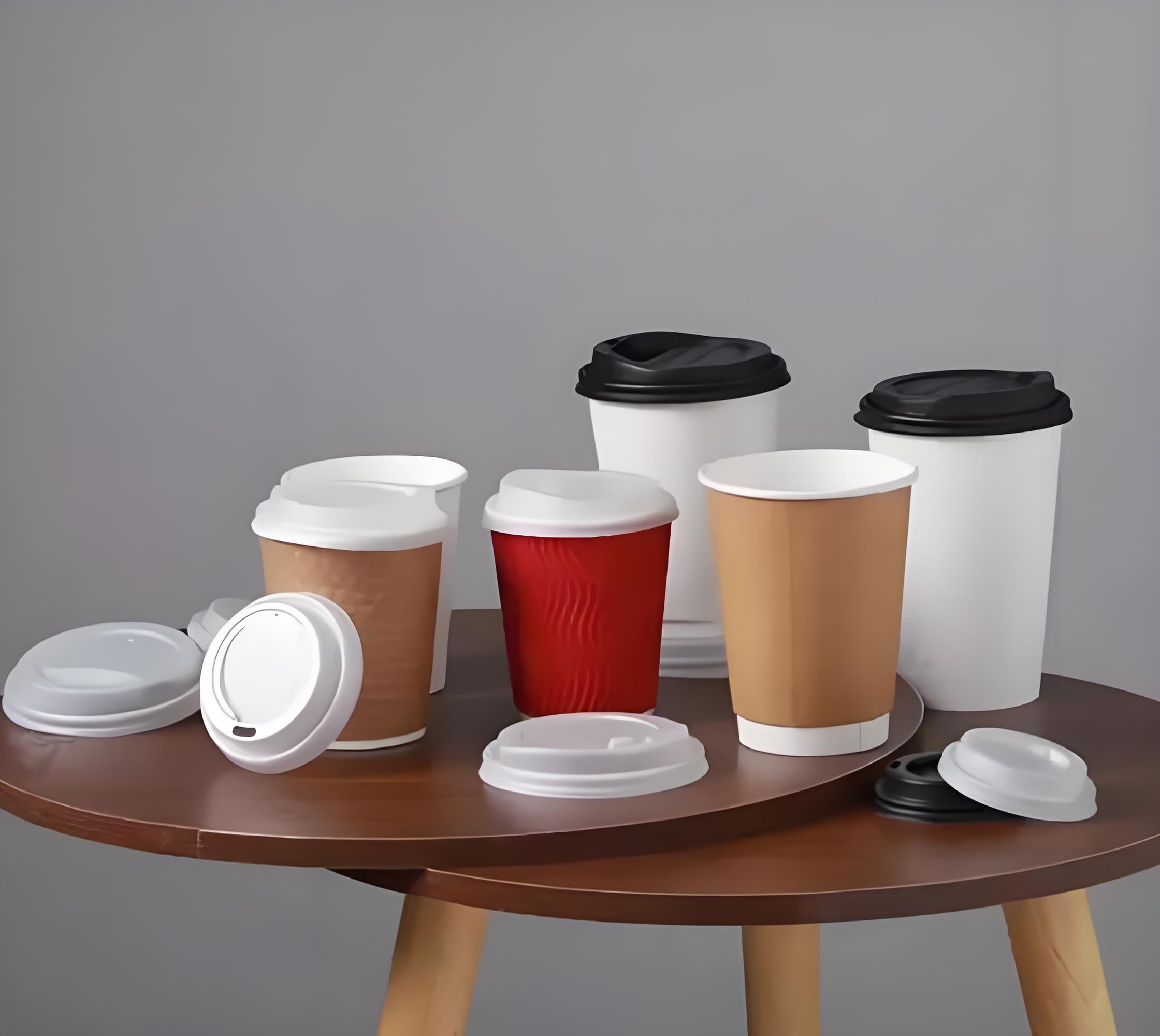
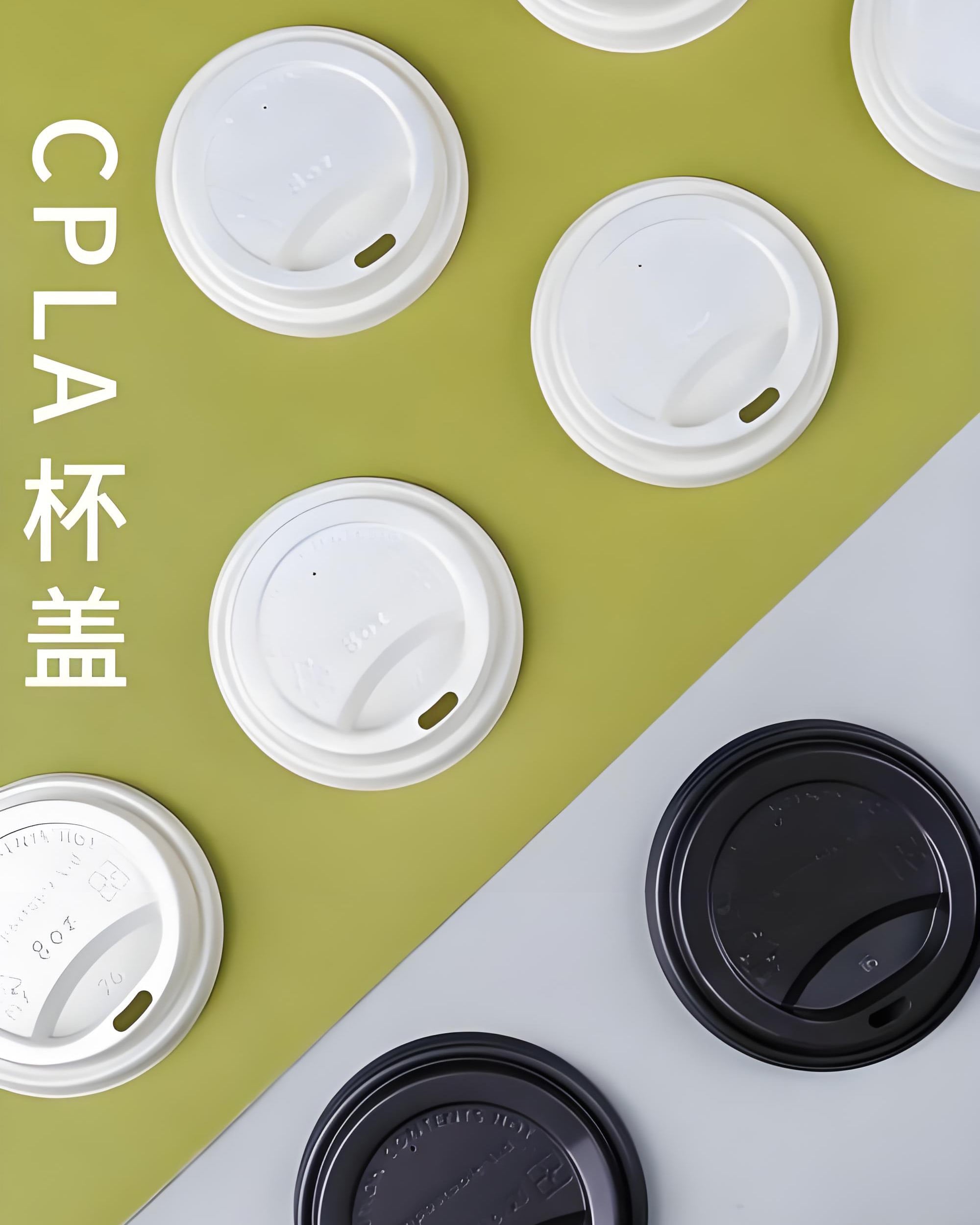
CPLA cup lids are one of the most widely used industrially compostable lid options for hot beverage packaging. CPLA, or crystallized polylactic acid, is a modified form of PLA designed to deliver higher heat resistance and better structural stability than standard clear PLA. In practical sourcing, CPLA lids are often selected for coffee cups, hot tea cups, and takeaway beverage systems where buyers want a compostable alternative with more reliable hot-drink performance.
From a procurement perspective, the value of CPLA lids is not only that they are compostable under industrial composting conditions, but also that they are commercially standardized, scalable, and widely accepted in organized foodservice packaging programs. However, buyers should be careful not to treat all “compostable” or “eco” claims as equivalent. For CPLA lids, certification, labeling, and technical documentation are critical. The real purchasing question is not simply whether the lid is marketed as green, but whether its compostability claim is properly supported and whether its performance fits the intended hot-drink application.
What Are CPLA Cup Lids?
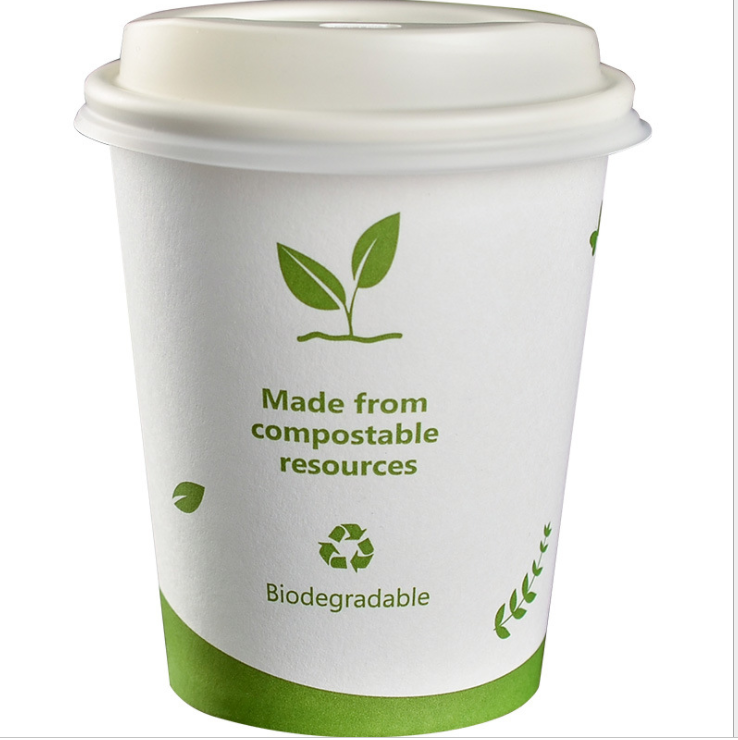
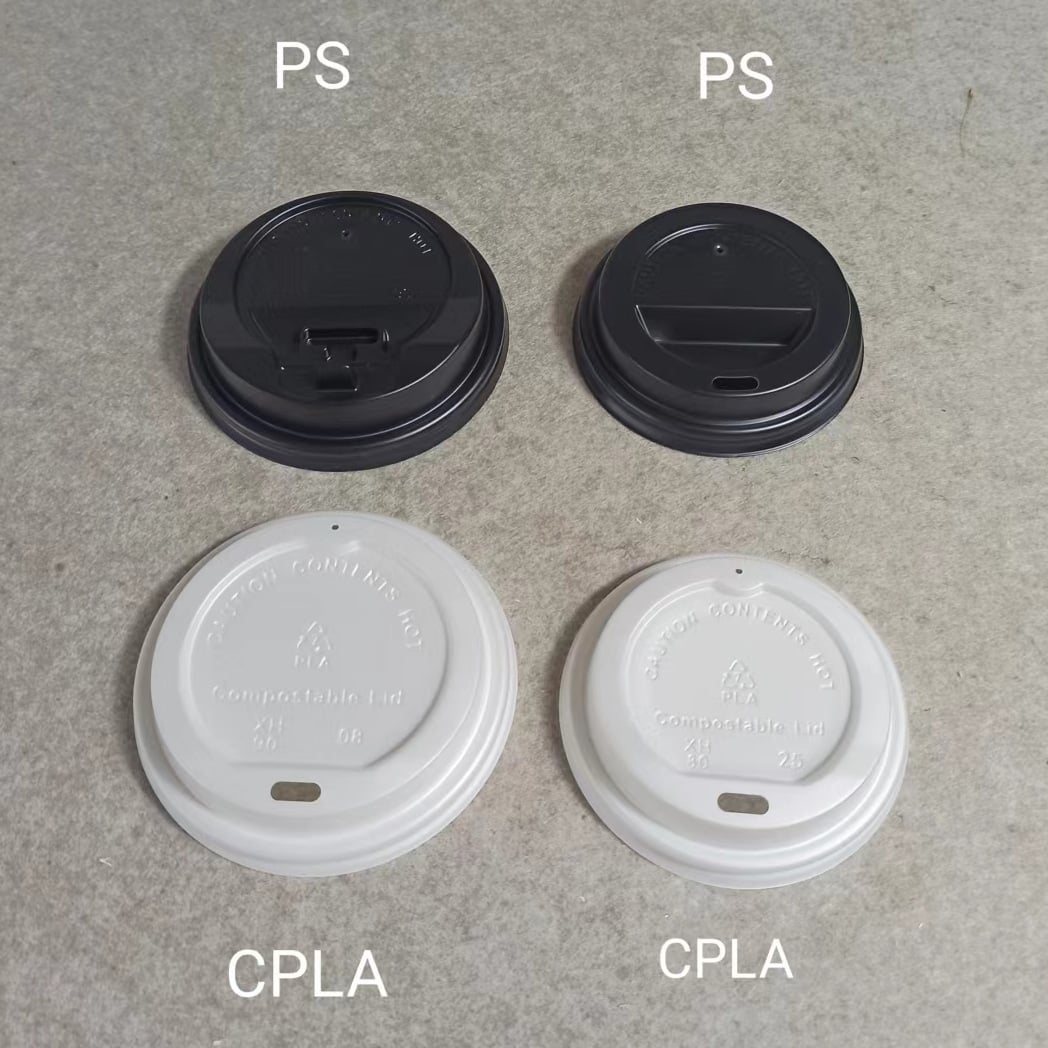
CPLA cup lids are formed from crystallized PLA resin. Compared with standard PLA, CPLA has improved heat resistance and is therefore more suitable for hot beverage lid applications. In the market, CPLA lids are commonly used for coffee cups, tea cups, and takeaway hot drink packaging where a more heat-stable compostable lid is required.
In appearance, CPLA lids are usually opaque rather than clear. This makes them visually different from PLA cold drink lids, which are designed for transparent cold beverage presentation. Functionally, CPLA lids belong to a different application logic: they are intended for hot drink systems, not for visual display of iced drinks.
Why CPLA Lids Are Important in Hot Drink Packaging
For many foodservice buyers, CPLA lids occupy a practical middle ground between conventional plastic lids and more natural-looking fiber or paper lid systems. They offer better heat suitability than regular PLA, a stable molded shape, and strong compatibility with standardized paper cup programs. This makes them attractive for chains, distributors, importers, and buyers who need consistent performance across large-volume hot beverage operations.
In other words, CPLA lids are not primarily chosen for natural appearance. They are chosen for hot-drink function, industrial compostable positioning, and procurement reliability in organized commercial packaging systems.
Key Advantages of CPLA Lids
- Suitable for hot drink use: CPLA performs better than standard PLA in elevated-temperature beverage applications.
- Industrial compostable positioning: It is widely used in compostable hot cup systems designed for industrial composting streams.
- Good structural consistency: CPLA lids are typically stable in shape and suitable for standardized commercial use.
- Strong compatibility with paper hot cups: They are widely paired with coffee cups, tea cups, and other takeaway hot beverage formats.
- Scalable sourcing logic: CPLA lids fit well into organized procurement programs where consistency, repeatability, and supply stability matter.
Industrial Compostability: What Buyers Must Understand
CPLA lids are generally positioned as industrially compostable, not automatically home compostable. This distinction is essential. Industrial compostability means the product is designed to break down under controlled composting conditions such as regulated temperature, humidity, aeration, and processing time. These conditions are different from backyard composting or ordinary waste disposal.
For this reason, buyers should not make broad environmental claims without checking the actual certification basis. A CPLA lid may be marketed as compostable, but the credibility of that claim depends on whether it is supported by recognized standards, formal testing, and correct labeling. In practical sourcing, this is one of the most important compliance checkpoints.
Certifications and Environmental Marks Buyers Should Verify
When sourcing CPLA cup lids, buyers should verify whether the product’s industrial compostable claim is backed by recognized certification or test documentation. The most common reference framework may include compostability standards such as EN 13432 or ASTM D6400, as well as market-recognized certification systems or labels used in specific regions.
- Industrial compostability certification: Check whether the lid is certified under a recognized industrial composting standard.
- Third-party environmental marks: Review whether logos or claims such as compostability marks are formally authorized and valid for the product.
- Food-contact compliance documents: Compostability does not replace food-contact safety requirements. Both should be checked separately.
- Claim accuracy: Make sure the wording on artwork, cartons, and product literature matches the actual certification scope.
- Market-specific validity: Some labels or symbols may be more relevant in certain export markets than others, so buyers should match the documentation to the destination market.
In short, buyers should not rely only on green color, leaf graphics, or general “eco” language. Real sourcing due diligence means checking the certificate issuer, the standard referenced, the product scope, and whether the environmental mark is genuinely applicable to that specific CPLA lid.
Limitations Buyers Should Understand
CPLA lids are strong in hot-drink functionality and industrial compostable positioning, but they are not the best option for every application. They do not provide the clear display effect of PLA cold lids, and they do not create the same natural paper or fiber look as bagasse or paper lids. Their value is mainly functional and compliance-oriented rather than aesthetic in a natural-material sense.
- Not intended for transparent presentation: CPLA lids are usually opaque and are not ideal for visually driven cold drink concepts.
- Industrial composting only in most cases: Buyers should avoid implying home compostability unless separately certified.
- Environmental claims must be controlled carefully: Incorrect compostability claims can create compliance and marketing risk.
- Heat resistance still requires application testing: Real beverage temperature, filling process, and cup fit should be tested in practice.
Best Use Cases for CPLA Lids
- Hot coffee takeaway cups
- Hot tea and milk tea cups
- Chain coffee and foodservice beverage systems
- Standardized paper hot cup programs
- Commercial projects that require industrial compostable positioning
- Import and distribution programs focused on repeatable hot-drink lid performance
What Buyers Should Check Before Ordering
For effective procurement, buyers should review CPLA lids through both a performance lens and a certification lens:
- Hot-drink suitability: Confirm that the lid is designed for the target beverage temperature and usage format.
- Cup compatibility: Test actual fit with the intended cup rim, rather than relying only on nominal size.
- Industrial compostability evidence: Verify the relevant standard, certificate, or authorized environmental mark.
- Food-contact compliance: Review the applicable food-safety documentation separately from compostability claims.
- Artwork and labeling accuracy: Ensure that all sustainability wording and symbols are technically justified.
- Operational testing: Check sealing, sip comfort, lid retention, and handling in real takeaway conditions.
- Target market expectations: Confirm that the certification and environmental messaging match the destination country or buyer requirement.
PLA Cold Cup Lids (Transparent)
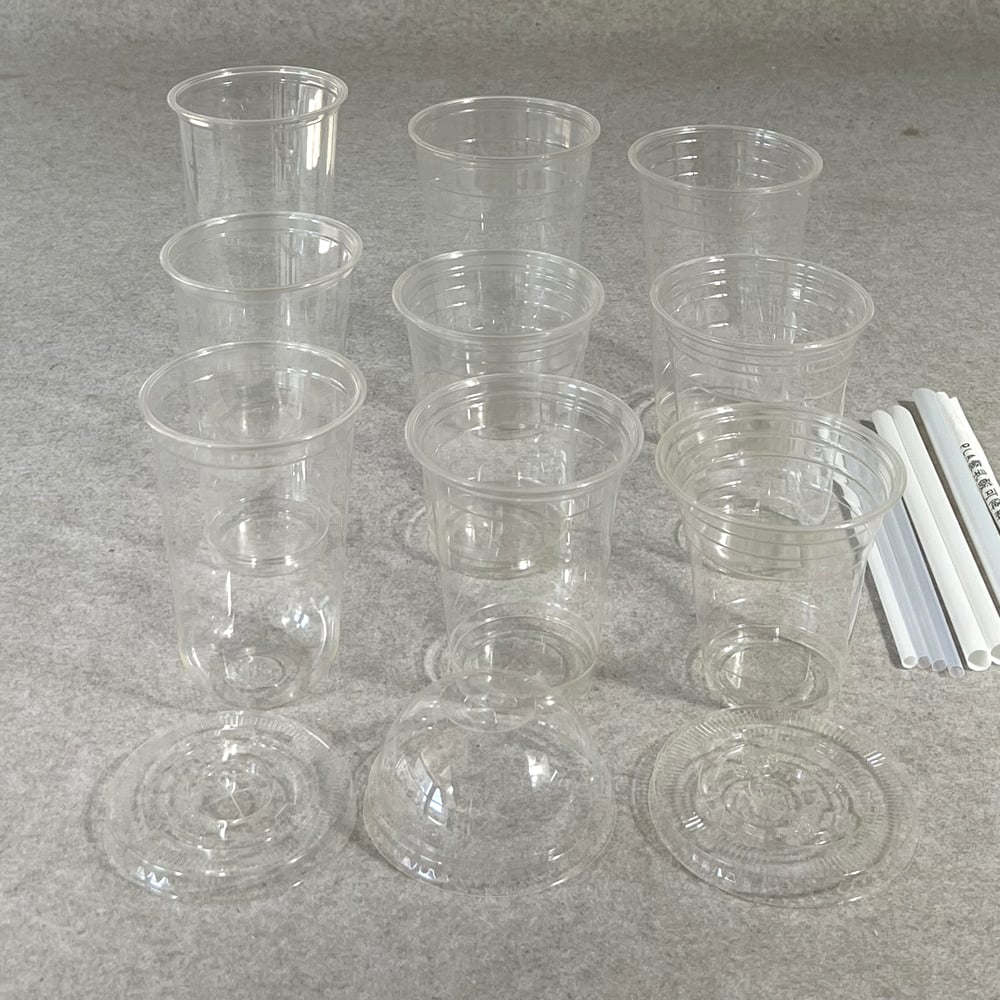
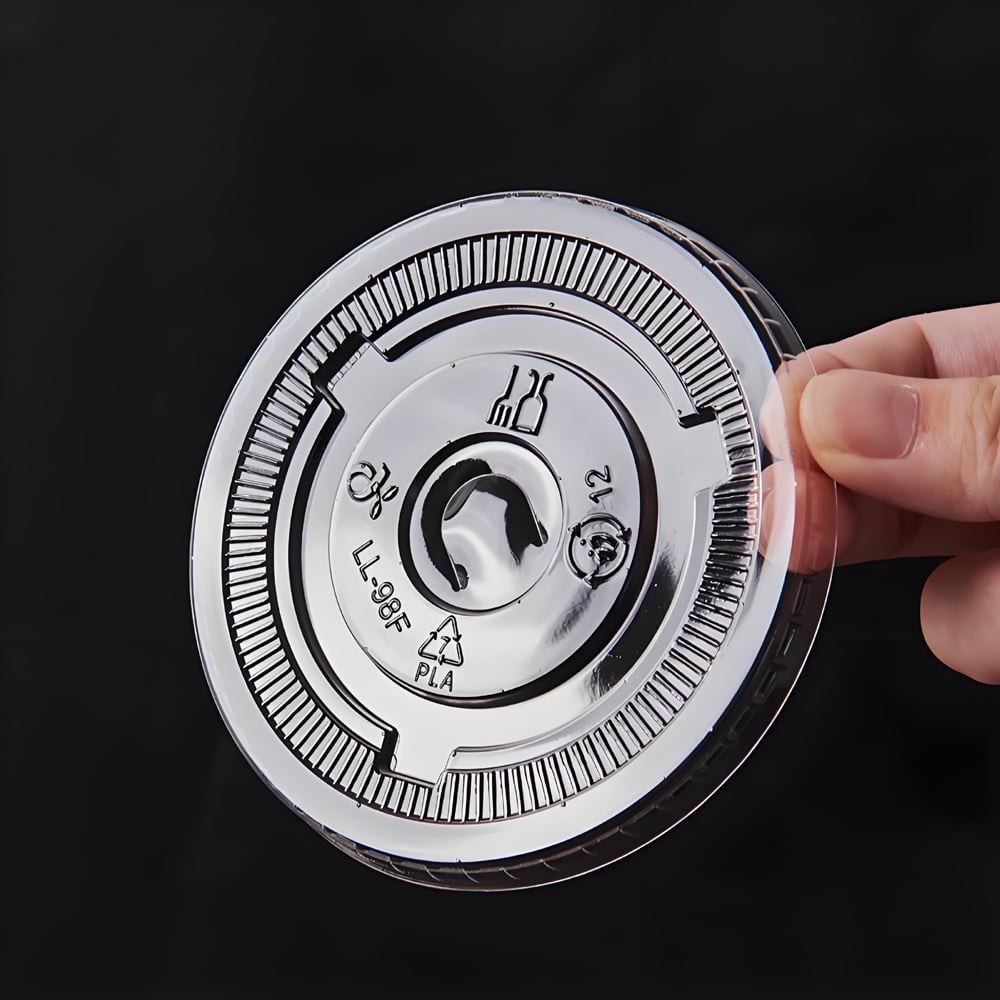
PLA transparent cold cup lids are designed mainly for cold beverage packaging systems that require both visual clarity and compostable positioning. In practice, they are most commonly matched with PLA clear cups, cold drink cups, juice cups, smoothie cups, dessert beverage cups, and selected ice cream cups. Compared with CPLA hot lids, PLA transparent lids belong to a different application logic: they are intended for cold-fill use, product visibility, and attractive drink presentation rather than for hot beverage service.
From a sourcing perspective, PLA cold lids are valued because they combine a clear plastic-like appearance with industrial compostable positioning. This makes them especially suitable for brands that want iced drinks, fruit beverages, layered beverages, or desserts to remain visually visible on shelf, at the takeaway counter, or in delivery presentation. However, buyers must keep the application boundary clear: PLA transparent lids are generally for cold use only and should be specified as part of a cold cup system, not as a universal lid solution.
What Are PLA Transparent Cold Lids?
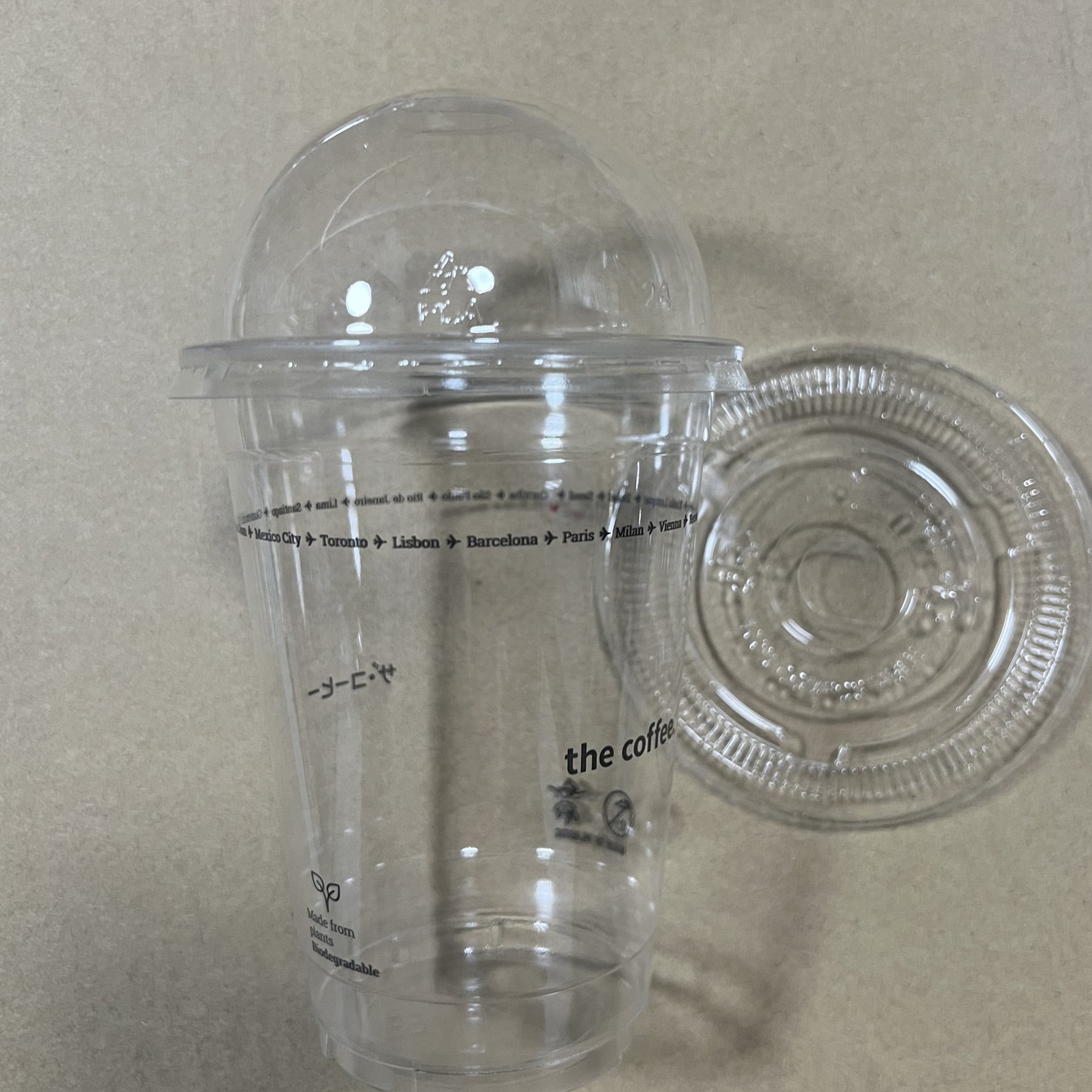
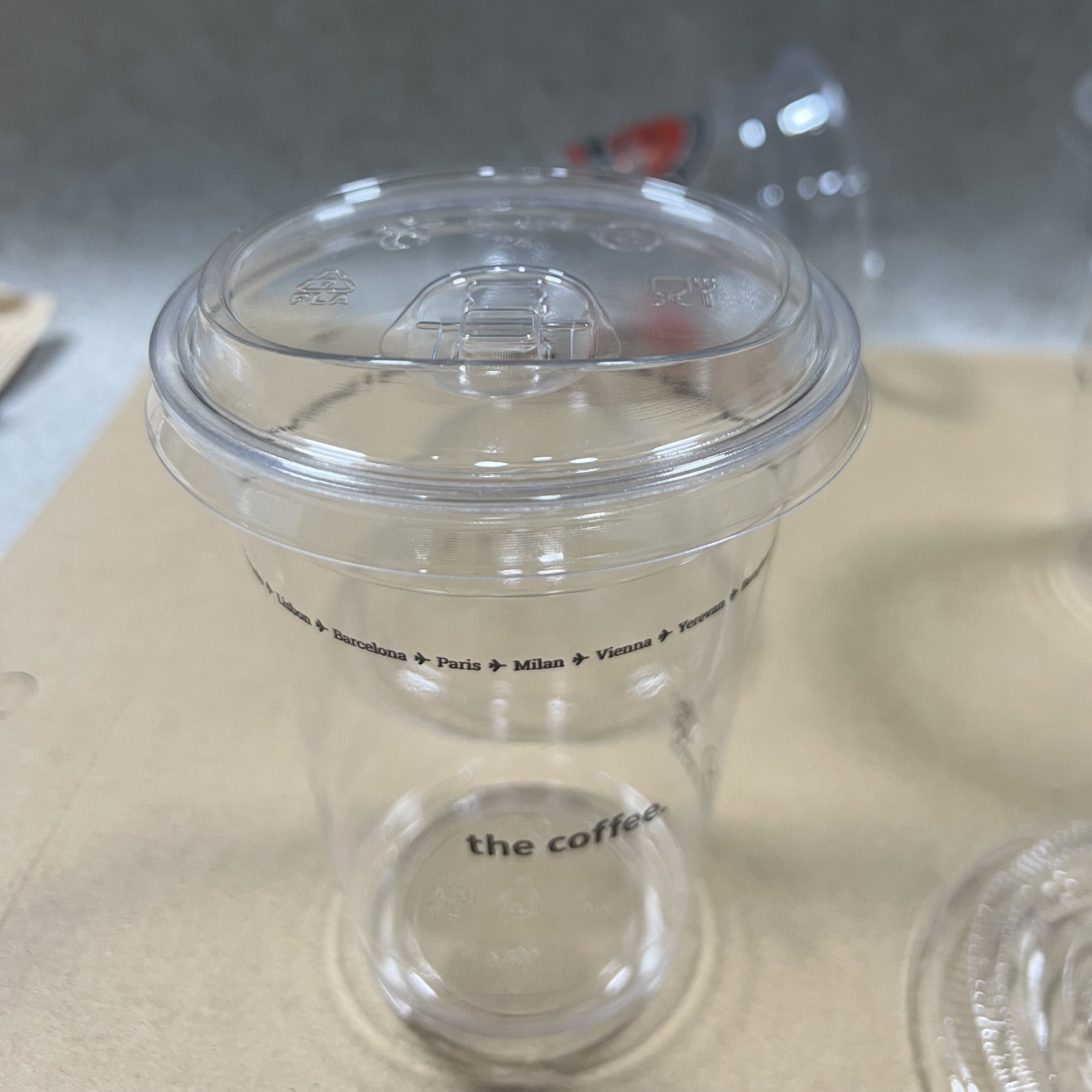
PLA transparent lids are made from polylactic acid and are typically used with clear PLA cups for iced drinks and cold foodservice packaging. They may appear as flat lids, dome lids, straw-slot lids, or lids designed for dessert and ice cream cup formats. Their key commercial function is to protect the product while preserving visibility, which is especially important for drinks or desserts where color, layering, toppings, or texture contribute to purchase appeal.
Because these lids are often sold together with PLA cold cups, many sourcing decisions treat them as part of one integrated cup-and-lid system. For this reason, buyers should evaluate lid fit, stacking performance, consumer use convenience, and the consistency of compostable claims across the full cold packaging set.
Why PLA Cold Lids Are Commercially Attractive
- High transparency: They allow the beverage or dessert to remain visible, which supports stronger product presentation.
- Good match with PLA clear cups: They integrate naturally into clear compostable cold cup systems.
- Suitable for cold beverage branding: They work well for iced coffee, juice, smoothies, milk tea, fruit drinks, and dessert cups.
- Industrial compostable positioning: They provide an alternative to conventional clear cold lids in compostable packaging programs.
- Strong retail and takeaway appeal: Clear lids help the product look more attractive in display and delivery contexts.
Typical Applications
- PLA transparent cold drink cups
- Iced coffee and cold brew cups
- Juice and smoothie cups
- Milk tea and fruit tea takeaway cups
- Ice cream cups and dessert cups
- Cold beverage programs that require strong visual presentation
 |  |
Limitations Buyers Should Understand
The main limitation of PLA transparent lids is application range. Their performance logic is tied to cold use. Buyers should not extend that use logic into hot beverage applications or high-heat service conditions. Compared with bagasse, paper, and CPLA lid systems, PLA transparent lids are generally more sensitive to storage temperature, transport conditions, and inventory environment.
- Cold-use only in normal sourcing practice: PLA transparent lids are not intended for hot coffee, hot tea, or high-temperature filling.
- Limited heat resistance: They are not suitable for high-temperature applications and should be kept away from heat exposure during use, storage, and transport.
- More demanding storage conditions: Compared with the other lid materials discussed above, PLA lids usually require stricter control of temperature, storage duration, and warehouse environment.
- More sensitive transport handling: In export and long-distance logistics, thermal protection may be needed to reduce heat-related deformation risk.
- Industrial compostability still requires proper claim control: Environmental positioning should be supported by valid documentation and correct labeling.
- System fit remains important: A clear lid only performs well when matched correctly to the intended cup rim and lid style.
What Buyers Should Check Before Ordering
Because PLA lids are usually specified as part of a cold cup system, buyers should focus on integrated fit, logistics control, and practical use rather than on the lid in isolation:
- Matching cup model: Confirm the lid is designed for the exact PLA cup or cold cup rim being used.
- Lid format: Check whether the application needs a flat lid, dome lid, straw-slot lid, cross-hole lid, or dessert cup lid.
- Cold-use conditions: Verify that the product is intended for cold-fill and cold-service programs only.
- Storage environment: Review warehouse temperature, storage period, and seasonal heat exposure risk before committing to volume orders.
- Transport protection: For sea shipment, summer logistics, or hot-climate destinations, check whether insulated liner bags or other thermal-protection packing solutions are required.
- Industrial compostability documentation: Review the relevant certificates, standards, or approved environmental claims.
- Food-contact compliance: Confirm the applicable safety documentation for the target market.
- Display and handling needs: Check stacking, clarity, lid retention, and user convenience in real takeaway or retail use.
Compostable PLA Clear Cups
Explore Bioleader’s compostable PLA clear cup range for cold drinks, juice, smoothies, milk tea, desserts, and takeaway beverage programs. Ideal for pairing with transparent PLA lids in complete cold cup packaging systems.
PLA Clear Cup Solutions
Learn more about Bioleader’s PLA clear cup solutions, including sizes, applications, material features, and matching lid options. A good fit for brands that need clear cold beverage presentation with compostable positioning.
How to Choose the Right Eco-Friendly Cup Lid for Different Beverage Programs
After comparing bagasse, paper, CPLA, and PLA lids separately, the next step is application-based selection. In real procurement, the most effective method is not to start from the material name, but from the beverage program itself: drink temperature, cup type, service format, delivery risk, brand image, and compliance needs. A lid that performs well in one scenario may fail in another, even if both are promoted as eco-friendly or compostable.
The decision table below is designed as a quick sourcing matrix. It helps buyers match the right lid type to the right beverage and business scenario before moving into detailed testing, certification review, and commercial negotiation.
| Beverage Program / Business Need | Recommended Lid Type | Selection Logic |
|---|---|---|
| Hot coffee and tea | Bagasse / Paper / CPLA | Prioritize heat resistance, sip comfort, lid fit, and hot-drink stability. |
| Iced drinks, juice, milk tea | PLA Transparent Lids | Best for cold-use systems, clear display, and consumer visual appeal. |
| Takeaway and delivery | Bagasse / CPLA / Selected Paper Lids | Focus on leak resistance, retention strength, transport vibration, and operating efficiency. |
| Premium eco-positioned brands | Bagasse / Paper | Better for natural material image, paper-based storytelling, and visible sustainability positioning. |
| Importers and distributors | CPLA / Standardized Paper / Selected PLA Systems | Prioritize diameter standardization, document completeness, supply stability, and resale flexibility. |
In practical terms, hot beverage programs usually favor bagasse, paper, or CPLA, while cold beverage systems usually favor PLA transparent lids. The more demanding the delivery, compliance, or inventory environment becomes, the more important fit accuracy, documentation, and logistics stability become in the final decision.
For Hot Coffee and Tea Programs
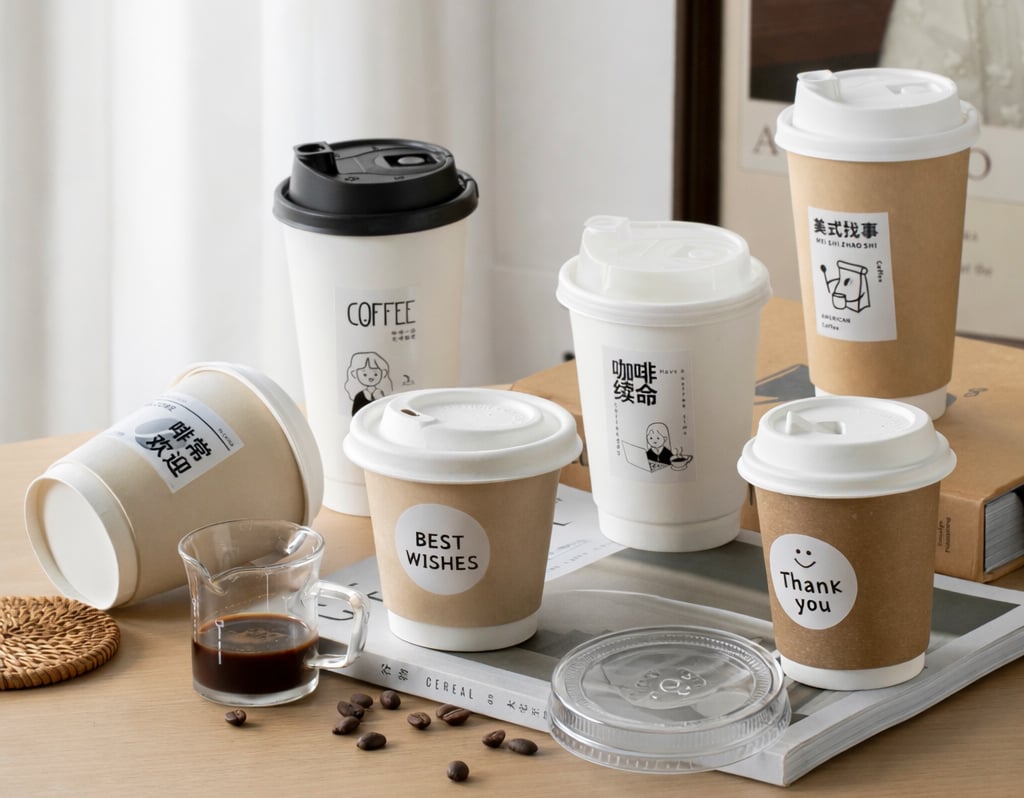
For hot coffee, hot tea, and similar takeaway beverage programs, the most suitable options are usually bagasse lids, paper lids, and CPLA lids. All three are more aligned with hot-drink service than standard PLA transparent cold lids. The final choice should be based on whether the buyer values natural appearance, premium paper presentation, or hot-drink standardization.
- Bagasse lids are suitable when a molded-fiber look and strong plastic-free appeal are important.
- Paper lids work well when hot beverage packaging also needs strong branding, print harmony, or paper-based presentation.
- CPLA lids are suitable when the priority is standardized, industrially compostable hot-drink performance.
In all hot-drink programs, buyers should focus on heat resistance, sip opening design, leak control, lid retention, and cup-rim stability under real filling and takeaway conditions.
For Iced Drinks, Juice, and Milk Tea
For iced coffee, juice, smoothies, fruit tea, and milk tea programs, PLA transparent cold lids are usually the most suitable choice because they are designed for cold-use systems and provide strong visual presentation. Their clear appearance supports drink visibility, color display, topping visibility, and better retail or takeaway appeal.
In some brand concepts, selected paper lid formats may also be evaluated, especially if the packaging strategy strongly emphasizes a paper-based look. Even so, for most cold beverage programs, buyers should focus first on transparency, condensation performance, lid format, cup fit, and display value rather than on general material claims alone.
For Takeaway and Delivery Operations
In takeaway and delivery use, lid selection should be based not only on environmental positioning but also on operational reliability. A lid can look sustainable and still fail commercially if it leaks during transport, loosens under movement, or creates a poor drinking experience after delivery.
- Check whether the lid remains stable under transport vibration and handling pressure.
- Evaluate leak resistance in real takeaway conditions, not only in static product samples.
- Review whether the sip opening or straw opening affects customer convenience.
- Confirm that the lid can be applied efficiently in store operations without slowing service speed.
In delivery-heavy programs, the best lid is usually the one that combines fit accuracy, handling efficiency, and user comfort with the required sustainability claim.
For Premium Eco-Positioned Brands
Brands that want packaging to visibly communicate sustainability usually benefit most from bagasse lids or paper lids. These materials often create a stronger eco-conscious impression because consumers can see and feel the material difference more directly. In visual terms, they usually carry more natural brand value than bioplastic lids.
CPLA lids are more functional and industrial in appearance, but they remain a strong option when compostable positioning and hot-drink stability matter more than natural aesthetics. PLA transparent lids are most effective when brand value comes from clear drink display, color visibility, and cold beverage presentation rather than from a molded-fiber or paper look.
For Importers and Distributors
For importers, wholesalers, and distributors, the sourcing logic is broader than material choice alone. The most important question is whether the lid can be stocked, matched, documented, and supplied consistently across multiple customer programs and market requirements.
- Prioritize standardized diameters and cup compatibility to improve inventory flexibility.
- Review the matching cup range so one lid platform can support multiple cup programs where possible.
- Check the completeness of certification and compliance files, especially for compostability and food-contact claims.
- Evaluate long-term supply stability, not only short-term pricing.
- Confirm that environmental wording and regulatory claims are safe for the destination market.
For this buyer group, the most effective lid is usually the one that balances commercial repeatability, document clarity, application flexibility, and manageable risk in export or resale channels.
Common Mistakes Buyers Make When Sourcing Eco-Friendly Cup Lids
In sustainable packaging procurement, material names alone do not guarantee a correct buying decision. Many sourcing mistakes happen because buyers focus too much on front-end claims such as “eco-friendly,” “plastic-free,” or “compostable,” while paying too little attention to application fit, technical structure, and end-market compliance. In practice, cup lids are a small component with a high operational impact. If the lid is wrongly selected, the result can be leakage, poor customer experience, claim risk, and avoidable cost.
The most common sourcing errors are not usually caused by lack of good intention, but by oversimplification. Buyers often assume that one green-looking lid can work across all drink systems, or that a material claim automatically means better functionality. The mistakes below are among the most frequent in real beverage packaging projects.
Mistake 1: Treating All “Eco-Friendly” Lids as the Same
This is one of the most common procurement errors. Bagasse lids, paper lids, CPLA lids, and PLA transparent lids may all be promoted under the same broad sustainability language, but they do not perform the same way. They differ in heat resistance, appearance, cup compatibility, compostability positioning, logistics sensitivity, and commercial use logic.
For example, bagasse and paper lids often support stronger natural material branding, CPLA is more suitable for industrially compostable hot beverage systems, and PLA transparent lids are designed mainly for cold-use display packaging. Treating them as interchangeable can lead to misaligned sourcing decisions from the start.
Mistake 2: Using Cold-Drink PLA Lids for Hot Beverage Applications
This is one of the clearest technical mistakes. PLA transparent cold lids are designed mainly for cold beverage systems and should not be treated as general-purpose lids. Their performance logic is different from that of bagasse lids, paper lids, or CPLA hot lids.
When a PLA cold lid is incorrectly used for hot coffee, hot tea, or high-temperature filling, the risk is not only reduced lid performance, but also packaging failure, customer dissatisfaction, and avoidable commercial loss. Buyers should keep the hot-use and cold-use boundary very clear in both product selection and internal purchasing specifications.
Mistake 3: Focusing on Material Claims but Ignoring Fit and Function
A lid can have a strong sustainability story and still perform poorly in real use. If the lid does not match the cup rim correctly, leaks during transport, or creates an uncomfortable sip experience, the packaging program will fail operationally even if the material claim looks attractive on paper.
For this reason, buyers should never evaluate a cup lid by material claim alone. Lid retention, compression fit, leak resistance, drinking opening design, and application efficiency are all part of the actual commercial value. In beverage packaging, function is not secondary to sustainability; it is part of sustainability because a failed lid creates waste, complaints, and replacement cost.
Mistake 4: Assuming Paper Lids Are Automatically Plastic-Free or Compostable
Paper lids often create a strong paper-based impression, but buyers should not assume that visual appearance fully explains material structure. Paper lids can differ significantly depending on whether they use white paperboard or kraft paper, and more importantly, whether they rely on lamination or coating for barrier performance.
As a result, a paper lid may not automatically be plastic-free, compostable, or suitable for every market claim. The correct approach is to review the actual barrier structure, compliance basis, and environmental wording before confirming how the product should be presented in sales material, artwork, or customer communication.
Mistake 5: Choosing Based Only on Unit Cost
Unit price matters, but it is not the only meaningful cost in lid sourcing. A cheaper lid may look competitive at quotation stage, yet become more expensive in practice if it causes poor fit, higher complaint rates, higher replacement cost, weak environmental positioning, or documentation problems in the destination market.
A more complete cost review should consider the following factors:
- Failure rate in actual use: Poor lid fit or deformation can increase packaging loss.
- Customer complaint risk: Leakage, poor sip comfort, or weak lid retention directly affect user satisfaction.
- Brand image impact: The wrong lid can weaken the intended sustainability message or packaging quality impression.
- Regulatory and claim risk: Unsupported compostable or eco claims may create compliance problems in some markets.
- Supply consistency: A low-priced lid with unstable supply or incomplete documents may create broader commercial risk later.
For serious buyers, the real question is not which lid is cheapest per piece, but which lid creates the lowest total risk and the best commercial fit over time.
Final Sourcing Advice: There Is No Single “Best” Eco-Friendly Cup Lid
After reviewing bagasse lids, paper lids, CPLA lids, and PLA transparent cold lids, one conclusion becomes clear: there is no single lid that is objectively best in every beverage program. Each material category solves a different commercial problem. The real sourcing task is not to find the most sustainable-looking lid in abstract terms, but to select the lid that best matches beverage temperature, cup system, consumer expectations, environmental claims, and operational reality.
For buyers, this means that lid selection should always be application-led. A material that performs very well in one packaging system may be the wrong choice in another. The most reliable procurement decision is therefore based on fit, function, compliance, and brand alignment together, rather than on broad eco language alone.
Choose Bagasse Lids for Natural Fiber Appeal in Hot Drink Programs
Choose bagasse lids when the priority is a molded-fiber look, a strong plastic-free appearance, and a more visible connection to natural-material sustainability. They are especially suitable for hot drink takeaway systems, eco-positioned cafés, and brands that want packaging to look immediately different from conventional plastic lids.
Their greatest value is not only functional use in hot beverage service, but also strong visual sustainability signaling. For buyers who want packaging to communicate a natural, compostable, fiber-based identity, bagasse lids are often one of the strongest choices.
Choose Paper Lids for Branding, Visual Consistency, and Paper-Based Packaging Systems
Choose paper lids when branding, printed packaging harmony, and a paper-based design language matter most. They are especially effective in coffee, tea, bakery, and selected soup cup programs where buyers want the lid to visually align with the paper cup or bowl system.
However, paper lids should always be selected with attention to paper grade, barrier structure, and application requirement. White paperboard, kraft paper, laminated structures, and coated structures can differ significantly in both performance and environmental positioning.
Choose CPLA Lids for Heat Resistance, Standardization, and Industrial Compostable Hot Drink Use
Choose CPLA lids when the priority is heat suitability, standardized commercial performance, and industrial compostable positioning for hot beverage systems. They are especially useful in coffee chains, organized foodservice programs, and procurement environments where consistency, compliance, and repeatability are critical.
Among the four main lid types discussed in this guide, CPLA often provides one of the clearest industrial compostable solutions for hot drink packaging, provided that certification, labeling, and food-contact compliance are properly verified.
Choose PLA Transparent Cold Lids for Clear Presentation in Iced Beverage Systems
Choose PLA transparent cold lids when the need is clear presentation, cold-use performance, and compatibility with PLA clear cup systems. They are best suited to iced coffee, juice, smoothies, fruit drinks, dessert beverages, and ice cream cup applications where product visibility directly supports sales appeal.
At the same time, buyers should keep their application limits clear. PLA transparent lids are not intended for hot beverage service and usually require stricter attention to storage, transport temperature, and logistics protection than bagasse, paper, or CPLA lid systems.
The Most Reliable Buying Logic
In practical sourcing, the most reliable buying logic is simple:
- Start with the beverage temperature.
- Confirm the cup system and lid fit.
- Check the required consumer experience and brand image.
- Verify compostability, environmental claims, and food-contact compliance.
- Review storage, transport, and long-term supply stability.
When these five points are reviewed together, the right lid usually becomes much clearer.