









Eco-Friendly Food Packaging: Quick Buyer Summary
Eco-friendly food packaging is no longer just a marketing choice. For restaurants, cafés, takeaway chains, supermarkets, food brands, distributors and importers, it is now part of customer experience, regulatory preparation, brand positioning and long-term procurement strategy.
The strongest packaging decision is not simply choosing a product that looks “green”. Buyers need to confirm whether the packaging is food-safe, strong enough for real service conditions, suitable for hot or cold food, cost-effective in bulk supply and aligned with local recycling or composting systems.
- Eco-friendly packaging helps reduce plastic waste and supports better material use.
- Food businesses can improve brand trust by switching to paper, bagasse and fiber-based packaging.
- Packaging selection should match product type, food temperature, oil level, moisture and delivery conditions.
- For B2B buyers, total value should include compliance, carton packing, shipping efficiency and customer acceptance.
Introduction: Eco-Friendly Packaging Is Now A Business Decision
Eco-friendly packaging has moved from a niche sustainability topic to a practical business requirement. Foodservice brands, restaurants, cafés, meal-prep companies, supermarkets and packaging distributors are under increasing pressure to reduce unnecessary plastic, improve packaging responsibility and meet customer expectations.
For modern food businesses, packaging is not only a container. It protects the food, communicates the brand, affects delivery performance, influences customer perception and may also impact compliance in the target market. This is why many buyers are replacing conventional single-use plastic packaging with paper-based, fiber-based, recyclable or compostable alternatives.
Businesses sourcing sugarcane bagasse tableware, paper cups, paper bowls, food containers and other sustainable packaging should evaluate both environmental value and real product performance before making a bulk purchasing decision.
Why Eco-Friendly Food Packaging Matters For Modern Brands
Traditional single-use plastic packaging can create long-term waste challenges, especially when it is difficult to recycle or contaminated with food residue. In the foodservice industry, this problem becomes more visible because takeaway meals, drinks, salads, bakery products and delivery orders generate packaging waste every day.
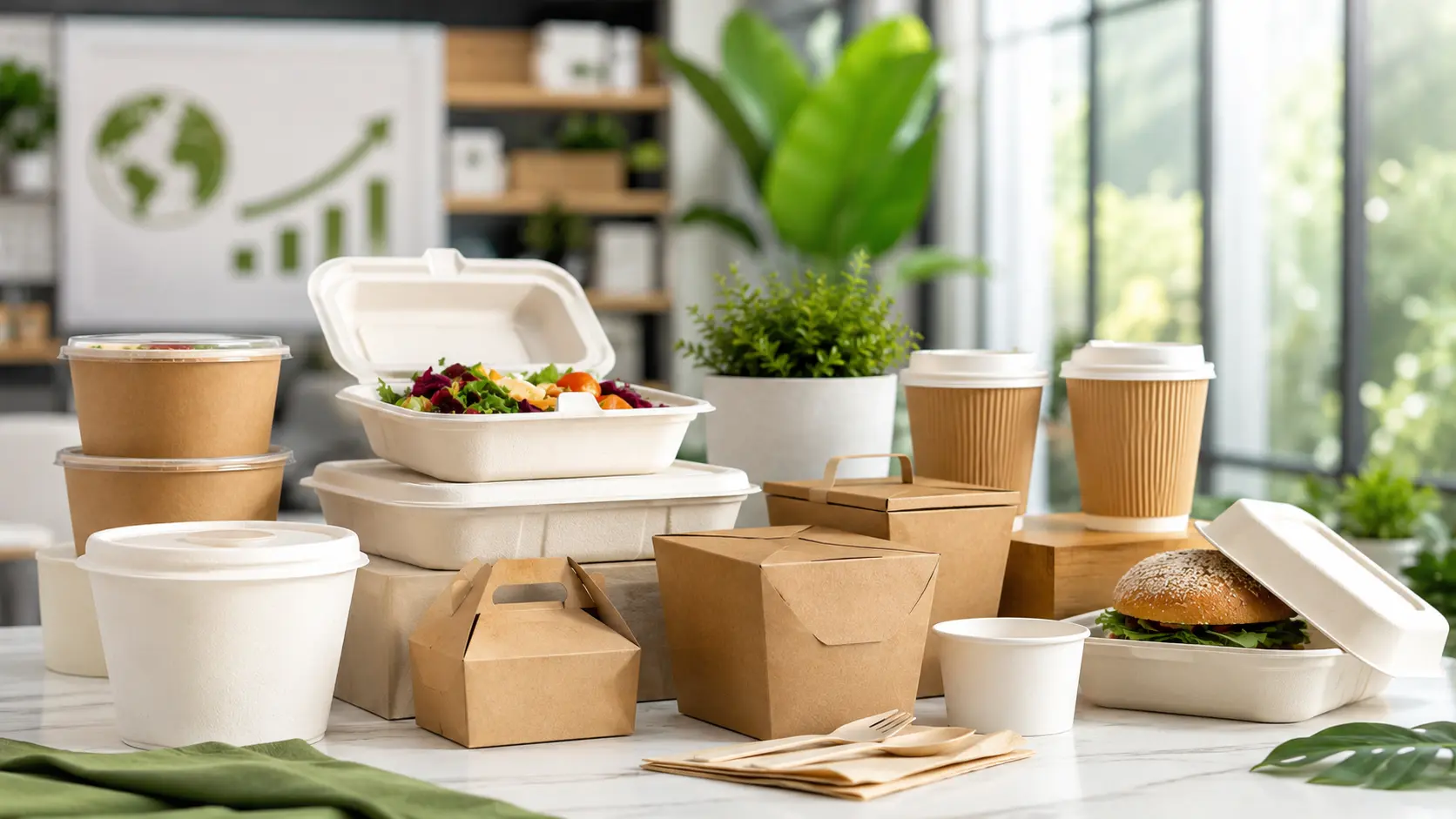
Eco-friendly food packaging gives brands a more responsible way to serve customers while still protecting the product. Depending on the application, businesses may use molded fiber containers, kraft paper packaging, paper cups, paper bowls, compostable trays, recyclable cartons or other lower-impact packaging formats.
The key is application fit. A hot soup bowl, a salad bowl, a coffee cup, a burger box and a dry bakery carton do not need the same structure. Good packaging sourcing should connect sustainability, food safety, performance, cost and supply stability into one decision.
Manufacturer Perspective: What Bioleader® Recommends Before Switching Packaging
From a manufacturer perspective, eco-friendly packaging should be selected according to the buyer’s real food application. Bioleader® normally recommends checking product type, food temperature, oil and moisture level, holding time, lid requirement, printing needs, carton packing and target market requirements before confirming the final packaging solution.
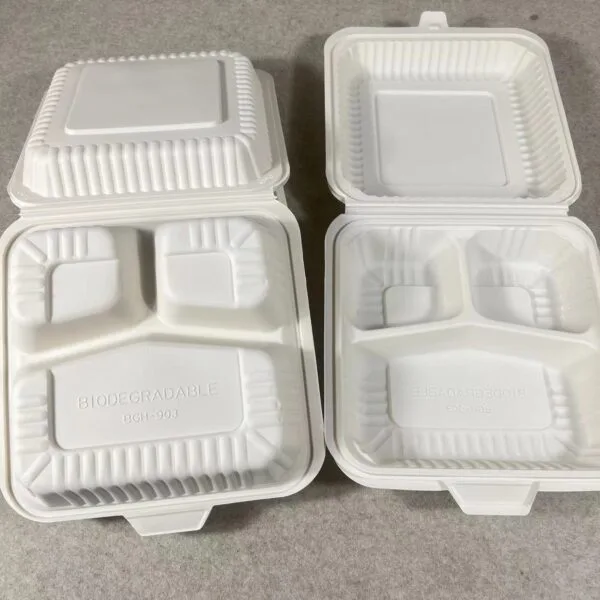
For example, takeaway restaurants may use bagasse clamshell boxes and trays for hot meals. Coffee brands may choose paper cups for hot or cold drinks. Salad shops, noodle restaurants and meal-prep brands may use paper bowls for ready-to-eat food.
Bioleader® does not treat eco-friendly packaging as a slogan. The right product should match the customer’s food, service model, market, order quantity and logistics route. This is the only way to turn sustainable packaging into a repeatable B2B supply solution.
1. Reduce Waste And Pollution
One of the most important business benefits of eco-friendly packaging is waste reduction. Food packaging is consumed in large volumes, so even a small material change can create a meaningful impact when restaurants, cafés, supermarkets and foodservice distributors apply it across daily operations.
Paper-based packaging, molded fiber, kraft paper, corrugated board and sugarcane bagasse are widely used in food packaging because they can reduce reliance on conventional plastic in many applications. These materials can also support a more natural and responsible brand image.
For flexible packaging applications, such as custom mylar bags, buyers should also consider material structure, barrier performance, recyclability and local disposal options. The goal is not to label every package as sustainable, but to choose the most practical material for the product and market.
2. Meet Customer Expectations
Customers increasingly expect food brands to make better packaging choices. When a customer receives coffee in a paper cup, salad in a paper bowl or takeaway meals in a molded fiber container, the packaging immediately influences how they view the brand.
Eco-friendly packaging can help brands show responsibility without adding long explanations. A natural-looking fiber package, clean kraft surface or compostable food container can communicate a clearer environmental message at the point of use.
However, customers still expect the packaging to work properly. If the package leaks, softens too quickly, deforms during delivery or feels weak in hand, the sustainability message loses value. Therefore, performance must always be part of the selection process.
3. Improve Brand Identity And Market Positioning
Eco-friendly packaging can help a brand stand out in a crowded market. Natural materials such as kraft paper, molded fiber and sugarcane bagasse often create a cleaner, warmer and more responsible visual impression than conventional plastic packaging.
For B2B buyers, sustainable packaging also supports retailer requirements, corporate ESG programs, restaurant chain standards and distributor product positioning. A packaging upgrade can help the brand look more modern, more responsible and more prepared for future market expectations.
- It helps communicate environmental responsibility.
- It supports stronger customer trust and loyalty.
- It improves product presentation for takeaway and delivery.
- It helps businesses prepare for changing packaging regulations.
- It gives distributors a stronger product story for wholesale customers.
4. Support Compliance And Long-Term Risk Management
Many markets are becoming stricter about single-use plastics, food-contact materials, compostability claims, recyclability claims and packaging waste responsibility. This makes packaging compliance an important sourcing topic for importers, distributors and foodservice chains.
Eco-friendly packaging should not only look sustainable. It should also be supported by proper product specifications, material information, food-contact documents and clear application guidance where relevant.
For B2B purchasing, this reduces risk. Buyers can better prepare for customer audits, retailer inquiries, customs clearance, product launches and future regulatory changes when the packaging supplier can provide stable product information and documentation support.
5. Create Long-Term Cost Value
Eco-friendly packaging may not always be the lowest-cost option at the first purchasing stage. However, it can create long-term value through stronger brand reputation, better customer acceptance, lower regulatory risk and more competitive product positioning.
For bulk buyers, cost should not be measured only by unit price. Carton packing, loading quantity, storage space, product damage rate, delivery performance and customer complaints also affect the real cost of packaging.
A well-selected paper bowl, bagasse container or paper cup can help a food business improve both product presentation and supply chain efficiency. This is especially important for importers and distributors who need repeatable quality across regular orders.
6. Provide Reliable Product Protection
Eco-friendly packaging still needs to protect the food. For foodservice applications, this means resistance to heat, oil, moisture, pressure, leakage, stacking and delivery handling.
Bagasse containers can be suitable for many takeaway meals, plates, trays and clamshell boxes. Paper bowls can be used for salads, soups, noodles, rice bowls and prepared foods depending on coating and structure. Paper cups can support hot or cold beverages when the right material and lid combination is selected.
The practical sourcing question is not “Which material is the most eco-friendly?” but “Which material can safely and consistently handle this food application in the target market?”
Eco-Friendly Packaging Material Comparison
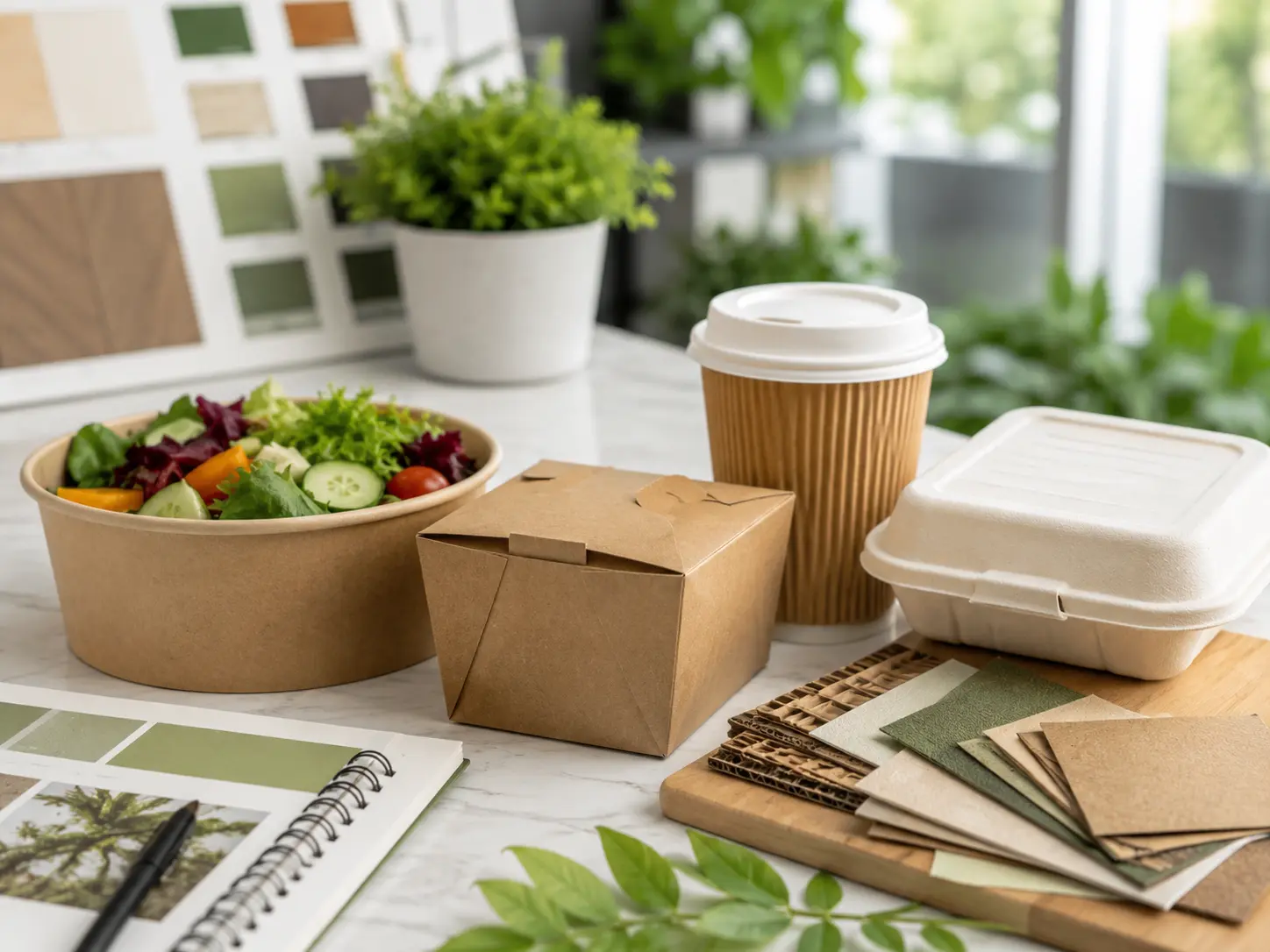
Different packaging materials are suitable for different foodservice applications. Buyers should compare the product function, sustainability claim, cost and market requirements together.
| Material Type | Common Applications | Main Business Value | Buyer Consideration |
|---|---|---|---|
| Sugarcane Bagasse | Plates, bowls, trays, clamshell boxes and food containers | Compostable fiber-based appearance and suitable for many takeaway meals | Check oil resistance, moisture resistance, heat use and lid fit |
| Paper Cups | Coffee, tea, juice, cold drinks and takeaway beverages | Lightweight, printable and suitable for foodservice branding | Coating selection affects recyclability, compostability and drink performance |
| Paper Bowls | Salads, soups, noodles, rice bowls and prepared meals | Strong presentation value and flexible foodservice use | Confirm coating, lid matching, size, capacity and holding time |
| Kraft Paper Packaging | Bakery boxes, cartons, takeaway boxes and dry food packaging | Natural look, strong branding value and broad packaging use | May need barrier coating for wet, oily or sauced food |
How Buyers Should Evaluate Eco-Friendly Packaging Before Bulk Ordering
Before switching packaging, buyers should test the product in real usage conditions. A sample that looks good in photos may still fail if it is used for hot, oily, wet or long-delivery food applications.
- Confirm the food type, temperature, oil level, moisture level and holding time.
- Select the suitable material, structure, coating and lid option.
- Test samples with representative food, not only with water or empty packaging.
- Check hand feel, stacking, lid closure, leakage resistance and delivery handling.
- Review carton packing, pieces per carton, loading quantity and export protection.
- Request product specifications and relevant food-contact documentation where needed.
- Confirm whether the approved sample matches the intended bulk production standard.
This workflow helps buyers avoid treating eco-friendly packaging as a visual upgrade only. It turns packaging selection into a practical procurement control process.
Future Trends In Eco-Friendly Packaging
The packaging industry is moving toward better material design, plastic reduction, fiber-based formats, cleaner printing, more transparent sustainability claims and stronger documentation requirements.
Foodservice buyers should pay attention to several trends:
- More use of molded fiber and compostable food packaging.
- Stronger demand for plastic reduction in takeaway and delivery packaging.
- More careful separation between recyclable, compostable and biodegradable claims.
- Greater focus on food-contact safety and material traceability.
- More B2B buyers asking for specifications, certificates and export-ready documents.
For readers who want to explore the topic further, these external videos provide useful background on circular design and food packaging innovation:
Bioleader® Support For Eco-Friendly Food Packaging Buyers
Bioleader® supplies biodegradable and compostable food packaging for restaurants, foodservice distributors, takeaway brands, supermarkets, importers and private-label packaging projects. The product range includes sugarcane bagasse tableware, paper cups, paper bowls, food containers, trays, clamshell boxes and related sustainable packaging solutions.
For bulk buyers, Bioleader® can help review product application, material selection, size, lid matching, printing requirements, carton packing, order quantity and export shipment planning. The goal is to help buyers choose packaging that works in real foodservice conditions, not only on a product catalog page.
Learn more about Bioleader® sustainable packaging solutions: contact Bioleader® for bulk food packaging sourcing.
FAQ: Eco-Friendly Food Packaging
Is eco-friendly packaging always compostable?
No. Eco-friendly packaging can be recyclable, compostable, biodegradable, renewable, plastic-reduced or responsibly sourced. The correct claim depends on the material, structure, certification and local disposal system.
Which eco-friendly packaging is best for takeaway food?
It depends on the food type. Bagasse containers are often used for hot meals, trays, plates and clamshell boxes. Paper bowls are suitable for salads, soups, noodles and rice bowls. Paper cups are commonly used for beverages.
Can sustainable packaging protect food as well as plastic packaging?
Yes, if the material and structure are correctly selected. Food packaging should be tested against heat, oil, moisture, leakage, stacking, delivery handling and lid matching requirements.
What should B2B buyers check before ordering eco-friendly packaging?
Buyers should check material type, size, coating, lid compatibility, carton packing, MOQ, certificates, food-contact compliance, production lead time and the target market’s packaging regulations.
Is paper packaging always better than plastic packaging?
Not always. Paper packaging is a strong option for many foodservice uses, but the best material depends on food type, barrier requirement, shelf life, local recycling system and product safety needs.
How does Bioleader® help buyers choose suitable packaging?
Bioleader® helps buyers review food application, material choice, product size, coating, lid fit, carton packing, order quantity and export requirements before confirming a bulk packaging solution.
Conclusion: Sustainable Packaging Must Work In The Real Foodservice Market
Investing in eco-friendly food packaging can help businesses reduce waste, improve brand reputation, meet customer expectations and prepare for future packaging regulations. But the best solution is not simply the lowest-cost or most natural-looking option.
For B2B buyers, the right packaging should balance sustainability, food safety, product protection, customer experience, cost control and supply stability. When packaging selection is connected to real application needs, eco-friendly food packaging becomes a practical driver of long-term business value.