
How Long Does It Take for Paper and Cardboard to Decompose in the Ground or Landfill?
Paper and cardboard are widely used in packaging, shipping, and food service, but their environmental

Paper and cardboard are widely used in packaging, shipping, and food service, but their environmental

Disposable food containers are ubiquitous in modern life, but their environmental impact varies greatly depending
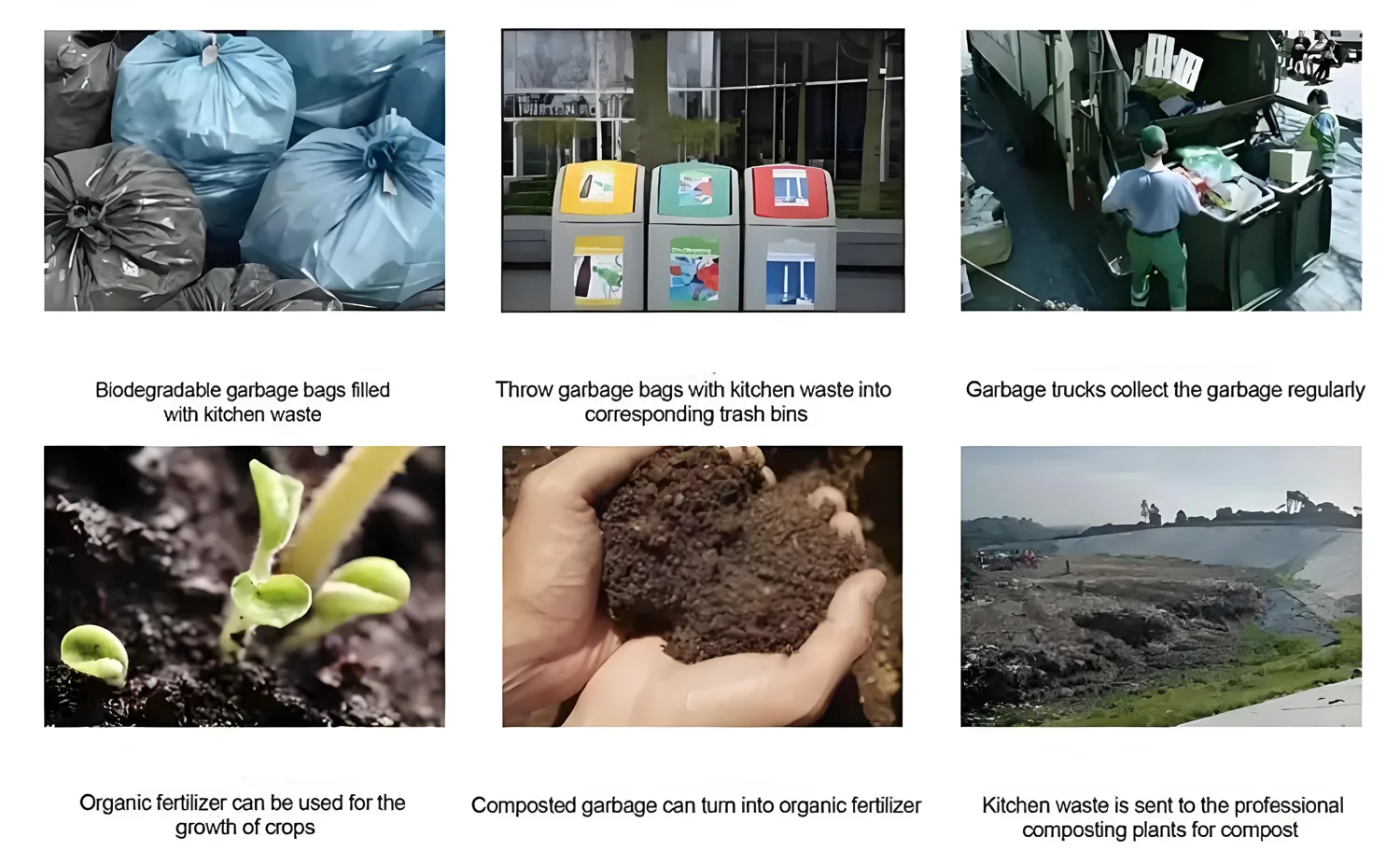
Takeout containers are everywhere and they have a significant environmental footprint. This blog investigates how
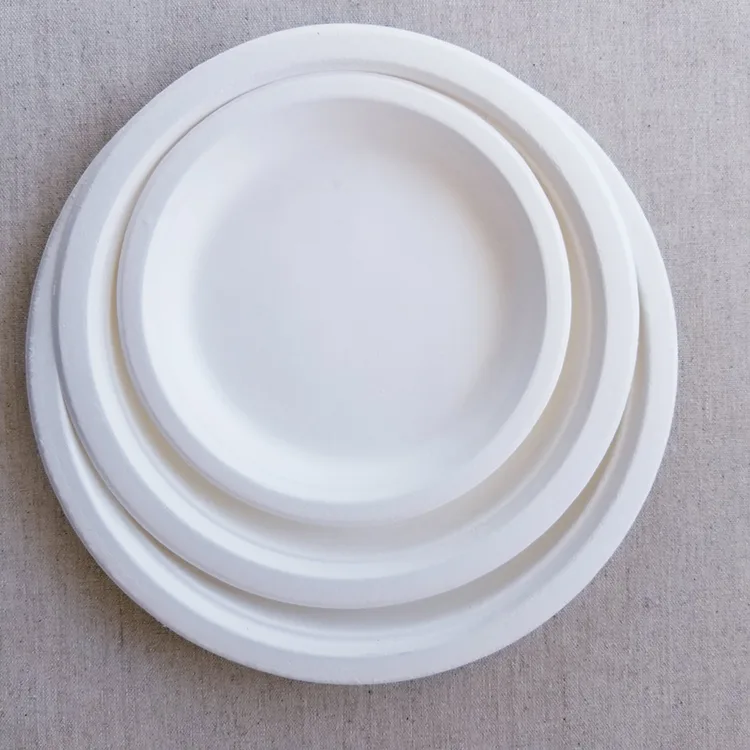
If you’re seeking the finest quality sugarcane plates that deliver both convenience and sustainability, Bioleader is your go-to choice. Our plates, crafted from the purest form of sugarcane bagasse, allow you to eliminate single-use plastic plates without sacrificing your convenience. By choosing Bioleader’s bagasse plates, you’re making a positive impact on the environment while enjoying a guilt-free dining experience.

The U.S.-China trade war initiated during Donald Trump’s presidency marked a pivotal moment in global
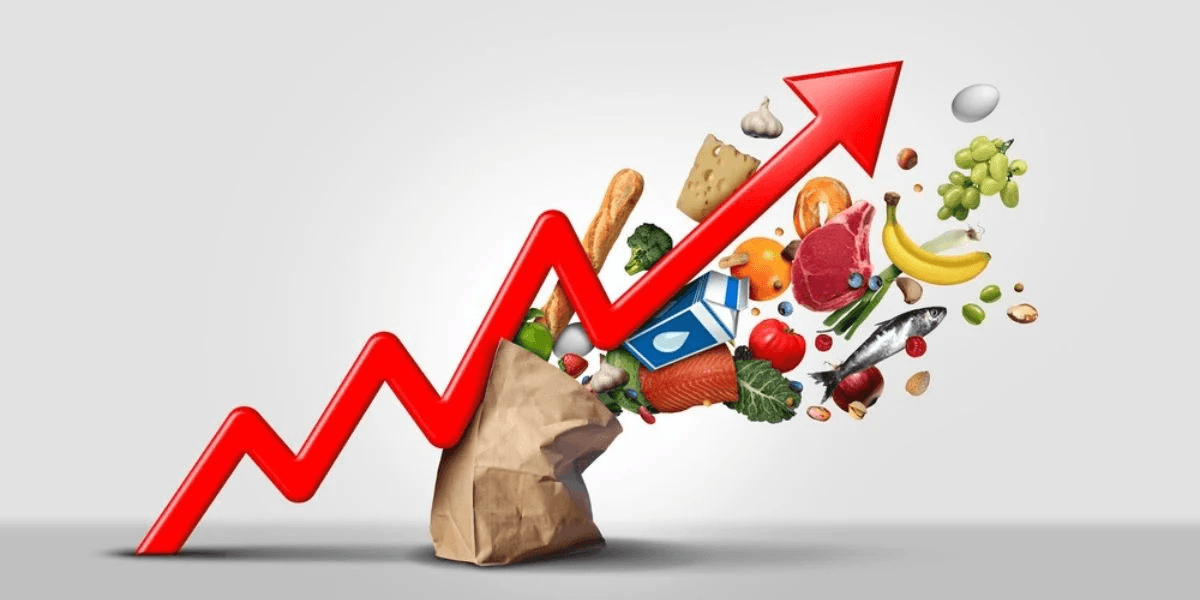
The Trump administration’s decision to impose high tariffs on Chinese goods was part of a
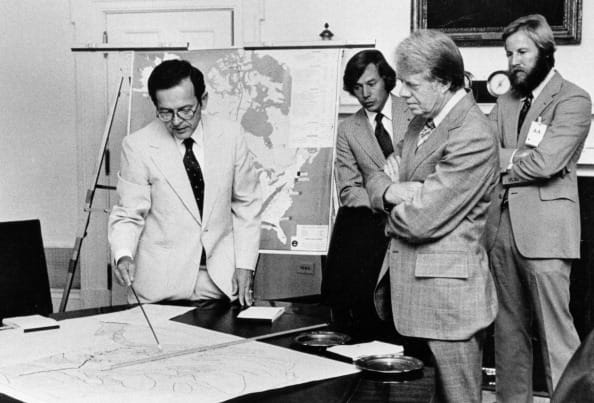
Jimmy Carter’s remarkable longevity is a testament to his resilience and health. Still, his continued

As consumers and businesses alike become more aware of the impact of plastic on the environment, the demand for sustainable packaging options continues to grow. Cornstarch packaging boxes, such as the Bioleader cornstarch clamshell box, represent a significant shift towards a cleaner, greener future.
With their biodegradable, compostable, and recyclable properties, cornstarch boxes provide an effective solution for businesses looking to reduce their environmental footprint. By making the transition to cornstarch packaging, your business can meet the growing demand for eco-friendly alternatives, attract environmentally conscious consumers, and contribute to a more sustainable planet.
Join the movement towards a plastic-free future today with Bioleader’s cornstarch clamshell boxes—an innovative, responsible choice for your packaging needs.
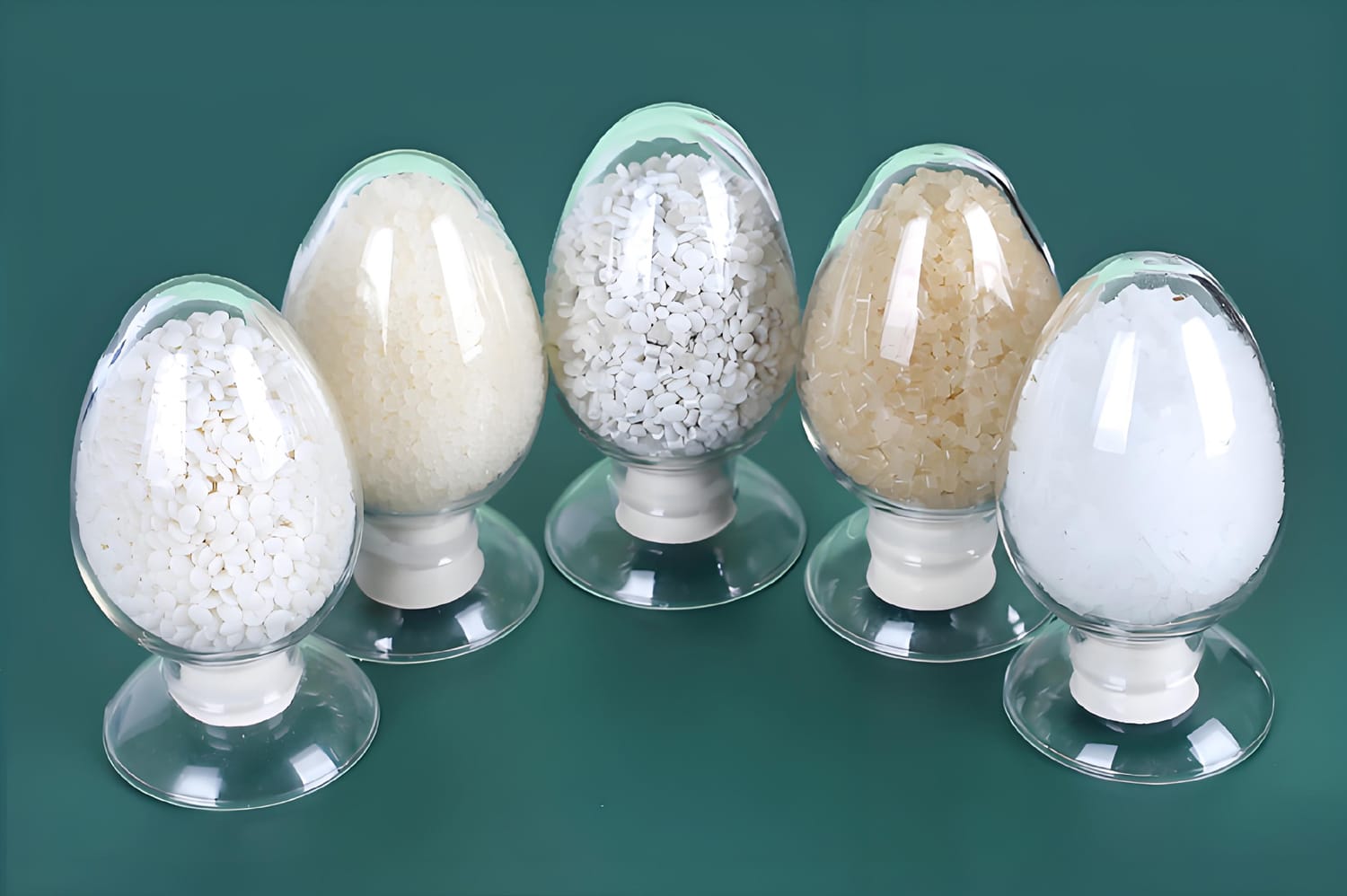
Introduction The world of 3D printing and sustainable food packaging thrives on Polylactic acid (PLA),
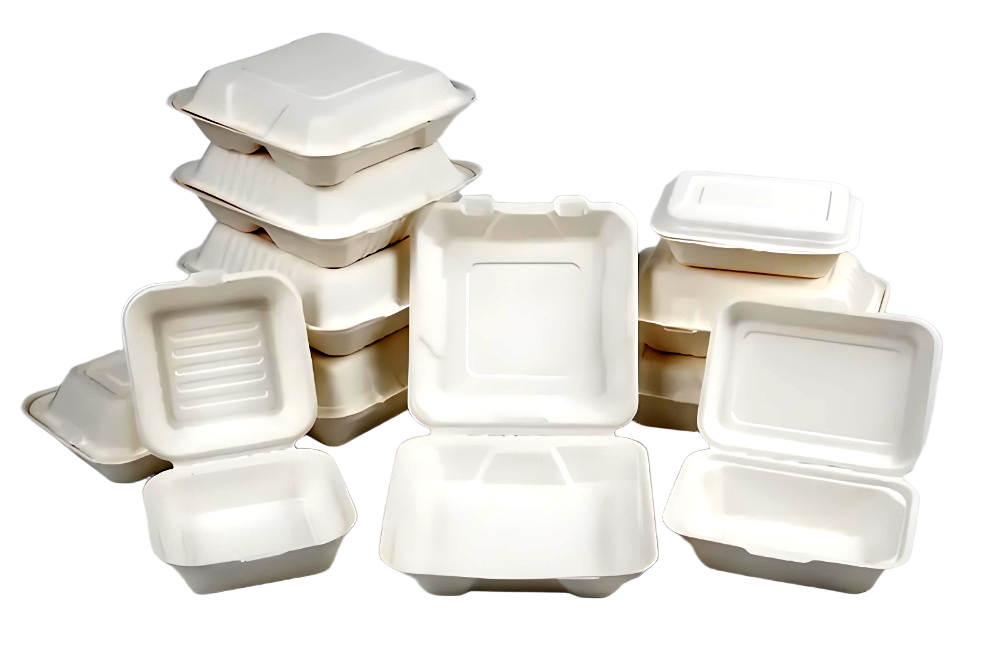
As environmental concerns continue to grow, there is increasing interest in eco-friendly alternatives to traditional
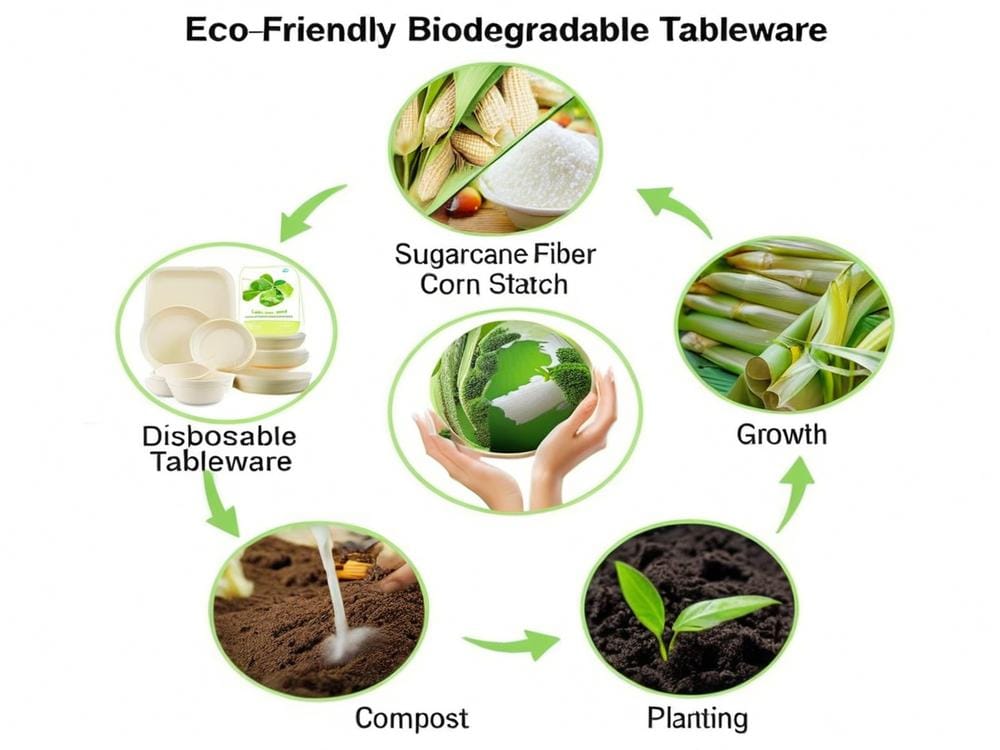
Biodegradable tableware, made from materials like sugarcane bagasse and cornstarch, decomposes naturally without harmful residues.

Square bagasse products are revolutionizing the packaging and tableware industry. Below is a deeper dive

As a Chinese molded pulp packaging manufacturers, the pulp molding process of the molded pulp packaging is mainly like: material, Pulp Refining and Cleaning, Molding, Drying, Trimming and Finishing. It’s a sustainable and eco-friendly alternative to traditional packaging materials like plastic or Styrofoam.
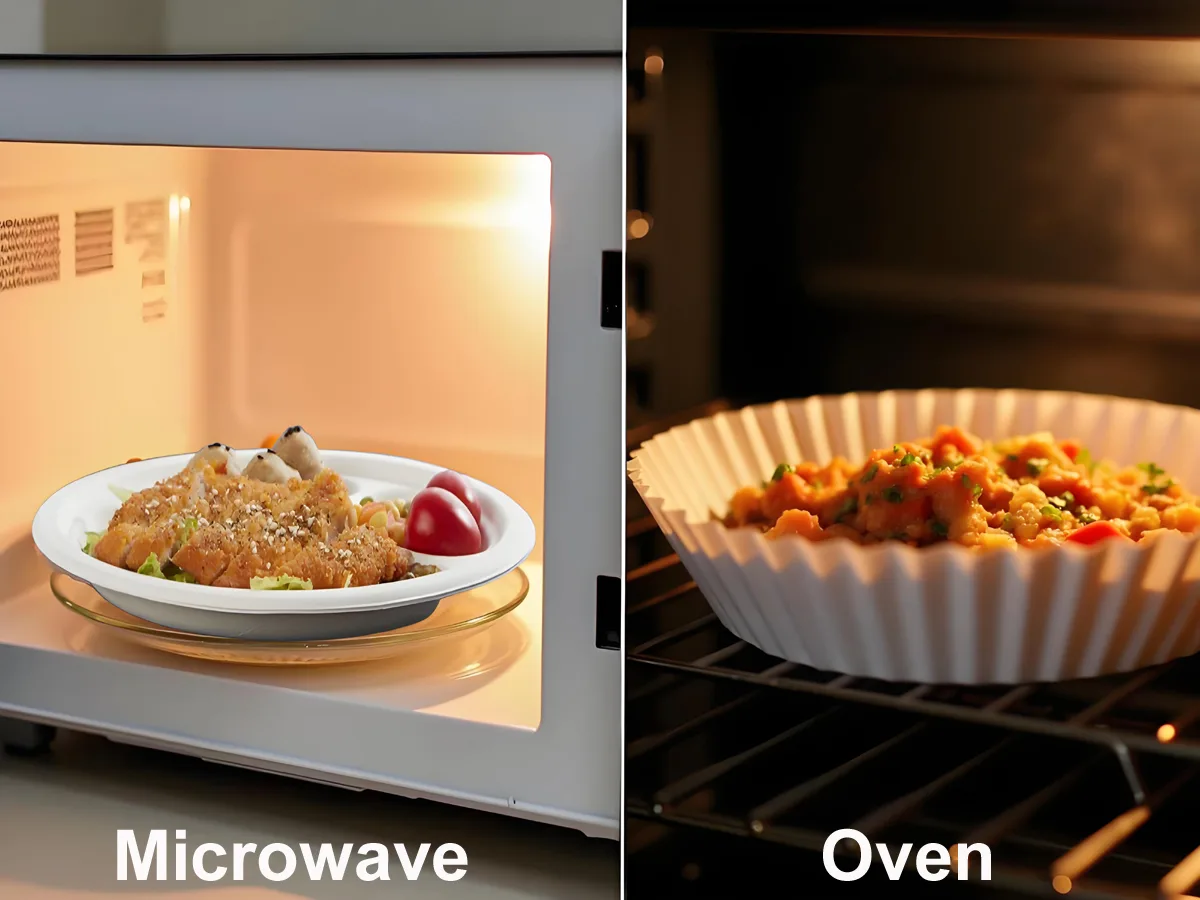
Introduction Disposable paper plates and dishes are a staple for picnics, parties, and busy households.
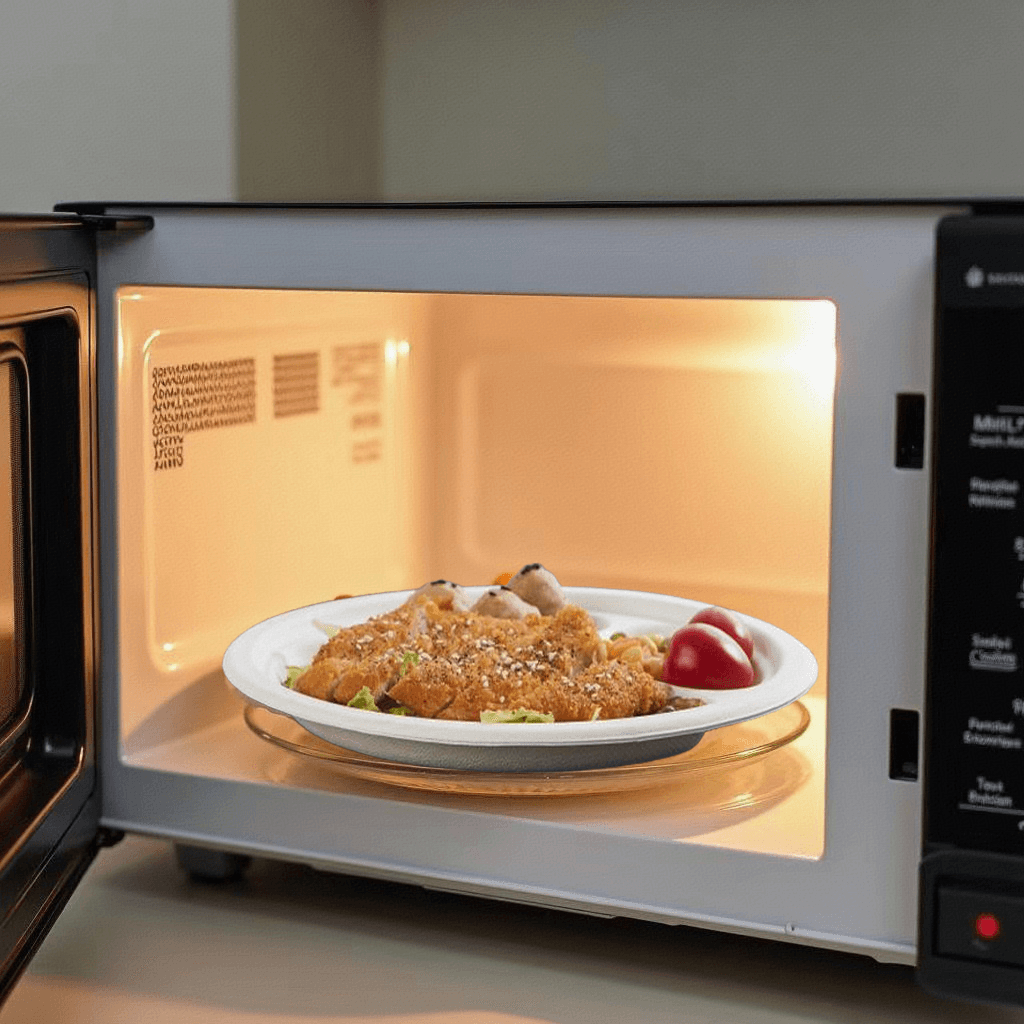
Sugarcane bagasse paper plates are a great choice for microwave use due to their natural heat resistance and eco-friendly properties. Just follow proper guidelines to ensure safe and effective reheating!
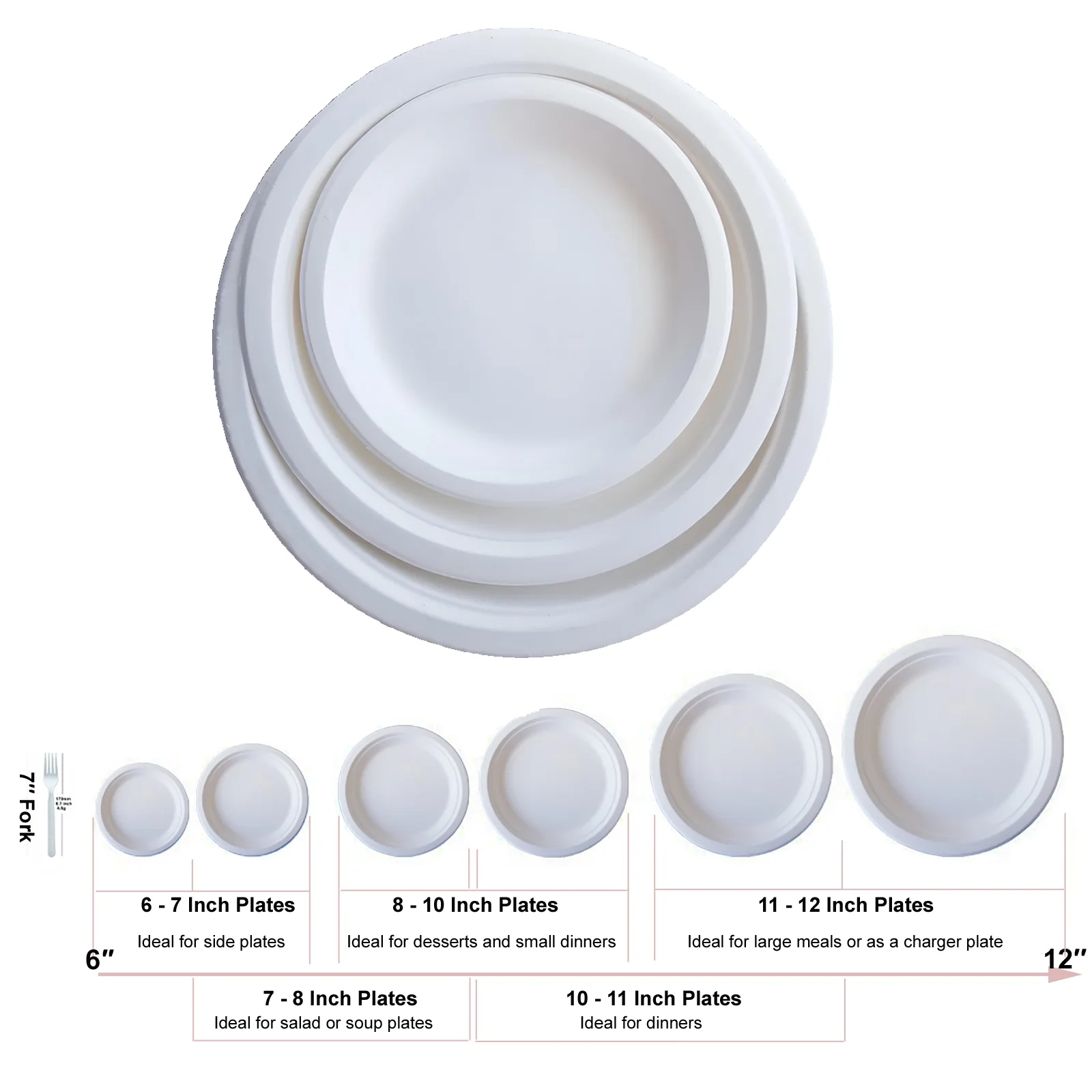
Explore a variety of standard disposable paper plate sizes in inches & cm: dinner plate, lunch plate, salad plate, cake snack plate, soup plate, serving plate or platter. Made with eco-friendly, biodegradable sugarcane bagasse for sustainable dining solutions.

Individually wrapped compostable cutlery sets offer eco-friendly, hygienic, and versatile solutions for various dining needs. With a range of customizable packaging options, businesses can cater to diverse customer preferences while promoting sustainability.

Explores the microwave safety of various restaurant takeout to go container materials, including plastic, paper, biodegradable options, and Styrofoam. It provides practical tips for safe usage, recommends eco-friendly alternatives, and highlights potential risks to health and safety when reheating food in non-microwave-safe containers.
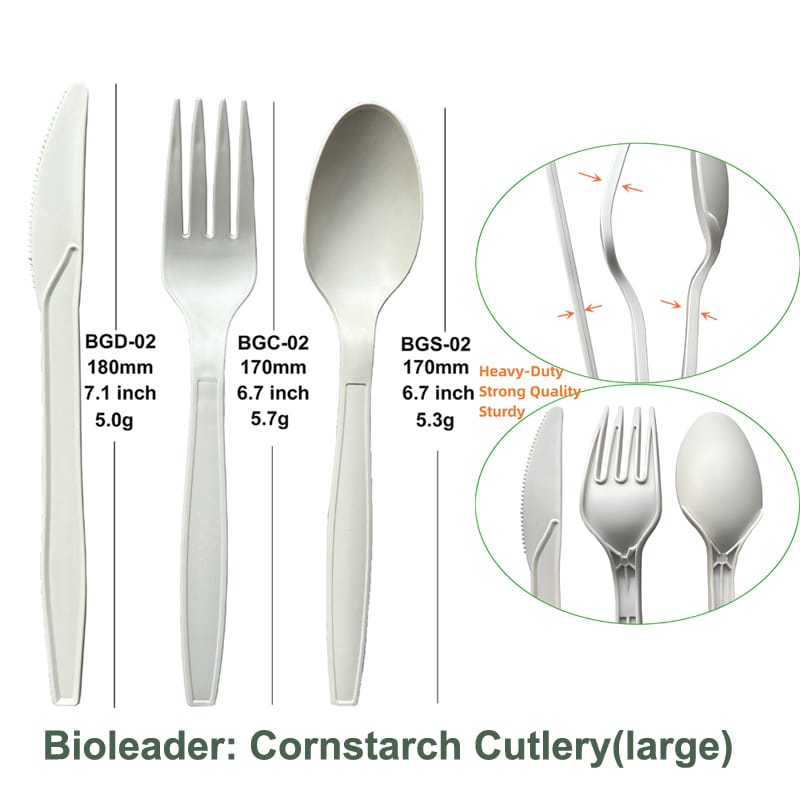
Cornstarch cutlery is a sustainable and cost-effective alternative to plastic utensils, offering eco-friendly benefits such as biodegradability, non-toxicity, and durability. Made from renewable resources, it decomposes within 120 days under industrial composting. With customizable options and affordability compared to CPLA, cornstarch cutlery is ideal for reducing environmental impact while meeting diverse customer needs.

Pulp molding is an eco-friendly manufacturing process that creates biodegradable products using renewable plant fibers. It serves diverse sectors, from food packaging to medical and industrial applications, while aligning with global sustainability goals.