










Fork and Spork Difference: Uses, Materials & Foodservice Guide | Bioleader®
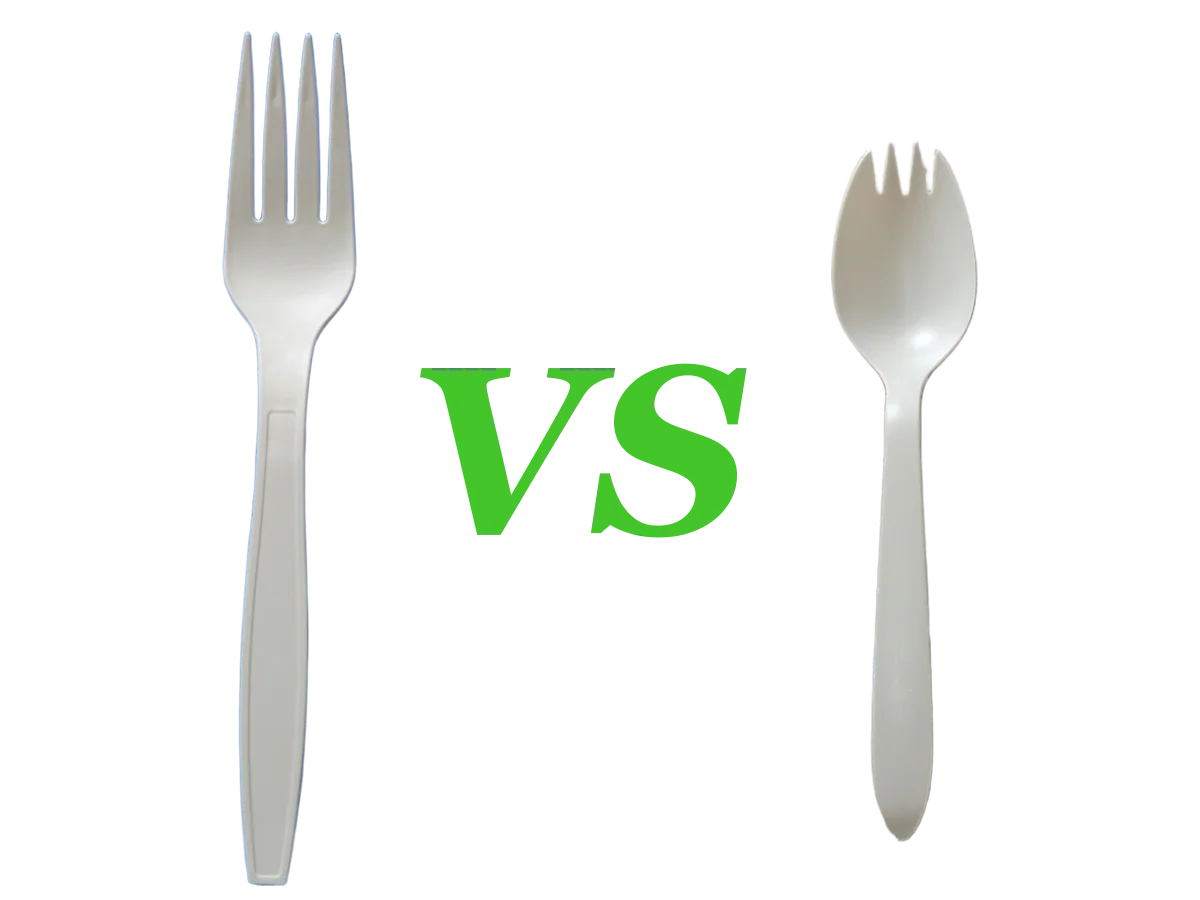
When it comes to eating utensils, forks and sporks are two common options that serve
When it comes to eating utensils, forks and sporks are two common options that serve
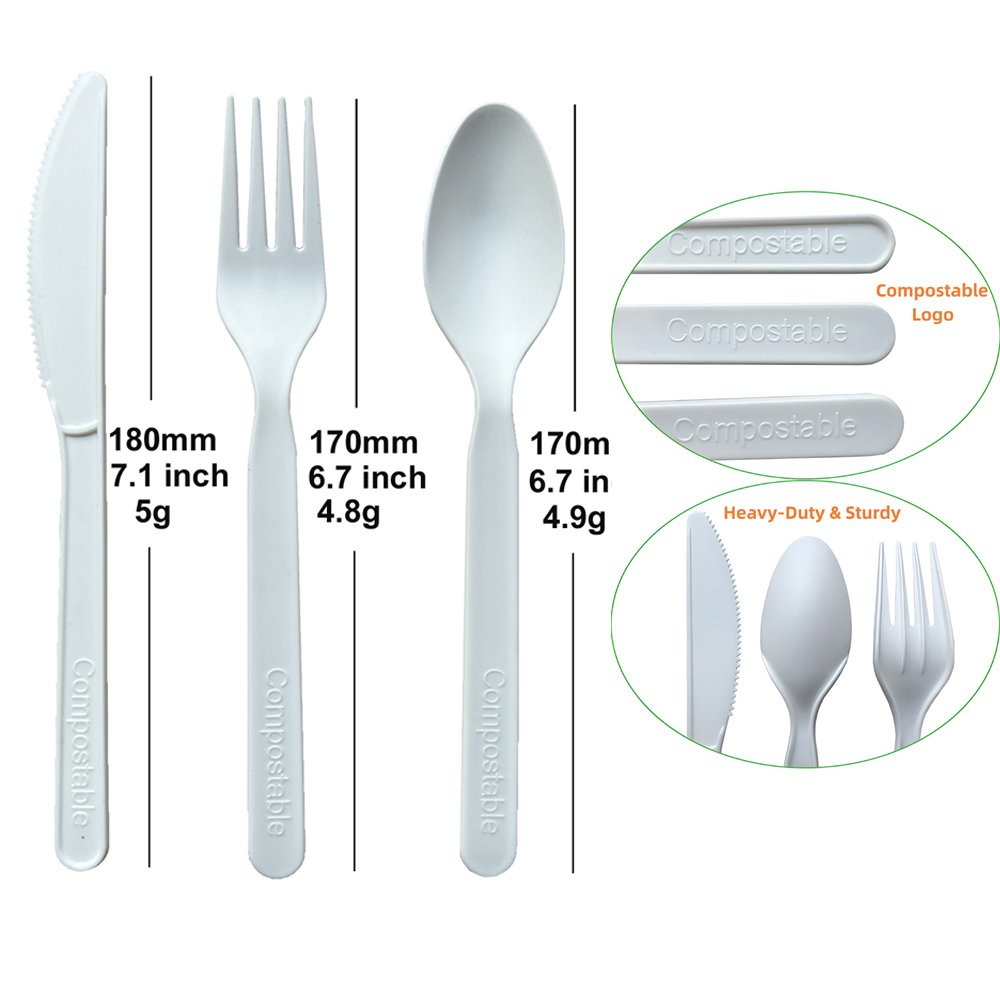
It’s our stance to reject the use of plastic. From now on, we will provide

In a world increasingly conscious of its environmental footprint, making sustainable choices has become more

Quick Summary: What Is a Spork? A spork is a hybrid utensil that combines the
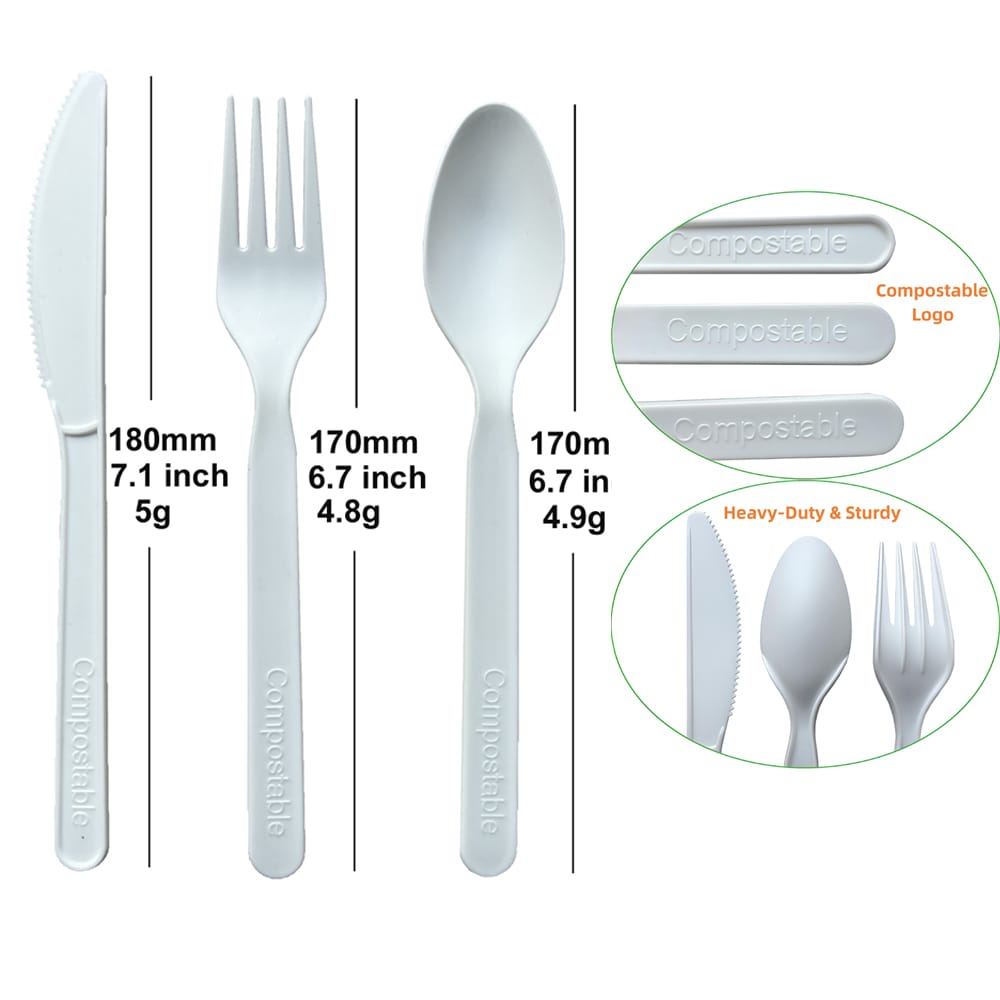
It is now widely accepted that there is a dire need to protect the environment,

Individually wrapped compostable cutlery sets offer eco-friendly, hygienic, and versatile solutions for various dining needs. With a range of customizable packaging options, businesses can cater to diverse customer preferences while promoting sustainability.
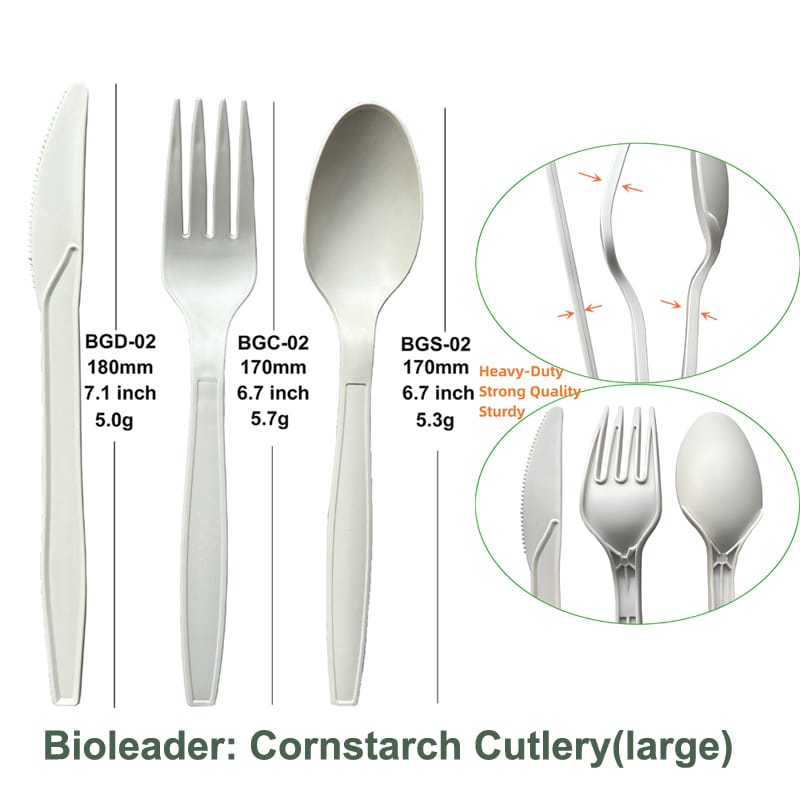
Cornstarch cutlery is a sustainable and cost-effective alternative to plastic utensils, offering eco-friendly benefits such as biodegradability, non-toxicity, and durability. Made from renewable resources, it decomposes within 120 days under industrial composting. With customizable options and affordability compared to CPLA, cornstarch cutlery is ideal for reducing environmental impact while meeting diverse customer needs.

Biodegradable cutlery is made from natural materials that can decompose over time, leaving no harmful residue behind. Unlike traditional plastic cutlery, which can take hundreds of years to decompose, biodegradable cutlery can break down in a matter of months. It is made from materials such as cornstarch, bamboo, and sugarcane, which are renewable and sustainable resources.