










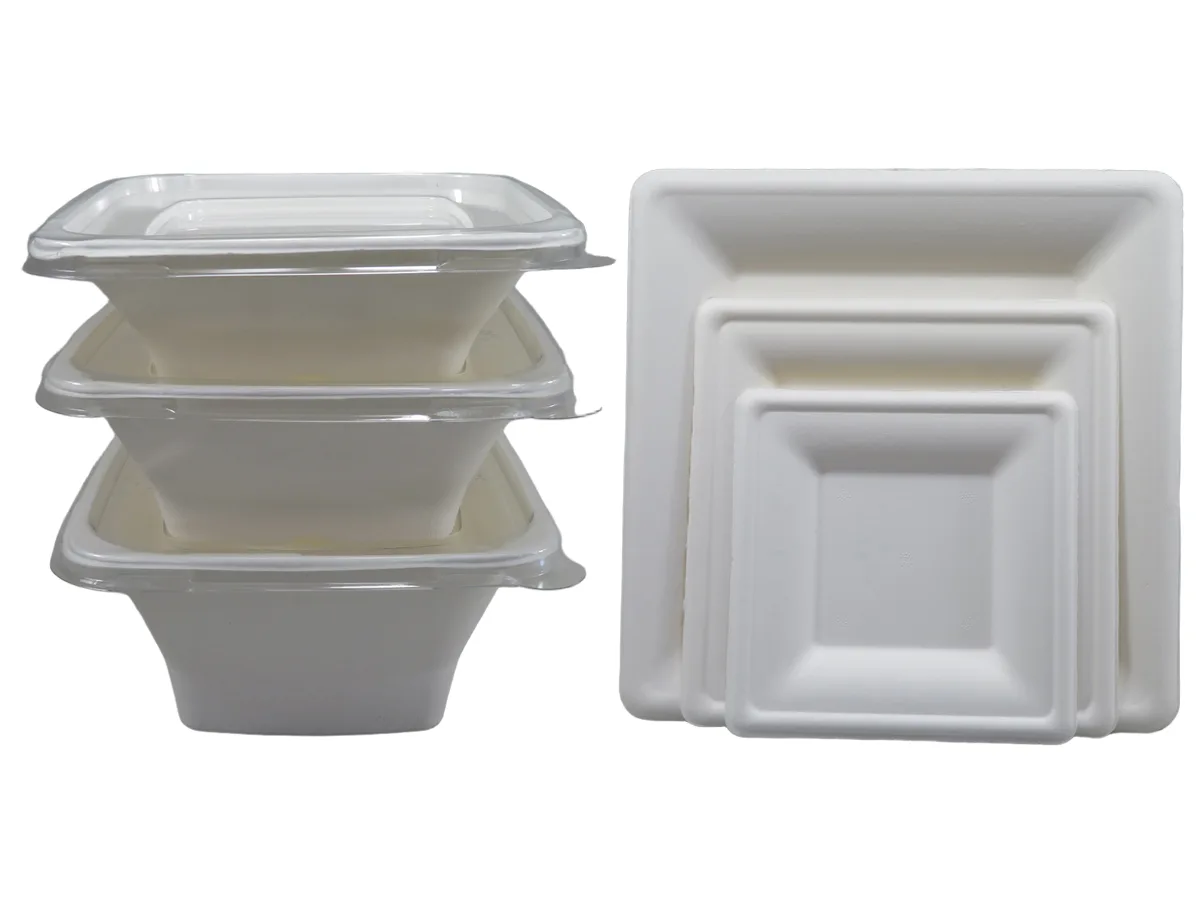
Comprehensive Guide to Square Bagasse Products
Square bagasse products are revolutionizing the packaging and tableware industry. Below is a deeper dive
Square bagasse products are revolutionizing the packaging and tableware industry. Below is a deeper dive
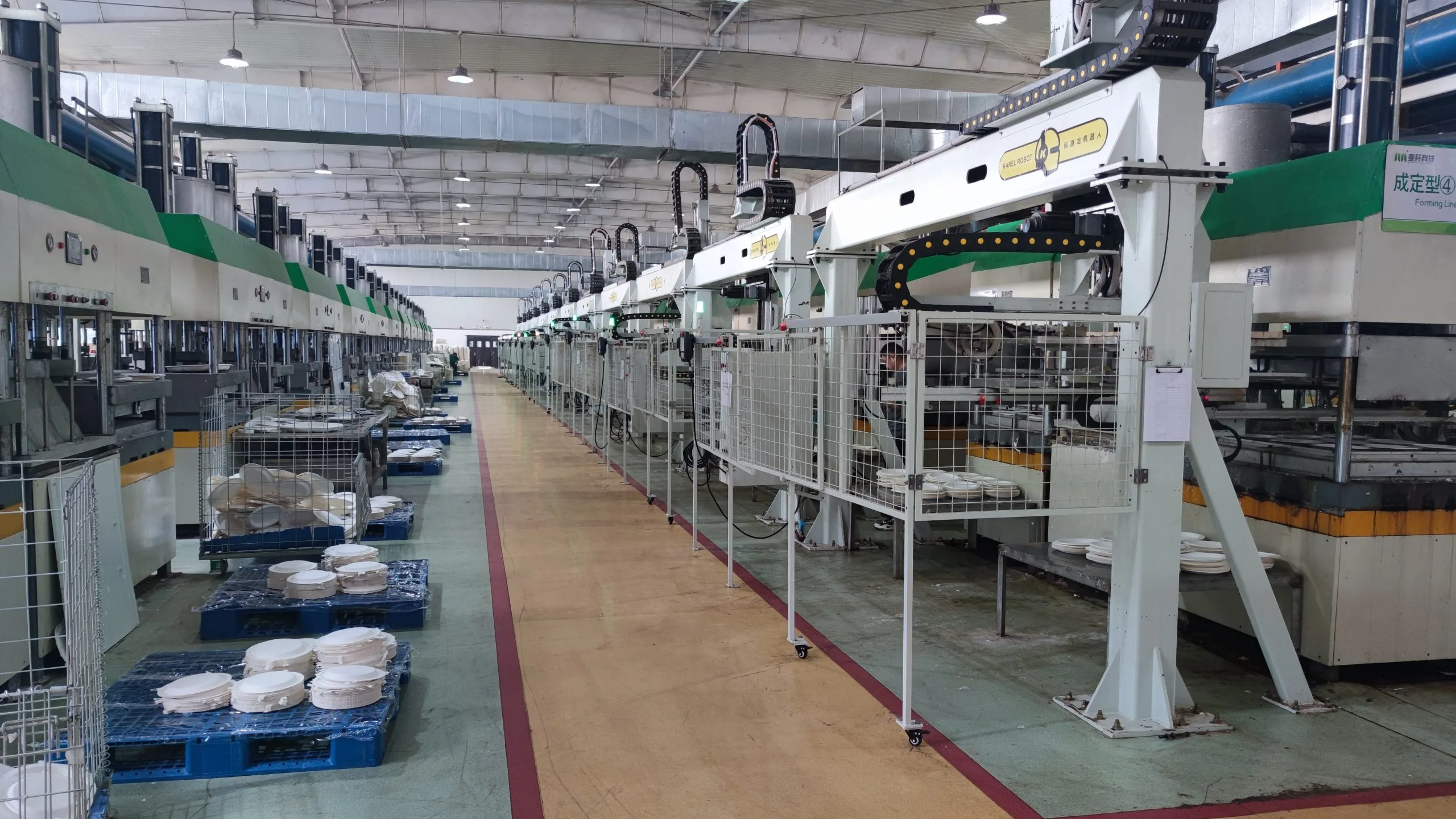
As a Chinese molded pulp packaging manufacturers, the pulp molding process of the molded pulp packaging is mainly like: material, Pulp Refining and Cleaning, Molding, Drying, Trimming and Finishing. It’s a sustainable and eco-friendly alternative to traditional packaging materials like plastic or Styrofoam.

Introduction Disposable paper plates and dishes are a staple for picnics, parties, and busy households.
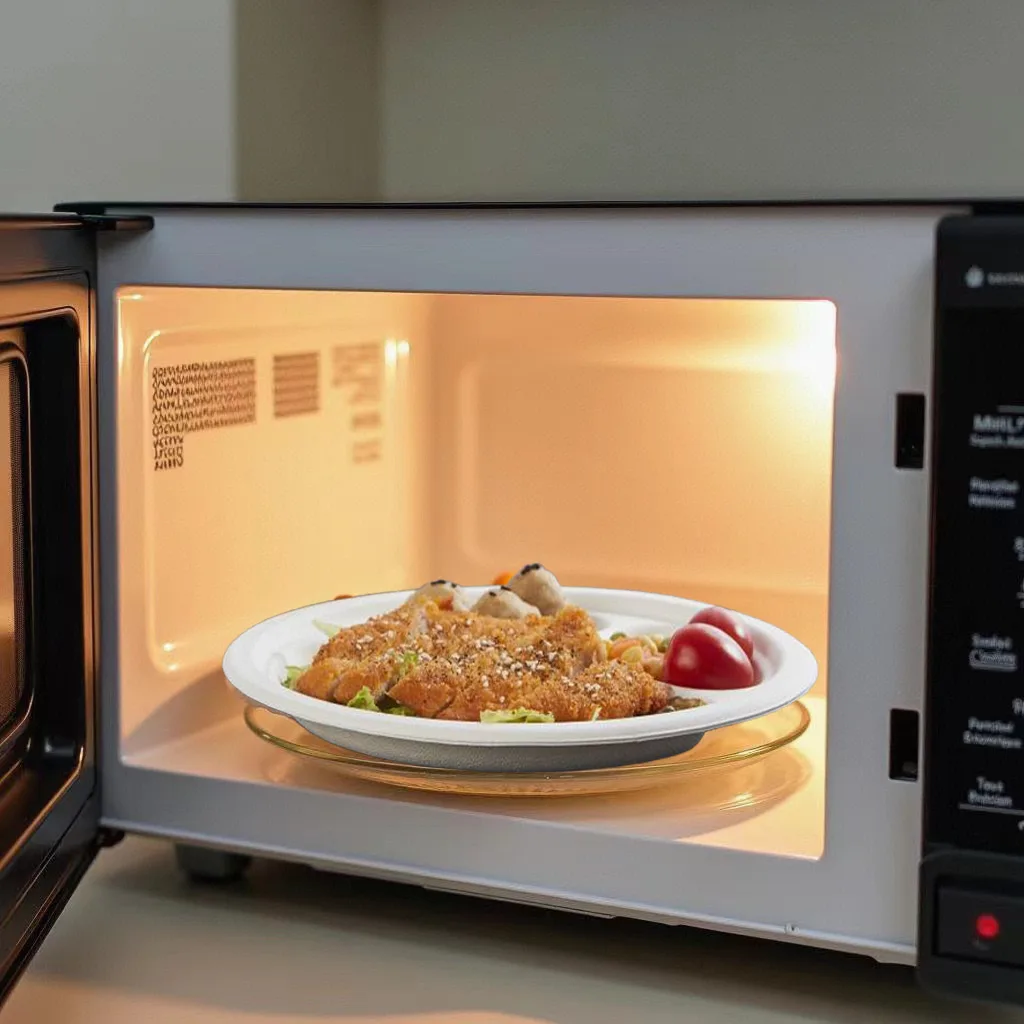
Sugarcane bagasse paper plates are a great choice for microwave use due to their natural heat resistance and eco-friendly properties. Just follow proper guidelines to ensure safe and effective reheating!
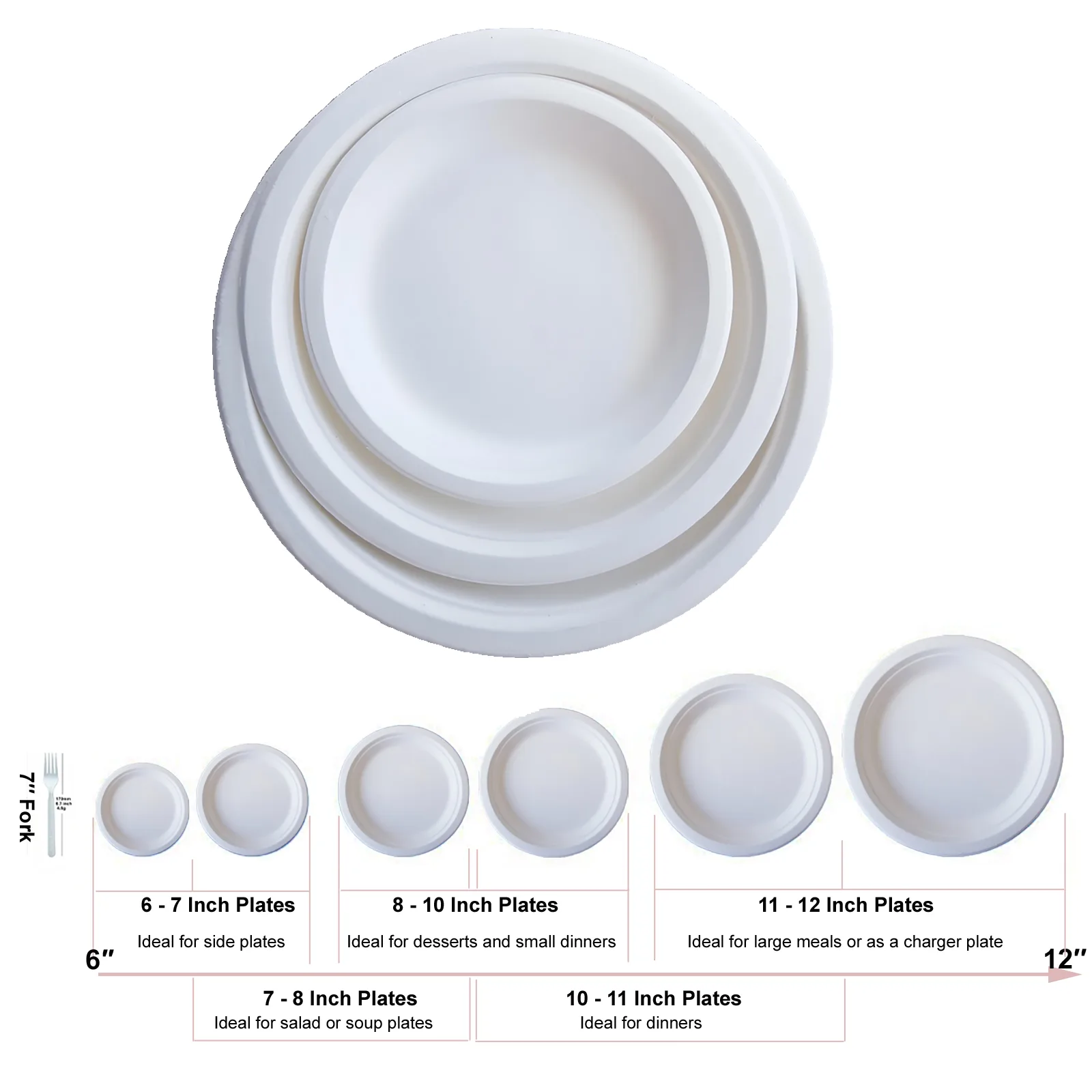
Explore a variety of standard disposable paper plate sizes in inches & cm: dinner plate, lunch plate, salad plate, cake snack plate, soup plate, serving plate or platter. Made with eco-friendly, biodegradable sugarcane bagasse for sustainable dining solutions.

Explores the microwave safety of various restaurant takeout to go container materials, including plastic, paper, biodegradable options, and Styrofoam. It provides practical tips for safe usage, recommends eco-friendly alternatives, and highlights potential risks to health and safety when reheating food in non-microwave-safe containers.
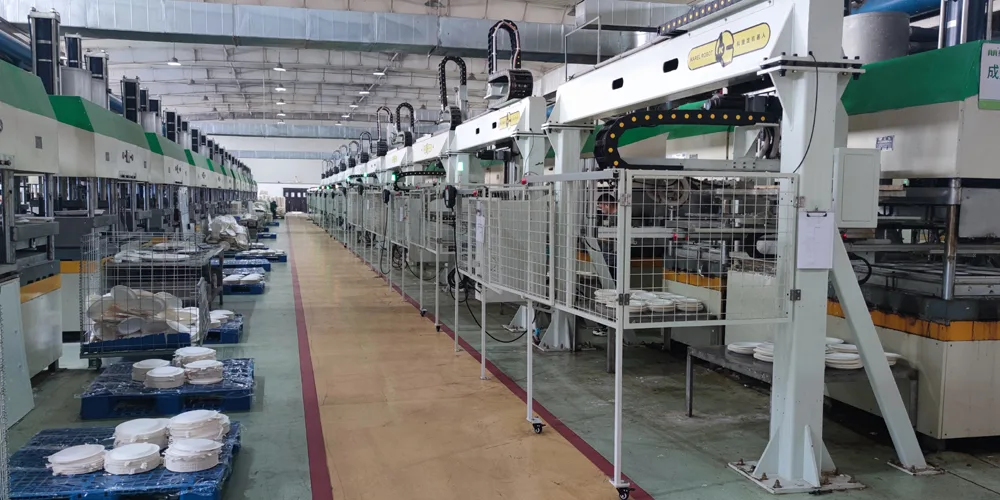
Pulp molding is an eco-friendly manufacturing process that creates biodegradable products using renewable plant fibers. It serves diverse sectors, from food packaging to medical and industrial applications, while aligning with global sustainability goals.
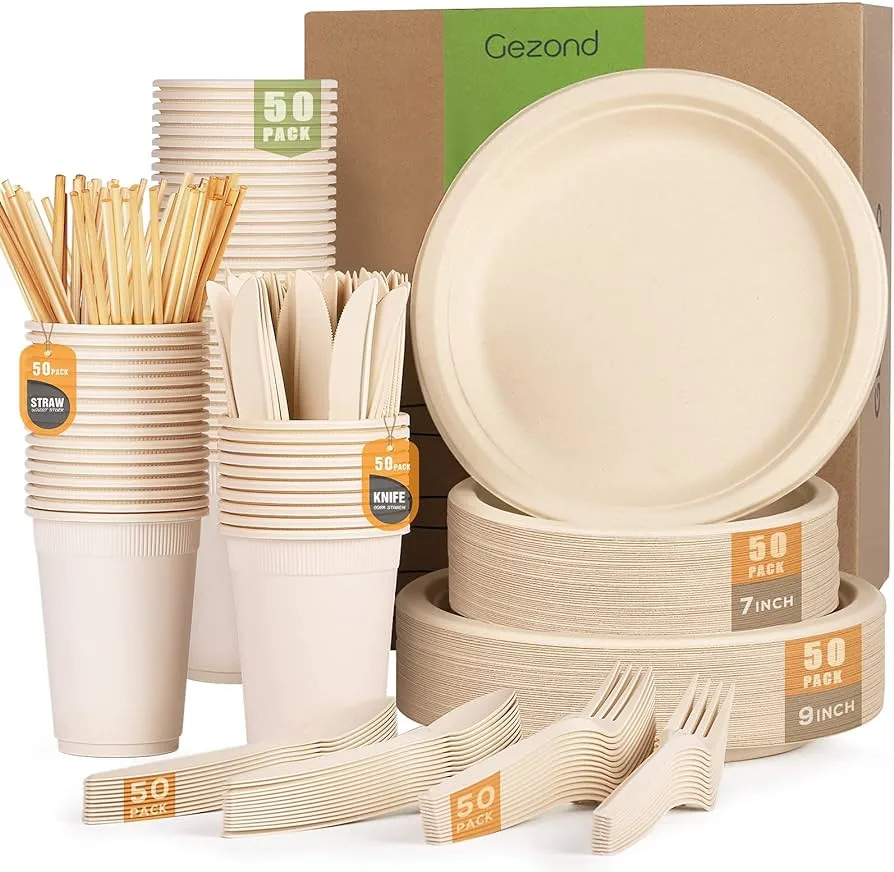
There are 8 different kinds of eco-friendly disposable tableware materials, including Bagasse, PLA, CPLA, Cornstarch, Paper, PET, PP, and PS. The guide details their characteristics, advantages, limitations, and applications, highlighting sustainable alternatives like biodegradable and compostable materials while also addressing recyclable options. The guide aims to help businesses and consumers make informed choices that align with environmental goals.
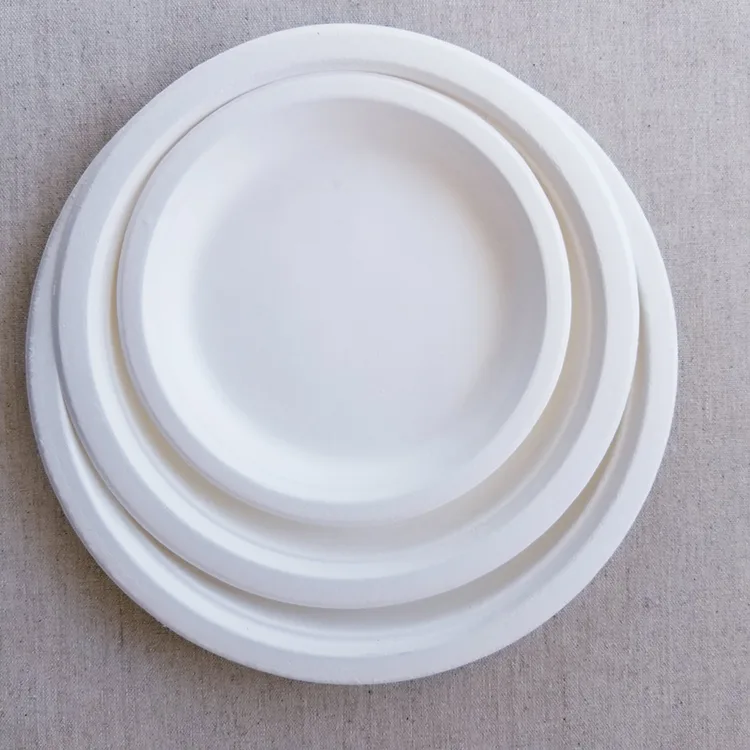
Sugarcane (Bagasse) Plates: Advantages, Use Cases & 2025+ Compliance Key Takeaway: Sugarcane (bagasse) plates outperform
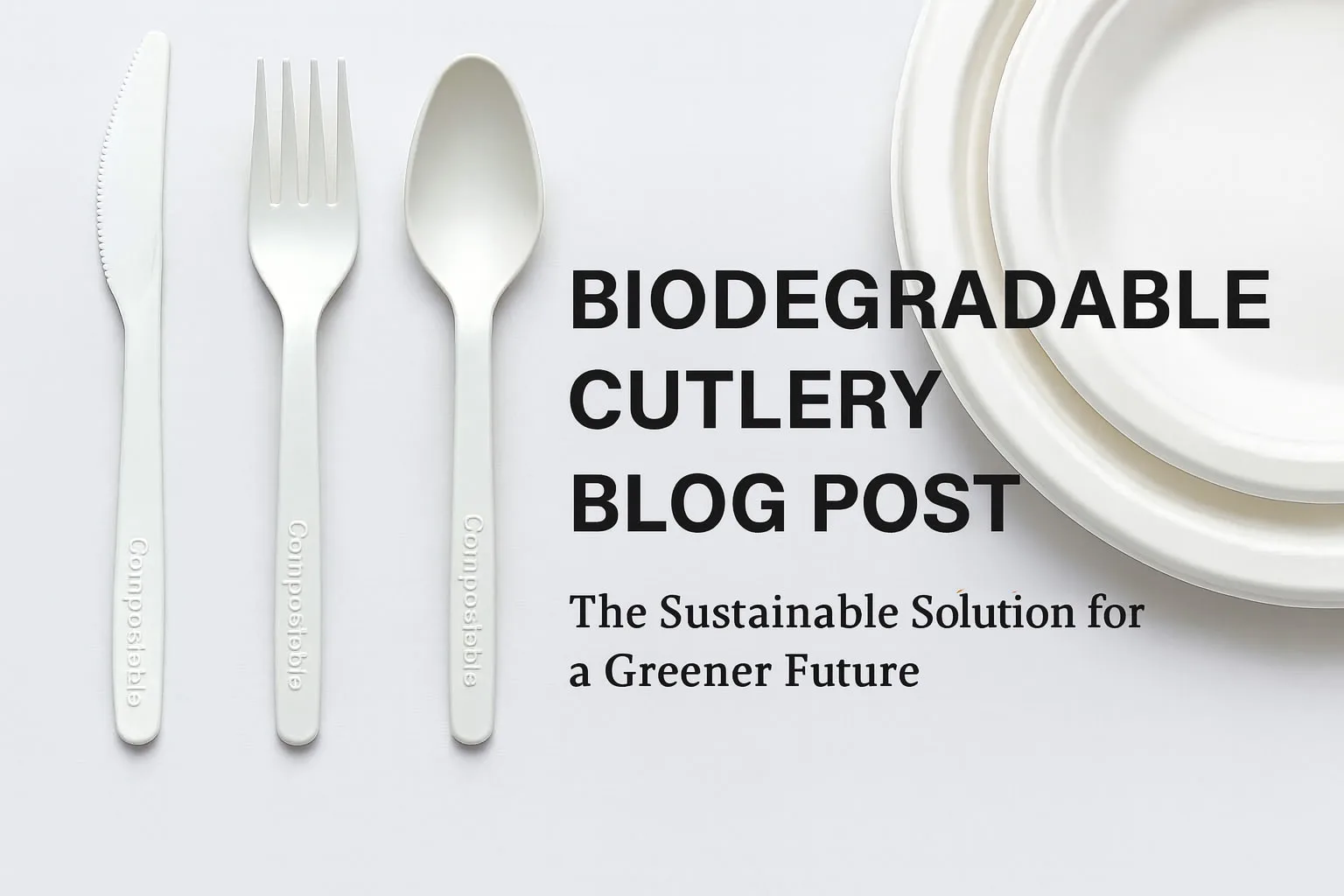
Biodegradable cutlery is made from natural materials that can decompose over time, leaving no harmful residue behind. Unlike traditional plastic cutlery, which can take hundreds of years to decompose, biodegradable cutlery can break down in a matter of months. It is made from materials such as cornstarch, bamboo, and sugarcane, which are renewable and sustainable resources.
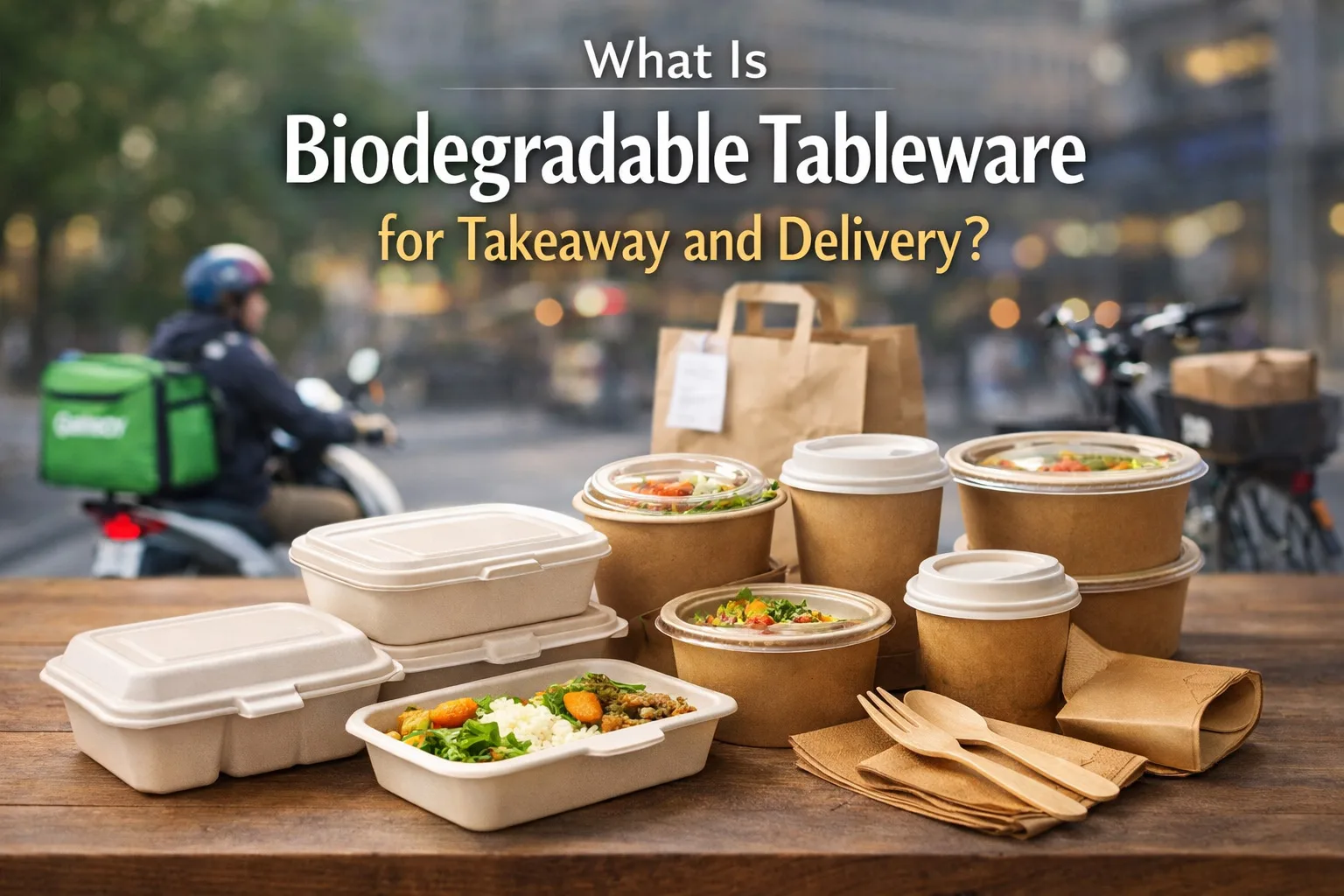
Biodegradable tableware is any type of tableware made from renewable and sustainable materials such as sugar cane, potato starch, cornstarch, bamboo and wood.