
When hosting a large gathering or providing meals for a group, disposable plates offer a convenient and practical solution. Whether you’re serving a hot meal at a family dinner, a catered event, or a takeaway, choosing the right disposable plate is crucial for ensuring food stays intact, is safe for consumption, and maintains its temperature. This blog explores the best disposable plates for hot food and warm dinners, considering material properties, safety, and environmental impact.
As the demand for sustainable solutions increases, looking beyond just convenience is essential. Disposable plates must be capable of handling hot food without compromising their structural integrity. Additionally, understanding which materials are eco-friendly is crucial as eco-consciousness becomes a priority. Let’s explore the different types of disposable plates available and determine which ones are the best choice for serving hot food.
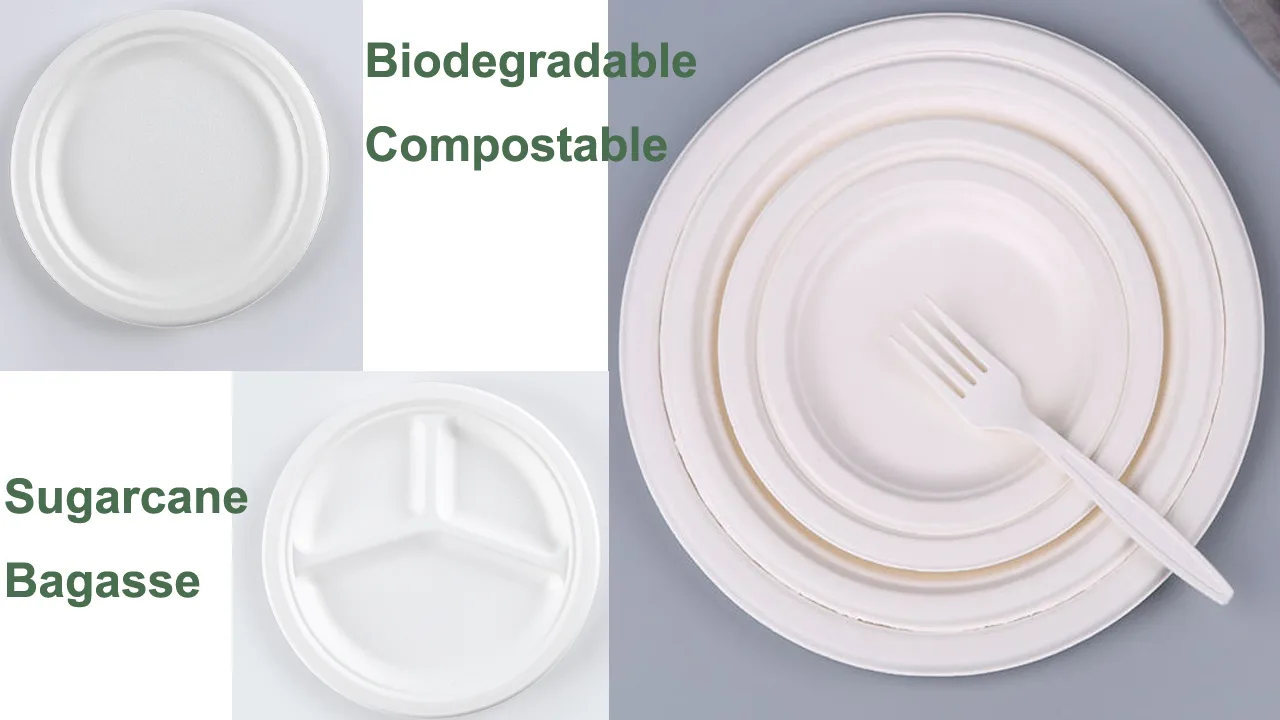
What Types of Disposable Plates?
When choosing disposable plates for serving hot food or warm dinners, it’s important to consider the material composition, the temperature tolerance, and the environmental impact of each option. Disposable plates are made from a variety of materials, each with its own advantages and drawbacks, particularly when it comes to holding up under heat and pressure. Below are the most commonly used materials for disposable plates.
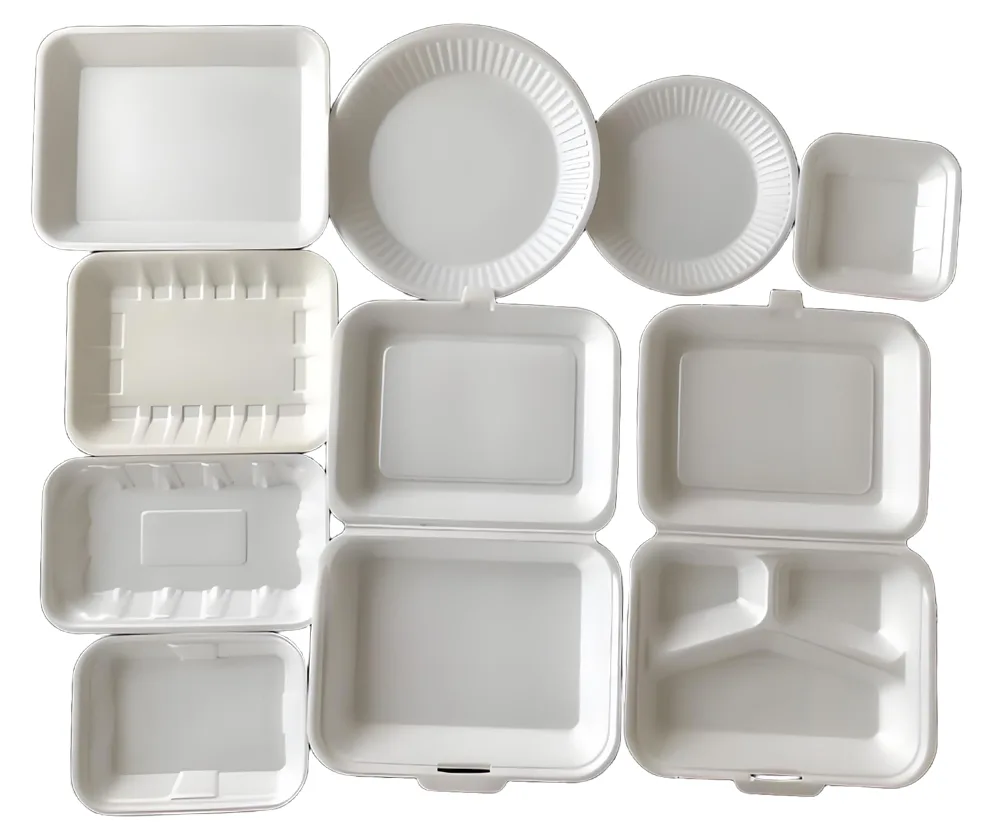
1. Styrofoam Foam Plates
Foam plates, often made from polystyrene (PS), have been a popular choice for disposable tableware for many years. These plates are lightweight, inexpensive, and can withstand hot food for a short period. However, foam plates are highly controversial in terms of environmental impact.
Advantages:
- Lightweight and inexpensive.
- Good heat resistance for short-term use.
- Widely available and commonly used for takeout and quick-service restaurants.
Disadvantages:
- Not biodegradable or compostable.
- Takes hundreds of years to break down in landfills.
- Difficult to recycle and contributes to plastic pollution.
- Banned in many places due to environmental concerns.
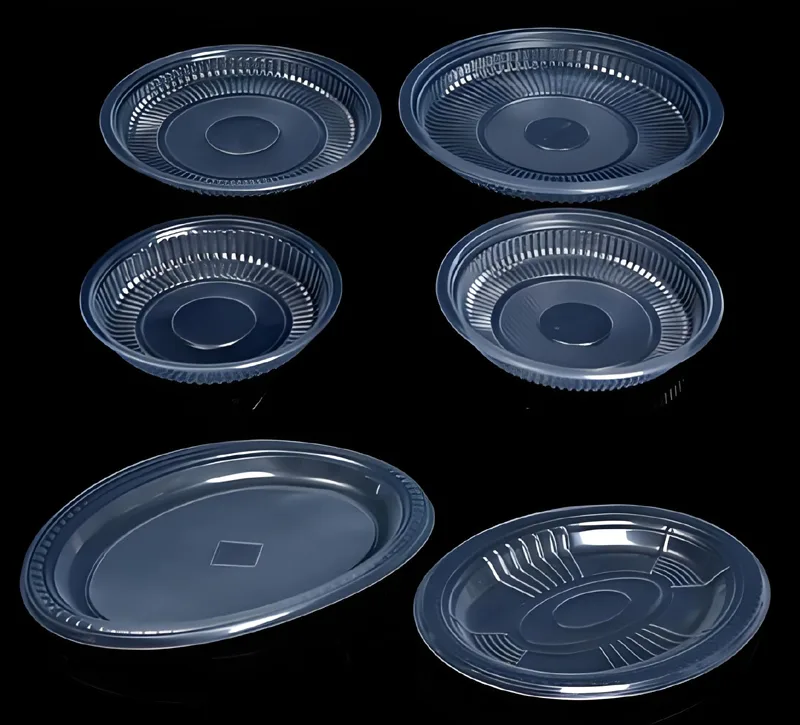
2. PE Plastic Plates
Polyethylene (PE) plastic plates are another common option. They are known for their flexibility and durability, making them a popular choice for many types of disposable tableware.
Advantages:
- Resistant to high temperatures, making them suitable for hot food.
- Lightweight and strong.
- Relatively inexpensive.
Disadvantages:
- Not biodegradable or compostable.
- PE plastic can leach harmful chemicals into food when exposed to high temperatures.
- Not recyclable in many regions, contributing to plastic waste.
 | 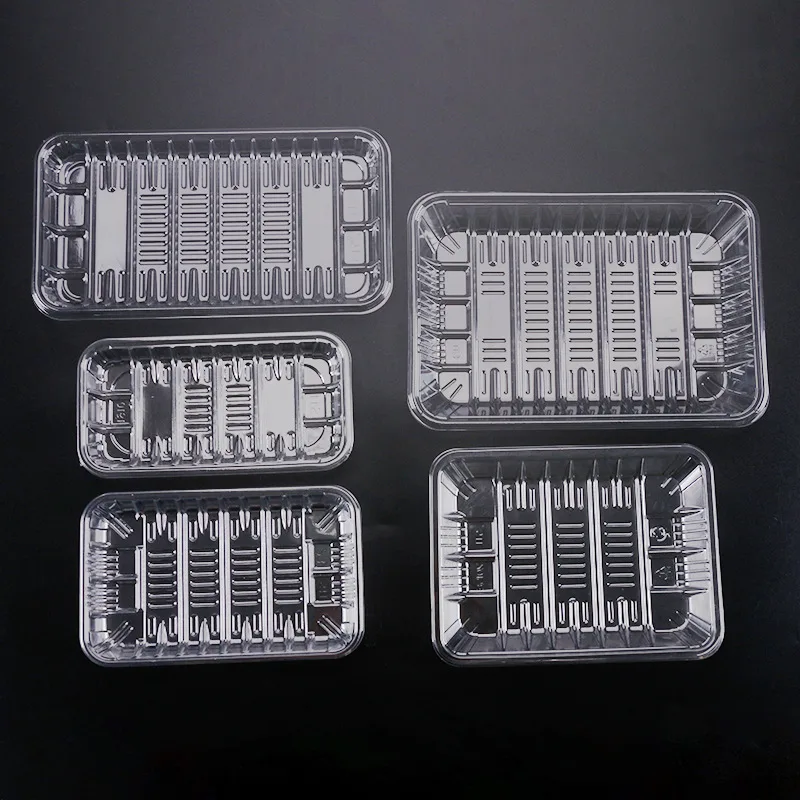 |
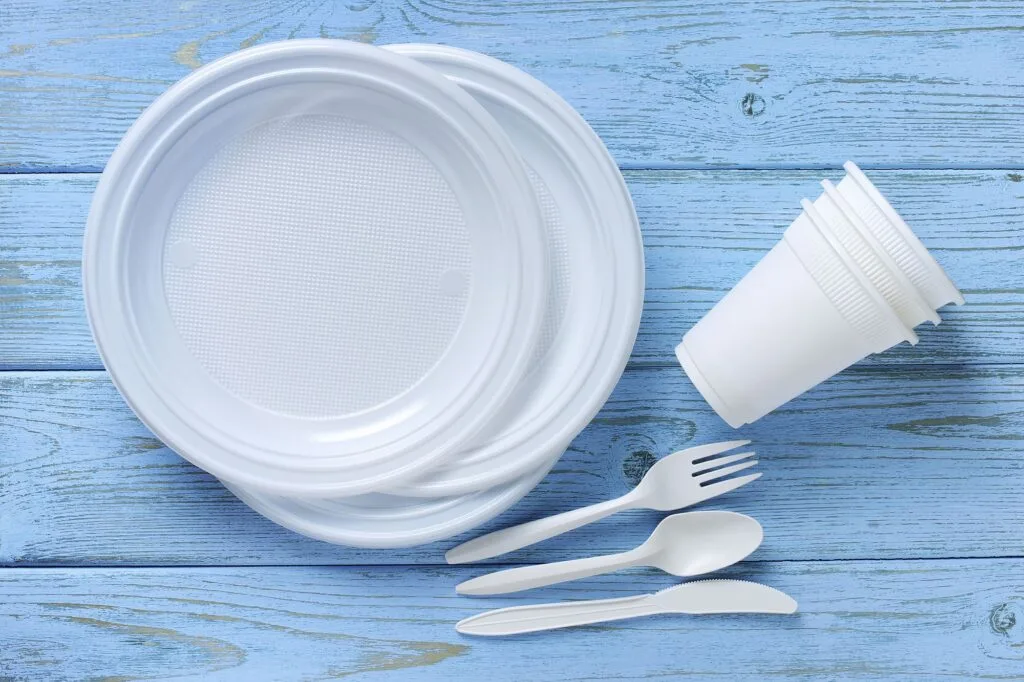
3. PP Plastic Plates
Polypropylene (PP) plates are a more heat-resistant and durable option than PE plastic. They are often used in microwave-safe food containers due to their ability to handle high temperatures.
Advantages:
- Higher heat resistance than PE plastic.
- Microwave safe.
- More durable and rigid than PE plastic.
Disadvantages:
- Non-biodegradable.
- Limited recycling options.
- Not compostable, contributing to environmental waste.
 | 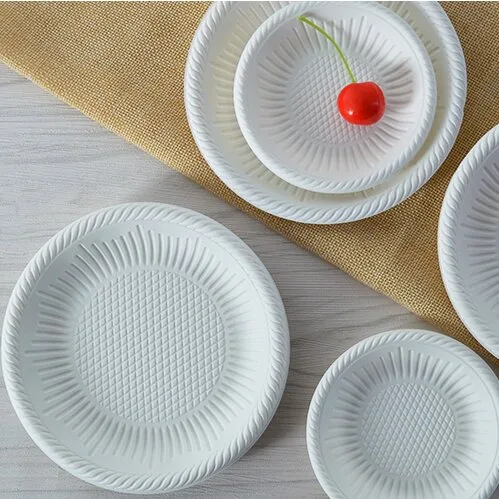 |
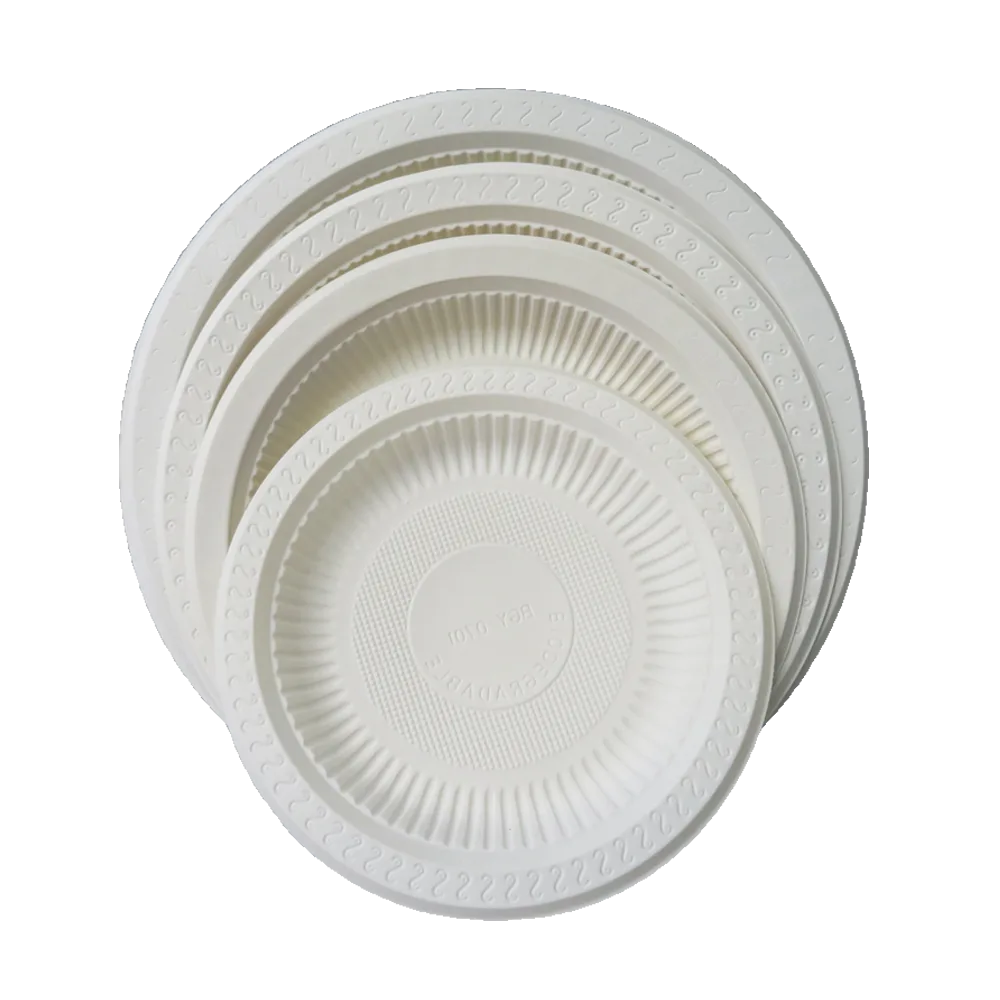
4. Cornstarch Plates
Made from cornstarch, these plates are part of a new generation of biodegradable options. They are a promising eco-friendly alternative, especially for those seeking a more sustainable option.
Advantages:
- Biodegradable and compostable.
- Made from renewable resources (corn).
- Can handle moderately hot foods without melting.
Disadvantages:
- Less heat resistant than other plastic or foam options.
- Can deform under higher heat.
- Not as durable as plastic plates.
 | 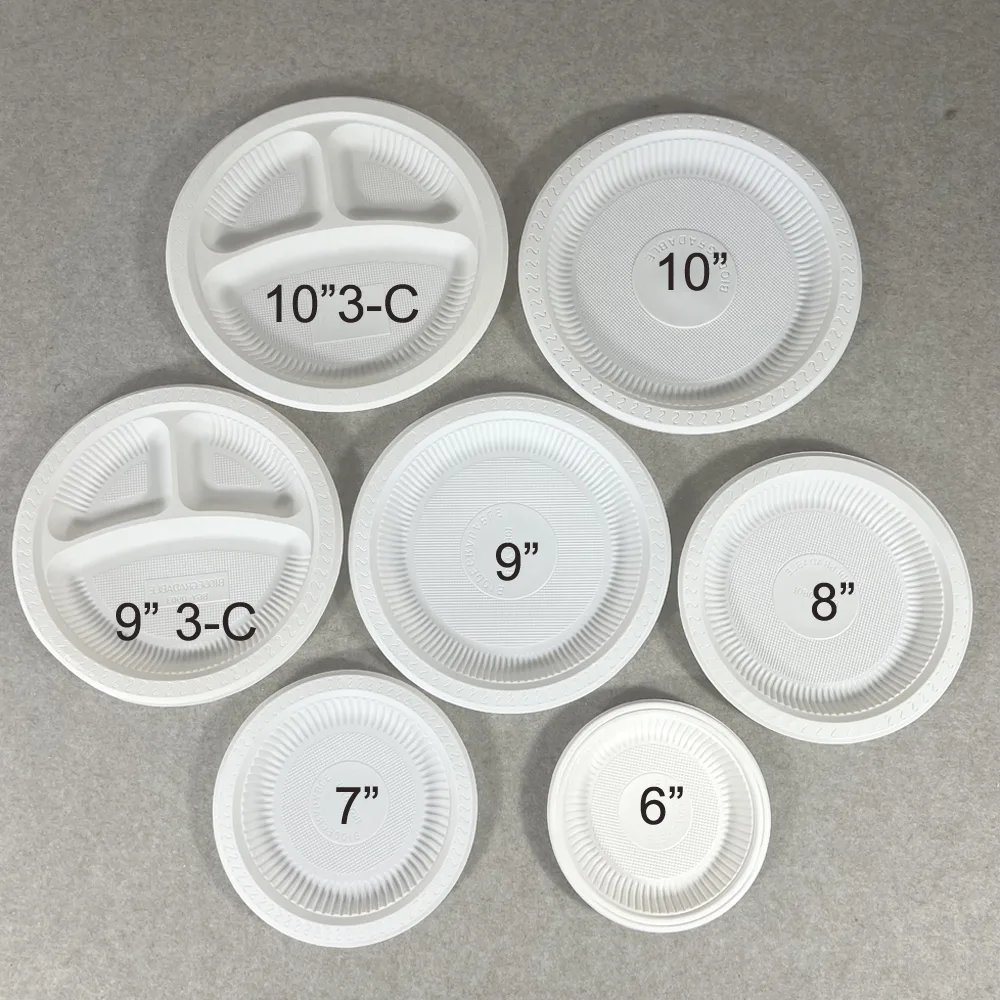 |
5. Sugarcane Bagasse Plates
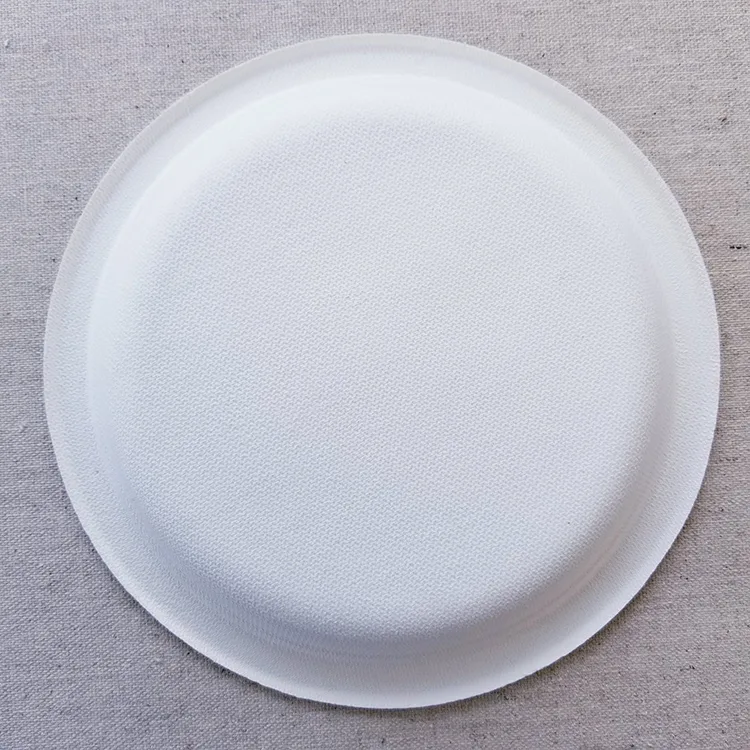
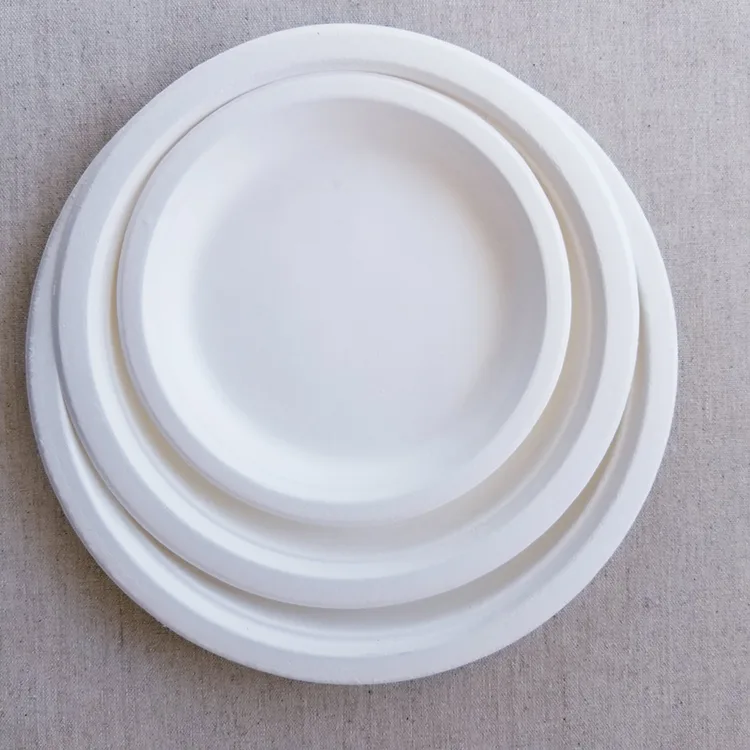
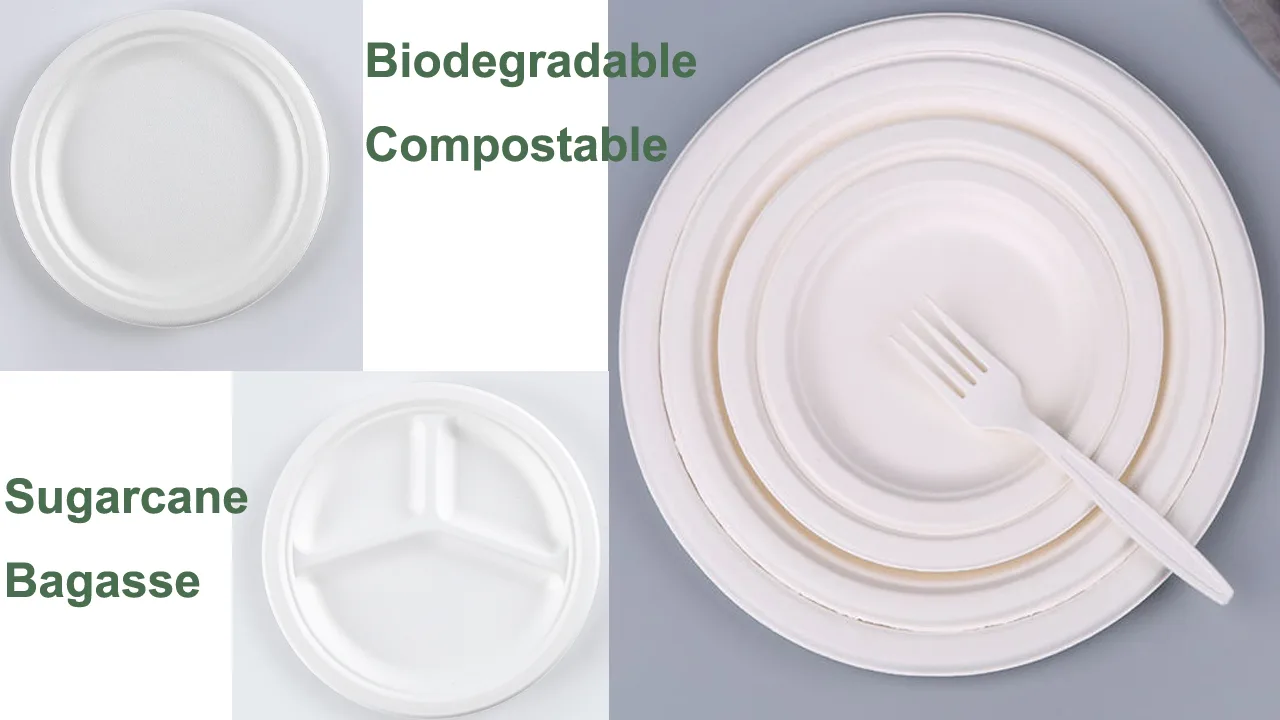
Sugarcane bagasse biodegradable plates, sizes from 6-10 inches, are made from the pulp left over after extracting juice from sugarcane. These plates are increasingly being used as a sustainable and durable alternative to traditional plastic and foam plates.
Advantages:
- Highly durable and resistant to heat.
- Biodegradable and compostable.
- Made from renewable resources (sugarcane waste).
- Microwave and freezer safe.
Disadvantages:
- Slightly more expensive than plastic options.
- Can absorb some liquids, potentially becoming soggy if left too long in contact with food.
 |  |
Comparison Table: Material Properties
| Material | Safety | Heat Resistance | Durability | Recyclable | Biodegradable | Eco-Friendly | Banned in Some Regions |
|---|---|---|---|---|---|---|---|
| Foam Plates | Low | No | Moderate | No | No | No | Yes |
| PE Plastic Plates | Moderate | Moderate | Moderate | Limited | No | No | Yes |
| PP Plastic Plates | Moderate | High | High | Limited | No | No | Yes |
| Cornstarch Plates | High | Moderate | High | Limited | Yes | Yes | No |
| Sugarcane Bagasse Plates | High | High | High | Yes | Yes | Yes | No |
Best Disposable Plates for Hot Food & Warm Dinner
When it comes to serving hot food or a warm dinner, sugarcane bagasse plates are the best option. These plates can comfortably handle hot temperatures, maintain their structure, and are safe for food contact. Additionally, sugarcane bagasse plates are biodegradable, compostable, and environmentally friendly, making them an excellent choice for individuals and businesses looking to reduce their carbon footprint.
Sugarcane bagasse plates provide superior durability and heat resistance compared to foam or plastic options, ensuring that your food remains intact and your guests are satisfied. They are also microwave-safe, making them ideal for reheating food.
Comparison Table: Sugarcane Bagasse vs Other Plates
| Material | Heat Resistance | Food Contact Safe | Durability | Biodegradable | Compostable | Microwave Safe |
|---|---|---|---|---|---|---|
| Sugarcane Bagasse Plates | High | Yes | High | Yes | Yes | Yes |
| Foam Plates | No | No | Moderate | No | No | No |
| PE Plastic Plates | No | Moderate | Moderate | No | No | No |
| PP Plastic Plates | High | Moderate | High | No | No | Yes |
Which Plates Are More Eco-Friendly and Sustainable: Future Trends?
As the world turns towards sustainability, the demand for eco-friendly disposable products is on the rise. While materials like foam and traditional plastic have long been popular due to their low cost and practicality, they come at a high environmental cost. Foam plates, for example, are banned in many regions due to their non-biodegradable nature and contribution to plastic pollution.
Sugarcane bagasse plates are part of the future trend towards more sustainable tableware options. Not only are they biodegradable and compostable, but they are made from waste by-products of the sugarcane industry, making them a highly renewable resource. As consumer demand for eco-friendly options increases, manufacturers are investing in these kinds of materials, which are also increasingly available at competitive prices.
The Role of Innovation in Sustainability
The ongoing push for sustainability in the packaging industry is likely to bring about even more innovations in eco-friendly disposable plates. Innovations like edible plates, plates made from seaweed, and further advances in biodegradable composites may offer even more sustainable solutions in the future. These advancements will help address the growing concern over plastic waste and environmental degradation.
How to Choose the Right Plate for Different Scenarios
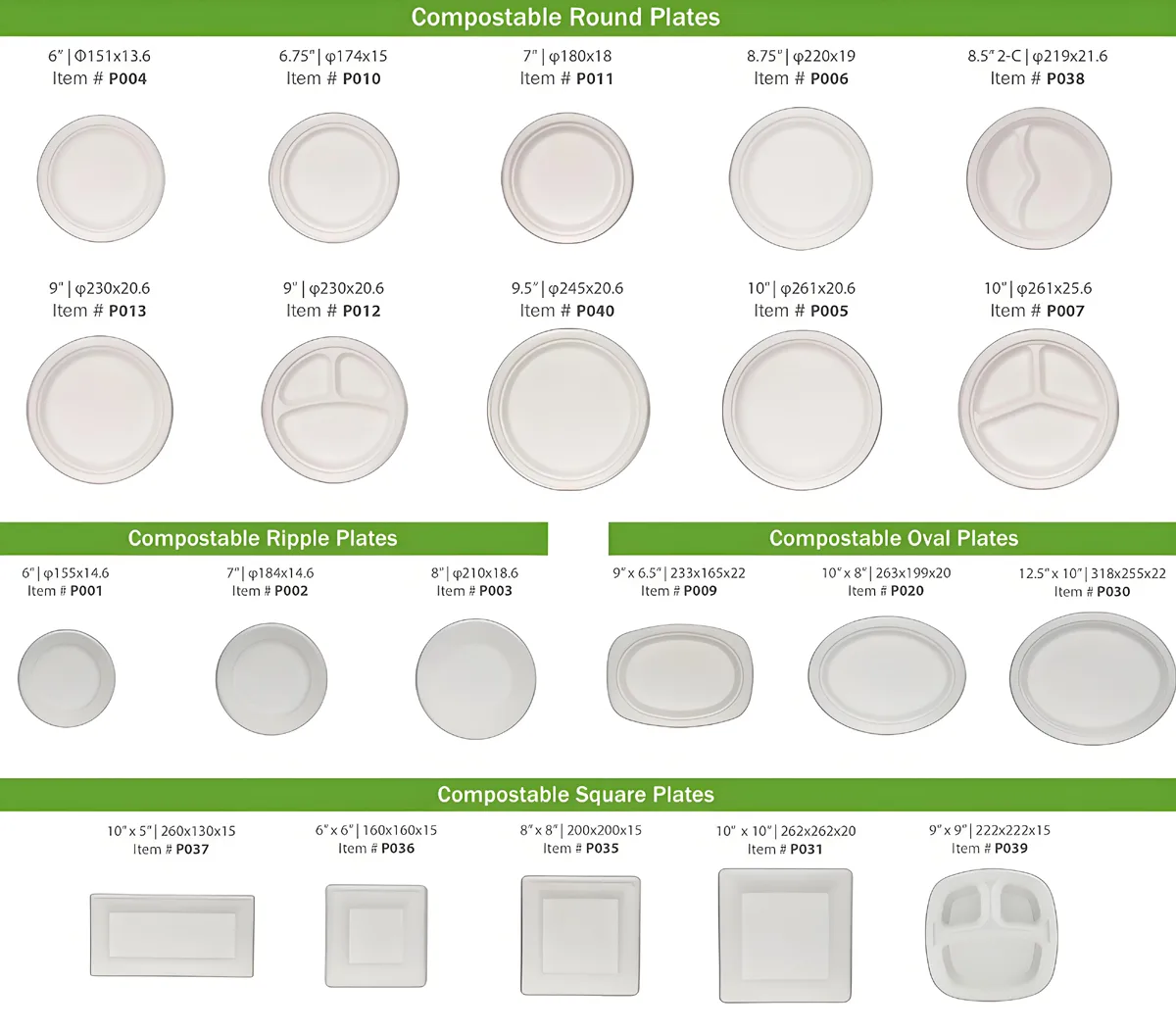
Choosing the right paper plate size and material depends largely on the type of event or meal being served. Here are recommendations for different scenarios:
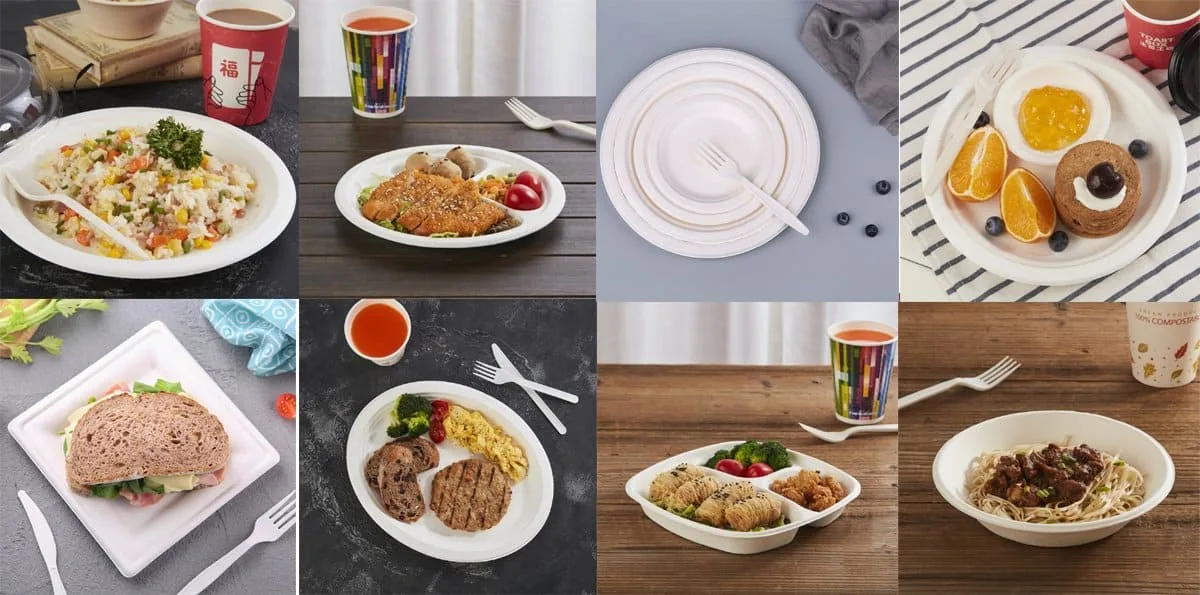
- Family Gatherings: For family dinners, 9-10 inch plates are recommended. These sizes can accommodate larger portions and multiple side dishes. We recommend bagasse plates for their durability and heat retention.
- Restaurant Takeaway: For takeaway food services, 8.5-9 inch plates work best, perfect for serving main courses like sandwiches or fried rice. PLA plates are a great choice as they are biodegradable and suitable for takeaway use.
- Buffets or Events: For buffet-style meals or large events, 10-inch plates are ideal, as they can hold larger servings. Bagasse plates are recommended due to their strength and eco-friendly properties.
Recommend Bioleader‘s Sugarcane Bagasse Plates Manufacturer
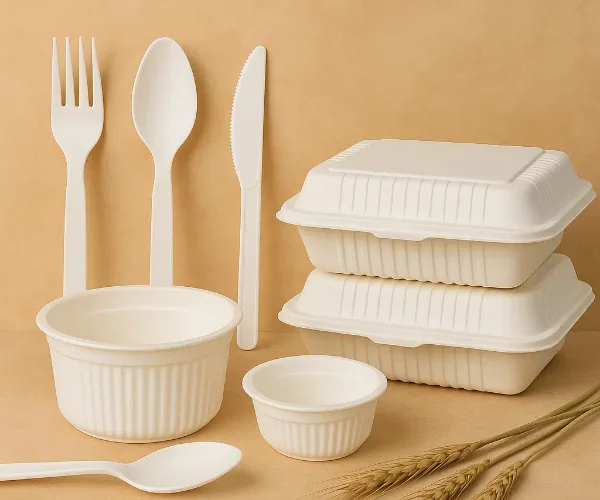
If you’re looking for high-quality, sustainable disposable plates for hot food and warm dinners, we recommend Bioleader. Bioleader is a leading manufacturer specializing in sugarcane bagasse tableware. They offer a wide range of eco-friendly options that are perfect for businesses and consumers who want to reduce their environmental footprint while enjoying the convenience of disposable plates. Their products are made from 100% renewable resources and are both durable and compostable.
Sustainability Trends: The Benefits of Choosing Compostable Materials
With increasing environmental concerns, more businesses and consumers are turning to eco-friendly materials to reduce plastic waste. Materials like bagasse and PLA offer a sustainable alternative to traditional plastic plates.
Bagasse Plates: Made from sugarcane fibers, bagasse plates are fully compostable and biodegradable, breaking down naturally within months. They are ideal for businesses looking to reduce their environmental footprint.
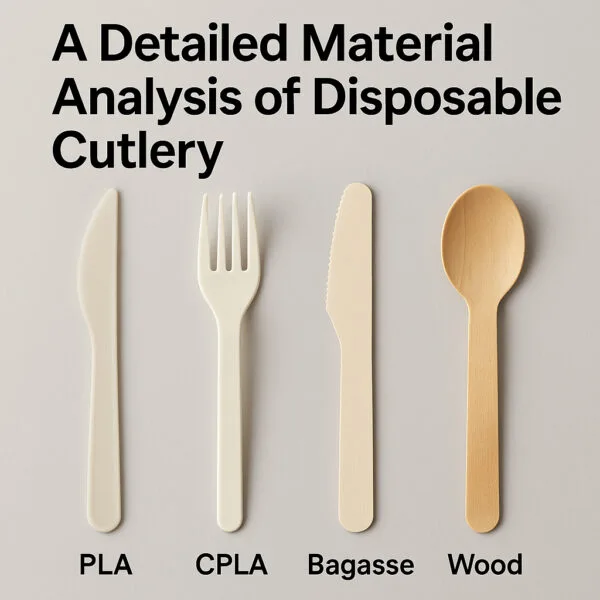
PLA Plates: Made from plant-based materials like cornstarch, PLA plates are compostable and offer a renewable alternative to plastic. While slightly less heat-resistant than bagasse, they are still suitable for most warm meals.
As global regulations surrounding plastic use become stricter, the demand for eco-friendly alternatives is expected to increase. Switching to biodegradable options not only helps businesses stay compliant with sustainability regulations but also appeals to a growing environmentally conscious consumer base.
Conclusion
When it comes to serving hot food or warm dinners, sugarcane bagasse plates are the best option. They offer excellent heat resistance, durability, and environmental benefits compared to foam or plastic alternatives. As sustainability becomes a more pressing issue, the trend toward eco-friendly materials like sugarcane bagasse will continue to grow. By choosing these plates, you not only ensure that your guests enjoy their meals safely but also contribute to a more sustainable future.
Frequently Asked Questions (FAQ)
- What are the best disposable plates for hot food?
Plates made from bagasse, thick paperboard, or CPLA-coated paper are ideal for hot food. They withstand heat, resist leaks, and maintain structural integrity. - Are paper plates safe for serving hot meals?
Yes, high-quality paper plates with proper coatings (like PLA) are heat-resistant and suitable for warm meals. Avoid thin or wax-coated plates for very hot dishes. - Which disposable plates do not get soggy with hot food?
Bagasse and molded fiber plates are excellent for hot, moist foods. They resist soaking and hold up better than thin paper or foam alternatives. - Can I microwave food on disposable plates?
Microwave-safe disposable plates, such as those made from bagasse or uncoated paper, are suitable for reheating. Always check labels for microwave compatibility. - What plate size is best for dinner portions?
For warm dinners, 9–10 inch plates are ideal. They offer enough surface area for main dishes and sides without the risk of food falling off the edges. - Are biodegradable plates good for hot food?
Yes, biodegradable plates like those made from sugarcane bagasse are heat-resistant, sturdy, and safe for hot dishes, making them an eco-friendly option. - What are the safest disposable plates for children’s hot meals?
Look for compostable, chemical-free plates made from natural fibers like bagasse or bamboo. These are non-toxic and suitable for both kids and hot food use.
Reference Source List:
- “The Impact of Disposable Plate Materials on the Environment” – Environmental Protection Agency (EPA)
https://www.epa.gov - “Benefits and Drawbacks of Biodegradable Materials” – Green Restaurant Association
https://www.greenrestaurant.org - “The Future of Sustainable Food Packaging” – Harvard T.H. Chan School of Public Health
https://www.hsph.harvard.edu - “Disposable Plates and Their Environmental Impact” – National Geographic, Dr. Jane Goodall
https://www.nationalgeographic.com - “Understanding Sugarcane Bagasse Plates: Advantages and Applications” – Journal of Sustainable Packaging
https://www.journals.elsevier.com/journal-of-sustainable-packaging - “Why Are Foam Plates Banned in Many Regions?” – The Guardian, Sustainability Team
https://www.theguardian.com - “The Rise of Eco-Friendly Disposable Tableware” – Food Packaging Forum
https://www.foodpackagingforum.org

One Response
Thanks for this guide! I didn’t realize the difference between insulated and compostable plates could affect food temperature retention. Are any of these microwave-safe?