South Korea is fast becoming one of Asia’s most closely watched markets in the fight against single-use plastics. Its rules on disposable cups, plastic straws, stirrers, bags, and foodservice packaging have changed several times in recent years, creating both uncertainty and opportunity for restaurants, cafés, delivery brands, and packaging buyers.
For food businesses, the direction is clear even when enforcement timelines shift: disposable plastic use is under pressure, and brands need packaging that is practical, compliant, and credible.
That makes South Korea’s plastic policy more than a regulatory issue. It is a transformation of how takeaway, delivery, and café packaging must work in a modern foodservice market.
Quick Summary: South Korea Plastic Packaging Update
South Korea is tightening control over disposable foodservice packaging, but enforcement has been adjusted several times due to business costs, consumer complaints, and recycling logistics.
For restaurants and cafés: the safest strategy is to reduce conventional plastic, prepare certified alternatives, verify material claims, and build a supplier system that can support takeaway, delivery, and dine-in operations.
Best packaging options: compostable PLA cups for cold drinks, bagasse bowls for hot foods, molded fiber clamshells for takeaway meals, and CPLA or cornstarch cutlery for plastic-reduction programs.
From Plastic Straws to Takeout Boxes: Korea’s Expanding Restrictions
South Korea’s policy shift did not happen overnight. The first major wave began with restrictions on plastic bags in large retail stores, followed by tighter rules on disposable cups, plastic straws, stirrers, and dine-in single-use products.
However, implementation has not always been linear. In 2023, the government eased or delayed parts of the paper cup and plastic straw restrictions after complaints from businesses and consumers about poor paper straw performance, unclear recycling logistics, and cost pressure.
The key lesson for food businesses is not that Korea has abandoned plastic reduction. The real lesson is that future packaging rules will require both environmental credibility and practical performance. A weak alternative that leaks, collapses, warps, or confuses customers will not be accepted by the market.

What Restaurants and Cafés Should Watch in 2025–2026
Instead of treating Korea’s plastic policy as a single “ban date,” food businesses should view it as a phased compliance transition. The direction is toward reduced disposable plastic use, clearer material responsibility, and stronger packaging management.
✅ Reduced use of disposable plastic cups, straws, bags, and takeaway packaging where practical alternatives exist
✅ Greater pressure on restaurants and cafés to use recyclable, compostable, reusable, or lower-plastic packaging systems
✅ Stronger attention to customer-facing packaging claims such as “compostable,” “biodegradable,” “recyclable,” and “plastic-free”
✅ More scrutiny on manufacturers, importers, and foodservice brands regarding plastic use and material selection
✅ Growing local government and consumer pressure on excessive packaging in the food delivery sector
These changes matter not only for dine-in service but also for takeaway, delivery, cafés, catering, supermarkets, and ghost kitchens. If your business uses disposable cups, containers, cutlery, straws, or clamshell boxes, you are already part of the transition.
Real-World Challenges for Food Service Operators
The policy direction is clear, but daily operations are more complicated. Many Korean food businesses face several practical challenges when replacing plastic packaging.
1. Poor quality alternatives
Paper straws collapse. Low-grade biodegradable cutlery snaps. Compostable cups may warp if used outside their temperature range. If the packaging does not perform, customers complain and businesses lose trust.
2. Greenwashing confusion
Some suppliers label products “eco,” “biodegradable,” or “green” without showing certification, food-contact testing, or clear end-of-life guidance. This creates compliance risk and weakens consumer trust.
3. Rising packaging costs
Sustainable packaging usually costs more than conventional plastic, especially when buyers require certified compostability, custom printing, reliable lids, or low-MOQ mixed orders. Restaurants need suppliers who can balance price, performance, and compliance.
4. Storage and logistics limitations
Eco-packaging can take up more warehouse space and may require better storage management. PLA products, for example, should be protected from excessive heat during storage and transport.
Clearly, a policy shift is not enough. Food businesses need packaging solutions that work in the real world: hot, cold, oily, saucy, fast-moving, and delivery-heavy.
Bioleader®: Compostable Packaging Designed for Korean F&B Needs
At Bioleader®, we do not simply sell eco products. We develop foodservice packaging around performance, material safety, export requirements, and real operating conditions.
We understand the pressure Korean brands face: packaging must comply with regulations, satisfy customers, protect food quality, and remain commercially practical. That is why Bioleader® offers multiple compostable and biodegradable packaging categories for cafés, restaurants, delivery brands, and distributors.
What Makes Bioleader® Different?
Certification Support: Product lines can support documents such as EN13432, OK Compost, BPI, FDA, LFGB, SGS, TÜV, ISO, or related test reports depending on material and target market.
Food-Safe and Durable: Products are selected for heat resistance, oil resistance, liquid retention, and food-contact suitability.
Suitable for Asian Cuisine: Packaging options are available for ramen, tteokbokki, kimchi soup, rice bowls, iced drinks, bento meals, and hot takeaway foods.
Brand Customization: We offer PLA cup printing, custom carton packing, logo solutions, and selected OEM/ODM packaging support.
B2B Wholesale Support: Stable supply, mixed container planning, export documentation, and product selection guidance for Korean importers, distributors, and foodservice buyers.
For Korean foodservice buyers, the strongest supplier is not only the one with eco claims, but the one that can provide performance data, compliance documents, and practical product matching.

Product Solutions for Korea’s Plastic-Free Future
PLA Cold Cups for Cafés and Iced Drinks
In the transition away from PET plastic, PLA cold cups have become an important alternative for Korea’s café and beverage sectors. These cups are typically available from small to large sizes and can be paired with dome or flat lids for iced coffee, smoothies, fruit tea, bubble tea, and dessert drinks. Compostable under suitable industrial composting conditions, PLA cups also support custom logo printing for beverage brands.

Bagasse Soup Bowls for Hot Liquids
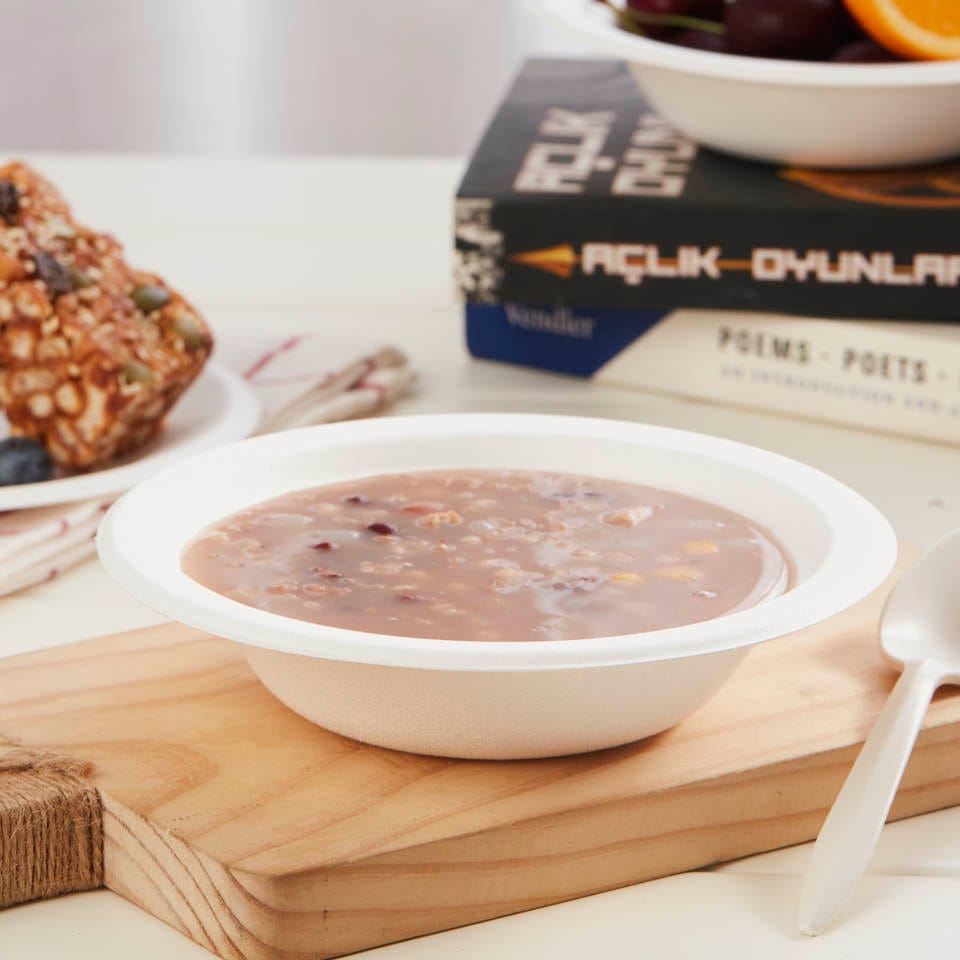
Korean takeaway foods such as tteokbokki, kimchi soup, hot stews, noodle dishes, and rice bowls require containers that resist leakage, deformation, and oil absorption. Molded bagasse bowls, made from sugarcane fiber, provide a natural fiber-based structure and are suitable for many hot food applications when properly tested. They are increasingly relevant for food delivery brands seeking lower-plastic packaging.
Clamshell Containers for Takeout Meals
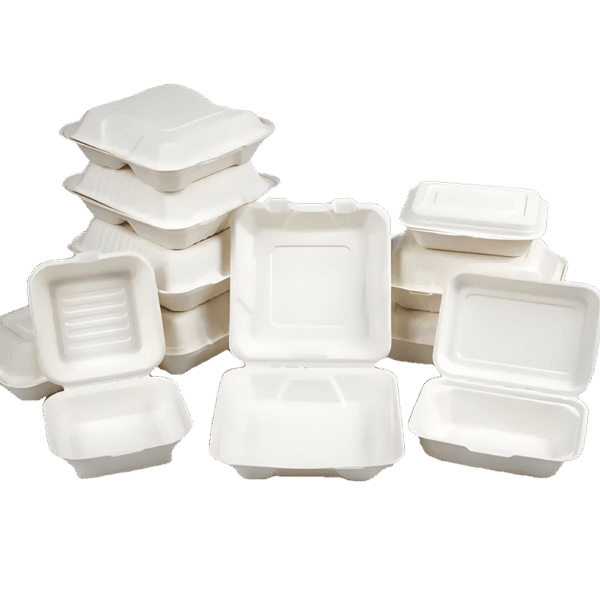
Foam clamshells face increasing environmental pressure, pushing many food businesses toward molded fiber alternatives. Bagasse-based clamshell containers are stackable, microwave-suitable for many applications, and resistant to grease and moisture when designed correctly. Their neutral, natural appearance makes them suitable for both casual takeaway meals and premium foodservice packaging.

Compostable Cutlery That Works
Traditional plastic forks and spoons are among the most commonly restricted single-use items. Compostable alternatives made from cornstarch or CPLA can provide stronger performance than paper-based cutlery while reducing reliance on conventional plastic. These utensils can be used for hot and cold foods and are available in bulk, wrapped, or kit formats for foodservice operations.

Reliable Straw Alternatives
Paper straws often fail to deliver a satisfying user experience, especially with thick beverages or long drinking times. Compostable straws made from modified starches or selected bioplastics can offer better structural stability for cafés and drink chains. For Korean beverage operators, the best solution is not simply “paper instead of plastic,” but a tested straw system that fits drink type, use time, and compliance requirements.

Packaging Checklist for Korean Restaurants and Cafés
Before switching from plastic to compostable or biodegradable food packaging, Korean foodservice buyers should verify both compliance and usability. A product that looks eco-friendly is not enough if it fails during delivery or lacks documentation.
| What to Check | Why It Matters | Buyer Action |
|---|---|---|
| Material type | PLA, bagasse, cornstarch, CPLA, paper, and PP lids perform differently. | Match material to food temperature, drink type, and disposal route. |
| Certification | Eco claims require supporting documents. | Ask for EN13432, BPI, OK Compost, FDA, LFGB, SGS, TÜV, or relevant reports where applicable. |
| Food performance | Hot soup, spicy sauce, oily meals, and iced drinks stress packaging differently. | Test with real menu items before bulk ordering. |
| Lid fit | Delivery failure often comes from poor lid matching. | Request samples of bowl, cup, box, and lid combinations together. |
| Storage and shipping | PLA products can require better temperature control during transport. | Confirm carton packing, storage conditions, and ocean-shipping protection when needed. |
| Brand customization | Custom packaging helps communicate sustainability and improve recognition. | Confirm MOQ, printing method, artwork requirements, and lead time. |
Why This Matters Beyond Korea
South Korea’s policy changes matter beyond the domestic market because Korea is a major foodservice, café, convenience-store, and delivery economy. Its packaging decisions influence Asian supply chains, brand expectations, and consumer acceptance of compostable alternatives.
The global direction is also clear: governments are under pressure to reduce plastic waste, improve recycling systems, and push businesses toward more responsible packaging. Food brands operating in Korea today are preparing not only for local compliance, but also for a global shift toward lower-plastic foodservice packaging.
Make the Switch with Bioleader®
Whether you are preparing for Korea’s evolving plastic rules or simply want to lead with more responsible packaging, Bioleader® can help you transform your packaging strategy.
🎁 Request samples for real menu testing
📦 Get custom-printed eco cups, bowls, boxes, and cutlery
📈 Prepare your brand for a lower-plastic foodservice future
🌿 Let your packaging speak for your values.
FAQs
1. What is restricted under South Korea’s disposable plastic rules?
South Korea has restricted or reviewed rules on disposable plastic bags, plastic straws, stirrers, paper cups, and other single-use foodservice items. Enforcement details can change, so businesses should monitor official updates and prepare lower-plastic disposable food packaging options.
2. Will South Korea fully ban plastic takeout packaging?
South Korea is moving toward stronger disposable packaging control, but timelines and enforcement methods have been adjusted. Foodservice brands should prepare certified, recyclable, reusable, or compostable alternatives rather than waiting for one final ban date.
3. Why did South Korea ease the paper straw and cup rules?
The government eased or delayed some measures after complaints about paper straw quality, business burden, and recycling logistics. This does not remove the long-term pressure to reduce disposable plastic use.
4. What counts as compostable packaging for Korean foodservice buyers?
Compostable packaging should be supported by credible documents or certifications, such as EN13432, BPI, TÜV, OK Compost, or relevant test reports depending on the product and market. Examples include PLA cups, bagasse containers, and cornstarch-based utensils.
5. Can cafés in Korea still use plastic cold cups?
Some plastic cold cups may still be used depending on the business model and local enforcement, but cafés are under increasing pressure to switch to lower-plastic or compostable alternatives such as clear PLA cups.
6. What risks do businesses face for non-compliant packaging?
Risks may include fines, customer complaints, brand damage, failed procurement audits, or difficulty working with franchise and corporate buyers. Businesses should verify current rules and supplier documentation before large-scale purchasing.
7. How can food brands prepare for Korea’s packaging transition?
Food brands should audit current packaging, reduce unnecessary plastic, test compostable alternatives, verify certifications, and build supplier partnerships early. Early adoption protects compliance, customer trust, and long-term brand positioning.
References
Ministry of Environment, Republic of Korea. Measures and notices related to disposable product management and single-use product restrictions.
The Korea Herald. Coverage of Korea’s plastic straw and disposable product policy changes.
The Korea Times. Reports on South Korea’s temporary easing of paper cup and plastic straw enforcement.
Korea JoongAng Daily. Reports on the Ministry’s 2025–2026 disposable cup, straw, and foodservice packaging policy direction.
OECD Environment Directorate. Korea’s circular economy and resource circulation policy analysis.
UN Environment Programme. Global plastic pollution and plastic treaty negotiation resources.
Bioleader®. Product documentation for PLA cups, bagasse bowls, bagasse clamshell containers, compostable cutlery, biodegradable straws, and export packaging support.