









Hot Cup vs Cold Cup — Quick Decision Summary
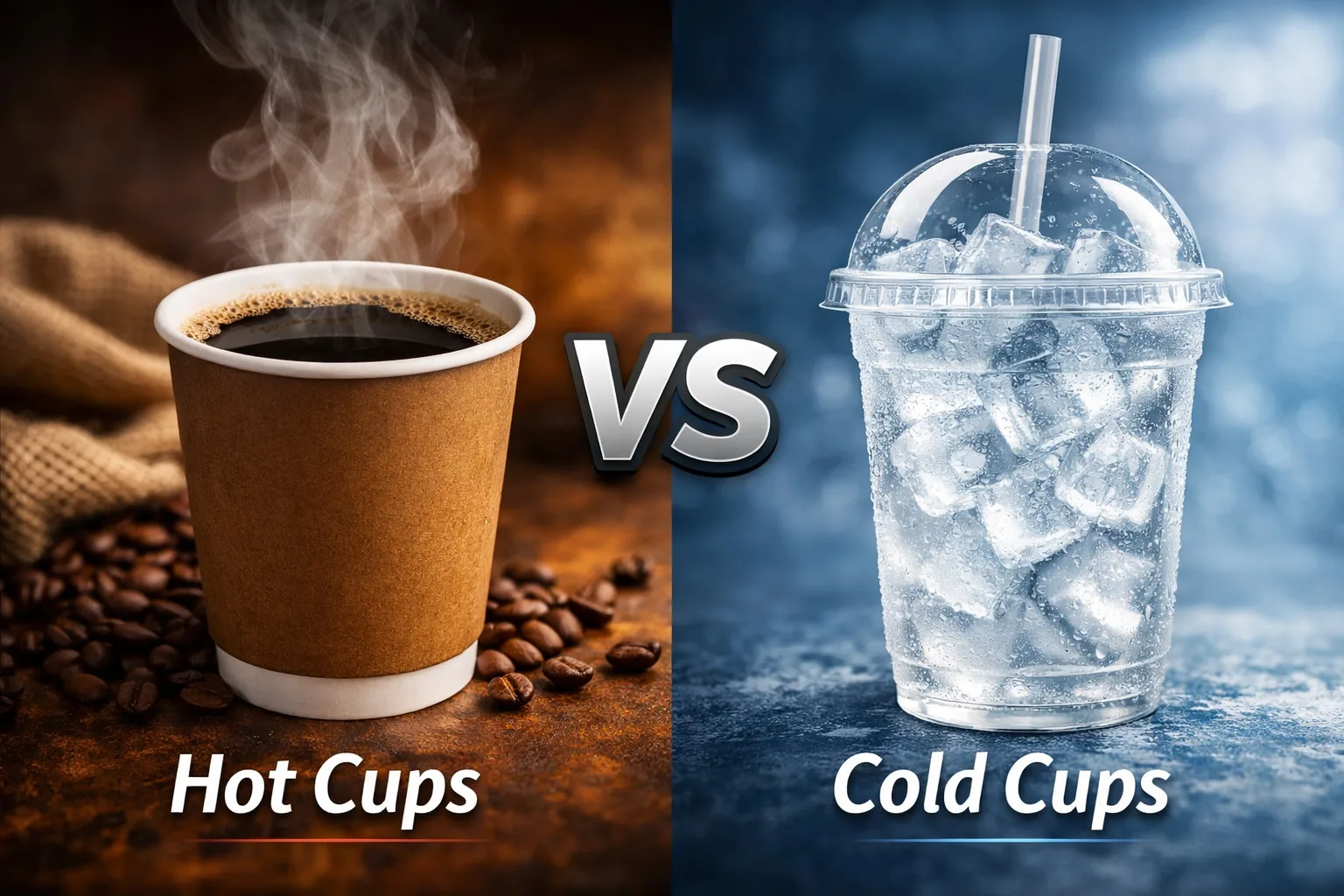
Hot cups and cold cups are engineered for different temperature ranges, materials, and beverage behaviors. Hot cups prioritize heat resistance, insulation, and lid stability for drinks above 60°C, while cold cups focus on condensation control, clarity, and structural strength for iced beverages. Choosing the wrong cup can cause deformation, leakage, safety risks, and regulatory non-compliance. Correct selection depends on beverage temperature, material limits, lid compatibility, sustainability goals, and local regulations.
Choosing between a hot cup and a cold cup may seem straightforward—but for cafés, beverage brands, takeaway businesses, and foodservice buyers, the wrong choice can result in leaks, customer complaints, compliance risks, and unnecessary costs.
This in-depth guide explains the real differences between hot cups and cold cups, how materials behave under different temperatures, which cups suit specific drinks, and how to select the right solution for performance, sustainability, and regulations in 2025.
1. What Is a Hot Cup vs a Cold Cup?
At a glance, hot cups and cold cups may look similar. In reality, they are engineered for very different temperature, condensation, and structural requirements.
Hot Cups
Hot cups are designed for beverages typically served between 60–95°C (140–203°F).
Common applications:
Coffee
Tea
Hot chocolate
Soup or broth (in cup format)
Key design requirements:
Heat resistance without deformation
Insulation to protect hands
Stable rim structure to prevent lid loosening
Cold Cups
Cold cups are optimized for beverages served between 0–40°C (32–104°F).
Common applications:
Iced coffee
Smoothies
Bubble tea
Soft drinks and juices
Key design requirements:
Condensation resistance
Transparency for visual appeal
Crack resistance at low temperatures
|
|
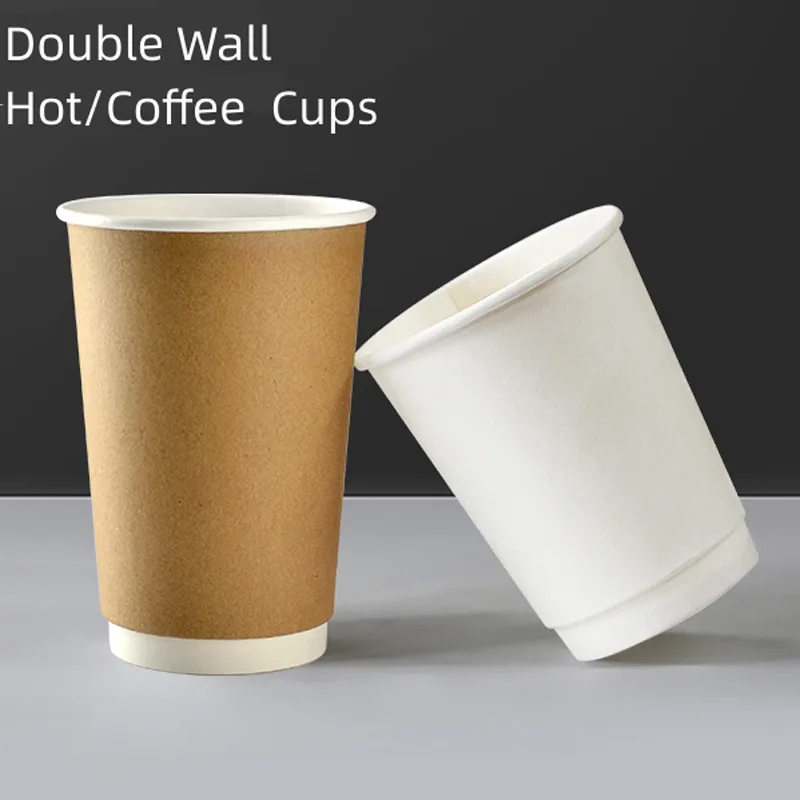
2. Material Differences: Why Hot Cups and Cold Cups Are Not Interchangeable
The material choice is the core difference between hot cups and cold cups.
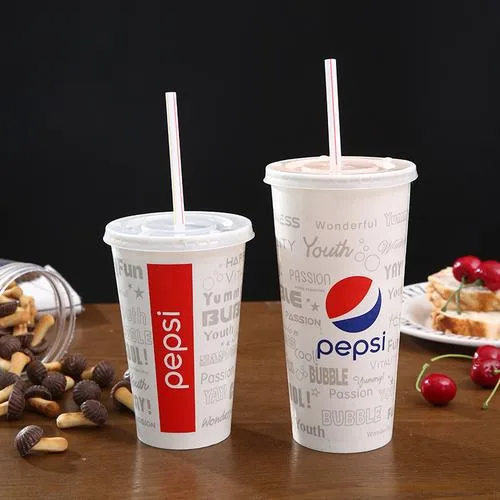
Paper Cups (Hot & Cold Use)

Hot cups use thicker paperboard with PE, PLA, or water-based coatings to prevent heat-induced leakage.
Cold paper cups focus more on condensation control and rigidity rather than insulation.
Best for:
Hot drinks (coffee, tea)
Cold drinks where branding matters more than transparency
Limitations:
Not ideal for iced drinks requiring visual presentation
PLA Clear Cups (Cold Only)
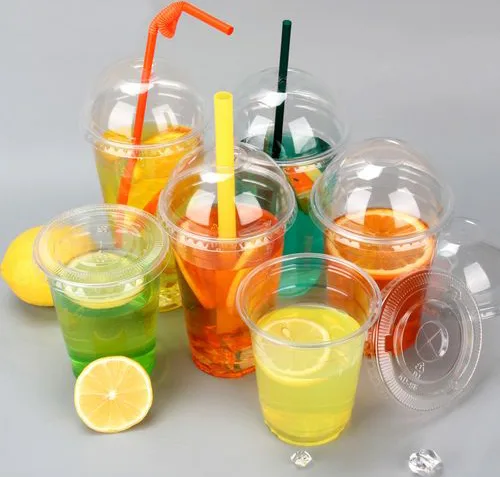
PLA (Polylactic Acid) cups are made from plant-based bioplastics.
Best for:
Iced coffee
Smoothies
Juice and soft drinks
Advantages:
Crystal-clear appearance
Compostable under industrial conditions
Strong sustainability positioning
Limitations:
Heat sensitivity (softens above ~45–50°C)
Not suitable for hot beverages
PET / PP Plastic Cups (Cold Only)
Conventional plastic cups remain widely used for cold beverages.
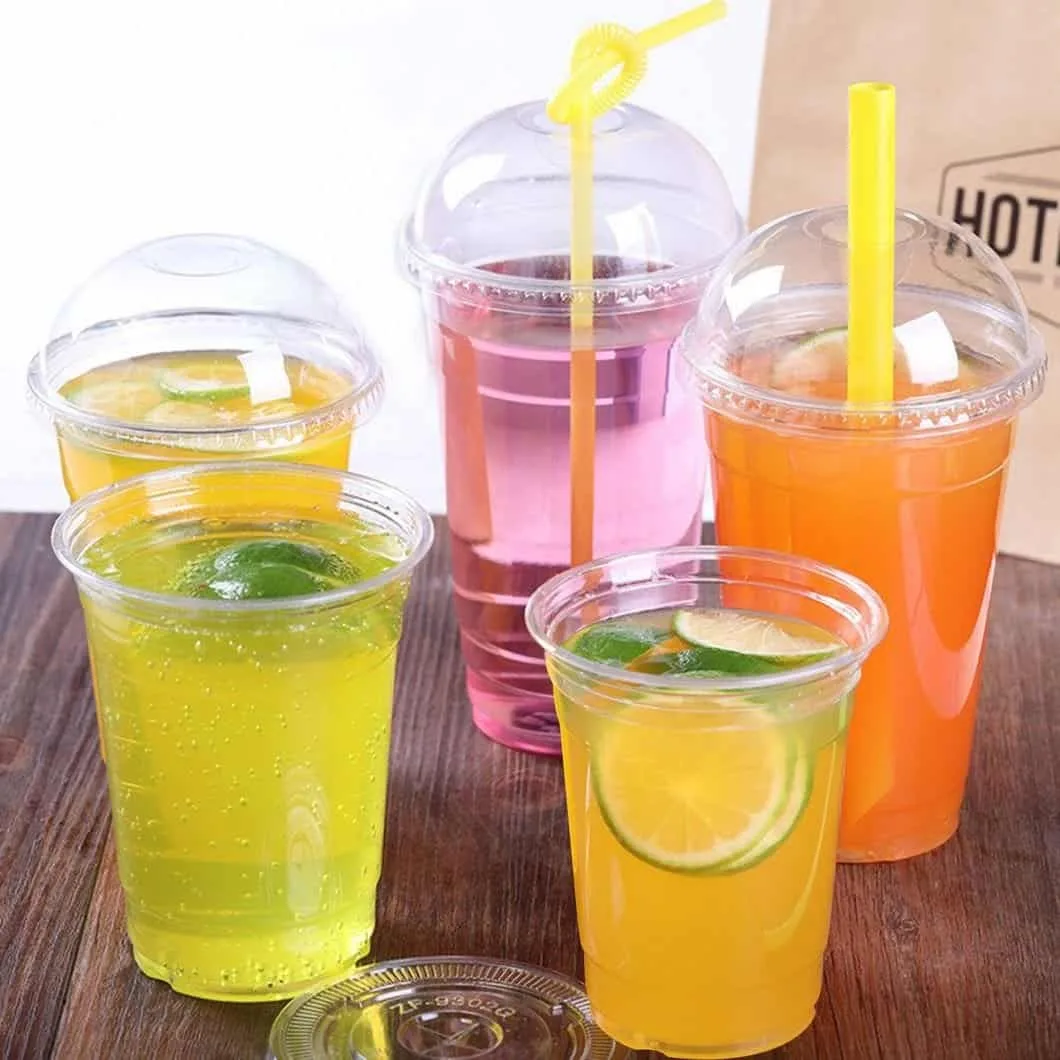
Advantages:
Excellent clarity (PET)
Strong impact resistance
Cost-effective at high volumes
Limitations:
Petroleum-based
Increasing regulatory pressure in many markets
3.Temperature Performance: What Happens If You Use the Wrong Cup?

Using the wrong cup type is one of the most common (and costly) mistakes.
| Scenario | Result |
|---|---|
| Hot drink in PLA cold cup | Cup softens, warps, potential leakage |
| Iced drink in thin hot paper cup | Condensation weakens structure |
| Soup in standard cold cup | Lid failure, safety risk |
| Hot coffee in PET cup | Deformation, chemical safety concerns |
Rule of thumb:
Temperature compatibility matters more than appearance.
4. Lid Compatibility: An Often-Ignored Risk Factor
Cup performance is not just about the cup—it’s about the cup + lid system.
Hot Cup Lids
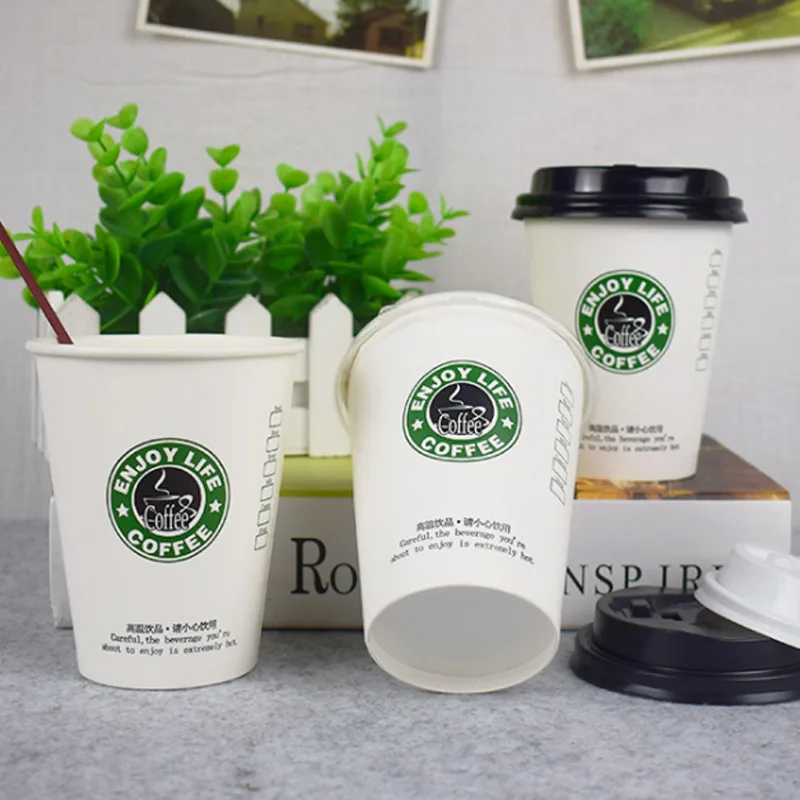
PS or PP sipping lids
Paper fiber lids
CPLA compostable lids
Key factors:
Tight rim tolerance
Heat stability
Steam venting where needed
Cold Cup Lids
|
|
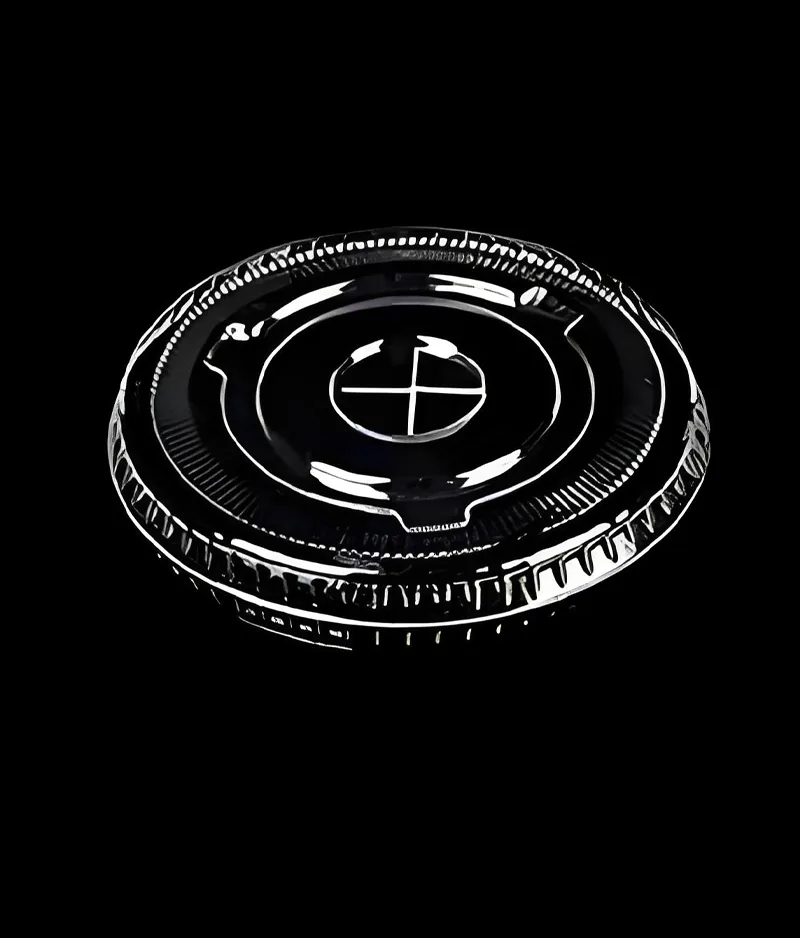
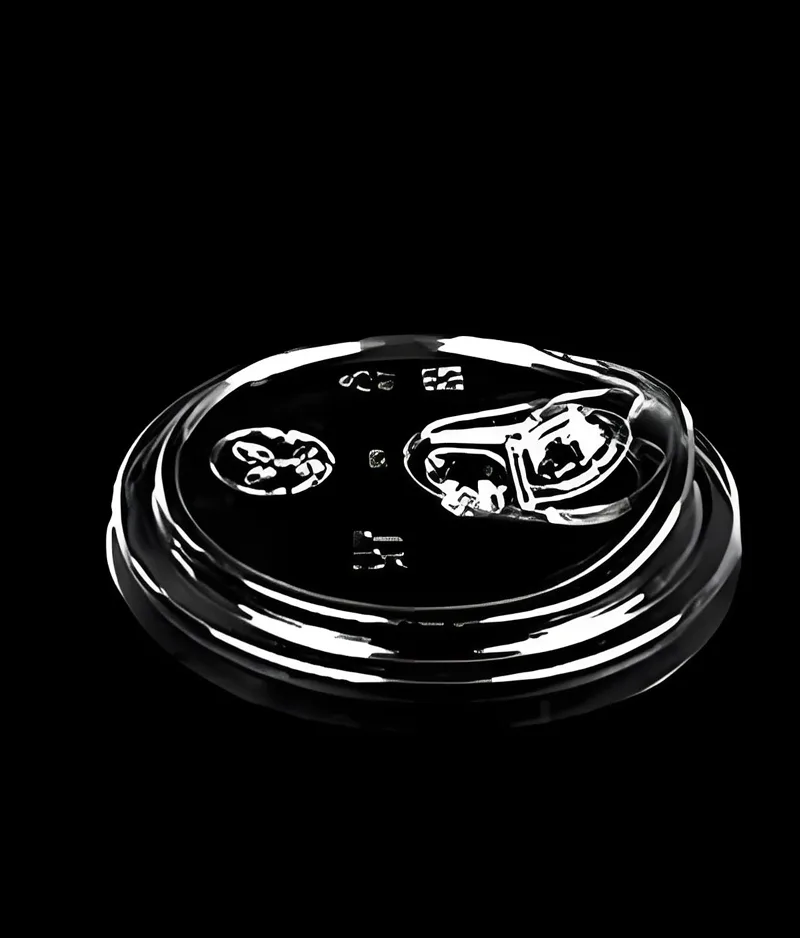
Flat lids with straw holes
Dome lids for whipped toppings
Key factors:
Condensation seal
Snap-fit accuracy
Crack resistance
Professional tip:
Always test lids with actual filled beverages, not empty samples.
5. Sustainability & Regulations: What Buyers Must Consider in 2025-2026
Cup selection is no longer just about function—it’s about compliance and brand risk.
Paper Cups
Recyclability depends on coating and local facilities
Compostable versions require certification
PLA Cups
Industrial composting required
Certifications to look for:
EN13432 (EU)
ASTM D6400 (US)
TÜV Austria / BPI
Plastic Cups
Increasing bans and taxes in EU, UK, Canada, parts of Asia
Key insight:
A “compostable cup” is only compliant if local infrastructure exists.

6. Buyer Decision Matrix: Hot Cup or Cold Cup?
| Beverage Type | Recommended Cup | Reason |
|---|---|---|
| Espresso / Americano | Paper hot cup | Heat resistance |
| Latte / Cappuccino | Double-wall paper cup | Insulation |
| Iced coffee | PLA clear cup | Visual + cold stability |
| Smoothie | PLA dome lid cup | Volume + appearance |
| Bubble tea | PLA or PET cup | Straw compatibility |
| Hot soup | Bagasse bowl / paper soup cup | Safety & rigidity |
7. Real-World Case Insight
A European café chain replaced PET iced coffee cups with PLA clear cold cups while retaining double-wall paper cups for hot drinks.
Results after 6 months:
Reduced plastic footprint by 38%
Improved customer perception of sustainability
No increase in leakage or operational issues
The key was matching cup material to beverage temperature, not forcing one solution across all drinks.
8. Common Mistakes to Avoid
Assuming “one cup fits all beverages”
Using PLA cups for warm drinks
Ignoring lid compatibility
Making sustainability claims without certification
Selecting cups based solely on unit price
9. Frequently Asked Questions
Can cold cups be used for hot drinks?
No. Cold cups such as PLA or PET are not designed for high temperatures and may soften, warp, or leak when filled with hot beverages.
What happens if I use a hot cup for iced drinks?
Hot cups can hold cold drinks, but condensation may weaken paper structure over time, especially for takeaway or long dwell periods.
Are PLA cups suitable for coffee or tea?
No. PLA cups are intended for cold beverages only and typically begin to soften at temperatures above 45–50°C.
Which cup is best for iced coffee or smoothies?
Clear PLA or PET cold cups with flat or dome lids are best for iced coffee, smoothies, and visually appealing cold drinks.
Do compostable cups require special disposal conditions?
Yes. Compostable cups such as PLA or bagasse require industrial composting facilities where accepted. Local infrastructure should always be confirmed.
10. Final Takeaway
Choosing between a hot cup and a cold cup is not a cosmetic decision—it is a functional, regulatory, and brand decision.
By understanding:
Temperature behavior
Material limitations
Lid compatibility
Sustainability requirements
You can select cups that protect product quality, reduce risk, and align with modern environmental expectations.
Hot Cup vs Cold Cup: How, Why, and What Buyers Should Know
What defines the difference?
The fundamental difference between hot cups and cold cups lies in temperature tolerance and material behavior. Hot cups are designed to remain stable under high heat, while cold cups are optimized to handle condensation and low-temperature stress without cracking or softening.
Why does temperature matter so much?
Beverage temperature directly affects cup integrity, lid fit, user safety, and taste experience. Materials such as PLA, PET, or coated paper react differently to heat and cold, making temperature mismatch one of the most common causes of leakage, deformation, and customer complaints.
How should cups be matched to beverages?
Hot beverages above 60°C require paper-based or fiber solutions with proper coatings and insulation. Cold beverages benefit from clear PLA or PET cups that resist condensation and highlight visual appeal. Using one cup type for all drinks often increases operational risk rather than reducing cost.
What options exist in 2025?
Buyers can choose from single-wall and double-wall paper cups, PLA clear cups, PET cold cups, bagasse bowls, and compostable lids. Each option carries different implications for sustainability, compliance, cost control, and brand perception.
What should buyers consider before ordering?
Key considerations include beverage temperature range, lid compatibility, local composting or recycling infrastructure, required certifications (EN13432, ASTM D6400, BPI), and long-term regulatory trends. A correct cup choice reduces risk, improves customer experience, and supports sustainable brand positioning.