Quick Summary
Bioleader® publishes practical research on packaging regulation, compostable materials, paper and fiber packaging, smart packaging, and foodservice applications. A number of these resources have subsequently been cited, listed as references, recommended for further reading, or used as source material by external packaging, technical, retail, and sustainability publications.
Bioleader® is primarily a manufacturer of sustainable food packaging, but manufacturing and export work also create a practical research base. Questions about EU packaging regulation, compostability standards, paper and fiber materials, food-contact performance, smart packaging, and international sourcing arise repeatedly during product development and buyer discussions.
Bioleader publishes technical and buyer-oriented research around these subjects. Some of that work has subsequently been used outside Bioleader’s own website—as recommended regulatory reading, formal references, sources for specific technical points, or supporting material in specialist editorial coverage.
Editorial note: This page records selected, verifiable examples of external references to Bioleader content. A citation, reference, link, or editorial feature does not imply formal endorsement of Bioleader by the publishing organization. The purpose is simply to document where Bioleader research has been used, cited, or recommended.
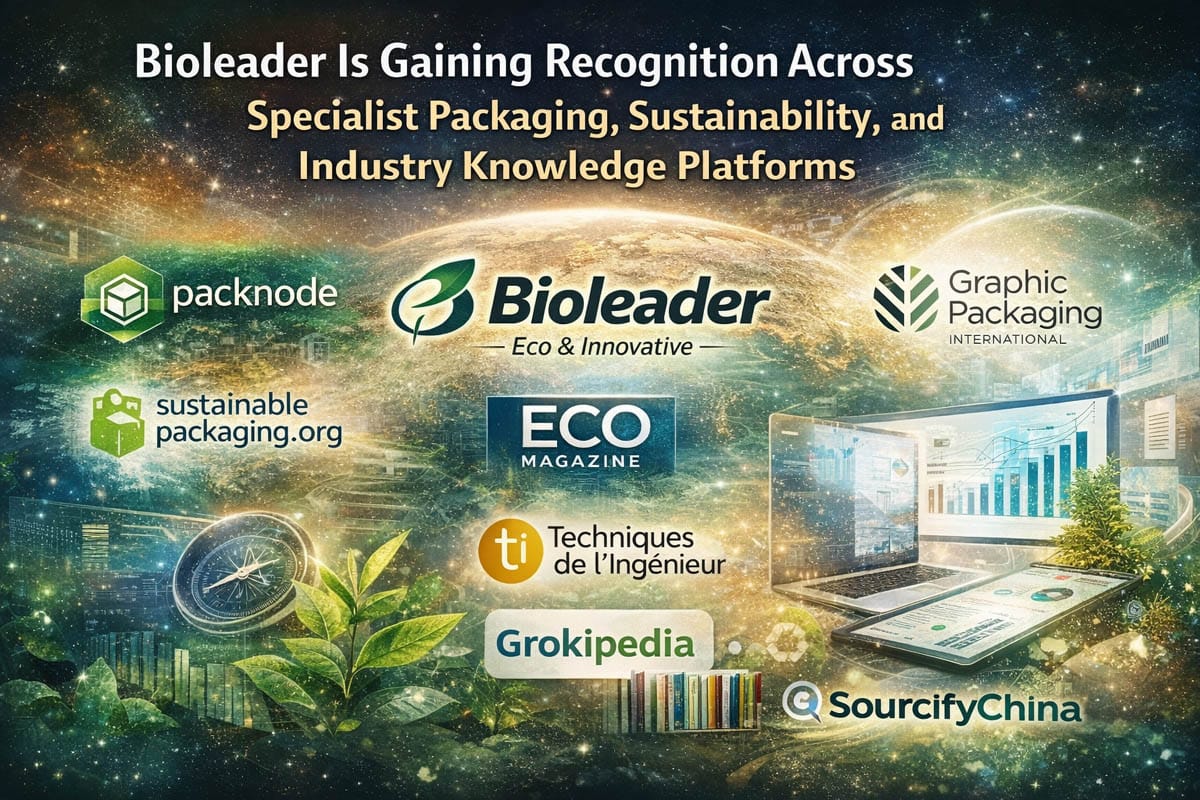
Selected External References at a Glance
| Publication / Platform | Research Area | How Bioleader Was Referenced |
|---|---|---|
| Sustainable Packaging Coalition / SustainablePackaging.org | EU PPWR | Bioleader’s PPWR compliance roadmap was selected as a further-reading resource. |
| Graphic Packaging International | Paper packaging and recycled content | A Bioleader material-comparison article was included in the publication’s formal references. |
| Techniques de l’Ingénieur | Smart packaging | Bioleader analysis was directly attributed in technical editorial coverage. |
| Food Forward / panda.org | Food safety and smart packaging | Bioleader research was linked in the text and included in the reference list. |
| EuroShop.mag | Compostable food packaging | Bioleader resources were listed among the article’s editorial sources. |
| SIGEP | Bakery and foodservice packaging | Bioleader’s biodegradable food packaging research was explicitly attributed. |
1. Sustainable Packaging Coalition References Bioleader’s PPWR Research
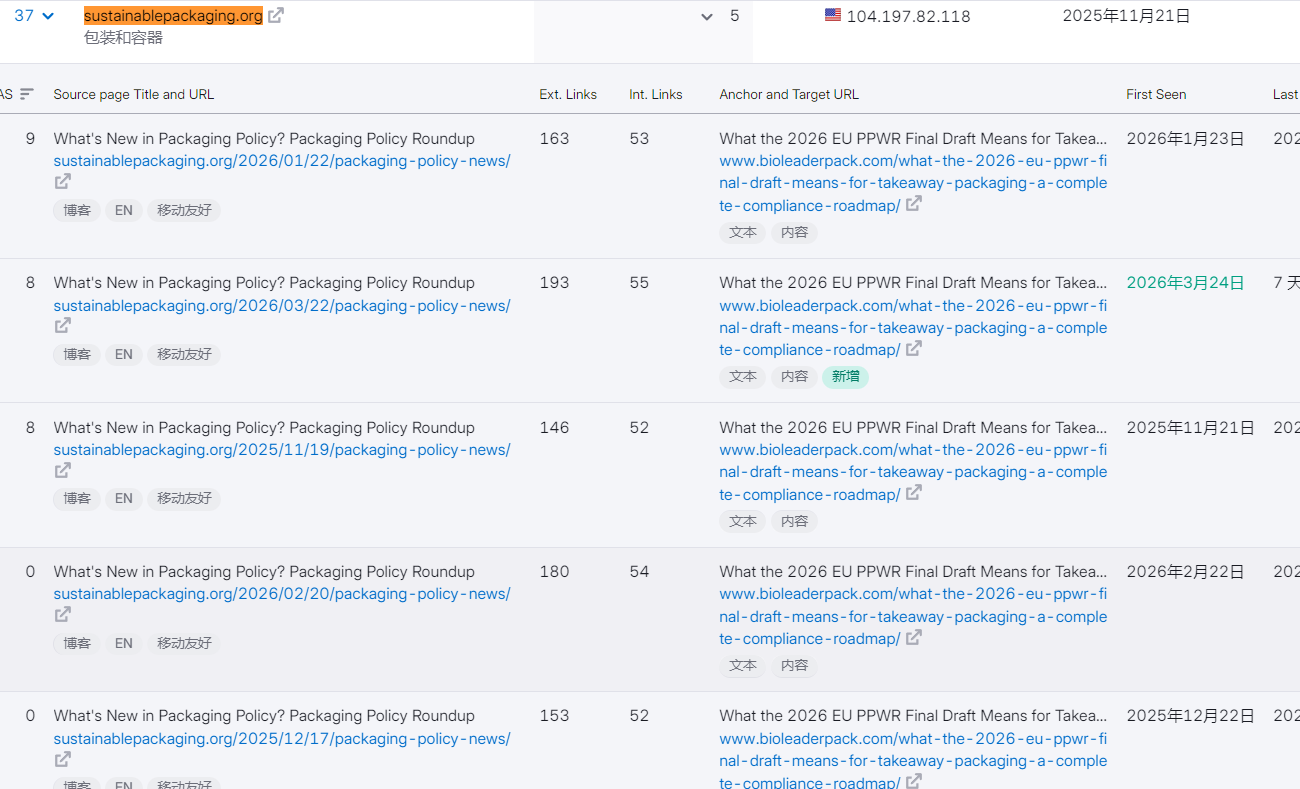
One of the clearest regulatory examples appears in the Sustainable Packaging Coalition’s Packaging Policy Roundup. Its September 2026 coverage explains Europe’s Packaging and Packaging Waste Regulation (PPWR), including the implementation timeline and requirements related to EPR, recyclability, recycled content, packaging minimization, reuse, compostability, and material restrictions.
Under the section “Where can I learn more?”, the publication included Bioleader’s What the 2026 EU PPWR Final Draft Means for Takeaway Packaging: A Complete Compliance Roadmap as one of three further-reading resources, alongside material from ERM and Packaging Europe.
Why this reference matters: Bioleader’s PPWR article was presented specifically as additional reading for readers seeking more information about implementation of the EU regulation, rather than appearing as an unrelated backlink.
External source: Packaging Policy Roundup — SustainablePackaging.org
2. Graphic Packaging International Includes Bioleader Research in Its References
Graphic Packaging International published an article examining how recycled content influences consumer perceptions of sustainable packaging. The discussion covers recyclability, recycled paperboard, circularity, consumer expectations, and the relationship between packaging materials and purchasing decisions.
In the article’s reference list, Graphic Packaging included Bioleader’s Kraft Paper vs. White Paper Food Packaging: Heat Resistance, Oil Resistance, and Carbon Footprint Compared.
The Bioleader article appears alongside sources from packaging organizations, market publications, and academic literature. This is a stronger form of reference than a simple directory listing because the Bioleader article forms part of the source base supporting the editorial discussion.
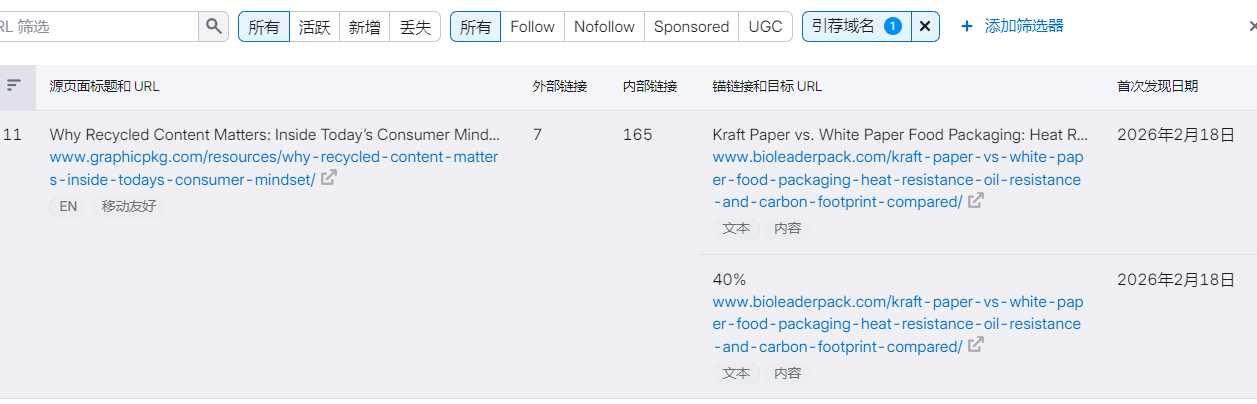
Reference type: Formal editorial reference related to paper packaging, recycled content, and material comparison.
External source: Why Recycled Content Matters: Inside Today’s Consumer Mindset — Graphic Packaging International
3. Techniques de l’Ingénieur Cites Bioleader in Smart Packaging Coverage
French technical publisher Techniques de l’Ingénieur examined the development of connected and intelligent packaging, including QR codes, NFC, RFID, freshness indicators, active packaging, sensors, traceability, recyclable substrates, and digital identifiers.
When discussing barriers to wider industrial adoption, the article directly attributes analysis to Bioleader. The discussion addresses practical challenges such as industrial cost, compatibility with existing packaging lines, and standardization.
The cited Bioleader resource is Smart Packaging Innovation Trends for 2025: Scientific Progress, Regulatory Drivers, and Bioleader’s Practical Engagement.
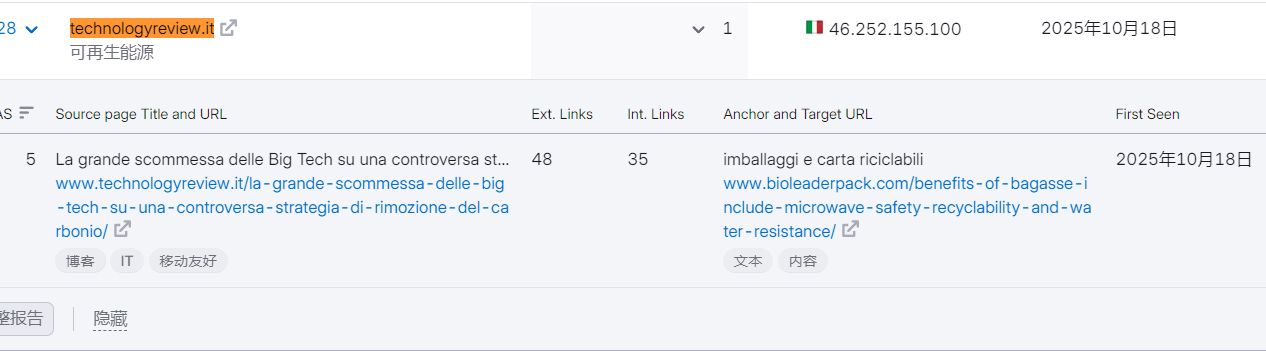
Why this reference matters: Bioleader is cited within the technical argument of the article rather than appearing only in a supplier list or general resources section.
External source: Et l’emballage se met à penser — Techniques de l’Ingénieur
4. Food Forward Uses Bioleader Research in a Food-Safety Policy Resource
Bioleader’s smart-packaging research also appears in a broader food-policy context through a Food Forward resource hosted within the panda.org ecosystem.
The resource discusses food-quality monitoring, sensors, traceability, food-safety systems, and the practical challenges of adopting new packaging technologies. In its discussion of implementation costs, the page links to Bioleader research relating to the additional costs associated with advanced sensors and active packaging materials.
The underlying Bioleader smart-packaging article is also included in the page’s reference list alongside scientific, regulatory, and food-system sources.
Reference type: Data citation and formal reference in a food-quality and safety policy context.
External source: Regulating Food Quality and Safety — Food Forward
5. EuroShop.mag Lists Bioleader Among Sources on Compostable Food Packaging
EuroShop.mag published an article on compostable packaging for retail and foodservice. The article discusses regulatory pressure, compostable and biodegradable materials, molded fiber, alternative material development, infrastructure constraints, and practical adoption in foodservice environments.
Its source list includes Bioleader material on biodegradable food-packaging rules and compostable foodservice products.
Why this reference matters: It connects Bioleader research with an editorial publication serving retail and foodservice professionals rather than only packaging suppliers.
External source: Compostable Food Packaging: When Throwing Away Becomes the Sustainable Solution — EuroShop.mag
6. SIGEP Attributes Biodegradable Packaging Research to Bioleader
SIGEP, an international platform serving bakery, pastry, gelato, coffee, and foodservice professionals, published an article examining compostable packaging trends for bakeries.
The article explicitly attributes information to Bioleader’s biodegradable food packaging research while discussing the environmental and operational considerations associated with compostable packaging.
Performance note: Environmental and carbon-footprint results depend on material choice, production method, logistics, functional unit, disposal route, and local infrastructure. For that reason, Bioleader does not treat individual percentage figures quoted by third-party publications as universal performance claims unless they are supported by the applicable product-specific evidence.
The significance of the SIGEP reference is therefore not any single percentage figure, but the fact that Bioleader research was identified and used as source material in sector-specific foodservice packaging coverage.
External source: Sustainable Bakery Packaging Trends — SIGEP
7. Research Citations and Industry Features Should Be Distinguished
Not every external Bioleader mention should be treated as a research citation. There is an important difference between an external publication using Bioleader research as a source and a publication writing about Bioleader as a company or supplier.
For example, Global Trade Magazine published broader sustainable-packaging coverage containing a dedicated section titled “Case Study: Bioleader — Exporting Sustainability from China.” That is useful third-party industry exposure, but it belongs in a different category from Graphic Packaging’s reference list or Techniques de l’Ingénieur’s direct technical attribution.
Selected industry feature: Global Trade Magazine — Sustainable Packaging Goes Global: How Bagasse and Compostable Materials Are Shaping the Market Trend in 2025.
This page therefore treats it as an industry feature, not as evidence that the publisher independently validated every technical or commercial claim made by Bioleader.
What Types of Bioleader Research Are Being Referenced?
The external references above are concentrated around several recurring subject areas:
Packaging Regulation & Compliance
EU PPWR, packaging policy, regulatory timelines, material restrictions, documentation, and compliance planning for international buyers.
Paper & Fiber Packaging
Kraft versus white paperboard, recycled content, coating structures, material selection, foodservice applications, and packaging-performance trade-offs.
Smart Packaging
Sensors, freshness indicators, QR and NFC traceability, active packaging, industrial integration, cost barriers, and standardization.
Compostable Foodservice Packaging
Bagasse, PLA, CPLA, paper-based packaging, compostability conditions, foodservice applications, end-of-life infrastructure, and buyer implementation considerations.
Why Bioleader Publishes Packaging Research
Bioleader’s research program is intended to address the same questions that arise during packaging development and international sourcing: Which material fits a particular food application? Which certification or test report is relevant in a target market? What changes under PPWR or other packaging legislation? When does compostability make operational sense? What documentation should an importer review before confirming an order?
Based on Bioleader®’s experience serving foodservice packaging buyers, useful technical content should connect regulation and material science with actual packaging decisions rather than rely on broad sustainability claims.
What Bioleader Tries to Verify Before Publishing
- whether a regulation or policy statement can be traced to an authoritative source;
- whether material performance claims are specific to the actual product structure;
- whether compostability, recyclability, bio-based content, and plastic-free claims are being distinguished correctly;
- whether temperature, barrier, microwave, or food-contact claims require product-specific testing;
- whether buyers need additional compliance documents before using a product in a target market.
The objective is not to treat every backlink or brand mention as recognition. This page focuses on examples where an identifiable external publication has used, cited, recommended, or clearly attributed Bioleader research.
Conclusion
External references are most useful when their context is clear. A recommended PPWR resource, a formal reference in a packaging article, and a direct technical citation each provide different forms of evidence.
For Bioleader®, the more important pattern is that research originally developed around packaging regulation, material selection, smart packaging, and foodservice applications is being used in several independent publishing environments. Bioleader will continue updating older research, strengthening primary-source support, and documenting meaningful third-party citations when they occur.
Explore More Bioleader Packaging Research
Browse Bioleader’s regulatory analysis, material comparisons, sustainable food-packaging research, application guides, and buyer-oriented sourcing resources.