English
  Français
  Español
  Português
  Deutsch
  العربية
  Italiano
  Nederlands
  Русский
  日本語
日本語 Introduction
The rapid growth of the food delivery sector has revolutionized how consumers enjoy meals. However, it has also intensified the global challenge of packaging waste.
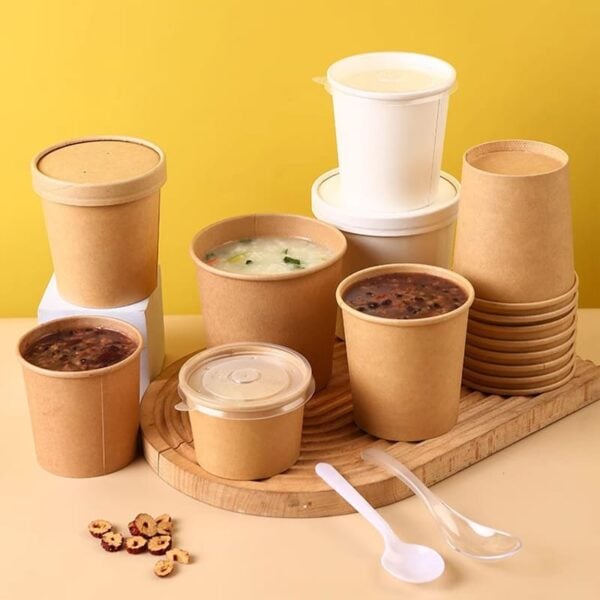
In response, eco-friendly solutions like kraft paper bowls with lids are emerging as powerful alternatives to traditional plastic containers.
They reduce environmental impact and offer practical advantages in performance, branding, and cost management.
Consumers today expect more than just great food—they expect environmentally responsible packaging that supports a greener future.
This article explores eight critical ways kraft paper bowls with lids transform food delivery operations, making them more sustainable and cost-effective for businesses worldwide.
1. Made from Renewable, Natural Resources
Unlike plastic, which is derived from non-renewable fossil fuels, kraft paper bowls are manufactured using natural wood fibers from sustainably managed forests.
When certified by organizations like the FSC (Forest Stewardship Council), kraft paper ensures minimal harm to ecosystems while supporting responsible forestry practices.
Kraft paper production emits 44% less CO₂ compared to conventional plastic packaging manufacturing, according to recent life cycle assessment (LCA) studies.
This makes kraft bowls a smart, forward-thinking choice for eco-conscious brands.
2. 100% Recyclable and Compostable Options
Modern kraft paper bowls with lids are designed to be both recyclable and, in many cases, compostable.
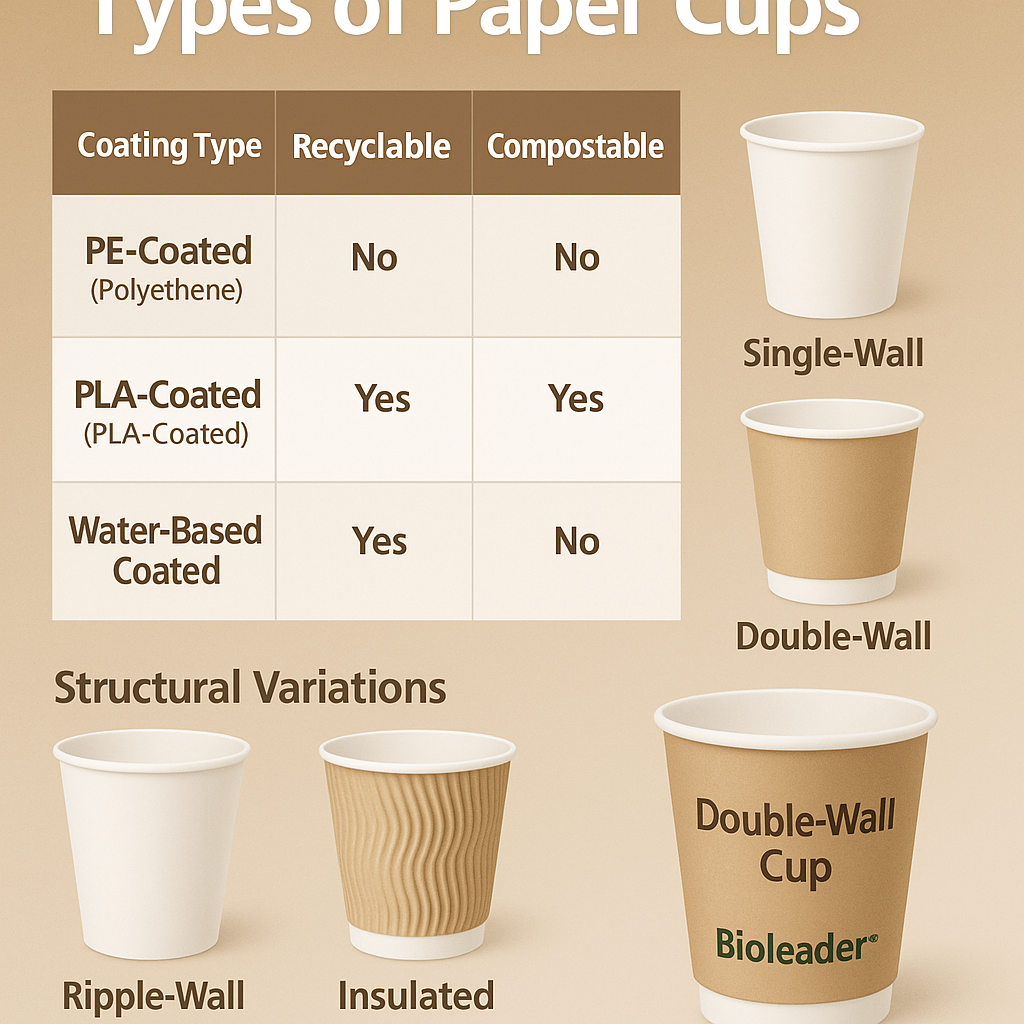
Innovations such as water-based barrier coatings allow kraft bowls to maintain moisture and grease resistance without sacrificing recyclability.
Under industrial composting conditions, kraft bowls can fully decompose into nutrient-rich soil in 60–120 days, supporting the circular economy and reducing landfill dependency.
3. Superior Strength and Leak Resistance
Sustainability doesn’t mean compromising on performance.
Kraft paper bowls are engineered with multiple layers, giving them the structural strength needed to:
Hold hot soups and stews without leaking
Protect delicate salads and desserts
Resist oil penetration from fried or greasy foods
These properties ensure that businesses can deliver high-quality meals without risking mess, damage, or customer dissatisfaction.

4. Maintaining Food Freshness and Quality
Food quality deterioration during transport remains a significant challenge.
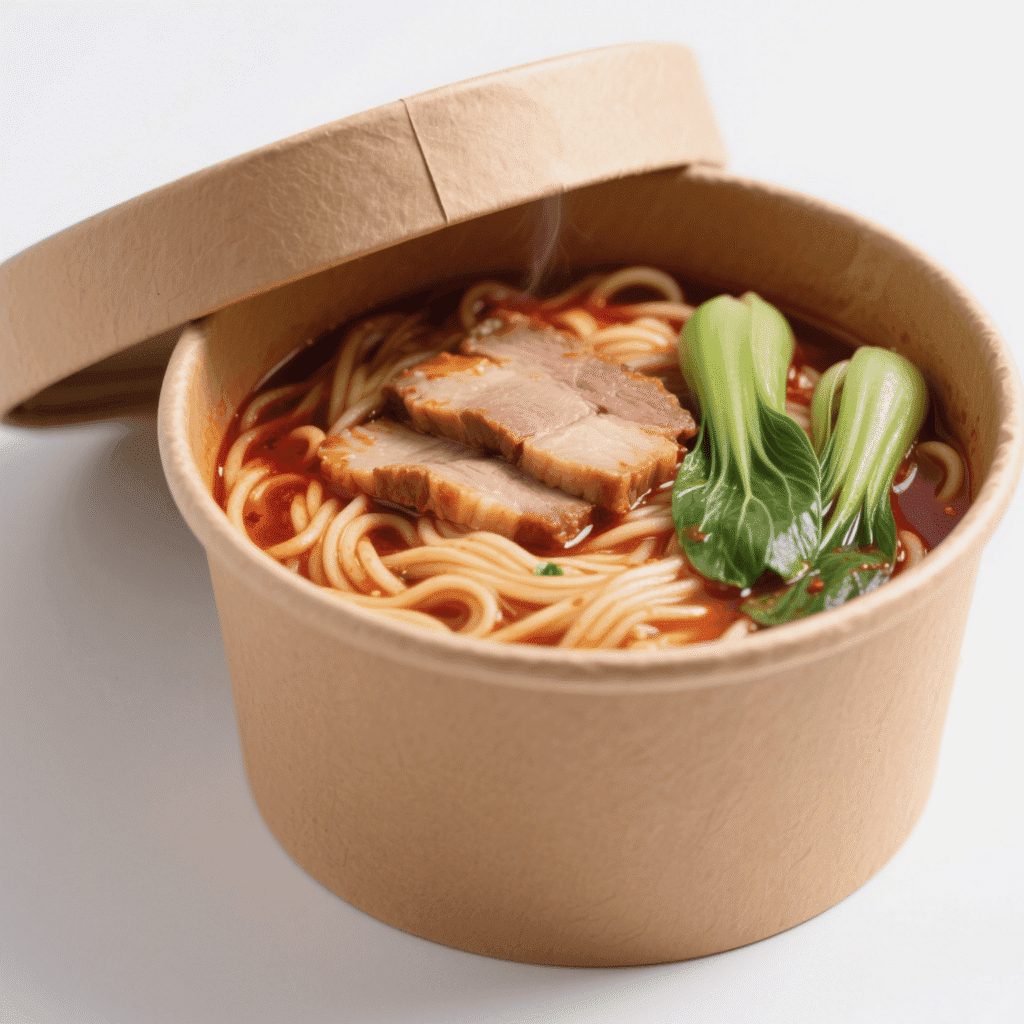
Kraft paper bowls with secure-fitting lids help trap heat and protect aromas, ensuring that meals like ramen, curries, and grain bowls arrive at optimal serving temperatures.
At the same time, Kraft’s natural breathability reduces condensation, preserving the texture and freshness of cold foods such as salads, yogurt parfaits, and poke bowls.
5. Enhancing Brand Image Through Sustainable Packaging
Today’s customers seek authenticity.
Brands that demonstrate a clear commitment to sustainability through their packaging choices win greater loyalty and positive public perception.
Using eco-friendly kraft packaging allows foodservice businesses to:
Showcase custom-branded, biodegradable bowls
Communicate their environmental initiatives effectively
Build emotional resonance with eco-conscious consumers
A Nielsen report revealed that 73% of global consumers are willing to change consumption habits to lessen environmental impact.
6. Competitive Pricing and Bulk Availability
The cost of kraft paper bowls has decreased significantly over the past five years, largely due to improvements in production scalability and global demand for sustainable materials.
Suppliers now offer:
Bulk discounts for large-scale orders
Flexible MOQs (minimum order quantities) for small businesses
White-label options for brand customization
Today, Kraft packaging is no longer a luxury—it’s an accessible standard.
7. Supporting Compliance with Global Plastic Bans
Countries around the world are rapidly implementing restrictions on single-use plastics:
European Union: Single-Use Plastics Directive
USA (California, New York, etc.): Compostable food packaging mandates
China: National bans on plastic bags and containers
By switching to Kraft bowls, businesses stay ahead of compliance requirements, avoiding fines and improving public trust.
8. Versatility Across Various Food Delivery Needs
Kraft paper bowls offer remarkable versatility:
Range of sizes from 8oz to 32oz
Compatible with both kraft paper lids and PLA clear lids
Suitable for hot, cold, wet, or dry foods
Whether serving spicy ramen, acai bowls, burrito bowls, or decadent desserts, kraft paper containers offer both flexibility and eco-friendly performance.
Special Focus: Practical Applications of 17oz Kraft Paper Bowls
Among various available sizes, 17 oz kraft paper bowls are becoming increasingly popular across foodservice businesses.
Why 17oz Hits the Sweet Spot:
Perfect for hearty single-portion meals
Practical for portion control and standardized pricing
Compact enough for stacking and efficient delivery logistics
Typical Applications:
Poke Bowls: Fresh seafood, rice, and veggies
Curry Rice Bowls: Ideal for thick curries and gravies
Salad Bowls: Entree-sized salads packed with toppings
Breakfast Bowls: Acai, yogurt, or oatmeal options
Burrito Bowls: Rice, beans, protein, and salsa
Key Advantages:
Better heat retention and spill protection
Supports both casual and premium positioning
Fits both kraft paper lids and PLA dome lids for flexible presentation
In short, 17 oz kraft paper bowls offer the ideal balance between sustainability, functionality, and customer convenience, making them a top choice for modern food delivery operations.
Comparing Kraft Paper Bowls with Traditional Plastic Containers
When it comes to food delivery packaging, businesses have traditionally relied on plastic or polystyrene containers.
However, the performance and sustainability advantages of <strong< span=””> data-start=”509″ data-end=”540″>kraft paper bowls with lids make them a superior choice today</strong<>.
| Feature | Kraft Paper Bowls | Traditional Plastic Containers |
|---|---|---|
| Material Source | Renewable wood fibers | Fossil fuels (petroleum-based) |
| Decomposition Time | 60–120 days (industrial composting) | 500+ years (landfills) |
| Heat Resistance | Excellent (suitable for hot foods) | Moderate (can warp under heat) |
| Customer Perception | Eco-friendly, premium | Environmentally harmful |
| Regulatory Compliance | Supports plastic bans | Increasingly restricted |
Switching to kraft paper bowls not only aligns businesses with global sustainability goals but also improves operational resilience amid tightening regulations.
How Kraft Paper Bowls Improve Operational Efficiency for Restaurants
Beyond sustainability, kraft paper bowls with lids deliver measurable operational advantages:
Space-saving stackability: Their sturdy design allows efficient vertical stacking, optimizing limited kitchen and storage spaces.
Easy labeling: The natural texture of kraft surfaces accepts inks and stickers well, aiding quick identification and order accuracy.
Speed of service: Lids fit securely and quickly, reducing pack-out times compared to fiddly plastic clamshells or fragile foam containers.
These efficiencies translate into lower labor costs, faster order processing, and higher customer satisfaction rates—essential factors in the competitive food delivery industry.

Consumer Perception: Why Eco-Friendly Packaging Matters More Than Ever
According to a 2024 McKinsey study:
75% of consumers consider sustainable packaging important when choosing food delivery brands.
53% are willing to pay a premium for eco-packaged meals.
Using kraft paper bowls signals a company’s commitment to modern environmental values, which can:
Increase brand loyalty
Drive positive online reviews
Improve customer lifetime value (CLV)
In a crowded market, sustainable packaging is no longer a differentiator—it is a necessity for survival and growth.
Tips for Choosing the Right Kraft Paper Bowl Supplier
Not all kraft paper bowls are created equal.
When sourcing kraft paper bowls with lids, businesses should consider:
Material Certification: Look for FSC-certified paper or PEFC-certified sources to ensure sustainable forestry practices.
Barrier Coatings: Prioritize water-based coatings over PE linings for better compostability.
Product Customization: Seek suppliers who offer branding options like custom printing or embossing.
MOQ Flexibility: Especially important for small businesses scaling gradually.
Regulatory Compliance: Verify if the products meet ASTM D6400, EN 13432, or other compostability standards.
Choosing the right partner ensures product quality, customer satisfaction, and brand credibility.
Future Innovations in Kraft Paper Packaging
The future of kraft paper bowls is bright with technological advancements, including:
Home compostable coatings: Research is underway to create kraft packaging that decomposes even in backyard compost settings.
Enhanced oil-resistance barriers: Innovations aim to improve performance without sacrificing compostability.
Smart packaging: QR codes on bowls could provide consumers with sourcing information, composting instructions, or brand storytelling.
Zero waste manufacturing: More factories are moving toward closed-loop production systems to minimize waste.
Businesses investing early in next-generation sustainable packaging will secure a competitive edge as regulations and consumer expectations continue to evolve.
FAQ
Conclusion
The move towards kraft paper bowls with lids signals a fundamental transformation in the food delivery industry.
Eco-conscious packaging is no longer a niche preference—it’s a market expectation and a strategic imperative.
By embracing kraft packaging, businesses reduce their environmental footprint, build stronger brand loyalty, and ensure regulatory compliance—all while maintaining high standards of food quality and operational efficiency.
As the demand for sustainable packaging continues to surge, kraft paper bowls will lead the way in building a greener, more responsible foodservice future.
Reference Source List
European Commission – “Single-Use Plastics Directive Explained” – https://ec.europa.eu/environment/topics/plastics/single-use-plastics_en
Ellen MacArthur Foundation – “The New Plastics Economy” – https://ellenmacarthurfoundation.org/the-new-plastics-economy
Green Seal – “Why Sustainable Packaging Matters” – https://greenseal.org/resources/why-sustainable-packaging-matters
United Nations Environment Programme – “Single-Use Plastics: A Roadmap for Sustainability” – https://www.unep.org/resources/report/single-use-plastics-roadmap-sustainability
Statista – “Food Delivery Market Revenue Forecast” – https://www.statista.com/statistics/1079633/food-delivery-market-size-worldwide/
Packaging Europe – “Compostable Packaging: Challenges and Opportunities” – https://packagingeurope.com/features/compostable-packaging/
Forest Stewardship Council (FSC) – “The Importance of Certified Forests” – https://fsc.org/en/page/the-importance-of-certified-forests
World Economic Forum – “The Global Impact of Plastic Waste” – https://www.weforum.org/agenda/2020/07/plastic-pollution-environmental-impact
U.S. Environmental Protection Agency (EPA) – “Managing Packaging Waste Sustainably” – https://www.epa.gov/smm/sustainable-management-materials-packaging
The Guardian – “The Truth About Bioplastics” – https://www.theguardian.com/environment/2019/jun/30/the-truth-about-biodegradable-plastics